غير مصنف

What Does a Stranding Machine Do?

What Does a Stranding Machine Do

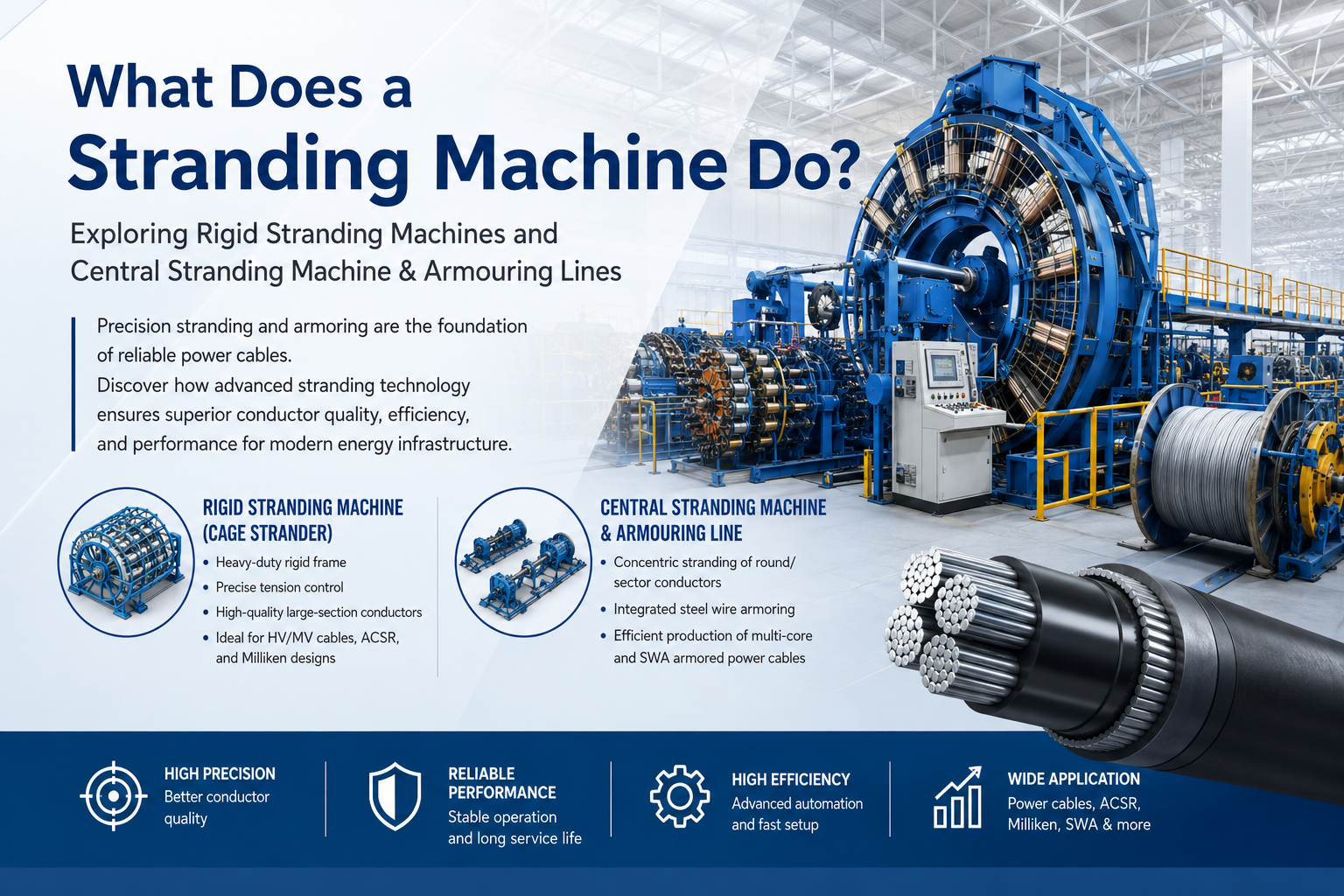
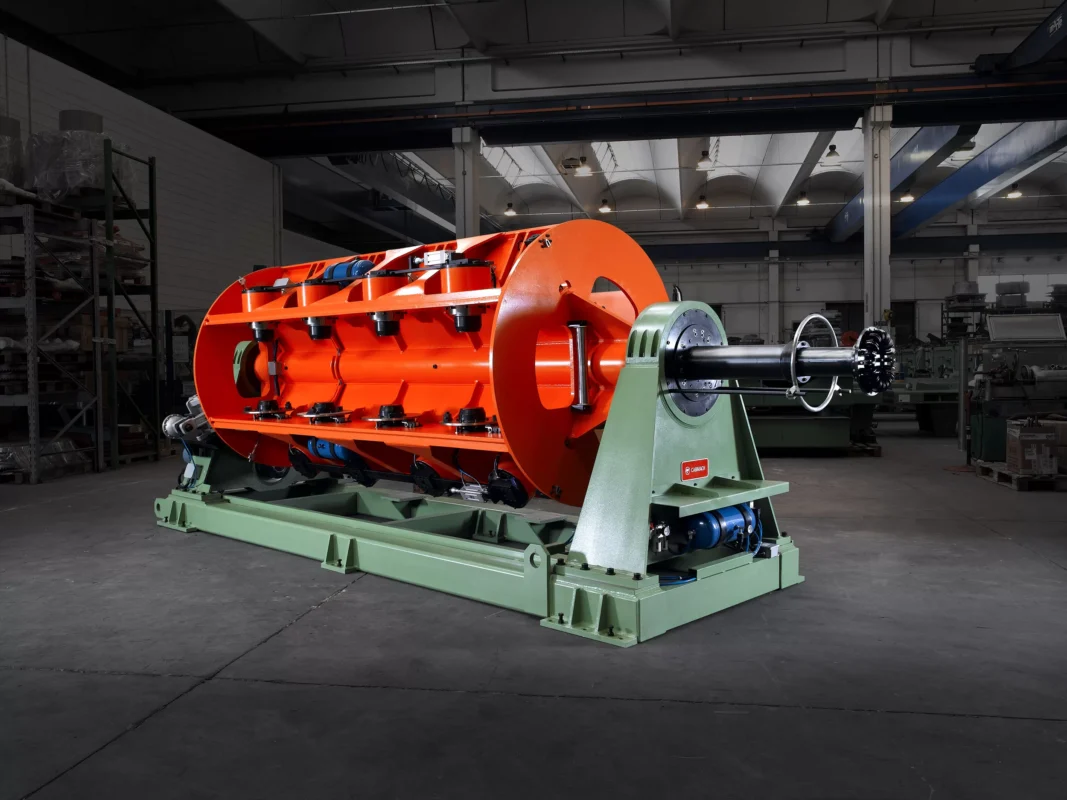
A rigid stranding machine, commonly known as a cage strander أو rigid frame strander, is the cornerstone equipment in modern wire and cable manufacturing for producing large-section, high-precision conductors. Its core function is to helically twist multiple individual metal wires (copper, aluminum, aluminum alloy, or steel) around a central core wire or previous stranded layer, creating a single, mechanically robust, electrically efficient, and flexible conductor or cable core.

Stranding transforms loose individual wires into a unified structure with controlled lay length (pitch), direction, and compaction. This process is essential for cables that must withstand mechanical stress, environmental exposure, and high electrical loads while maintaining optimal conductivity and flexibility.

Cage Type vs Rigid Stranding Machine – Clarifying the Terminology

In industry practice, آلة شد الخيوط من نوع القفص و Rigid Stranding Machine (Rigid Frame Strander) refer to the same class of heavy-duty equipment.

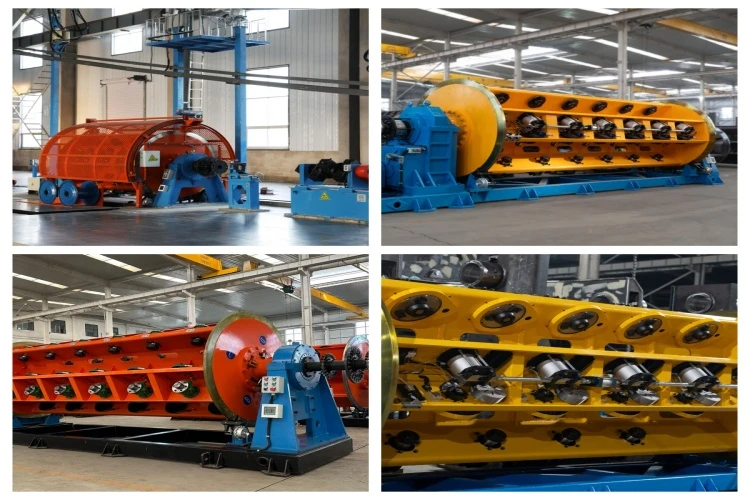
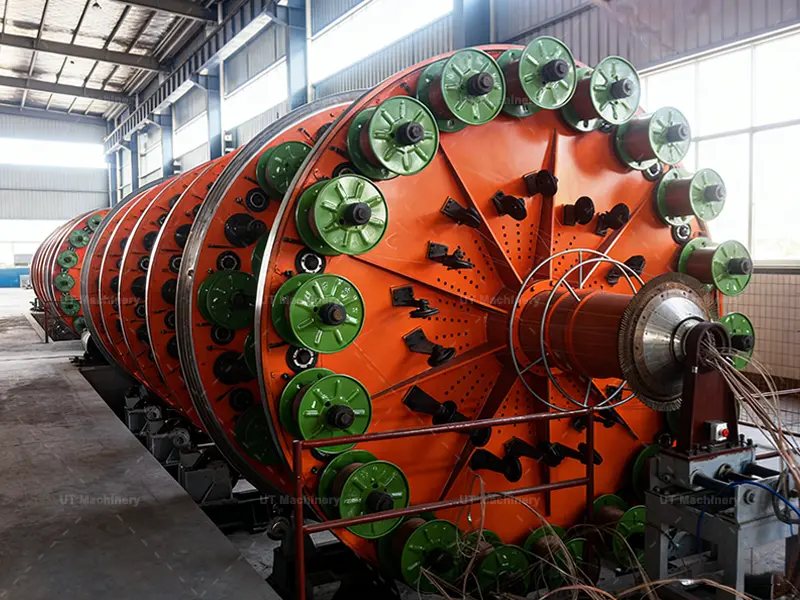
  • The “cage” is the solid, cylindrical rotating frame that securely holds multiple wire bobbins (pay-off reels).
  • “Rigid” emphasizes the unyielding steel construction of this frame, which provides exceptional stability, precise tension control, and balance even when handling heavy bobbins at high rotational speeds.

Some manufacturers distinguish “rigid frame” variants as those without a separate external pay-off stand (bobbins load directly into the cage stands), simplifying the line and enabling higher speeds. In practice, both terms describe non-backtwist stranding machines optimized for large-section conductors. This design outperforms tubular stranders for heavy, high-volume production and offers superior structural integrity compared to more flexible or planetary systems.

Key Features & Mechanics of a Rigid / Cage Strander

1. Robust Cage Structure The machine features one or more heavy, precision-machined steel cages (typically configured as 6B, 12B, 18B, 24B, or 30B+ positions). Bobbins are arranged in multiple rows as close as possible to the rotation axis to maximize speed and minimize centrifugal forces. Modern cages are CNC-machined and stress-relieved for long-term rigidity.

2. Stranding Process

  • Individual wires are paid off from bobbins mounted inside the rotating cage.
  • As the cage spins at controlled RPM, wires are drawn forward and twisted helically around the central core (or previous layer) at a precise angle and lay length.
  • The lay length is determined by the ratio of cage rotation speed to capstan (haul-off) linear speed.
  • Pre-twist or pre-spiral devices prepare wires (especially for sector-shaped or Milliken conductors).
  • Compacting dies at the stranding point produce round or profiled (sector/trapezoidal) conductors with high fill factor and excellent surface quality.
  • The finished stranded conductor is pulled by dual wheel-type capstans and wound onto large take-up drums.

3. Advanced Tension & Control Systems Pneumatic or electromagnetic brakes, combined with PLC-controlled automatic tension compensation, maintain constant wire tension regardless of bobbin fill level. This ensures uniform lay, prevents loose strands or bird-caging, and delivers consistent electrical and mechanical performance.

4. Modern Bobbin Loading Systems Heavy bobbins (often 500–800 mm flange diameter) are managed by hydraulic or motorized side-loading systems, electric trolleys with frequency conversion, or fully automatic loading/unloading. These reduce changeover time dramatically and improve operator safety and ergonomics.

Why the Rigid Frame Design Matters

Unlike tubular stranders (better for smaller sections and quick changeovers) or double-twist bunchers (continuous high-speed operation but different twist characteristics), the rigid cage design excels in:

  • Superior balance and vibration control with heavy loads
  • Precise, repeatable tension for large cross-sections (up to 1,400 mm² aluminum)
  • Excellent compaction and surface quality for high-voltage and critical infrastructure cables
  • Non-backtwist stranding ideal for compacted round, sector, and Milliken conductors
  • High productivity for long-length production runs typical in power grid and renewable energy projects

التطبيقات الأساسية

Rigid stranding machines are indispensable for:

  • Medium & High Voltage (MV/HV) Power Cable Cores — Round compacted or Milliken segmented conductors that minimize skin and proximity effects for superior AC performance in large cross-sections.
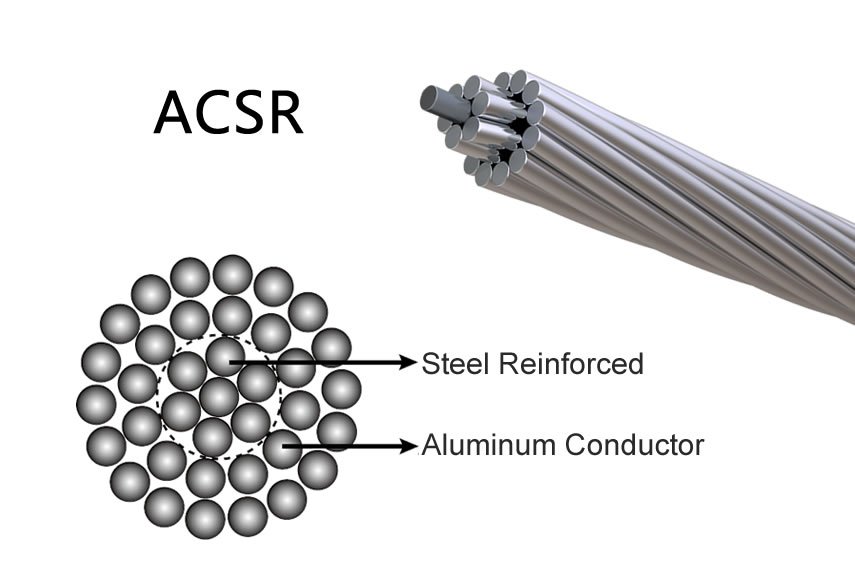
  • Overhead Transmission Conductors — ACSR (Aluminum Conductor Steel Reinforced), AAAC, ACCC, and ACSS for power grids, including major infrastructure projects in the Middle East and globally.
  • Submarine, Offshore & Wind Farm Cables — Robust cores that withstand mechanical and environmental stresses.
  • Sector-Shaped & Profiled Conductors — Pre-spiraled segments for compact, high-fill-factor power cables.
  • Steel Wire Armoring & OPGW — In certain configurations for added mechanical protection or optical fiber composite cables.

Technical Specifications (Typical JLK / Rigid Frame Series – Customizable)

المعلمةTypical Range (Φ630 model example)Notes
Bobbin Configurations6B / 12B / 18B / 24B / 30B+Multi-layer stranding
Single Wire DiameterCopper 1.5–5.0 mm; Aluminum 1.8–6.6 mmDepends on alloy & speed
Max. Cage Rotation Speed150–325 rpm (varies by cage & wire type)Individual motor drive enables higher speeds
Max. Stranded Cross-SectionAluminum up to ~1,400 mm²; Copper ~1,000 mm²Compacted
Lay Length (Pitch)Stepless adjustable, wide rangePLC controlled
Drive SystemIndependent AC motor per cage + capstanNo ground shaft/gearbox – lower maintenance, higher efficiency
Tension ControlPneumatic / electromagnetic + auto compensationConstant tension
LoadingHydraulic / electric side or front auto loaderFast bobbin change
ControlSiemens/equivalent PLC + HMIFull synchronization & safety interlocks

Product Advantages – Why Leading Cable Manufacturers Choose Rigid Stranding Lines

  • جودة موثوقة — Precision-engineered rigid frames, premium components (Siemens PLC, high-grade bearings), and advanced tension systems deliver consistent, high-spec conductors that meet IEC, ASTM, and customer standards.
  • High Productivity & Efficiency — Individual motor drives eliminate traditional gearbox limitations, enabling higher speeds, stepless pitch adjustment, lower energy consumption, and reduced noise.
  • Operational Excellence — Automatic bobbin loading, pre-twist devices, disconnection sensors, and safety systems minimize downtime and protect both operators and product quality.
  • Customization & Technical Solutions — Configurations tailored to your exact cable portfolio (round, sector, Milliken, ACSR, armoring, etc.), plant layout, and capacity requirements. Full line integration with drawing, extrusion, and testing equipment available.
  • Long-Term Partnership Value — Robust construction for decades of service, comprehensive technical support, spare parts availability, and process optimization expertise.

Ready to Optimize Your Conductor Production?

Whether you are expanding capacity for Middle East infrastructure projects, upgrading for higher-spec HV cables, or seeking reliable equipment with strong after-sales support, our rigid stranding solutions deliver measurable performance and ROI.

استفسر الآن — Contact our technical team for a detailed proposal, layout design, or on-site consultation tailored to your production goals.

اترك تعليقاً

لن يتم نشر عنوان بريدك الإلكتروني. الحقول الإلزامية مشار إليها بـ *