Company News, Copper Rod Production, Haberler ve Güncellemeler, Recycling & Scrap Processing, Technical Guides & Knowledge

Bakır Çubukların Kullanım Alanlarını Anlamak

Bakır Çubukların Kullanım Alanlarını Anlamak

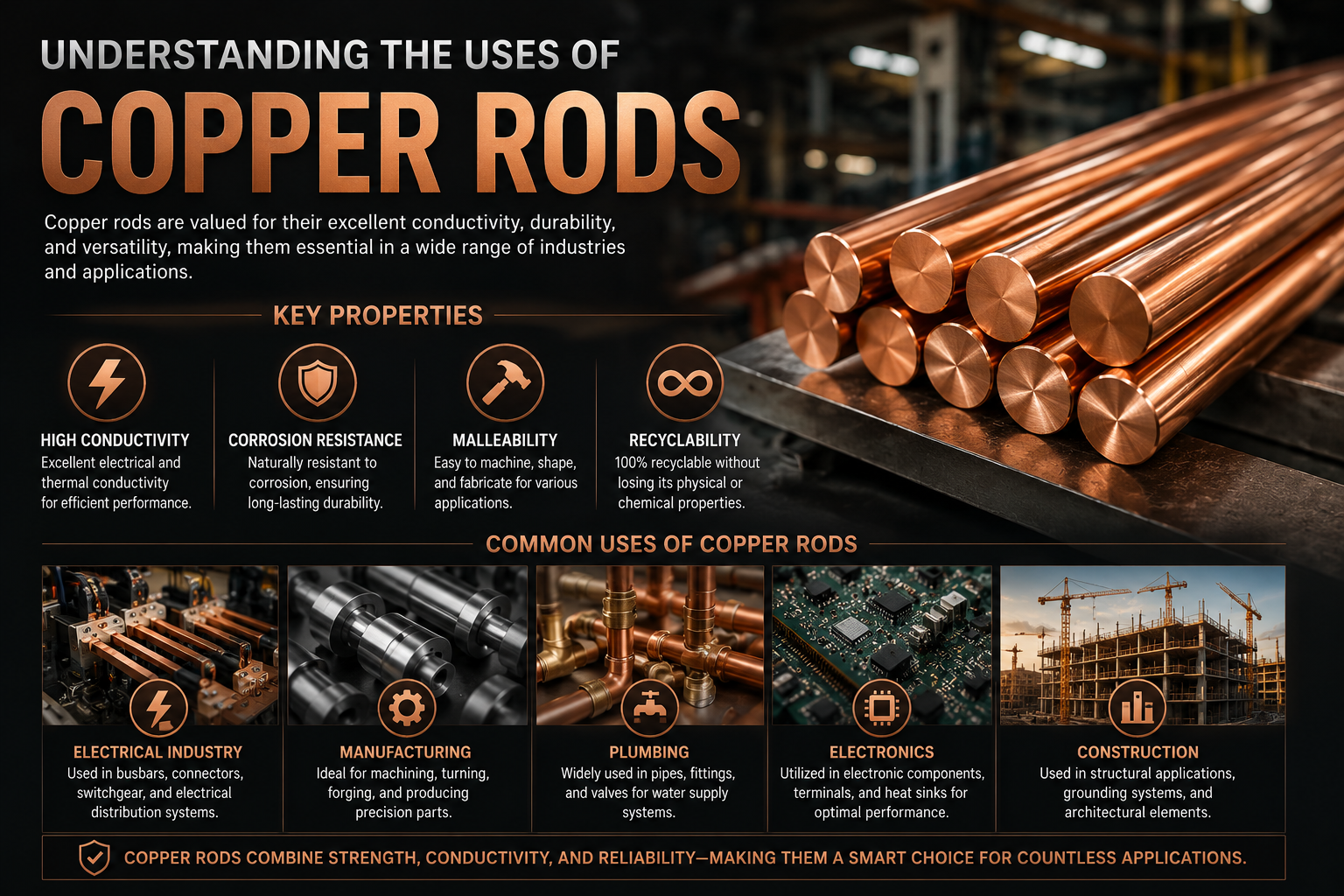
If you look around your home, workplace, or the city streets, you are surrounded by an invisible network of power and communication. At the heart of this modern infrastructure is a highly versatile, resilient, and conductive material: the copper rod.

While it may seem like a simple piece of metal, a copper rod is an engineered marvel. From keeping our electronics cool to protecting our skyscrapers from lightning strikes, these cylindrical metal lengths are the unsung heroes of the modern world.

Whether you are an electrical engineer, a construction professional, or simply a curious homeowner trying to understand the wiring in your basement, this comprehensive guide will walk you through everything you need to know about the manufacturing, properties, and diverse applications of copper rods.

What Exactly is a Copper Rod?

At its core, a copper rod is a solid, cylindrical length of copper. However, not all copper is created equal. The specific composition of the metal dictates its final application.

When engineers select materials for a project, they often have to weigh the benefits of electrolytic tough pitch vs deoxidized copper. Electrolytic Tough Pitch (ETP) copper is the most common type used for electrical applications because it retains a tiny amount of oxygen, which actually helps maintain a high conductivity rate. On the other hand, deoxidized copper has had the oxygen removed by adding phosphorus, making it exceptionally well-suited for welding, brazing, and manufacturing pipes where high heat is involved.

For highly specialized technological applications, manufacturers rely on oxygen-free electronic grades of copper. These top-tier rods contain practically zero oxygen or impurities, ensuring zero signal loss in sensitive audio-visual equipment, vacuum tubes, and advanced medical machinery.

The Making of a Copper Rod

Have you ever wondered how a pile of raw copper ore transforms into a perfectly smooth, continuous rod? The secret lies in a fascinating industrial process.

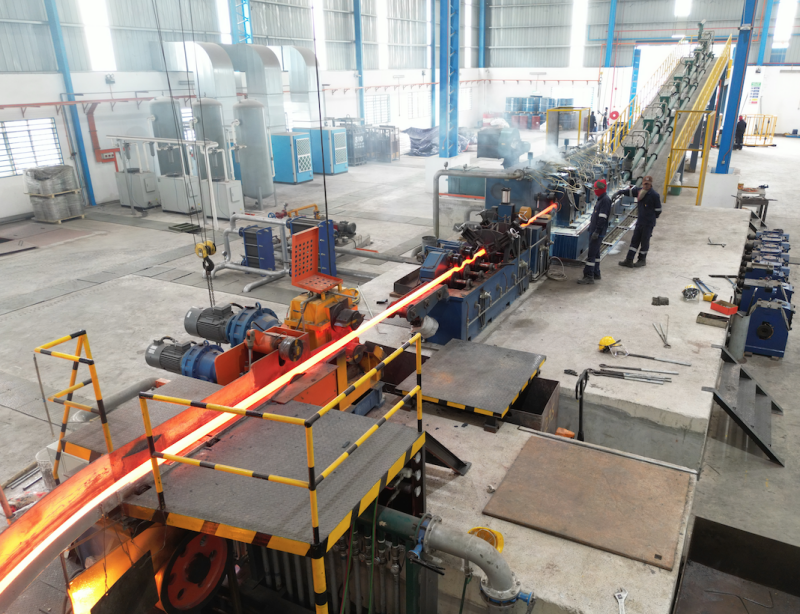
Modern manufacturers rely heavily on specific continuous casting manufacturing steps to produce rods efficiently and with consistent quality. The process generally looks like this:

  1. Melting: Pure copper cathodes (or high-quality recycled copper) are melted in a massive furnace at temperatures exceeding 1,085°C (1,985°F).
  2. Casting: The molten copper is poured into a casting wheel, where it is rapidly cooled using water jets. As it cools, it solidifies into a continuous, thick bar.
  3. Rolling: This glowing hot bar is immediately fed through a series of rolling stands. These heavy rollers compress and stretch the copper, reducing its diameter while increasing its length.
  4. Coiling and Cooling: Finally, the newly formed copper rod is sent through a cooling tube to prevent oxidation before being coiled into massive bundles for shipping or further drawing into fine wires.

Key Properties That Make Copper Exceptional

Copper’s global dominance in the industrial sector is not an accident. It boasts a unique combination of physical and chemical properties that make it incredibly difficult to replace.

Superior Electrical and Thermal Conductance

When it comes to moving electricity from point A to point B, copper is king. It possesses some of the highest electrical conductivity ratings of any non-precious metal.

You will often see debates regarding aluminum vs copper electrical efficiency. While aluminum is cheaper and lighter—making it popular for overhead street lines—copper is roughly 60% more conductive than aluminum. This means a copper rod can carry a significantly higher electrical load in a much smaller physical space, making it the superior choice for tight residential wiring, underground cables, and high-performance motors.

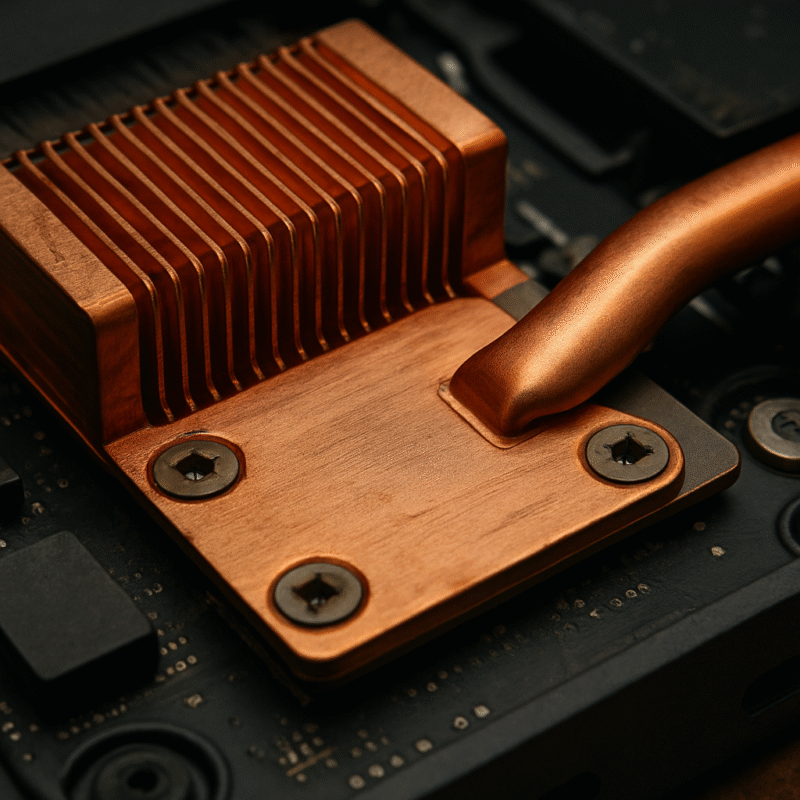
Beyond electricity, copper excels at heat management. The thermal conductivity in electronic components is a critical factor in preventing modern devices from overheating. Copper rods and their derived heat sinks quickly pull heat away from sensitive microchips, ensuring your computers and smartphones run smoothly.

Unyielding Strength and Flexibility

Despite being highly malleable, copper is incredibly tough. When examining the tensile strength of non-ferrous materials, copper stands out. It can withstand intense physical stress, stretching, and bending without fracturing. This flexibility is what allows manufacturers to draw a thick copper rod down into a wire as thin as a human hair without the metal snapping.

Major Applications and Uses

Because of its unique properties, the copper rod is utilized across a vast array of industries. Here is a look at some of its most critical applications.

1. Electrical Grounding and Lightning Safety

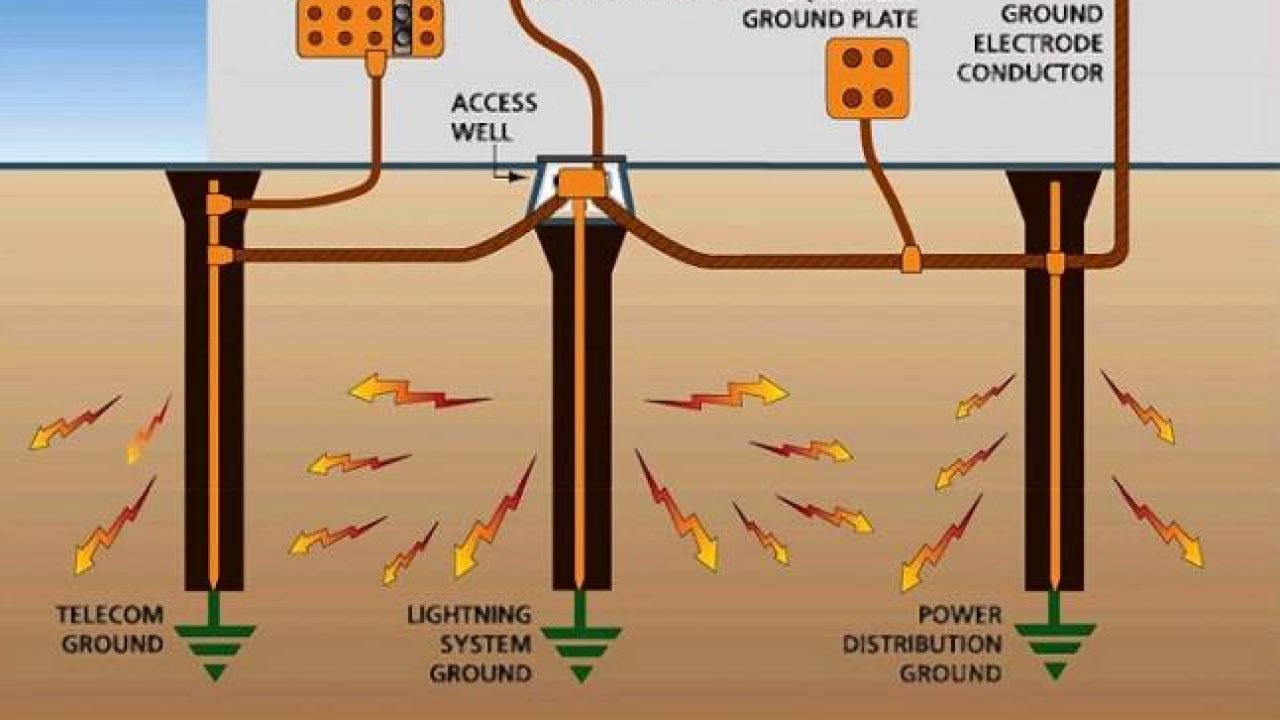
One of the most vital uses for heavy-duty copper rods is in electrical safety systems. If a building is struck by lightning or experiences a severe electrical fault, that stray electricity needs a safe path to enter the earth.

During an industrial grounding electrode installation, contractors drive long, solid copper rods deep into the soil. For heavy commercial or residential grounding, it is standard practice to use a 12-foot solid rod of copper, 1/2 inch in diameter. The length ensures the rod reaches deep, moisture-rich soil to effectively dissipate the electrical charge, while the 1/2-inch thickness provides the structural rigidity needed to be hammered into the earth without bending.

These rods are integral lightning protection system components. When combined with rooftop air terminals (lightning rods) and proper wiring, they protect structures from catastrophic fire and structural damage. When setting up these systems, electricians always consult the standard wire gauges for earthing to ensure the connecting cables can handle massive, sudden surges of voltage.

2. Power Transmission Infrastructure

Before electricity reaches the outlets in your home, it travels across vast distances. Copper rods play a foundational role in building high voltage power transmission infrastructure. They are drawn into the thick cables found in underground power grids and used to construct the internal components of massive transformers and electrical substations. Because copper requires less insulation and less physical space than aluminum to carry the same current, it is the preferred material for complex, densely packed urban power grids.

3. Welding, HVAC, and Joining

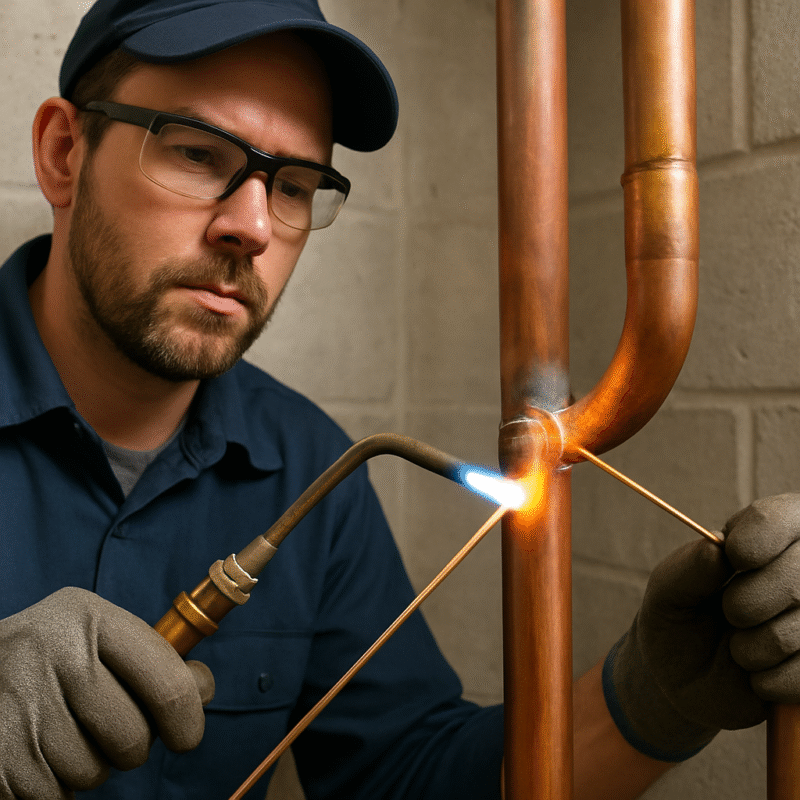
Not all copper rods are used for electricity. A copper brazing rod is a staple tool for plumbers, HVAC technicians, and metalworkers. Brazing involves melting a filler metal (the brazing rod) to join two closely fitted pieces of metal together. Because copper bonds so well with other metals and withstands high pressure and heat, it is the go-to choice for sealing refrigeration lines, air conditioning units, and heavy-duty plumbing pipes.

Maintenance, Purity, and Global Standards

To ensure that a copper rod performs safely and efficiently, it must adhere to strict quality controls.

Meeting International Standards

Whether used for aerospace or residential plumbing, copper materials must meet the ASTM international metal standards. The American Society for Testing and Materials (ASTM) provides specific guidelines on the exact chemical composition, dimensional tolerances, and mechanical properties required for a copper rod to be certified for industrial use.

Verifying Purity

When high-stakes infrastructure is on the line, engineers cannot afford to guess a metal’s quality. Knowing how to test metal purity levels is a vital skill in the industry. Professionals typically use one of three methods:

  • XRF Analyzers: Handheld X-Ray Fluorescence guns that instantly scan the metal and provide a detailed breakdown of its chemical makeup.
  • Conductivity Testing: Because impurities drastically lower copper’s ability to conduct electricity, measuring the rod’s electrical resistance is a quick way to gauge its purity.
  • Chemical Titration: A laboratory test used to determine the exact percentage of copper versus trace elements like iron or sulfur.

Care and Maintenance

While copper is highly resistant to corrosive elements like rust (since it contains no iron), it is susceptible to oxidation. Exposure to oxygen and moisture creates a green patina over time. While this patina actually protects the underlying metal in roofing applications, it ruins electrical connections.

Preventing surface oxidation and tarnish on copper rods before installation is crucial. You can do this by:

  • Storing rods in dry, climate-controlled environments.
  • Handling the metal with gloves to prevent the transfer of corrosive oils from human skin.
  • Applying specialized anti-oxidant joint compounds (like dielectric grease) to the connection points during installation.

The Green Side: Recycling and Value

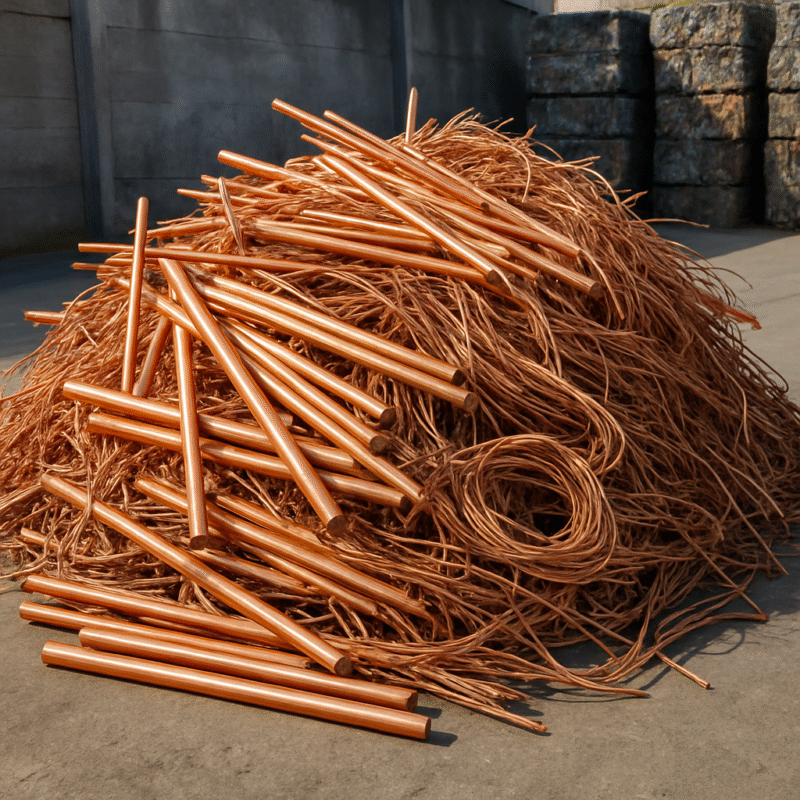
Copper is a highly sustainable material because it is 100% infinitely recyclable. A recycled copper rod retains the exact same physical and chemical properties as a newly mined one.

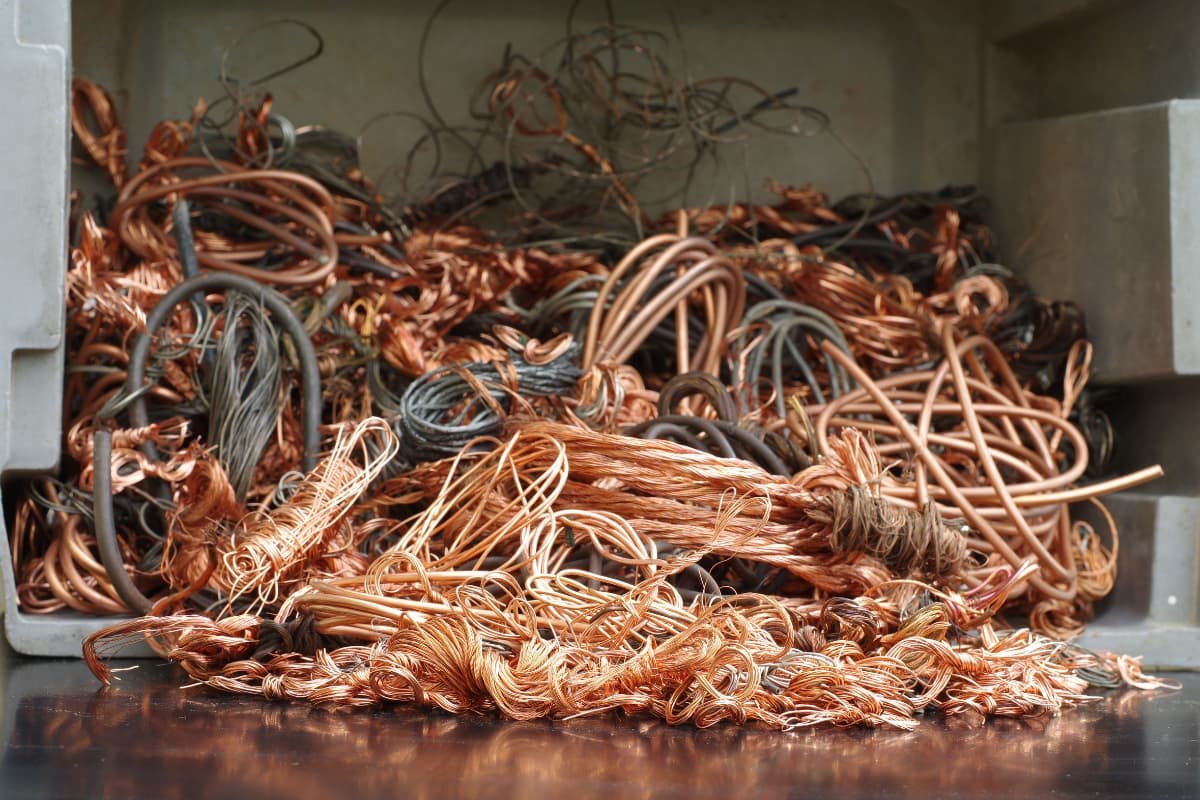
Because of this, copper has immense value in the secondary market. If you are ever involved in demolition or electrical upgrades, understanding metal scrap recycling value factors can be quite lucrative. The value of scrap copper depends heavily on:

  • Grade and Purity: “Bare Bright” copper (uncoated, unalloyed, and shiny) fetches the highest price.
  • Cleanliness: Rods or wires free from insulation, paint, and solder are worth significantly more than those that require processing facilities to strip away contaminants.
  • Current Market Demand: Global infrastructure growth constantly dictates the fluctuating spot price of copper.

Final Thoughts

The copper rod is a foundational pillar of modern human advancement. From the intricate continuous casting manufacturing steps that bring it into existence, to its final resting place deep in the soil as a grounding electrode, this exceptional metal keeps our world safe, powered, and connected.

Whether you are comparing aluminum vs copper electrical efficiency for a new building project, or simply looking to understand the mechanics behind your home’s lightning protection, knowing the capabilities of the copper rod empowers you to make smarter, safer, and more efficient structural decisions.

Need high-quality copper rods for your next project? Consult certified suppliers and always verify compliance with current ASTM and IEC standards.

Bir yanıt yazın

E-posta adresiniz yayınlanmayacak. Gerekli alanlar * ile işaretlenmişlerdir