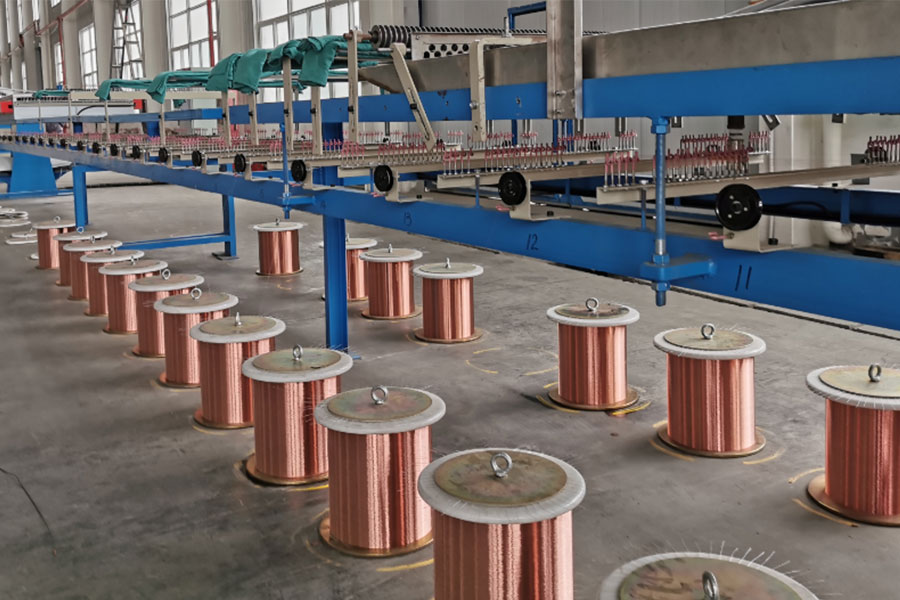
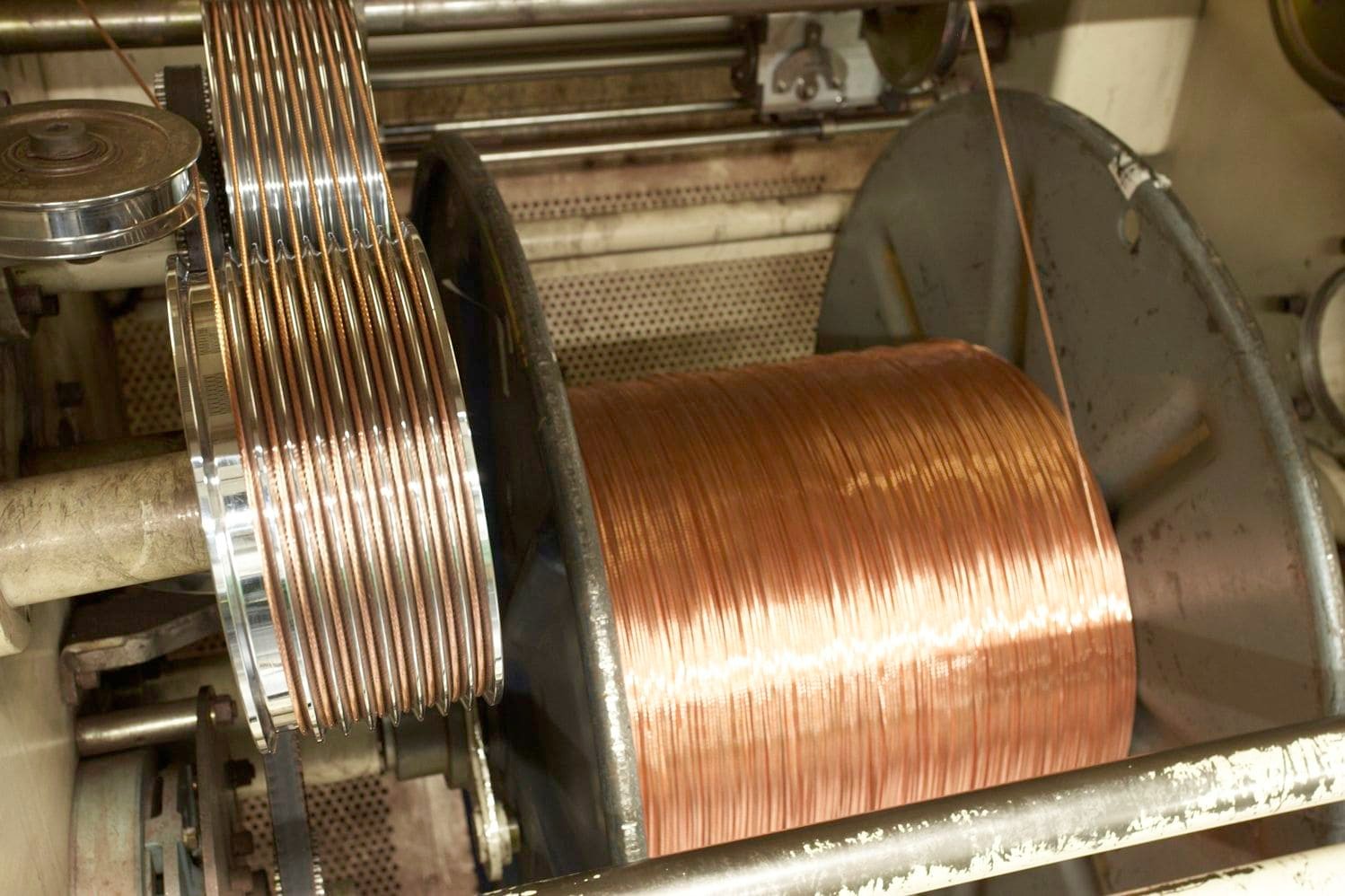
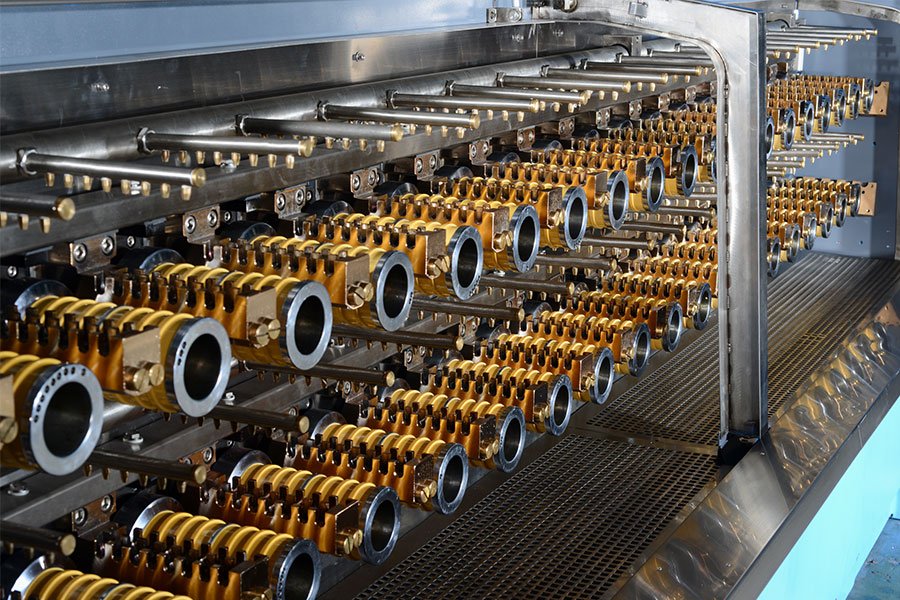
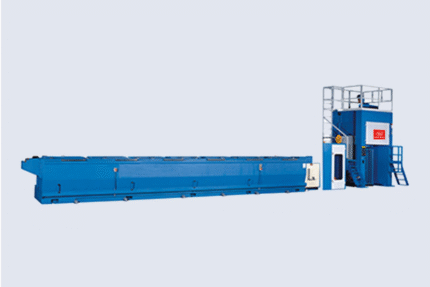
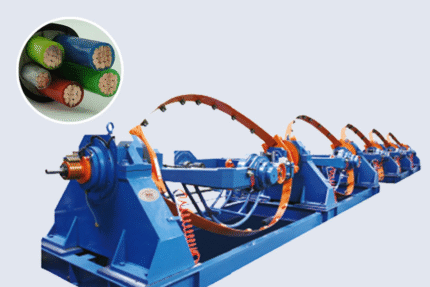
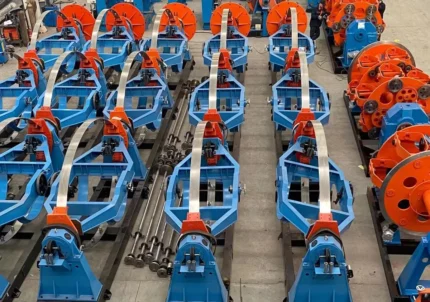
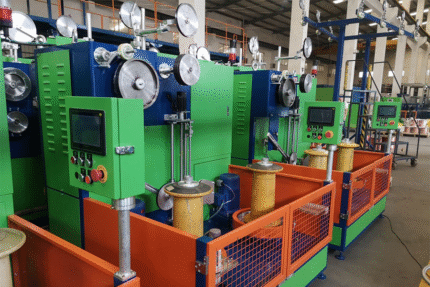
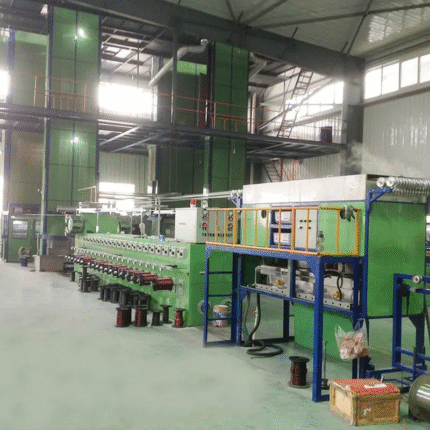
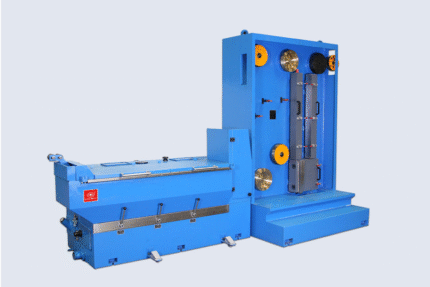
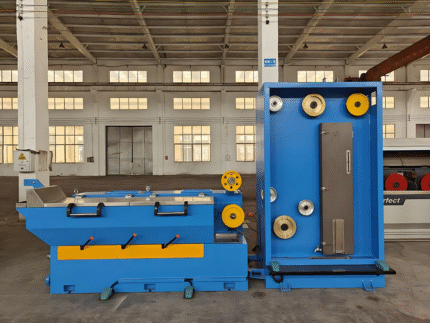
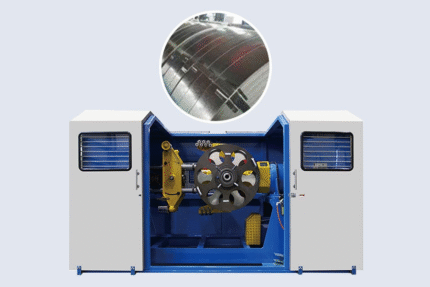
في إنتاج أسلاك نحاسية دقيقة عالية الأداء للإلكترونيات، وضفائر السيارات، والكابلات المتخصصة، فإن التشغيل الدقيق ثم الطلاء بالقصدير بالغمس الساخن المتجانس ضروري لتحقيق لحام ممتاز، ومقاومة للتآكل، وموصلية طويلة الأمد. آلة إعادة تلدين وتغطيس الأسلاك النحاسية RLB (الموديل RLE-40H) هو خط متعدد الأسلاك مدمج وعالي الكفاءة مصمم خصيصًا لتنعيم وتغليف الأسلاك النحاسية فائقة الدقة التي يتراوح قطرها من 0.1 مم إلى 0.4 مم في عملية واحدة مستمرة.
مع القدرة على معالجة ما يصل إلى 40 سلكًا في وقت واحد بسرعات تصل إلى 5 م/ث، توفر هذه الآلة طلاءات قصدير ساطعة ومتسقة مع تقليل كبير في تكاليف العمالة والطاقة مقارنة بطرق التلدين والطلاء الدفعي التقليدية.
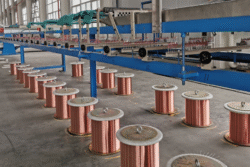
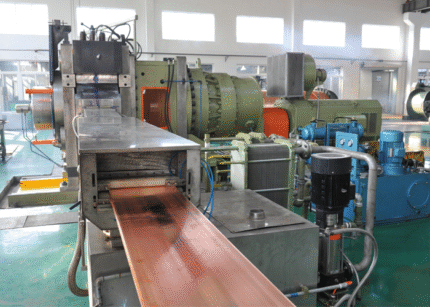
مصمم للإنتاج بكميات كبيرة للأسلاك الإلكترونية الدقيقة، وأحزمة السيارات، والكابلات المتخصصة، يدمج جهاز RLE-40H عملية التلدين الأنبوبي الكهربائي مع حمام قصدير مصهور عالي السعة (بحد أقصى 300 كجم) في خطوة واحدة متكاملة. يحل محل عمليات التلدين الدفعي التقليدية وعمليات الطلاء بالقصدير المنفصلة، مما يقلل بشكل كبير من العمالة، واستهلاك الطاقة، وهدر المواد مع ضمان سماكة طلاء متسقة وجودة سطح فائقة.
What process sequence and temperature controls ensure uniform annealing and tin coating on copper wire?
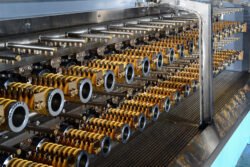
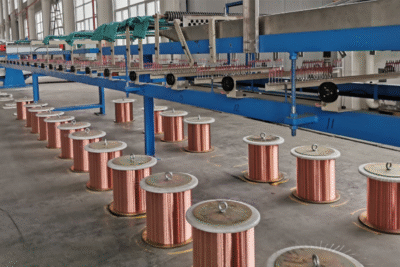
Continuous tube-type annealing followed by hot-dip tinning restores ductility after cold drawing and deposits a protective tin layer. Hard copper wire is paid off under constant tension, passes through multi-zone tubular annealing furnaces (typically 5–9 m long, 400–800 °C, commonly 500–700 °C), is protected by water seal, steam or nitrogen to prevent oxidation, dried, immersed in a molten tin bath (250–270 °C or controlled higher), wiped by precision dies or air knives to set coating thickness (10–60 μm), cooled, and taken up on torque-motor or servo spools.
The annealing step recrystallizes the copper microstructure, reducing residual stress and raising elongation while restoring conductivity. Water-seal or vapor protection at the furnace exit eliminates black-wire defects caused by intermittent oxygen exposure. Dual tin pots allow simultaneous production of different coating thicknesses or product grades on the same line.
How do continuous multi-wire annealing-tinning lines compare with separate batch annealing plus offline tinning?
| المعلمة | Continuous Multi-Wire Annealing + Tinning | Separate Batch Annealing + Offline Tinning |
|---|
| Throughput | 20–60 wires simultaneously, ≤300 m/min | Single or few wires, lower overall output |
| Coating uniformity | ± controlled 10–60 μm via dies/air knife | Variable, higher risk of bare spots |
| Oxidation risk | Low (water seal / N₂ / steam protection) | Higher during intermediate handling |
| Floor space & labor | Compact integrated line, lower labor | Multiple machines, higher handling |
| Energy efficiency | Multi-zone electric heating, optimized | Separate furnaces, higher total consumption |
| Typical power | 49–85 kW | Higher combined |
Continuous lines reduce intermediate oxidation, improve coating adhesion through immediate tinning of the activated surface, and deliver consistent mechanical and electrical properties required by ASTM B33 continuity-of-coating tests (hydrochloric acid–sodium polysulfide method).
Which technical parameters define a high-performance copper wire annealing and tinning machine for cable production?
Representative specifications drawn from current industrial equipment
| المعلمة | Typical Range | Notes |
|---|
| Wire diameter | 0.08–0.32 mm (up to 0.05–0.65 mm) | Fine-wire models reach 0.016 mm |
| Number of production heads | 20 / 40 / 60 | Parallel processing |
| Max. line speed | 300 m/min | Adjusted by diameter |
| Annealing furnace length | 5–9 m (common 6–7.5 m) | Multi-zone control |
| Annealing temperature | 400–800 °C (typical 500–700 °C) | Water seal / N₂ / steam protection |
| Tinning method | Single or dual hot-dip pot + die wipe | Tin purity ≥99 % |
| Coating thickness | 10–60 μm | Precision control |
| Take-up | Torque motor / servo, PT10–PT25 or 630 | Constant tension |
| Total installed power | 49–85 kW | Heating dominant |
| Machine length | ≈20–25 m | Compact footprint |
These parameters support high-volume production of soft tinned copper wire for stranding into flexible conductors.
مزايا التصميم المتقدم والعمليات
- التلدين المستمر المتكامل + الدلفنة بالقصدير بالغمس الساخنتخضع الأسلاك أولاً لتسخين كهربائي دقيق في فرن أنبوبي متعدد المناطق لإجراء عملية تلدين موحد، ثم تدخل مباشرة إلى حمام قصدير مصهور ثابت. تضمن قوالب المسح المتقدمة والتصميم مزدوج الخزان (اختياري) طبقات قصدير ناعمة ومتماسكة مع الحد الأدنى من تباين السماكة (عادة 1-5 ميكرومتر).
- قدرة أسلاك متعددة عالية السرعةالمعالجة المتزامنة لـ 40 سلكًا تزيد الإنتاجية القصوى لتطبيقات المقاييس الدقيقة، مما يحقق إنتاجية رائدة في الصناعة دون المساس بالجودة.
- تحكم دقيق في درجة الحرارة والطلاء: يحافظ التسخين الكهربائي اللحظي مع تحكم PID على درجات حرارة المثالية للتشغيل والمعادن المصهورة (250-300 درجة مئوية)، مما يمنع الأكسدة ويضمن طلاء قصدير لامعًا ومتجانسًا مع قابلية لحام ممتازة.
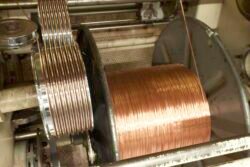
- مناولة بكرات قوية ومرنةمتوافق مع بكرات التغذية بقطر 300-630 مم والبكرات الملتقطة PT-4 إلى PT-15، مما يدعم التغييرات السريعة وعمليات الإنتاج الكبيرة.
- تصميم موفر للطاقة وقليل الصيانة: يوفر التسخين الكهربائي توفيراً فائقاً للطاقة وسهولة في ضبط درجة الحرارة مقارنة بالأنظمة التي تعمل بالغاز. يضمن البناء المتين وهندسة RLB المثبتة التشغيل الموثوق به على مدار الساعة طوال أيام الأسبوع مع الحد الأدنى من وقت التوقف.
- بصمة مدمجةتصميم موفر للمساحة مثالي لمصانع الكابلات الحديثة التي تسعى إلى أقصى إنتاج في منطقة أرضية محدودة.
النتيجة هي سلك نحاسي مطلي بالقصدير، لامع وخالٍ من العيوب، يفي بالمعايير الصارمة لمجلس IEC، و RoHS، ومعايير السيارات للإلكترونيات والاتصالات وأحزمة الأسلاك عالية الموثوقية.
المواصفات الفنية (RLE-40H)
| المعلمة | مواصفة |
|---|
| قطر سلك المدخل | 0.1 – 0.4 ملم |
| الحد الأقصى لعدد الأسلاك | 40 |
| حجم بكرة الخيط | 300 – 630 ملم |
| حجم بكرة الاستلام | PT-4 – PT-15 |
| سعة تخزين القصدير المنصهر | 300 كجم كحد أقصى |
| أقصى سرعة خط | 5 م/ث (300 م/د) |
| طريقة التسخين | تسخين كهربائي (أنبوبي متعدد المناطق) |
| طريقة التقسية | التلدين الأنبوبي المستمر |
| طريقة القصدير | الغمر الساخن مع المسح الدقيق |
تتوفر تكوينات مخصصة لعدد قليل من الأسلاك ، وسرعات أعلى ، أو سبائك متخصصة عند الطلب.
What standards and 2024–2026 performance data govern tinned annealed copper wire quality?
ASTM B33 remains the primary specification for tinned soft or annealed copper wire for electrical purposes. It requires commercially pure tin (other elements exclusive of copper ≤1 %), continuous coating verified by the hydrochloric acid–sodium polysulfide test, and defined elongation and resistivity limits. Related documents cover nominal diameters (ASTM B258) and resistivity measurement (ASTM B193).
Industry data confirm that properly controlled continuous lines achieve coating uniformity within the 10–60 μm window, elongation values suitable for subsequent stranding, and surface brightness free of dross or bare spots when bath temperature, immersion time, and wipe pressure are maintained. Steam or nitrogen protection eliminates the black-wire defect previously common on intermittent stops.
What practical failure modes occur on annealing-tinning lines and how are they prevented?
- Black or oxidized wire segments: caused by oxygen ingress during furnace dwell or stoppages; prevented by continuous water-seal, steam, or nitrogen atmospheres and interlocked speed control.
- Uneven or insufficient tin coating: results from incorrect bath temperature, dirty dies, or fluctuating tension; controlled by dual-pot designs, automatic temperature regulation, and precision die wiping.
- Wire breaks or diameter variation: arise from improper annealing temperature (too low leaves residual hardness; too high causes grain growth or fusion) or tension spikes; multi-zone furnaces and closed-loop torque take-up eliminate these.
- Reduced solderability after storage: caused by excessive intermetallic growth or surface oxidation; minimized by controlled coating thickness and proper packaging of finished spools.
Routine bath analysis for tin purity, regular die inspection, and real-time temperature logging keep scrap rates low and coating continuity high.
Key Takeaways for Reliable Long-Term Production of Tinned Copper Wire
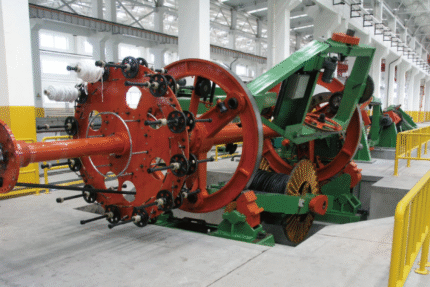
A well-engineered continuous copper wire annealing and tinning machine integrates multi-zone tube annealing under protective atmosphere with precision hot-dip tinning to deliver soft, oxidation-resistant, solderable conductors at high throughput. Lines processing 40–60 wires at up to 300 m/min with 10–60 μm coatings meet ASTM B33 requirements and support cable, automotive, and electronic applications. Water-seal or nitrogen protection, dual tin pots, and closed-loop tension control are the current engineering solutions that minimize oxidation defects and ensure consistent coating quality.
استفسر الآن for detailed technical proposals, layout drawings, and customized configurations matching your wire-diameter range, head count, and coating specifications.
Copper Wire Annealing and Tinning Machine - Doing cable
High-speed continuous copper wire annealing and tinning machine: 20–60 heads, 0.08–0.32 mm, 300 m/min, precision 10–60 μm hot-dip tin, ASTM B33. Inquiry Now for custom specs.
رمز تعريف SKU للمنتج.:
RLB RLE-40H
العلامة التجارية للمنتج:
شركة آر إل بي للآلات
عملة المنتج:
دولار أمريكي
سعر المنتج:
Contact for factory price
المنتج متوفر في المخزون:
في الأوراق المالية








المراجعات
لا توجد مراجعات بعد.