Non classé

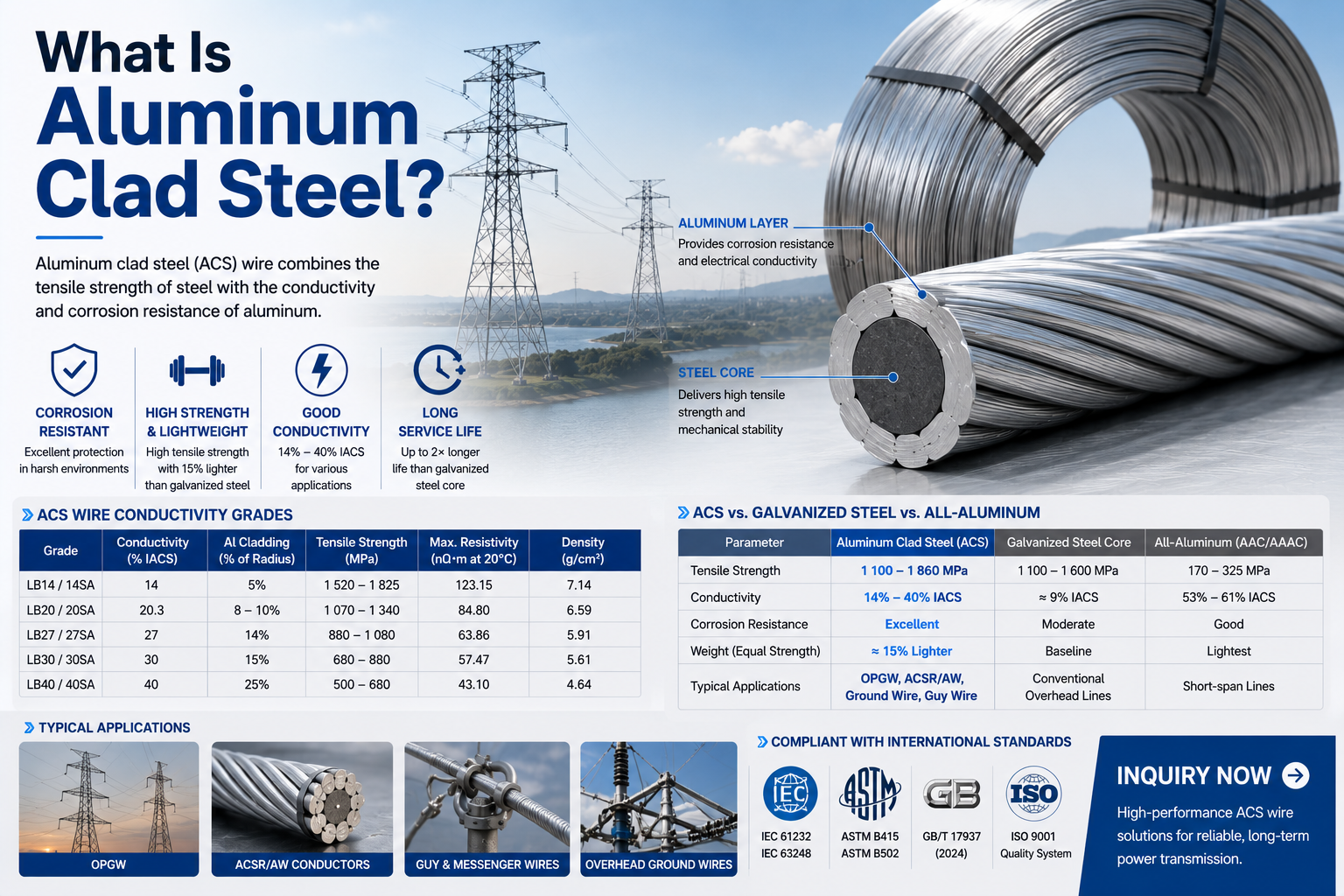
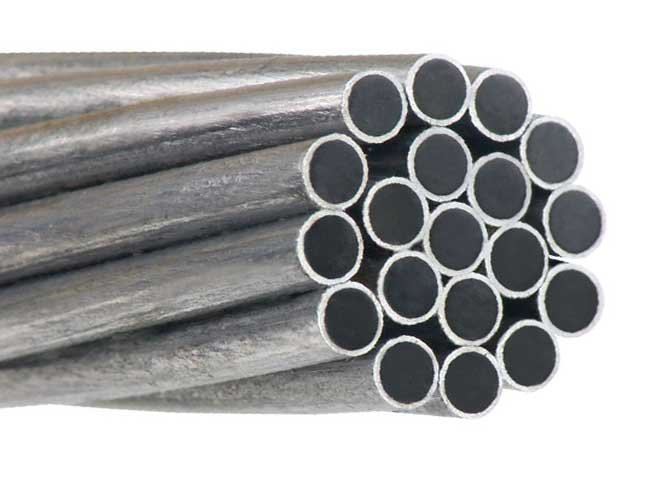
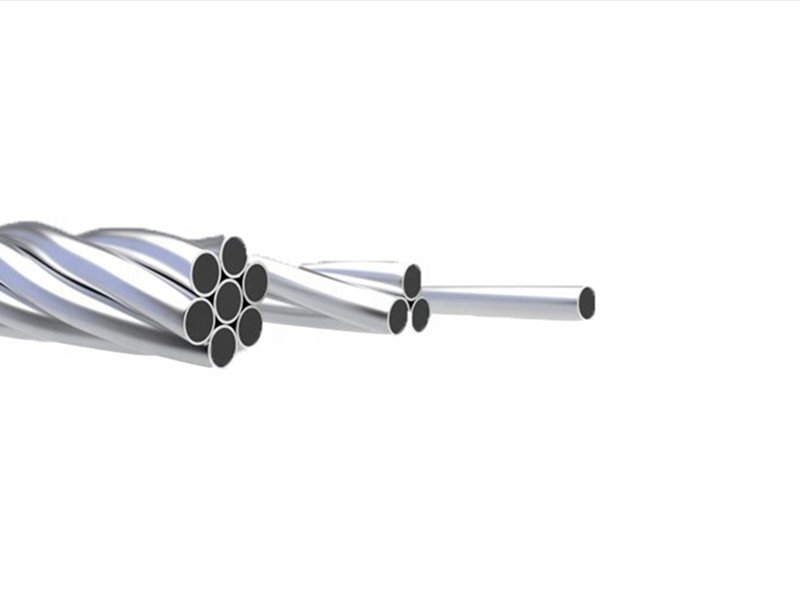
L'acier plaqué aluminium est un type de matériau composite composé d'un noyau en acier auquel est appliquée une couche d'aluminium.

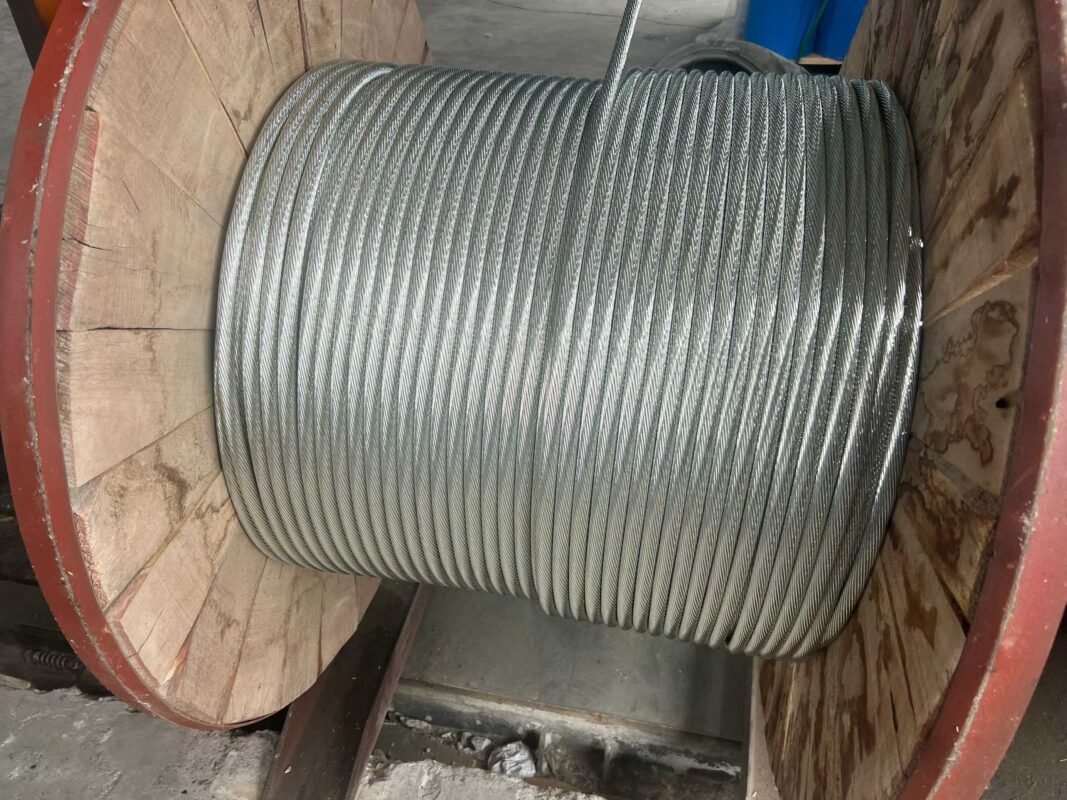
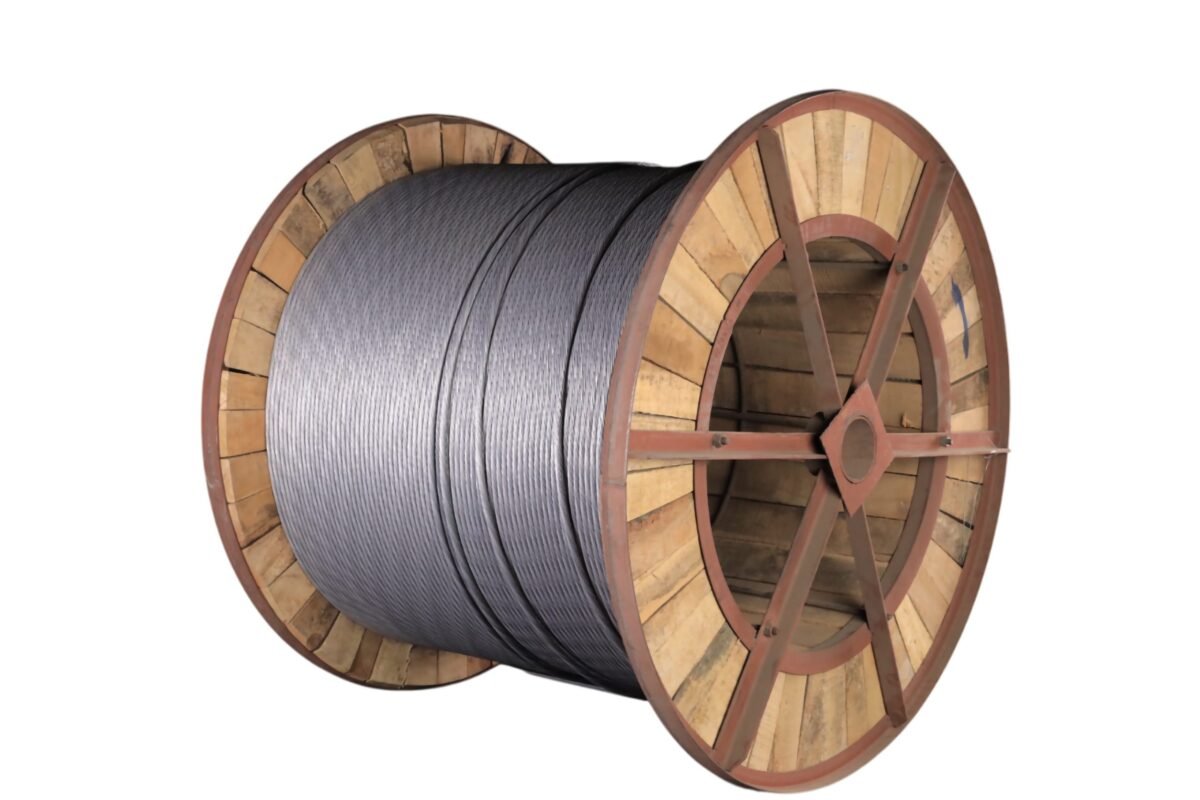
Fil d'acier gainé d'aluminium

In coastal high-salt-fog zones, industrial pollution corridors, and high-humidity environments, conventional galvanized steel-core aluminum conductors (ACSR) frequently suffer progressive galvanic corrosion of the steel core. This leads to loss of tensile strength, strand breakage, and ultimately transmission-line failures. Aluminum-clad steel wire (ACS, also designated AS or AW) eliminates this fundamental weakness through a metallurgically bonded aluminum layer, establishing itself as the preferred high-reliability strength member for overhead transmission, Optical Ground Wire (OPGW), and grounding applications.

Aluminum-clad steel wire consists of a high-strength steel core (carbon steel or Invar) continuously and uniformly clad with high-purity electrical-grade aluminum by continuous extrusion or powder-metallurgy compaction followed by simultaneous drawing. The process creates an approximately 8 µm thick intermetallic diffusion zone that permanently bonds the aluminum cladding to the steel. Cladding thickness is controlled between 5 % and 25 % of the nominal wire radius, producing conductivity grades from 14 % to 40 % IACS while retaining steel tensile strengths of 1 100–1 860 MPa. Density ranges from 4.64 g cm⁻³ to 6.59 g cm⁻³—noticeably lower than equivalent-strength galvanized steel—resulting in lighter conductors, reduced tower loading, and lower sag.

What Exactly Is Aluminum-Clad Steel Wire and How Does It Combine Steel Strength with Aluminum Conductivity and Corrosion Resistance?

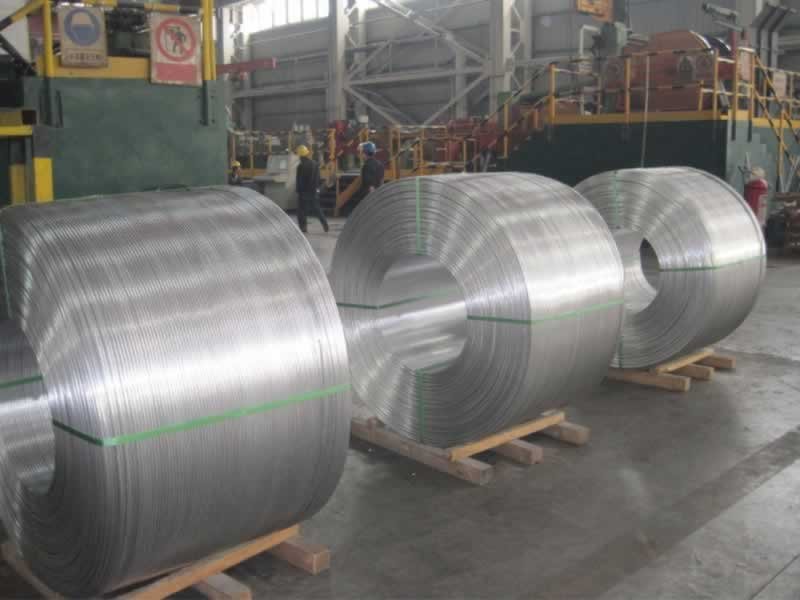
Aluminum-clad steel is a true bimetallic composite, not a coated product. High-carbon steel rod is cleaned, preheated, and clad with molten or semi-solid 99.5–99.95 % pure aluminum under controlled pressure and temperature. Subsequent multi-pass drawing reduces diameter while preserving the aluminum-to-steel cross-sectional ratio. The resulting metallurgical bond prevents interfacial separation even under severe torsion (minimum 60 turns without cladding detachment per IEC 61232 and GB/T 17937-2024).

The aluminum cladding simultaneously:

  • Provides a continuous corrosion barrier equivalent to EC-grade aluminum,
  • Adds measurable electrical conductivity (far above the ≈9 % IACS of bare steel),
  • Ensures electrochemical compatibility with surrounding aluminum strands, eliminating galvanic couples that destroy conventional ACSR cores in marine and industrial atmospheres.

Service experience and accelerated testing confirm that ACS cores typically double the corrosion-limited life of galvanized steel cores in salt-fog environments.

What Are the Key Technical Parameters and Conductivity Grades of Aluminum-Clad Steel Wire?

International standards (IEC 61232 / IEC 63248, ASTM B415 / B502, and the 2024 revision of GB/T 17937) define the following principal grades:

GradeConductivité (% IACS)Min. Al cladding (% of radius)Typical tensile strength (MPa)Max. resistivity at 20 °C (nΩ·m)Nominal density (g cm⁻³)
LB14 / 14SA145 %1 520–1 825123.15≈7.14
LB20 / 20SA20.38–10 %1 070–1 34084.806.59
LB27 / 27SA2714 %880–1 08063.865.91
LB30 / 30SA3015 %680–88057.475.61
LB40 / 40SA4025 %500–68043.104.64

Additional physical constants (20SA grade example):

  • Modulus of elasticity ≈ 162 GPa
  • Coefficient of linear expansion ≈ 12.6 × 10⁻⁶ K⁻¹
  • Temperature coefficient of resistance ≈ 0.0036 K⁻¹ Diameter range typically 1.75–5.50 mm. Elongation at fracture ≥ 1.5 % (250 mm gauge).

GB/T 17937-2024, published April 2024 and implemented November 2024, added the LB25 grade and aluminum-clad Invar grades (LBY10 / LBY14) specifically for high-temperature low-sag applications.

How Does Aluminum-Clad Steel Compare with Galvanized Steel Cores and All-Aluminum Conductors?

ParamètreAluminum-Clad Steel (ACS)Galvanized Steel Core (ACSR)All-Aluminum / Alloy (AAC/AAAC)
Tensile strength1 100–1 860 MPa1 100–1 600 MPa170–325 MPa
Effective conductivity14–40 % IACS≈9 % IACS53–61 % IACS
Corrosion resistance (salt fog)Excellent; life typically doubledModerate; galvanic attack commonGood but low strength
Weight (equal strength)≈15 % lighter than galvanized steelBaselineLightest but requires larger section
Compatibilité avec les brins d'aluminiumComplete; no galvanic coupleGalvanic risk presentComplete
Continuous operating temperatureUp to 150–300 °C (design dependent)Typically ≤ 100–180 °CLimited by creep
Primary applicationsOPGW, ACSR/AW, ground wire, guy wireConventional overhead linesAAC/AAAC short-span lines

Quantitative benefits measured on completed conductors: ACSR/AW designs are approximately 5 % lighter, carry 2–3 % more current, and reduce I²R losses by 4–6 % compared with equivalent ACSR constructions.

What Is the Selection Logic for Aluminum-Clad Steel in OPGW, ACSR/AW and Related Cable Constructions?

Selection is driven by four engineering variables: environmental corrosivity, span length / tension, thermal rating, and total installed cost.

  • Severe corrosion (coastal, industrial, island, high-salt-fog): specify 20.3 % IACS or higher cladding ratios. Virtually all modern OPGW designs employ ACS for both the central strength member and outer layers to guarantee simultaneous mechanical and optical lifetime.
  • Long-span / high-tension corridors: choose high-strength grades (LB14 or LB20 Type A/B) to minimize sag and tower loading.
  • High-temperature low-sag (HTLS) upgrades: aluminum-clad Invar (LBY series) or ACS cores inside ACSS conductors allow continuous operation to 250–300 °C while controlling sag.
  • Inland moderate environments: 20.3 % IACS grade provides the optimum cost-performance balance.

Market data for 2024–2032 indicate a compound annual growth rate of approximately 5.19 % for ACS wire, with overhead transmission lines and OPGW together accounting for nearly 88 % of global demand. Utilities increasingly specify ACS cores as the default solution wherever corrosion or long-term reliability is a design constraint.

Which International and National Standards Govern Aluminum-Clad Steel Wire?

  • IEC 61232 (superseded in part by IEC 63248:2022): defines conductivity classes 20SA–40SA, cladding thickness, tensile, torsion, and resistivity requirements.
  • GB/T 17937-2024: Chinese national standard (April 2024) adding LB25 and aluminum-clad Invar grades, tightening diameter tolerances (±1.5 % for diameters ≥ 2.67 mm), and mandating 60-turn torsion testing without cladding separation.
  • ASTM B415 (hard-drawn ACS wire for general electrical use) and ASTM B502 (ACS core wire for ACSR/AW).
  • Complementary strand standards: ASTM B416, IEC 61089, YB/T 124.

Procurement specifications must require full type-test reports covering cladding thickness uniformity, bond integrity, and residual stress after stranding.

What Are the Principal Failure Modes of Aluminum-Clad Steel and How Are They Prevented?

Documented failure modes include:

  1. Local cladding thinning or steel exposure caused by non-concentric extrusion or subsequent drawing damage—accelerates localized corrosion.
  2. Interface micro-cracking under long-term aeolian vibration or fretting fatigue; cracks initiate preferentially in the softer aluminum near the bond line.
  3. Surface defects (scratches, residual roughness) that act as preferential sites for chloride-induced pitting → intergranular attack → delamination.
  4. Installation damage—excessive bending radii, sheave abrasion, or clamp crushing that breaches the aluminum barrier.

Mitigation measures proven in service:

  • Strict process control of cladding concentricity and minimum thickness,
  • Surface-finish requirements that eliminate longitudinal scratches,
  • Minimum bending radii and controlled stringing tensions during installation,
  • Preferential use of higher cladding ratios or Mn-modified aluminum alloys in extreme marine environments,
  • Condition-based inspection focusing on quarter-span and clamp locations (known high-stress zones).

When these controls are applied, ACS conductors routinely achieve service lives exceeding 30–40 years even in aggressive atmospheres.

Principales applications

  • Core wire and strand for ACSR/AW (Aluminum Conductor Aluminum-clad Steel Reinforced)
  • Strength member and outer layers of OPGW (Optical Fiber Composite Overhead Ground Wire)
  • Overhead ground / shield / static wires
  • Messenger wires, guy wires, and formed-wire hardware
  • Long-span transmission lines, river crossings, and coastal/island installations
  • Extra-high-voltage (EHV) lines in corrosive environments

Historical Context

Aluminum Clad Steel was developed in the late 1950s–1960s by Copperweld Steel Company under the trade name Alumoweld. The goal was to create a strength member that combined the mechanical properties of steel with the corrosion resistance and electrical compatibility of aluminum, solving the limitations of galvanized cores in aluminum-based conductors. Continuous extrusion and powder-metallurgy cladding methods were refined to achieve a reliable metallurgical bond without brittle intermetallic compounds.

Key Takeaways

Aluminum-clad steel wire permanently unites the tensile strength of steel with the conductivity and corrosion resistance of aluminum through a metallurgical bond. Conductivity is tunable from 14 % to 40 % IACS, tensile strength reaches 1 860 MPa, and the material is fully compatible with aluminum outer strands. It is the engineered solution of choice for OPGW, ACSR/AW, coastal transmission lines, and any application where galvanized cores have historically limited reliability. Compliance with IEC 61232, GB/T 17937-2024, and ASTM B502, combined with rigorous process and installation controls, delivers the long-term, low-maintenance performance demanded by modern power grids.

Demande d'informations for project-specific ACS wire grades, type-test documentation, and long-term supply agreements tailored to your transmission or OPGW requirements.

Laisser un commentaire

Votre adresse e-mail ne sera pas publiée. Les champs obligatoires sont indiqués avec *