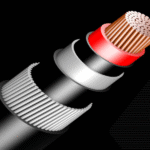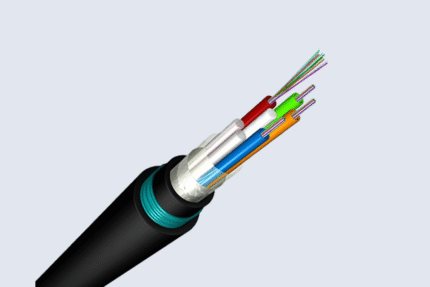
RLB supplies specialized materials and components for optical cable manufacturing, ensuring excellent fiber protection, low attenuation and long-term reliability in telecom and data infrastructure projects. Our optical cable solutions are widely used in communication networks and high-speed data transmission systems. Custom specifications and technical support available.

كابل هوائي ذاتي الدعم مصنوع بالكامل من مواد عازلة (ADSS)

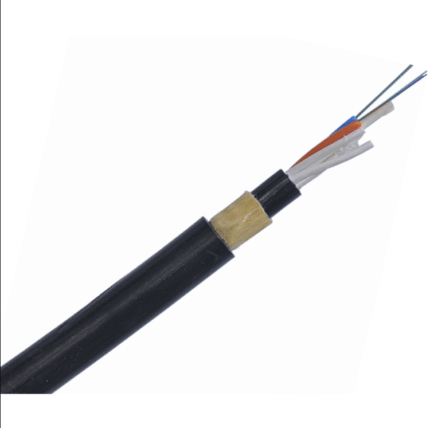
All Dielectric Self-Supporting Aerial Cable (ADSS Cable), also known as ADSS Fiber Optic Cable, is a fully non-metallic, self-supporting aerial fiber optic cable designed specifically for installation on high-voltage transmission lines. With no conductive components, ADSS eliminates the need for grounding or additional messenger wires, making it the preferred choice for utilities seeking safe, cost-effective, and high-performance communication infrastructure in electrified environments.

سلك أرضي من الألياف الضوئية (OPGW)

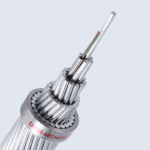
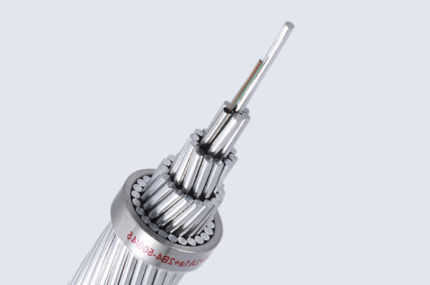
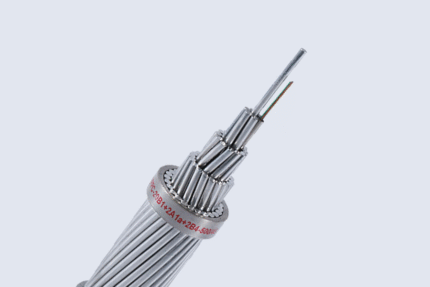
Fiber Optical Ground Wire (OPGW Cable), also known as Optical Ground Wire, is a high-performance composite cable that integrates the traditional functions of an overhead ground wire with advanced optical fiber communication. It delivers reliable lightning protection and short-circuit current carrying capacity while enabling high-speed, interference-free data transmission — making it the ideal choice for smart grid upgrades and high-voltage transmission line projects.

موصل الطور البصري (OPPC)

In modern power distribution networks, especially urban grids and rural electrification projects operating at 110 kV and below, utilities need reliable electricity delivery together with high-capacity, low-latency communication for smart metering, SCADA, fault detection, and grid automation.

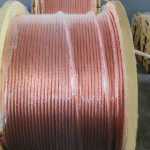
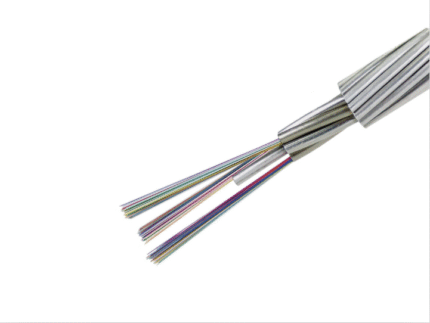
The Optical Phase Conductor (OPPC) from China offers an innovative, cost-effective solution: a single conductor that functions as both a fully operational phase wire and a high-performance optical communication link. By embedding protected optical fibers directly into the phase conductor, OPPC eliminates the need for separate cables, additional poles, or complex installations — dramatically reducing costs and simplifying deployment.