Base de connaissances produit, Guides techniques et connaissances

À quoi sert le conducteur ACSR ?

What is ACSR Conductor Used For

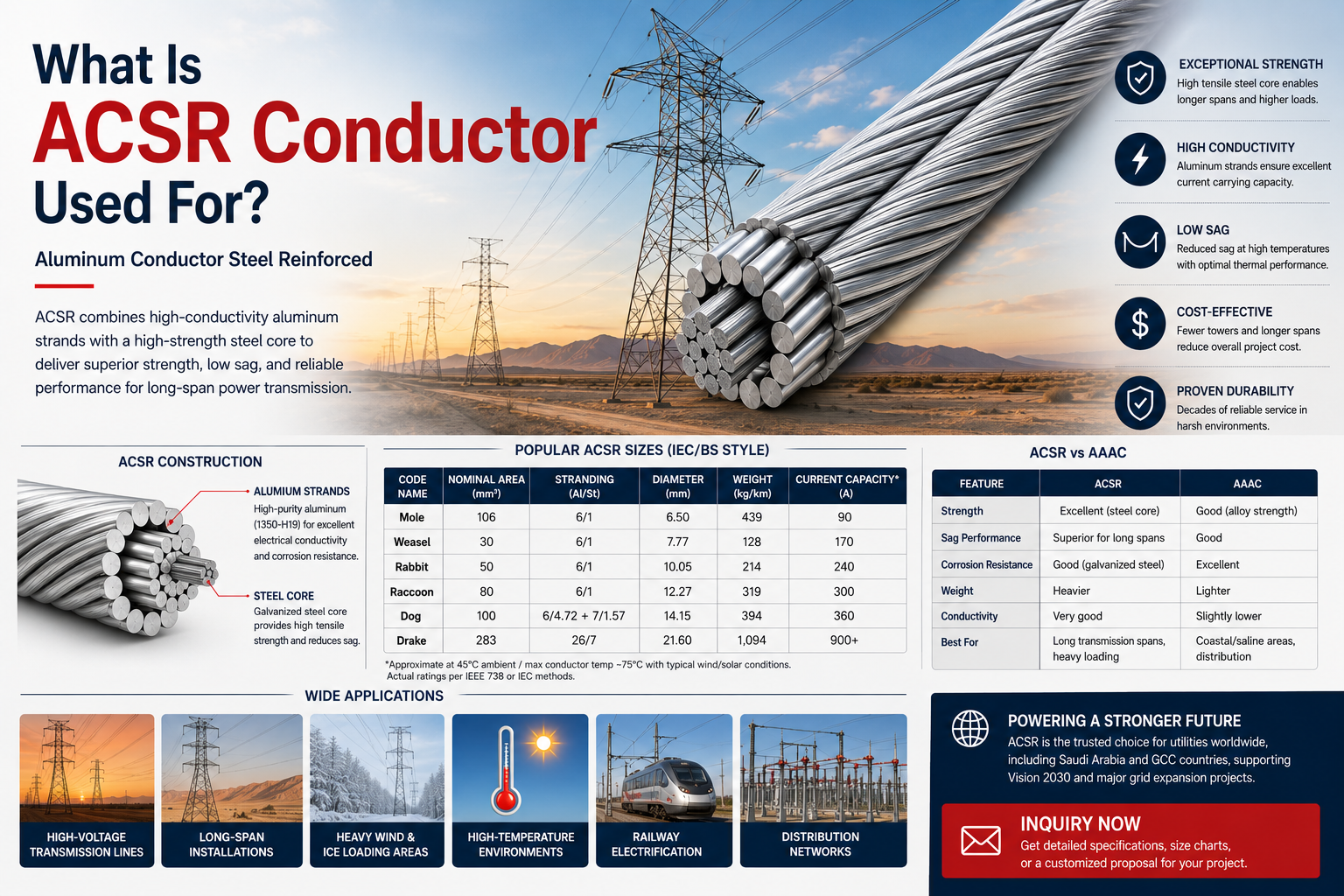
ACSR stands for Aluminum Conductor Steel Reinforced (or Aluminium Conductor Steel Reinforced in British English).

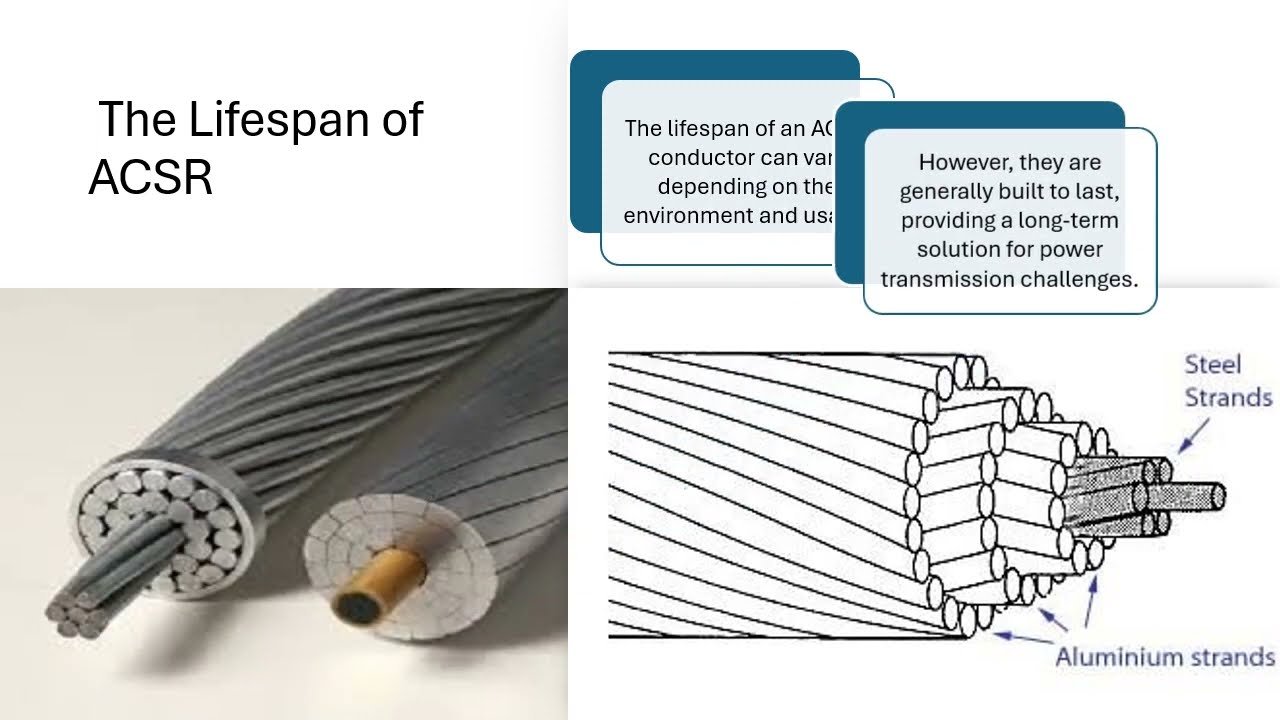
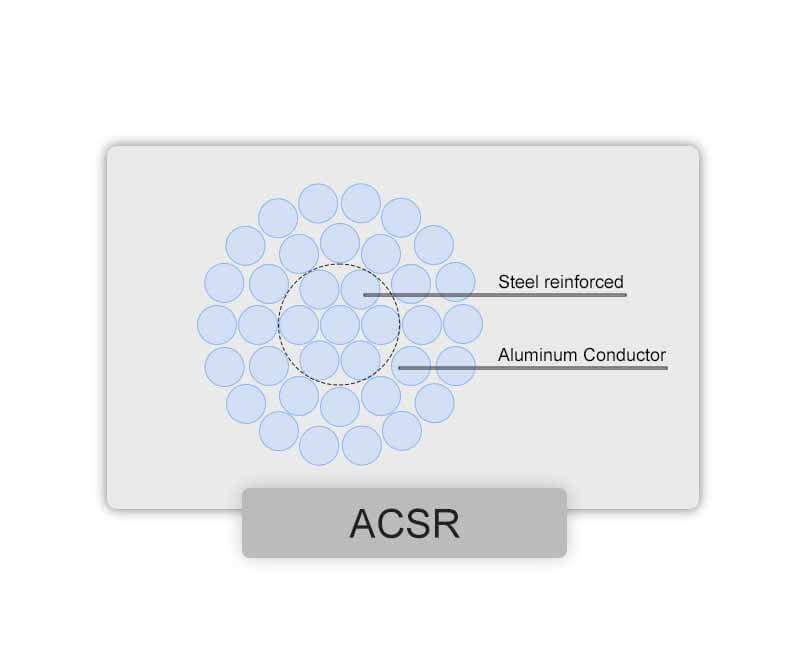
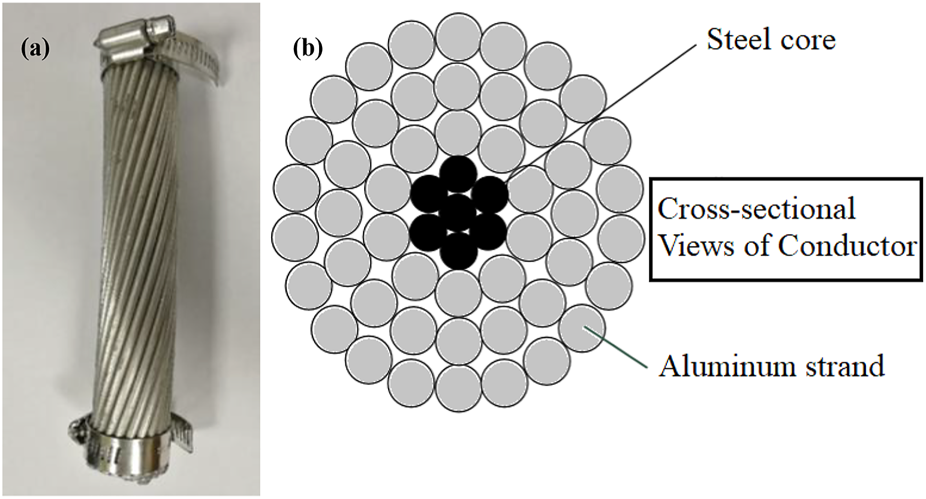
It is a concentric-lay-stranded bare conductor consisting of:

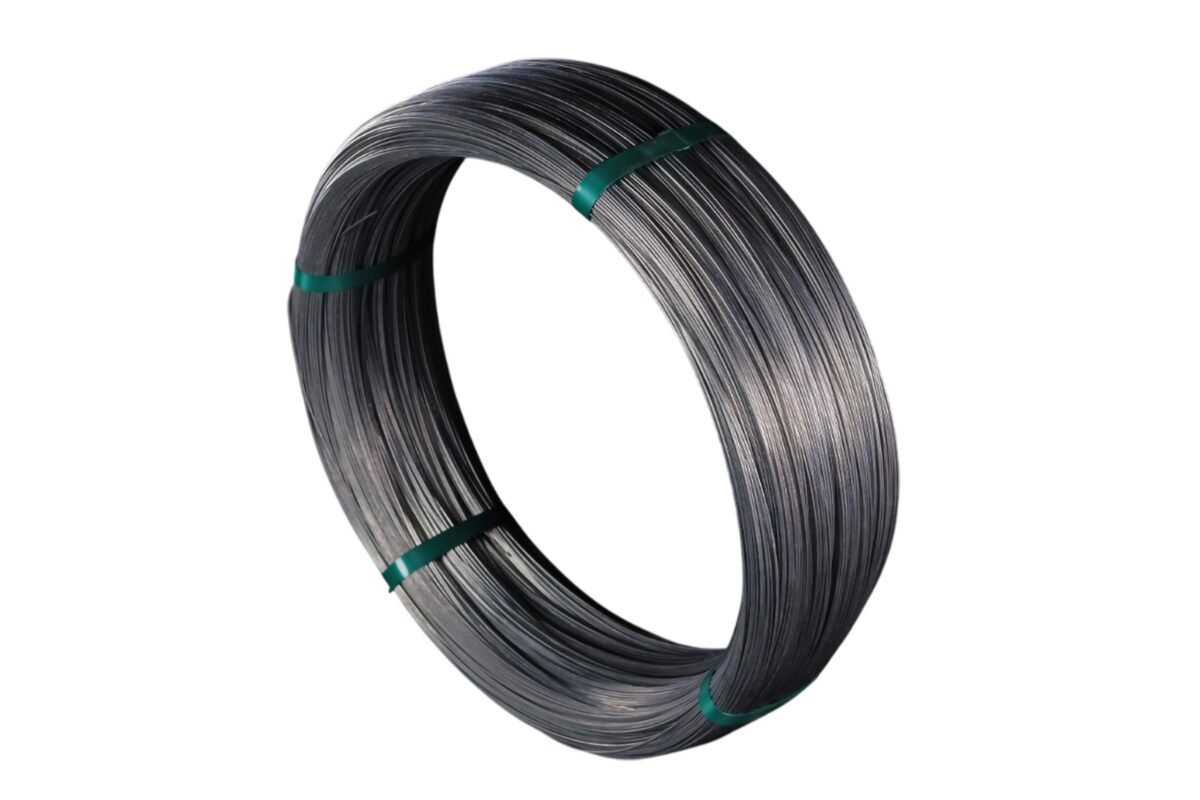
  • A central core of one or more galvanized steel wires (typically 1, 7, or 19 strands) that provides high tensile strength and reduces sag under mechanical load (wind, ice, conductor weight).
  • One or more layers of high-purity aluminum (usually 1350-H19 alloy) strands surrounding the steel core for excellent electrical conductivity and corrosion resistance.

The steel core is galvanized (zinc-coated) for protection against corrosion, while the aluminum carries the majority of the electrical current. This hybrid design gives ACSR its signature balance of electrical performance and mechanical robustness.

Key Advantages of ACSR Conductors

  • Superior Strength-to-Weight Ratio: Steel core allows higher tensioning and longer spans between towers compared to all-aluminum conductors (AAC).
  • Reduced Sag: Lower thermal expansion and higher modulus of elasticity mean less sag at operating temperatures — critical for maintaining clearances.
  • High Current Carrying Capacity: Excellent ampacity for high-voltage transmission (up to 765 kV and beyond in some designs).
  • Cost-Effective for Long Distances: Lower overall project cost due to fewer towers and longer spans.
  • Proven Durability: Decades of service record in diverse climates, including desert, coastal, and high-wind regions.
  • Versatility: Available in a wide range of sizes and stranding configurations to match specific mechanical and electrical requirements.

What is ACSR Used For? Primary Applications

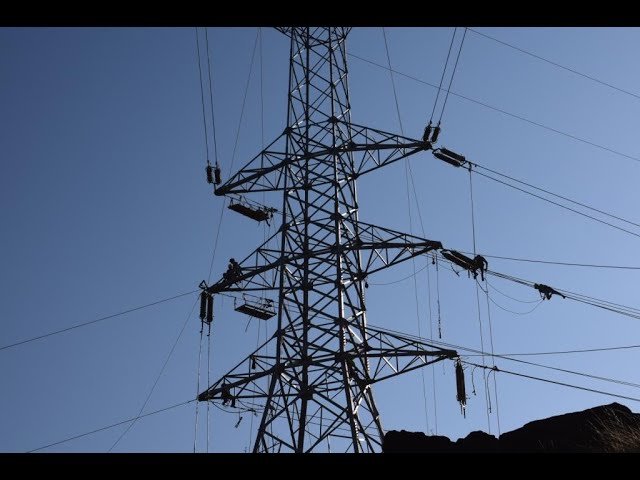
ACSR is predominantly used in overhead power transmission and distribution lines. Specific uses include:

  • Long-distance high-voltage transmission lines (66 kV to 765 kV+)
  • River crossings and long-span installations where sag control is critical
  • Areas with heavy wind or ice loading
  • High-temperature environments (standard ACSR operates reliably up to 75–90°C continuous; HTLS variants go higher)
  • Railway electrification and some distribution feeders requiring extra mechanical strength

In the GCC and Saudi Arabia, ACSR is extensively deployed for bulk power transmission supporting Vision 2030 infrastructure, industrial growth, and interconnection projects. Its resistance to sand abrasion (when properly specified) and performance under high ambient temperatures and strong winds make it ideal for arid desert conditions.

ACSR Conductor Specifications: Size Charts, Current Rating & Weight

ACSR is manufactured to international standards including ASTM B232, CEI 61089, BS EN 50182, and others. Sizing uses either metric (mm²) with animal/bird code names or imperial (kcmil/AWG) with similar names.

Common IEC/BS-Style ACSR Sizes (Approximate Values)

Code NameNominal Area (mm²)Stranding (Al/St)Overall Diameter (mm)Poids (kg/km)Approx. Current Capacity* (A)
Mole106/14.504390
Weasel306/17.77128170
Rabbit506/110.05214240
Raccoon806/112.27319300
Dog1006/4.72 + 7/1.57~14.15394360

*Current capacity is approximate at 45°C ambient / max conductor temp ~75°C with typical wind/solar conditions. Actual ratings calculated per IEEE 738 or IEC methods.

Popular ASTM (US) ACSR Sizes – Animal Names

Code NameTaille (kcmil)Stranding (Al/St)Overall Diameter (in)Weight (lb/kft)Approx. Ampacity @75°C*
Raven1/06/10.398145~240
Linnet336.426/70.720463~530
Drake79526/71.1081,094~900+
Tern79545/71.063896~887

Weight per meter: Divide kg/km by 1,000 (e.g., Drake ≈ 1.094 kg/m). Current carrying capacity varies significantly with ambient temperature, wind speed, solar radiation, and maximum allowable conductor temperature. Always use project-specific ampacity calculations.

Common ACSR Conductor Names

Manufacturers and utilities worldwide use memorable animal or bird names (e.g., Drake, Raven, Linnet, Oriole, Tern, Panther, Zebra, Moose). These names correspond to specific stranding and size combinations under ASTM or BS/IEC standards, simplifying specification and ordering.

ACSR vs AAAC Conductor – Which Should You Choose?

FonctionnalitéACSR (Al + Steel Core)AAAC (All Aluminum Alloy)
StrengthExcellent (steel core)Good (alloy strength)
Sag PerformanceSuperior for long spansBien
résistance à la corrosionGood (galvanized steel)Excellent (no steel)
PoidsHeavierLighter
ConductivityVery goodSlightly lower than pure Al
Idéal pourLong transmission spans, heavy loadingCoastal/saline areas, distribution
CoûtGenerally economicalHigher in some markets

Recommendation: Choose ACSR for most high-voltage transmission projects requiring maximum span length and mechanical strength. Choose AAAC for highly corrosive coastal environments or where lighter weight is prioritized.

ACSR in GCC & Saudi Vision 2030 Power Infrastructure

Saudi Arabia and GCC countries are rapidly expanding their high-voltage transmission grids to support economic diversification and renewable integration. ACSR conductors are a proven, reliable choice for these projects due to:

  • Proven performance in extreme heat and sand-laden winds
  • Ability to span long distances between towers in open desert terrain
  • Compatibility with existing tower designs and stringing practices
  • Long service life with proper specification (Class A or B galvanization)

RLB supports regional manufacturers and EPC contractors with high-quality galvanized steel wire cores specifically engineered for ACSR production — meeting ASTM, IEC, and customer-specific requirements for tensile strength, zinc coating uniformity, and corrosion resistance.

Note on Other Meanings of ACSR

In the insurance and risk management industry, ACSR also stands for Accredited Customer Service Representative — a professional designation program offered by The Institutes. However, in the context of power cables, conductors, and overhead lines, ACSR universally refers to Aluminum Conductor Steel Reinforced.

Foire aux questions (FAQ)

Q: What is the full form of ACSR conductor?

A: Aluminum (or Aluminium) Conductor Steel Reinforced.

Q: Why is steel used in ACSR?

A: The steel core provides high tensile strength, allowing longer spans and reduced sag under load and temperature changes.

Q: What is the current carrying capacity of ACSR?

A: It varies by size and conditions. For example, Drake (795 kcmil) can carry approximately 900 A or more depending on ambient conditions and maximum temperature rating.

Q: How much does ACSR weigh per meter?

A: Typical weights range from 0.043 kg/m (small sizes) to over 1.0 kg/m for large transmission sizes like Drake.

Q: ACSR or AAAC – which is better for Saudi Arabia?

A: ACSR is generally preferred for transmission lines due to superior strength and span capability in desert conditions. AAAC may be chosen for distribution or coastal areas with high corrosion risk.

Ready to Specify or Source High-Quality ACSR Conductors or Galvanized Steel Wire Cores?

RLB delivers reliable, technically superior solutions for overhead power line projects across the Middle East. Whether you need premium galvanized steel wire for ACSR manufacturing, complete ACSR conductors, or related cable production equipment, our team provides customized specifications, technical support, and competitive supply for Vision 2030 and GCC infrastructure.

Demande d'informations — Contact us today for detailed specifications, size charts, current rating calculations, or a tailored proposal for your next transmission project.

Laisser un commentaire

Votre adresse e-mail ne sera pas publiée. Les champs obligatoires sont indiqués avec *