Base de connaissances produit, Guides techniques et connaissances

À quoi sert le ruban de cuivre ?

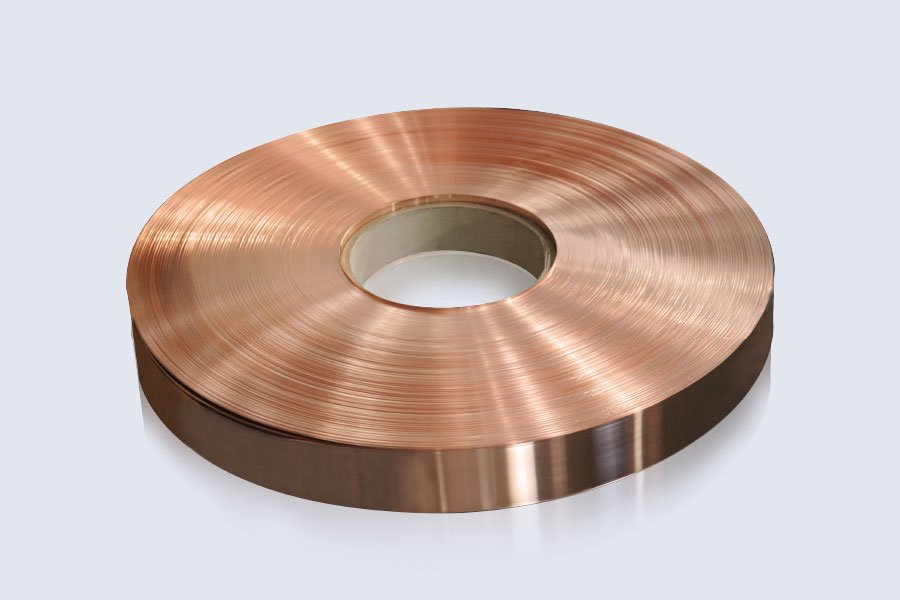
À quoi sert la bande de cuivre

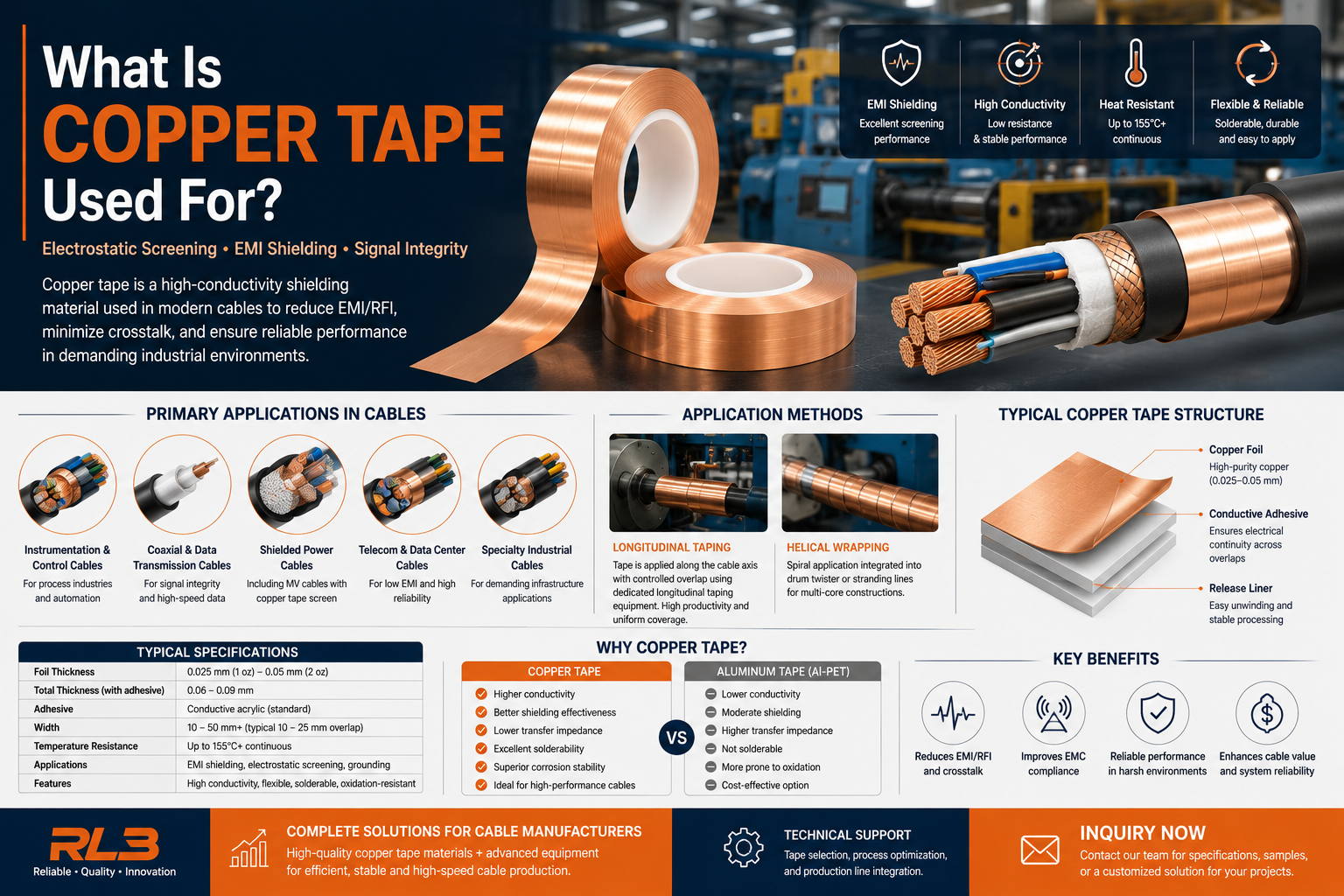
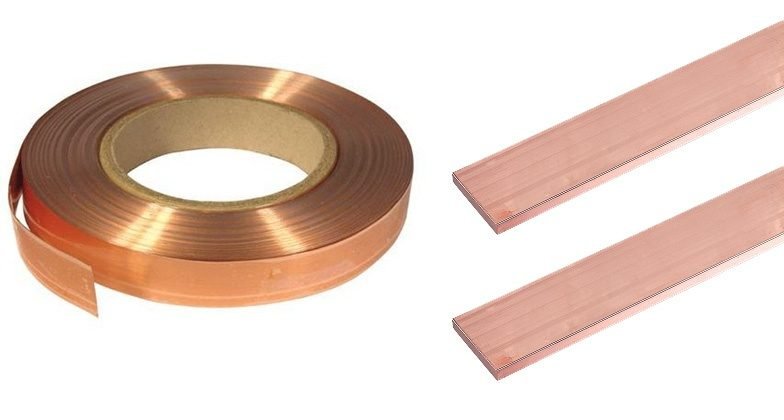
Copper tape consists of a high-purity copper foil layer (typically 0.025–0.05 mm or 1–2 oz) combined with conductive or non-conductive acrylic adhesive. In professional cable production, conductive adhesive grades are standard because they ensure electrical continuity across overlaps, maintaining consistent shielding performance.

The material is flexible, solderable, oxidation-resistant, and compatible with high-speed wrapping processes on stranding, taping, and sheathing lines.

Primary Industrial Application: Electrostatic Screening and EMI Shielding in Cables

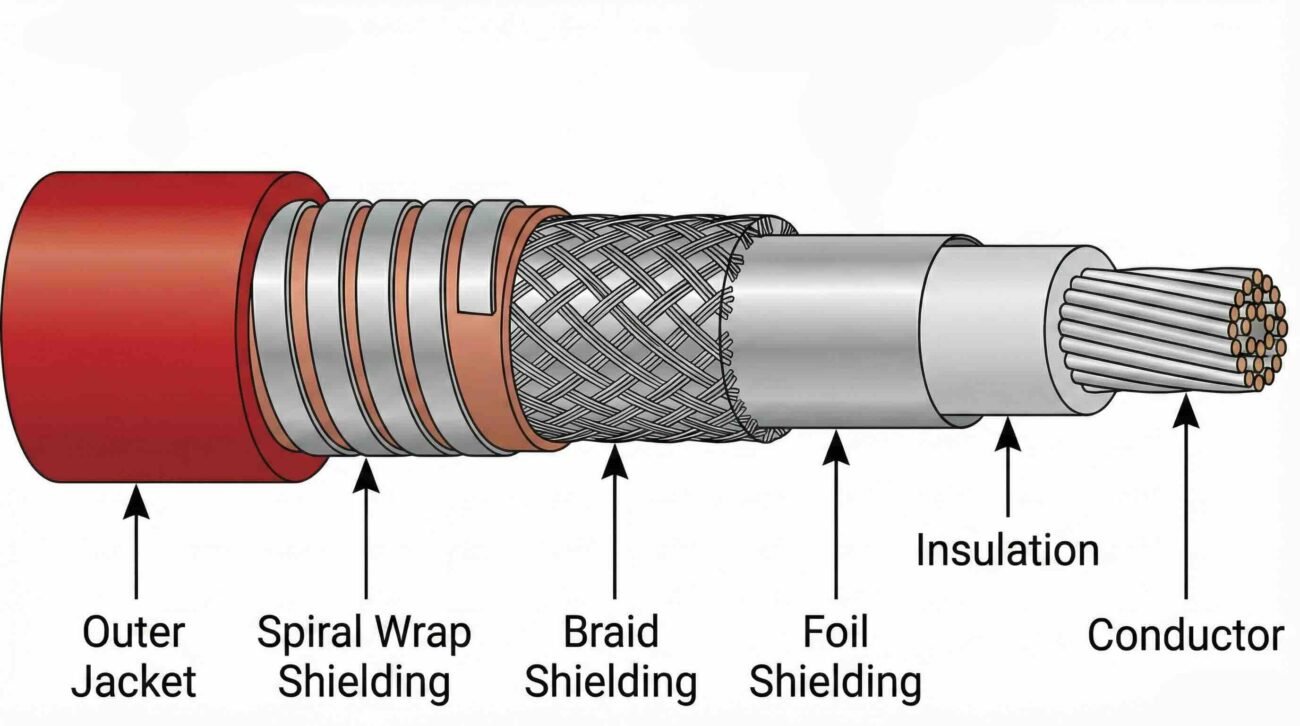
In cable manufacturing, copper tape functions as a metallic screen to:

  • Provide electrostatic screening
  • Reduce electromagnetic interference (EMI/RFI)
  • Minimize crosstalk between cores
  • Improve overall EMC performance

Common cable types using copper tape screening:

  • Instrumentation and control cables (critical for process industries and automation)
  • Coaxial and data transmission cables
  • Shielded power cables (including medium-voltage designs with longitudinally corrugated copper tape)
  • Specialty cables for telecom, data centers, and industrial infrastructure

Application methods in production lines:

  • Longitudinal taping: Tape is formed and applied along the cable axis with controlled overlap using dedicated longitudinal taping equipment. This method offers high productivity and uniform coverage.
  • Helical wrapping: Spiral application, often integrated into drum twister or central stranding lines for multi-core constructions.
  • Multi-layer screening: Copper tape combined with semi-conductive layers, fillers, or additional metallic screens.

Advanced longitudinal taping technology allows efficient processing of copper tape alongside other materials (polyester, water-swellable tapes) while ensuring high cable quality and production output.

Copper Tape vs Aluminum Tape in Cable Manufacturing

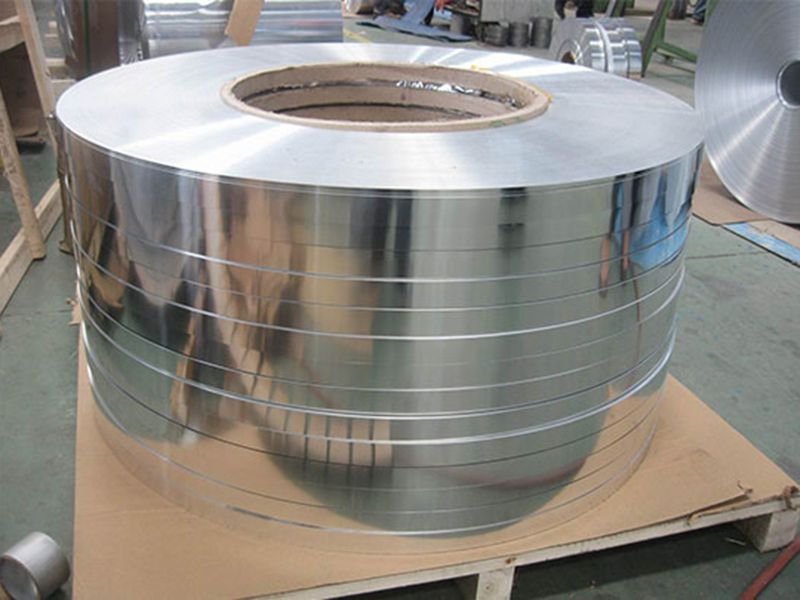
When selecting screening materials, cable engineers frequently compare copper tape with aluminum tape (or aluminum foil/polyester laminated tape). Both provide electromagnetic shielding, but performance, cost, and application suitability differ significantly.

FonctionnalitéCopper TapeAluminum Tape (or Al-PET)Recommendation for Cable Production
Conductivité électriqueExcellent – significantly higher than aluminumBienCopper for high-performance and high-frequency applications
Shielding EffectivenessSuperior, especially at higher frequencies and for low transfer impedanceAdequate for many general EMI shielding needsCopper for instrumentation, data, and critical control cables
SolderabilityExcellent – easy to solder for grounding and terminationsPoor – requires special preparation or fluxCopper when soldering or reliable grounding is required
Contact ResistanceVery low – maintains stable low-resistance paths across overlapsHigher – can increase over time due to oxidationCopper for consistent long-term shielding performance
Corrosion / Oxidation ResistanceVery good when paired with quality conductive adhesiveModerate – more prone to oxidation, which can degrade shielding over timeCopper for harsh environments or long service life
PoidsHeavierLighterAluminum for weight-sensitive designs
CoûtPlus hautLowerAluminum for cost-optimized general power or standard cables
Typical Cable ApplicationsHigh-end instrumentation, control, coaxial, data, and medium-voltage screened cablesGeneral power cables, cost-sensitive constructions, many LV/MV applicationsCopper for premium EMC performance; Aluminum for standard or budget projects
Production CompatibilityExcellent with longitudinal and helical taping equipmentExcellent – widely used in high-speed linesBoth compatible; copper preferred where shielding performance is critical

Key Takeaways from Industry Practice:

  • Copper tape generally delivers better shielding effectiveness and lower transfer impedance, making it the preferred choice for cables where signal integrity and EMC compliance are paramount (e.g., instrumentation cables in process plants or data transmission cables).
  • Aluminum tape (often as Al-PET laminate) remains popular for cost-sensitive applications and where moderate shielding is sufficient.
  • Many high-specification cables use copper tape screening to meet stringent EMC standards and ensure reliable performance in industrial and infrastructure environments.

Technical Specifications and Quality Considerations for Cable-Grade Copper Tape

Typical parameters for industrial copper tape used in cable production:

  • Foil Thickness: 0.025 mm (1 oz) to 0.05 mm (2 oz) – thicker foils offer higher current-carrying capacity for fault conditions but may reduce flexibility.
  • Total Thickness (with adhesive): 0.06–0.09 mm.
  • Adhesive: Conductive acrylic (preferred for electrical continuity) or non-conductive.
  • Width: 10–50 mm+ (selected according to cable diameter and required overlap, typically 10–25%).
  • Temperature Resistance: Up to 155°C+ continuous.
  • Shielding Performance: Depends on coverage, overlap, grounding method, and frequency. Copper generally provides excellent attenuation in the frequency ranges relevant to industrial and data cables.

Quality factors important for cable manufacturers:

  • Consistent foil purity and thickness
  • Reliable conductive adhesive performance
  • Good conformability for high-speed taping without wrinkles or gaps
  • Compatibility with downstream processes (extrusion, armoring)

EMC and Standards Context

Copper tape screening helps cables meet relevant EMC requirements by reducing radiated emissions and improving immunity. Screening effectiveness is often evaluated through parameters such as transfer impedance and shielding attenuation (referenced in standards like IEC 62153 series for metallic communication cables and related cable test methods).

Proper application (adequate overlap, good grounding, and consistent tension during taping) is essential to achieve the designed shielding performance.

RLB Support for Cable Manufacturers

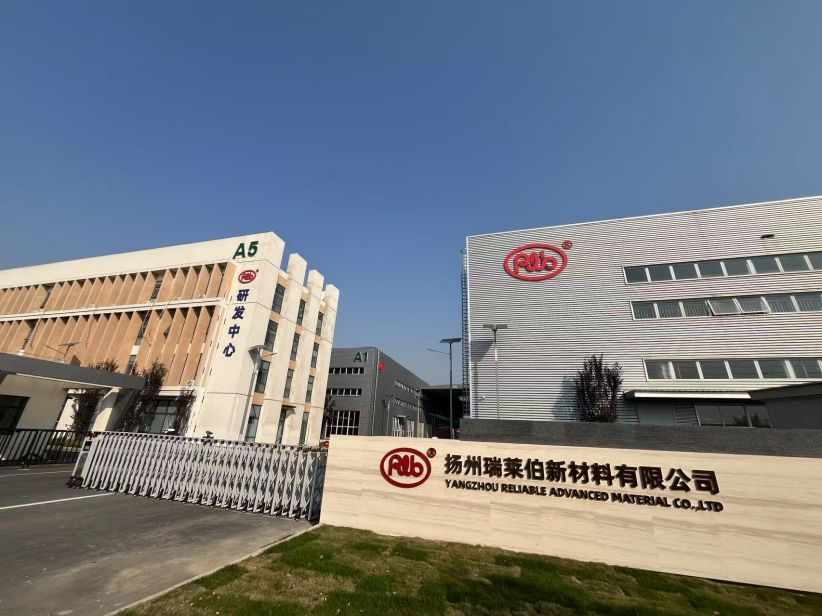
RLB provides high-quality copper tape materials specifically suited for cable screening applications, along with integrated equipment solutions. Our copper tape grades are selected for consistent electrical and mechanical performance in modern production lines, including compatibility with longitudinal taping systems and drum twister equipment.

We offer technical support for:

  • Tape grade selection based on cable design and EMC targets
  • Process optimization for longitudinal or helical application
  • Complete cable manufacturing solutions (materials + equipment)

Demande d'informations — Contact our technical team for detailed specifications, samples, process recommendations, or supply solutions tailored to your cable production requirements in Saudi Arabia and the GCC.

Detailed FAQs – Industrial & Technical Perspective

Q: What is the main use of copper tape in cable manufacturing?

A: It is primarily used as an electrostatic screen to provide EMI/RFI shielding and maintain signal integrity in instrumentation, control, coaxial, and data cables.

Q: Why is copper tape often preferred over aluminum tape for high-performance cables?

A: Copper offers significantly higher electrical conductivity, better shielding effectiveness (especially at higher frequencies), superior solderability, lower contact resistance, and better long-term stability against oxidation.

Q: How is copper tape applied in modern cable production lines?

A: It is commonly applied using longitudinal taping technology (for high productivity and uniform coverage) or helical wrapping on stranding and sheathing equipment. Overlap is typically controlled at 10–25%.

Q: Does conductive adhesive matter for cable screening?

A: Yes. Conductive adhesive ensures electrical continuity across tape overlaps, which is critical for maintaining consistent shielding performance and low transfer impedance.

Q: In which specific cable types is copper tape screening most common?

A: Instrumentation and control cables, coaxial cables, data transmission cables, and medium-voltage power cables with longitudinally corrugated copper tape shields.

Q: How does foil thickness affect performance?

A: Thicker foil improves current-carrying capacity (important for fault conditions) and mechanical robustness but may slightly reduce flexibility. Selection depends on cable voltage class and design requirements.

Q: Can copper tape help cables meet EMC standards?

A: Yes. When properly applied with adequate coverage and grounding, copper tape screening significantly contributes to meeting relevant EMC requirements for emissions and immunity.

Professional Supply and Technical Partnership

For cable manufacturers and EPC contractors working on power, industrial, and infrastructure projects, the choice of screening tape directly impacts cable performance, compliance, and long-term reliability.

RLB delivers reliable copper tape materials and comprehensive technical support focused on production efficiency and high-quality cable output.

Demande d'informations — Let us support your next screened cable project with quality materials and expert guidance.

Laisser un commentaire

Votre adresse e-mail ne sera pas publiée. Les champs obligatoires sont indiqués avec *