Non classé

What is Maleic Anhydride Grafted Polypropylene?

What is Maleic Anhydride Grafted Polypropylene

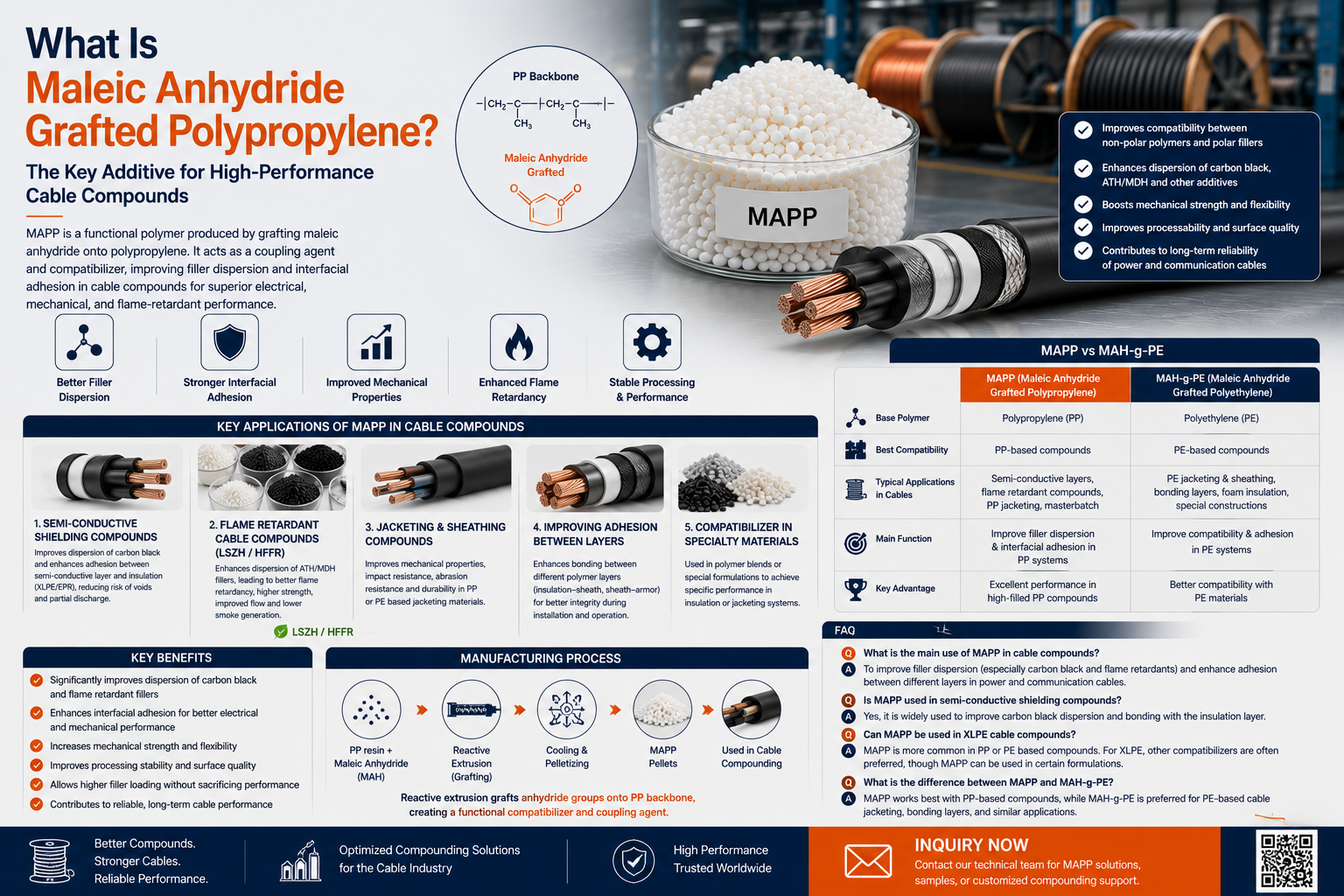
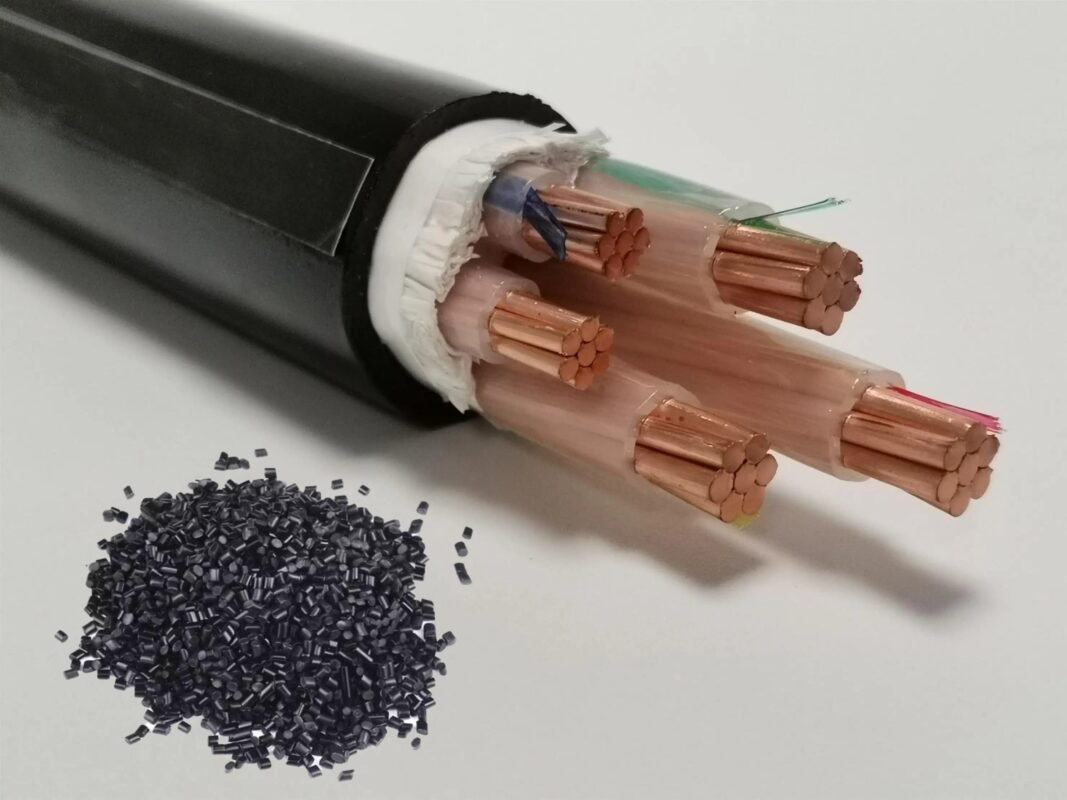
In modern power cable and communication cable production, the performance of polymer compounds directly affects electrical properties, mechanical strength, flame retardancy, and long-term reliability.

Maleic Anhydride Grafted Polypropylene (MAPP) has become an important functional additive in the cable industry. By introducing polar maleic anhydride groups onto the polypropylene backbone, MAPP greatly improves the compatibility between non-polar polymers and polar fillers or other polymers. This makes it particularly useful in cable compounds where high filler loading and strong interfacial bonding are required.

What is Maleic Anhydride Grafted Polypropylene?

MAPP is produced by grafting maleic anhydride (MAH) onto polypropylene through reactive extrusion. The grafted anhydride groups give the material polar characteristics and chemical reactivity, allowing it to act as an effective coupling agent et compatibilizer.

In cable applications, MAPP helps solve two common challenges:

  • Poor dispersion of polar fillers (such as carbon black, aluminum hydroxide, or magnesium hydroxide)
  • Weak interfacial adhesion between different polymer layers or between polymer and filler

Key Applications of MAPP in Cable Compounds

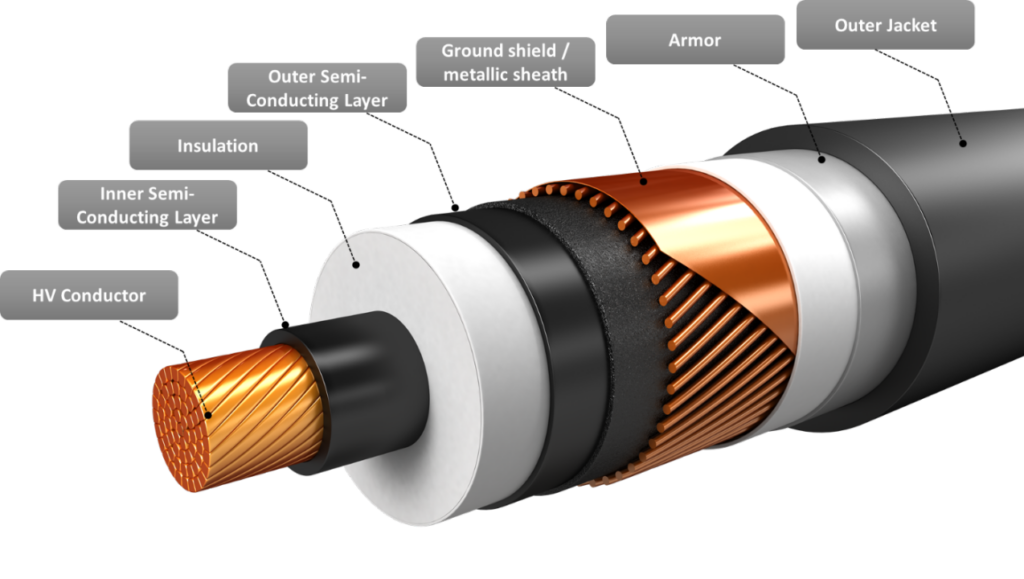
1. Semi-Conductive Shielding Compounds One of the most important uses of MAPP in cables is in semi-conductive shielding layers (both conductor screen and insulation screen).

In these compounds, high loadings of conductive carbon black are required. MAPP improves the dispersion of carbon black particles and enhances the adhesion between the semi-conductive layer and the insulation layer (usually XLPE or EPR). Better adhesion reduces the risk of voids and partial discharge, which is critical for medium and high voltage power cables.

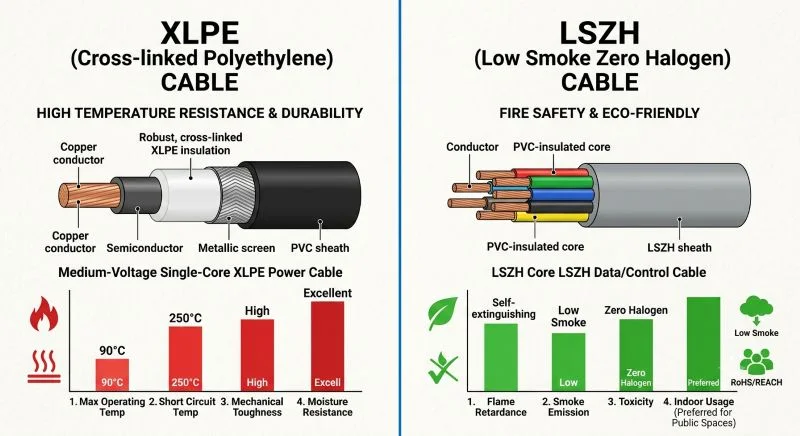
2. Flame Retardant Cable Compounds (LSZH / HFFR) Low Smoke Zero Halogen (LSZH) and Halogen-Free Flame Retardant (HFFR) cable compounds often contain high percentages of aluminum hydroxide (ATH) or magnesium hydroxide (MDH). These polar fillers are difficult to disperse uniformly in non-polar polymers.

MAPP significantly improves the dispersion of ATH/MDH, leading to:

  • Better flame retardant performance
  • Higher tensile strength and elongation
  • Improved processing flow
  • Reduced smoke generation

This makes MAPP especially valuable in building wires, power cables, and communication cables that require high flame retardancy.

3. Cable Jacketing and Sheathing Compounds MAPP is used in polypropylene-based or filled polyethylene jacketing compounds to enhance mechanical properties and filler compatibility. It helps achieve better impact resistance, abrasion resistance, and long-term durability, especially in cables exposed to harsh environments.

4. Improving Adhesion Between Cable Layers In multilayer cable constructions, MAPP can be used to improve bonding between different polymer layers (for example, between insulation and outer sheath or between different polymer blends). This is important for maintaining cable integrity during installation and operation.

5. Compatibilizer in Specialty Cable Materials MAPP is sometimes used as a compatibilizer when blending polypropylene with other polymers (such as polyethylene or elastomers) in cable insulation or jacketing formulations to achieve specific performance requirements.

Benefits of Using MAPP in Cable Production

  • Significantly improves dispersion of carbon black and flame retardant fillers
  • Enhances interfacial adhesion between semi-conductive layers and insulation
  • Increases mechanical strength and flexibility of cable compounds
  • Improves processing stability and surface quality
  • Helps achieve higher filler loading without sacrificing performance
  • Contributes to better long-term electrical and mechanical reliability of cables

Maleic Anhydride Grafted Polyethylene (MAH-g-PE) in Cables

Similar to MAPP, Maleic Anhydride Grafted Polyethylene (MAH-g-PE) is also used in the cable industry, particularly in polyethylene-based compounds. It is commonly applied in:

  • PE-based jacketing and sheathing
  • Bonding layers in multilayer cables
  • Improving adhesion in foam insulation or special constructions

While MAPP is more commonly used in polypropylene systems, MAH-g-PE offers better compatibility when the base polymer is polyethylene.

Conclusion

Maleic Anhydride Grafted Polypropylene (MAPP) plays a vital role in modern cable compound formulation. Its ability to improve filler dispersion and interfacial adhesion makes it especially valuable in semi-conductive shielding compounds and high-filled flame retardant cable materials.

For cable manufacturers aiming to produce high-performance, reliable, and flame-retardant cables, MAPP has become a key additive that helps meet stringent electrical, mechanical, and safety requirements.

Foire aux questions

What is the main use of MAPP in cable compounds?

MAPP is mainly used to improve the dispersion of fillers (especially carbon black and flame retardants) and to enhance adhesion between different layers in power and communication cables.

Is MAPP used in semi-conductive shielding compounds?

Yes. It is widely used in semi-conductive layers to improve carbon black dispersion and bonding with the insulation layer.

Can MAPP be used in XLPE cable compounds?

MAPP is more commonly used in polypropylene or filled polyethylene compounds. For XLPE systems, other compatibilizers are sometimes preferred, though MAPP can still be used in certain formulations.

What is the difference between MAPP and MAH-g-PE in cable applications?

MAPP works best with polypropylene-based compounds, while MAH-g-PE is preferred for polyethylene-based cable jacketing and bonding layers.

Laisser un commentaire

Votre adresse e-mail ne sera pas publiée. Les champs obligatoires sont indiqués avec *