Base de connaissances produit, Guides techniques et connaissances

OPPC Cable ? Conducteur de phase optique

Câble OPPC

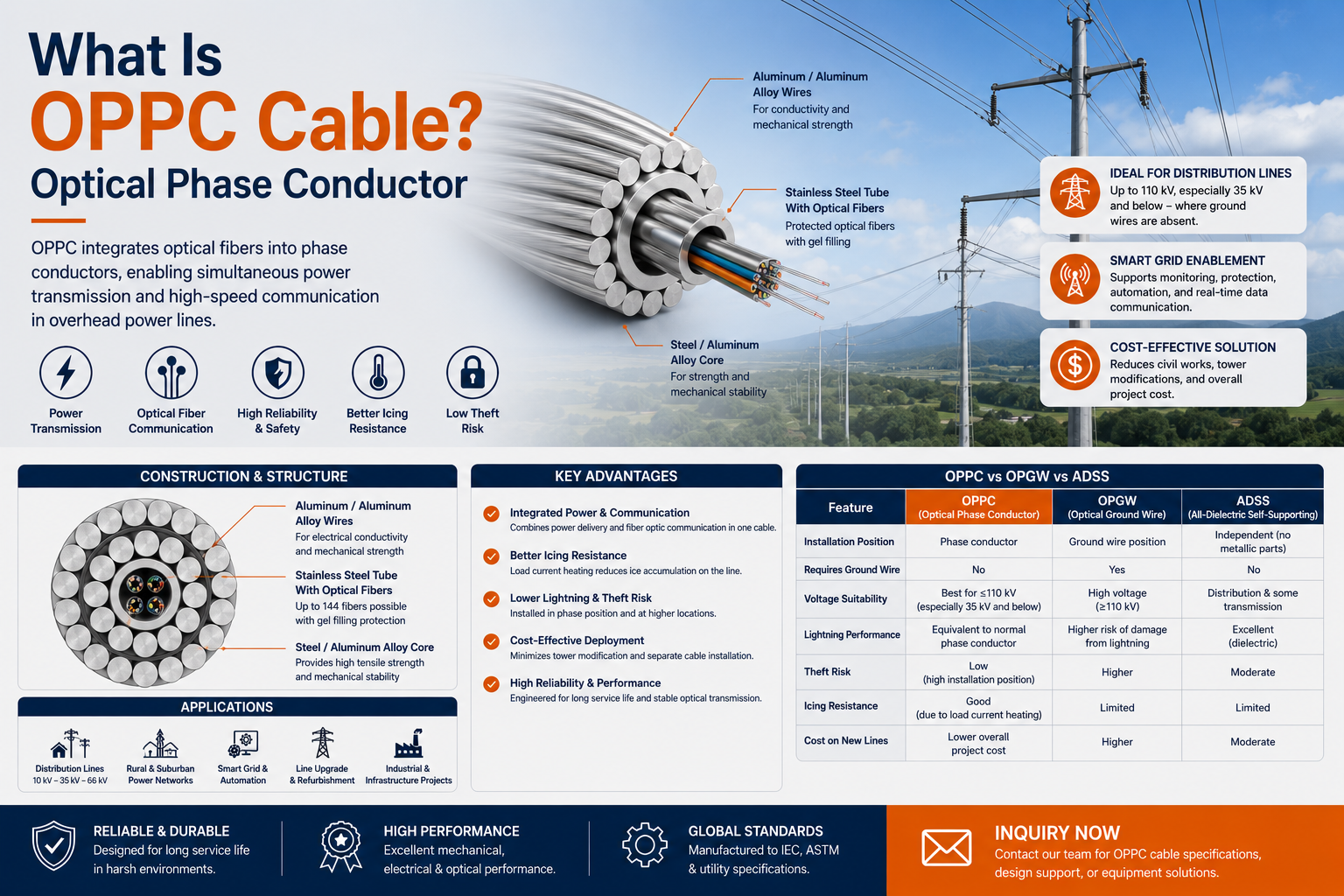
OPPC stands for Optical Phase Conductor, also known as Optical Fiber Composite Phase Wire. It is an advanced type of overhead power cable that combines the functions of a traditional phase conductor with integrated optical fiber communication.

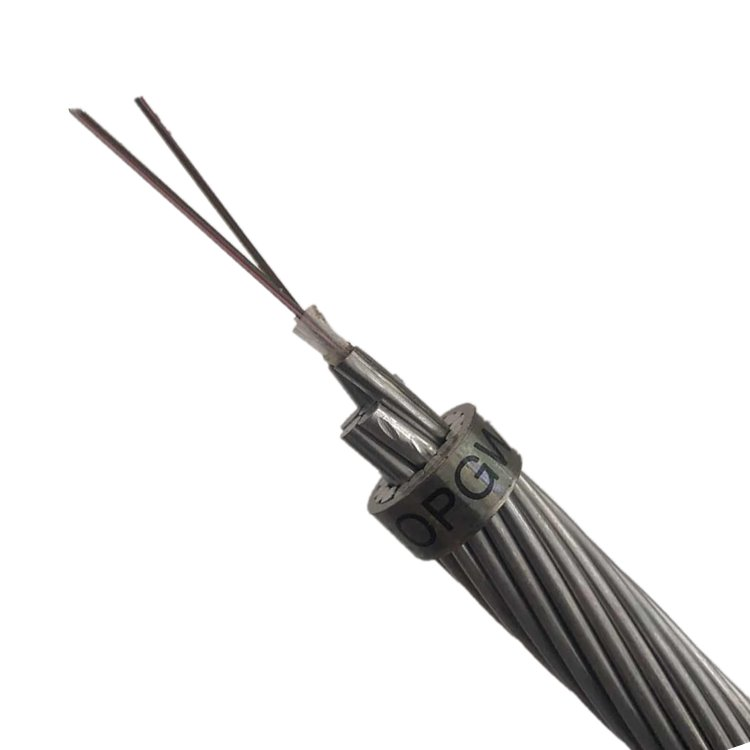
Unlike OPGW (Optical Ground Wire), which is installed on the ground wire position, OPPC replaces one or more of the metallic wires in the phase conductor itself with stainless steel tubes containing optical fibers. This design allows utilities to deploy fiber optic networks directly on energized phase lines without requiring a separate ground wire.

OPPC is particularly valuable in suburban, rural, and distribution networks (typically up to 110 kV, with strong application in 35 kV and below) where ground wires are not present or where installing OPGW is impractical.

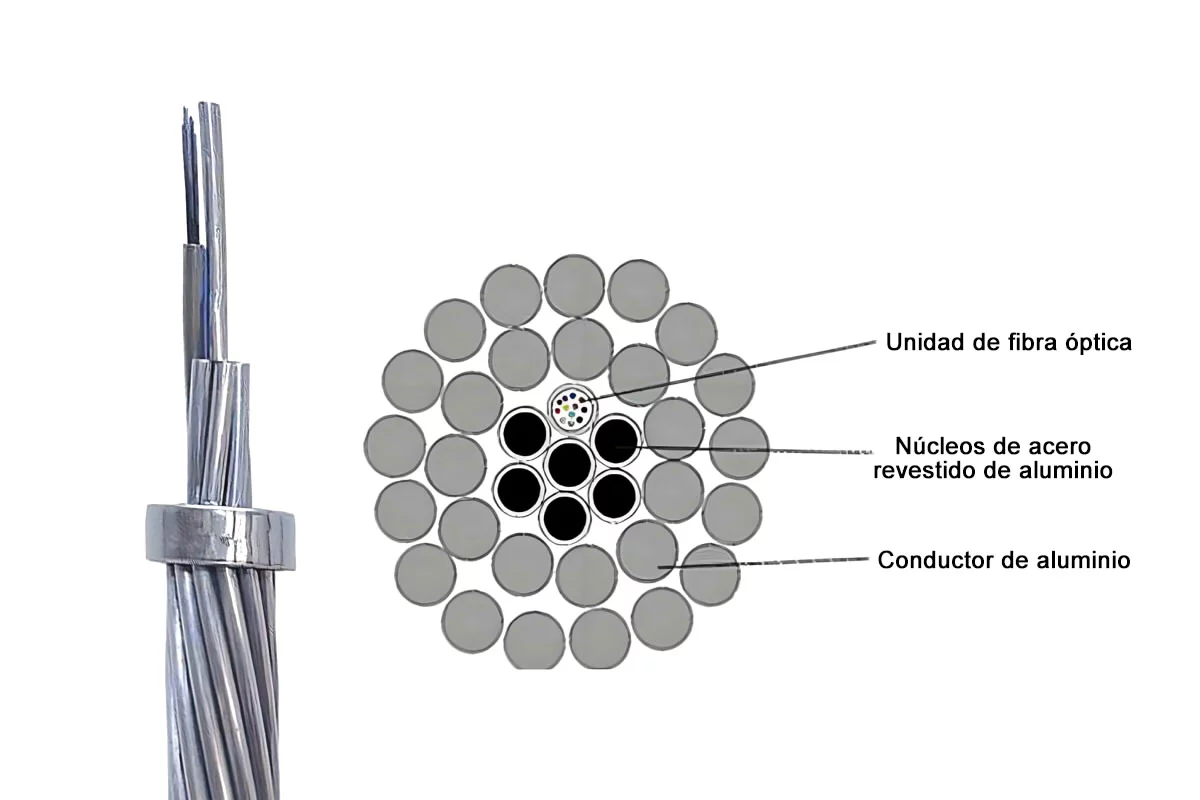
OPPC Cable Structure and Construction

The construction of OPPC is similar to conventional ACSR (Aluminum Conductor Steel Reinforced) but with key modifications:

  • Central core: Steel or aluminum alloy core combined with one or more stainless steel tubes containing optical fibers (up to 144 fibers possible).
  • Outer layers: Aluminum or aluminum alloy wires for conductivity and mechanical strength.
  • Fiber optic unit: Protected stainless steel tubes with gel filling for moisture protection and excess fiber length to accommodate mechanical and thermal stresses.

This structure ensures the cable maintains mechanical and electrical characteristics similar to the phase conductors it replaces while providing reliable optical transmission.

Electrical and Optical Performance

Electrical Performance:

  • OPPC carries continuous load current as part of the three-phase system.
  • Operating temperature is higher than OPGW (typically designed for 100–120°C with high-temperature resistant filling compounds).
  • DC resistance, resistivity, and mechanical properties are engineered to closely match adjacent phase conductors to maintain three-phase balance.

Optical Performance:

  • Optical fibers are provided with sufficient excess length to prevent strain from installation tension, thermal expansion, and creep.
  • Fibers are protected against crushing, moisture, and environmental stress.
  • Supports both single-mode and multimode fibers depending on application requirements (typically single-mode for long-distance communication).

Advantages of OPPC Cable

  • Integrated Power and Communication: Eliminates the need for separate optical cables in many distribution networks.
  • Cost-Effective Deployment: Reduces tower height/strength requirements on new lines and minimizes modification work on existing lines.
  • Lower Lightning Risk: As part of the phase conductor, it does not increase lightning strike vulnerability compared to OPGW.
  • Better Icing Resistance: Higher operating temperature helps reduce ice accumulation on the line.
  • Enhanced Security: Junction boxes are installed at higher positions on live-line insulators, significantly reducing theft risk compared to OPGW or ADSS.
  • Smart Grid Enablement: Supports grid monitoring, protection, temperature measurement, and distribution automation.

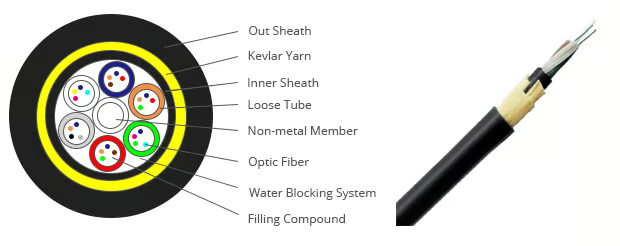
OPPC vs OPGW vs ADSS Comparison

FonctionnalitéOPPC (Optical Phase Conductor)OPGW (Optical Ground Wire)ADSS (All-Dielectric Self-Supporting)
Installation PositionPhase conductorGround wire positionIndependent (no metallic parts)
Requires Ground WireNoYesNo
Voltage SuitabilityBest for ≤110 kV (especially 35 kV and below)High voltage transmission (≥110 kV)Distribution and some transmission
Lightning PerformanceEquivalent to normal phase conductorHigher risk of damage from lightningExcellent (dielectric)
Theft RiskLow (high installation position)Plus hautModéré
Icing ResistanceGood (due to load current heating)LimitéLimité
Cost on New LinesLower overall project costPlus hautModéré

Applications and Scope of Use

OPPC is most commonly used in:

  • New or refurbished 10 kV, 35 kV, and some 66 kV distribution lines without ground wires.
  • Rural and suburban power networks requiring both power delivery and communication.
  • Situations where tower modifications for OPGW or ADSS would be costly or technically difficult.
  • Smart grid and distribution automation projects.

It is less common on very high-voltage backbone lines (where OPGW is usually preferred) but offers unique advantages in medium- and low-voltage networks.

Design and Selection Considerations

When selecting OPPC, engineers must ensure:

  • Mechanical and electrical parameters (diameter, weight, resistance, strength) closely match the other phase conductors.
  • Thermal stability of the optical unit under continuous load current.
  • Use of specialized live-line splice boxes and insulators.
  • Proper excess fiber length and moisture protection.

Coil lengths are typically limited to around 3 km to facilitate construction, repair, and maintenance.

RLB Support for OPPC Cable Projects

RLB provides high-quality materials and equipment solutions supporting OPPC cable manufacturing and deployment. Our offerings include specialized conductors, fiber optic integration components, and related production equipment for overhead power cable lines. We assist utilities, EPC contractors, and cable manufacturers in the GCC region with technical specifications and reliable supply for distribution and transmission projects aligned with Vision 2030 infrastructure goals.

Demande d'informations — Contact our technical team for OPPC cable specifications, design support, or manufacturing equipment recommendations.

FAQ

Q: What does OPPC stand for in power cables?

A: Optical Phase Conductor – a power phase conductor integrated with optical fibers for communication.

Q: What is the difference between OPPC and OPGW?

A: OPPC is installed in the phase conductor position and carries load current, while OPGW is installed in the ground wire position and does not carry continuous current.

Q: In which voltage levels is OPPC most commonly used?

A: Primarily in distribution networks up to 110 kV, with strongest application in 35 kV and below where ground wires are absent.

Q: What are the main advantages of OPPC over ADSS?

A: OPPC offers better icing resistance due to load current heating and lower theft risk because of its higher installation position on live-line structures.

Q: Can OPPC be used on existing lines?

A: Yes. It can replace one phase conductor on existing lines with minimal tower modifications, provided mechanical and electrical parameters are matched.

Laisser un commentaire

Votre adresse e-mail ne sera pas publiée. Les champs obligatoires sont indiqués avec *