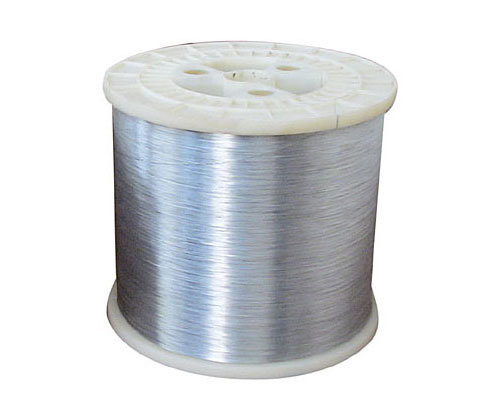
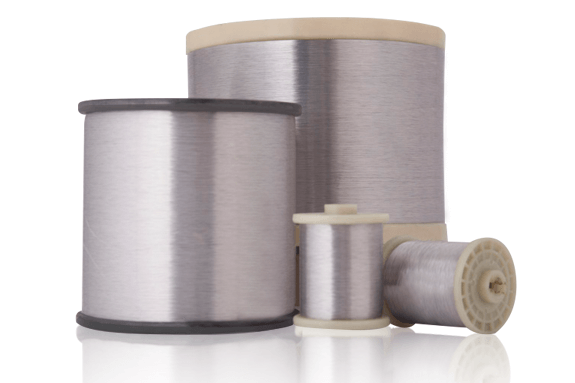
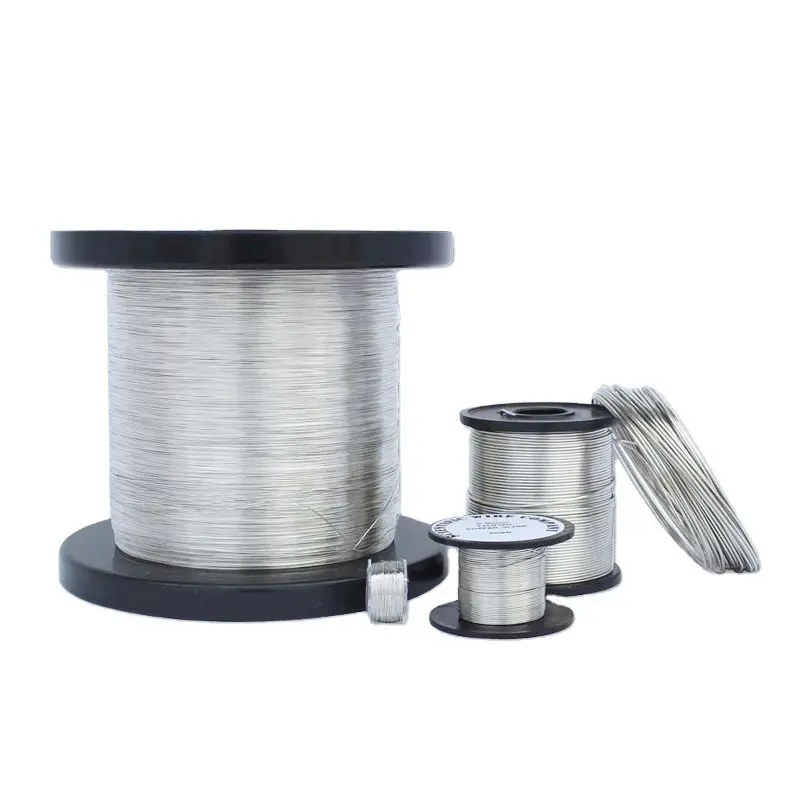
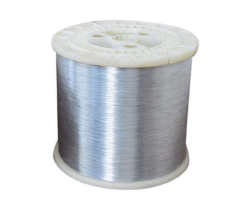
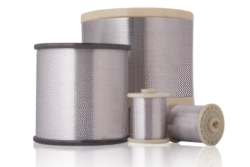
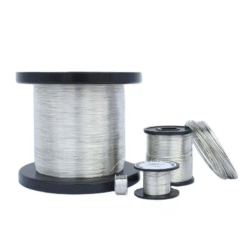
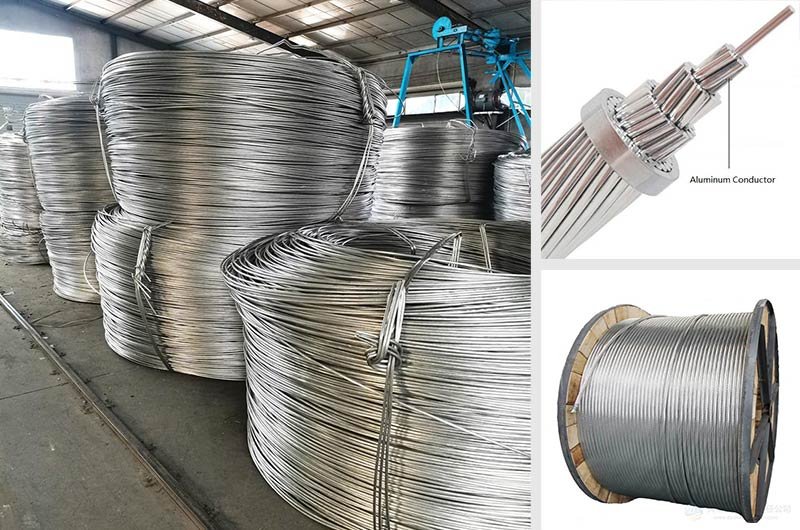
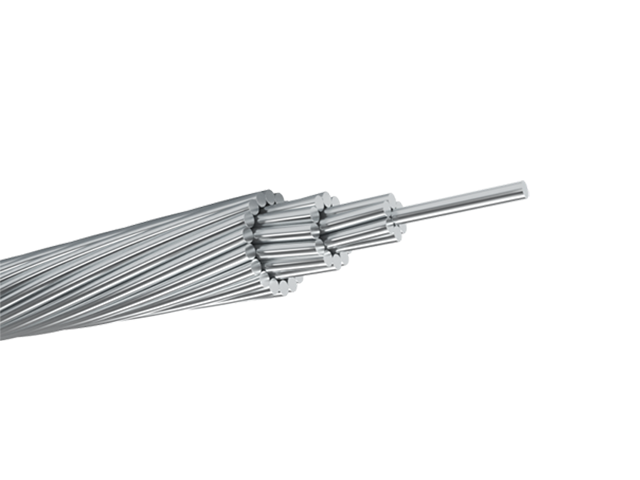
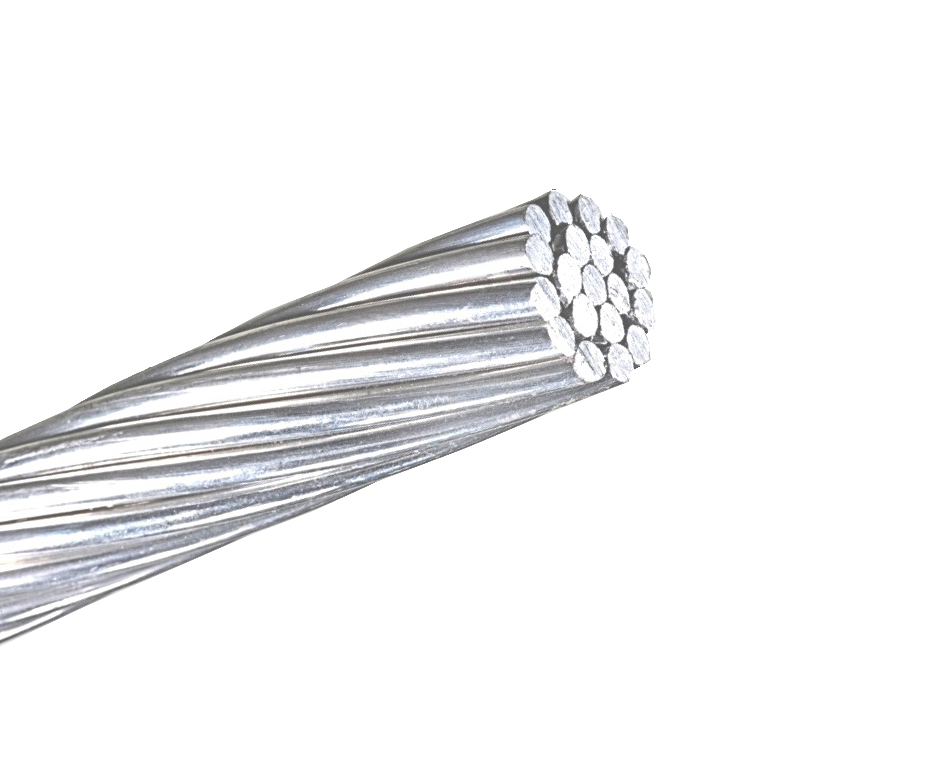
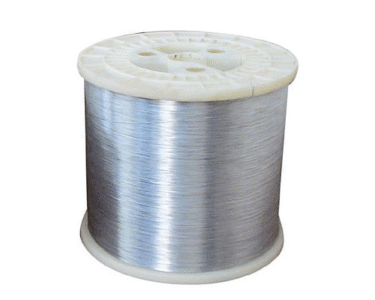
Aluminum Alloy Wire is the essential single-strand building block for high-performance All Aluminum Alloy Conductors (AAAC) used in overhead transmission and distribution networks. Produced from meticulously controlled Al-Mg-Si alloys through advanced solution heat treatment, quenching, precision drawing, and artificial aging processes, it delivers a superior combination of mechanical strength, electrical conductivity, and long-term corrosion resistance compared to conventional pure aluminum (1350-H19) wire.
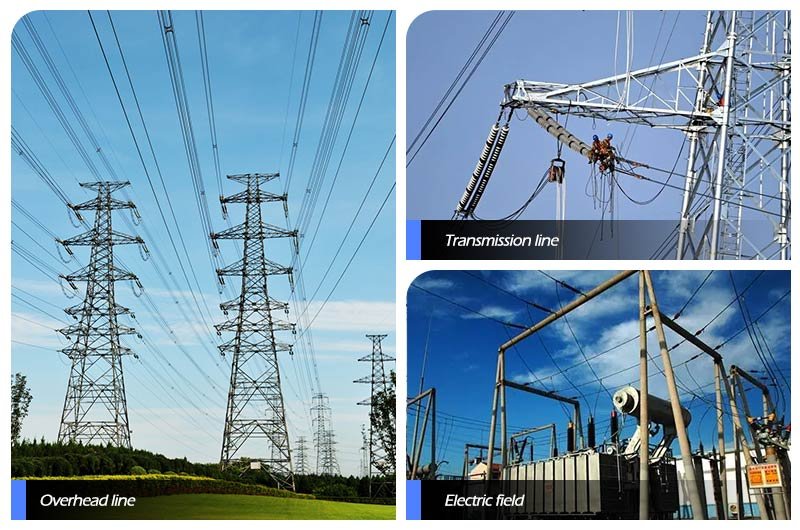
This high-reliability conductor material enables longer span lengths, reduced sag under load and temperature, excellent resistance to aeolian vibration, and dependable performance in demanding outdoor environments — including coastal, industrial, and high-wind regions. It is the trusted choice for utilities, EPC contractors, and cable manufacturers executing grid modernization, reconductoring, and new transmission projects.
Our wire is manufactured in full compliance with ASTM B398, CEI 61089, et GB/T 3954 standards (with equivalent performance to international specifications), ensuring consistent batch-to-batch quality and full material traceability.

What Is Aluminum Alloy Wire and How Does It Differ from Pure Aluminum or Copper Conductors?
Aluminum alloy wire for electrical use is typically produced from heat-treated aluminum-magnesium-silicon alloys (most commonly 6201-T81). Magnesium (0.6–0.9%) and silicon (0.5–0.9%) form Mg₂Si precipitates after solution treatment and artificial aging. This microstructure raises tensile strength from the ~160–200 MPa range of EC-grade 1350 aluminum to 295–352 MPa while retaining conductivity in the 52–61% IACS band depending on exact temper and composition.

Compared with pure aluminum (AAC), alloy wire provides approximately 30% higher tensile strength at only ~10% higher mass. Compared with copper, the alloy offers roughly one-third the density and substantially lower material cost at current copper-to-aluminum price ratios exceeding 4:1 (2026 market data). The larger cross-section required for equivalent ampacity is offset by reduced tower loading, easier handling, and lower lifetime losses in many medium-span applications.
Recent technical literature (2024–2026) confirms continued development of higher-strength variants reaching 500 MPa with only modest conductivity trade-offs through controlled copper additions and optimized thermomechanical processing, enabling potential replacement of steel cores in certain ACSR designs.
Why Do Engineers Specify AAAC Aluminum Alloy Conductors for Overhead Lines?
AAAC is specified for medium-span (typically 100–300 m) distribution and transmission circuits that require higher mechanical strength than AAC yet better corrosion performance and lower weight than ACSR. The homogeneous alloy construction eliminates the steel–aluminum galvanic couple that accelerates corrosion in coastal, industrial, or polluted atmospheres. Strength-to-weight ratio improves sag-tension performance, permitting longer spans or reduced structure height while maintaining clearance.
Field data and manufacturer test reports show service lives of 40+ years under proper installation. Continuous operating temperature is commonly limited to 85–95 °C for standard AAAC (higher-temperature alloys exist for specialized applications). Ampacity values are comparable to or slightly higher than equivalent AAC sections under the same environmental conditions because the improved sag control allows optimized design temperatures.
Key Applications in Power Transmission & Distribution
Aluminum Alloy Wire serves as the core material for:
- All Aluminum Alloy Conductors (AAAC) — Primary choice for medium- and high-voltage overhead lines requiring higher strength than AAC while maintaining excellent conductivity.
- Long-Span & High-Mechanical-Performance Lines — Ideal for mountainous terrain, river crossings, and areas with heavy ice/wind loading where strength-to-weight ratio is critical.
- Thermal-Resistant Conductors — Special grades engineered for continuous operation at elevated temperatures (up to 150°C+), enabling higher current-carrying capacity during peak demand or emergency loading.
- Grid Upgrade & Reconductoring Projects — Cost-effective solution for increasing capacity of existing corridors without major tower modifications.
- Utility & Industrial Infrastructure — Where long-term reliability, corrosion resistance, and reduced maintenance are paramount.
These properties make our Aluminum Alloy Wire particularly suitable for large-scale infrastructure initiatives in the Saudi Kingdom and GCC region, supporting Vision 2030 power sector expansion, renewable energy integration, and massive transmission network investments.
Main Grades & Detailed Technical Specifications
We supply three optimized grades to match specific project requirements for strength, conductivity, and thermal performance.
6201 Aluminum Alloy Wire (High-Strength Grade – T81 Temper Equivalent) Engineered for maximum mechanical performance in AAAC conductors.
| Tempérer | Diameter Range (mm) | Tensile Strength (MPa, min) | Elongation (%, min) | Resistivity @20°C (nΩ·m, max) | Conductivity (% IACS, min) |
|---|
| LHA1 | ≤ 3.50 | 325 | 3 | 32.84 | 52.5 |
| LHA1 | > 3.50 | 315 | 3 | 32.84 | 52.5 |
| LHA2 | All | 295 | 3.5 | 32.53 | 53.0 |
Note: For diameter ≤ 3.50 mm, tensile strength > 325 MPa; for diameter > 3.50 mm, tensile strength > 315 MPa.
6101 Aluminum Alloy Wire (High-Conductivity Grade) Optimized for applications prioritizing electrical efficiency.
| Tempérer | Diameter (mm) | Tensile Strength (MPa, min) | Elongation (%, min) | Resistivity (20°C, nΩ·m, max) | Conductivity (%, min) |
|---|
| LHA3 | 2.00 ≤ d < 3.00 | 250 | 3.5 | 29.472 | 58.5 |
| LHA3 | 3.00 ≤ d < 3.50 | 240 | 3.5 | 29.472 | 58.5 |
| LHA3 | 3.50 ≤ d < 4.00 | 240 | 3.5 | 29.472 | 58.5 |
| LHA3 | 4.00 ≤ d < 5.00 | 230 | 3.5 | 29.472 | 58.5 |
| LHA4 | 2.00 ≤ d < 3.00 | 290 | 3.0 | 30.247 | 57.0 |
Thermal-Resistant Aluminum Alloy Wire (Continuous Operating Temperature up to 150°C)
Designed for high-temperature performance and increased ampacity.
| Taper | Diameter (mm) | Tensile Strength (MPa, min) | Elongation (%, min) | Conductivity (%, min) |
|---|
| NrIh1 | 2.60 < d ≤ 4.,50 | 159–166 | 1.6–2.0 | 60 |
| NrIh2 | 2.60 < d ≤ 4.50 | 225–245 | 1.6–2.0 | 55 |
Summary Comparison of Main Grades
| Grade | Diameter Range (mm) | Résistance à la traction (MPa) | Conductivité (% IACS) | Key Application |
|---|
| 6201 Aluminum Alloy Wire | 1.50–5.00 | ≥315–325 | 52–54 | Overhead distribution & transmission |
| 6101 Aluminum Alloy Wire | 1.50–5.00 | ≥295–305 | 56–58 | Thermal-resistant conductors |
| Thermal-Resistant Aluminum Alloy | 1.50–5.00 | ≥280–300 | 58–60 | High-temperature environments |
Custom diameters, tempers, and alloy modifications available upon request to meet exact project specifications.

Advanced Manufacturing Process & Rigorous Quality Assurance
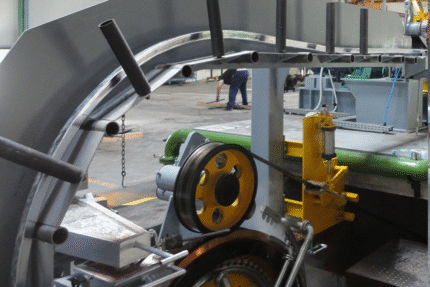
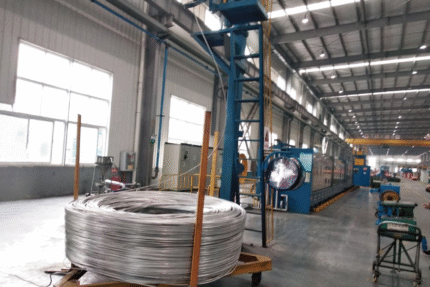
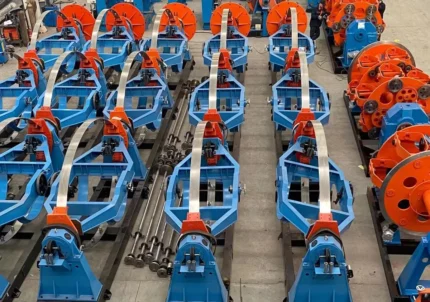
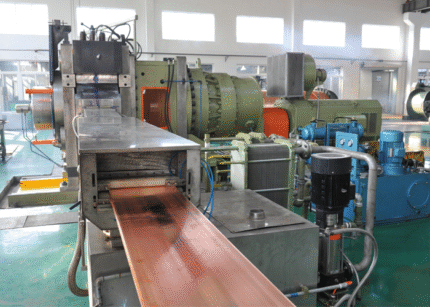
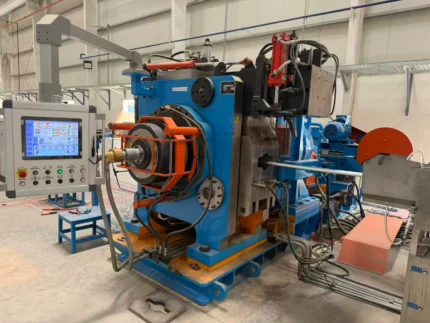
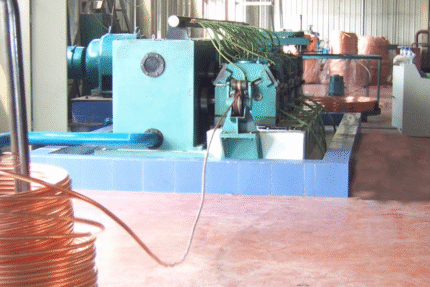
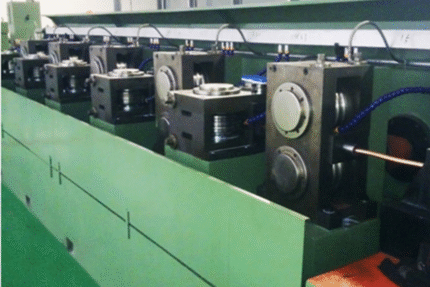
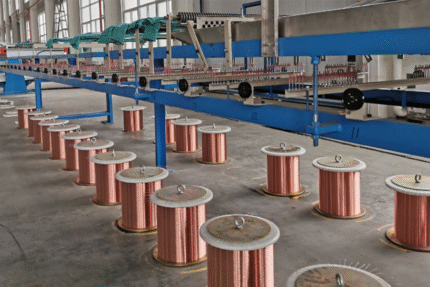
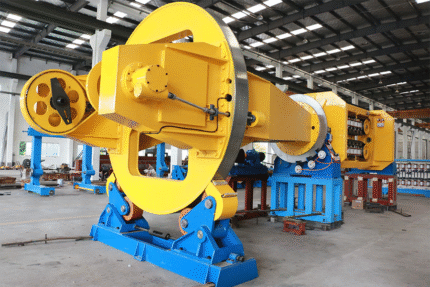
Our Aluminum Alloy Wire is produced using state-of-the-art thermo-mechanical processing:
- High-purity aluminum ingots are alloyed with precise Mg and Si content.
- Continuous casting and rolling produce high-quality redraw rod.
- Solution heat treatment followed by controlled quenching.
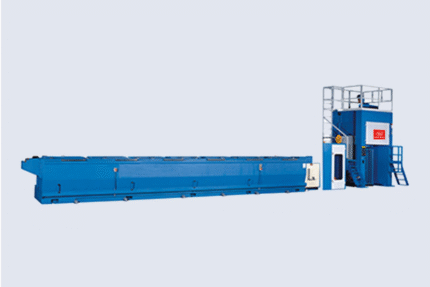
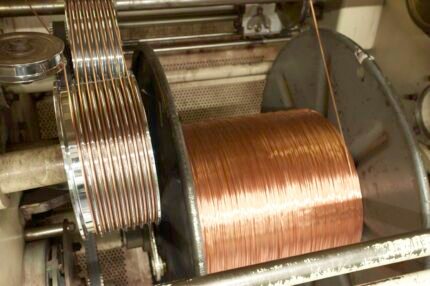
- Multi-pass cold drawing with optimized lubrication for uniform deformation.
- Artificial aging to develop the strengthening Mg₂Si precipitate phase — achieving the ideal strength-conductivity balance.
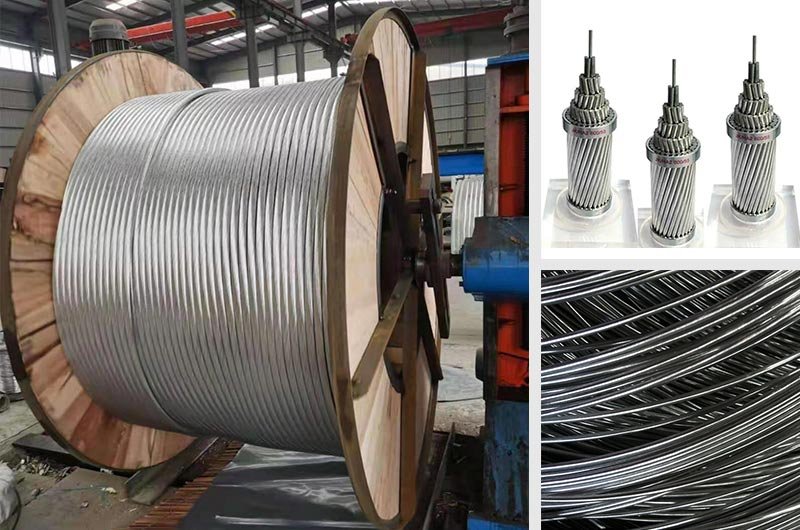
Every batch undergoes comprehensive testing for tensile strength, elongation, electrical resistivity, dimensional tolerance, and surface quality. Full traceability from raw material to finished wire is maintained. Our lines are capable of 24/7 stable production with minimal variation.
Why Choose Our Aluminum Alloy Wire – Reliable Quality, Customized Solutions, Long-Term Partnership
- Optimized Strength-to-Conductivity Balance — Select 6201 for maximum mechanical performance or 6101/thermal-resistant grades for superior conductivity and ampacity.
- résistance supérieure à la corrosion — Homogeneous alloy construction eliminates galvanic corrosion risks associated with steel-core conductors; excellent long-term performance in coastal and polluted environments.
- Excellent Sag & Vibration Characteristics — Higher strength permits longer spans and reduced tower costs; lower thermal expansion and improved creep resistance minimize sag under load.
- Proven Field Performance — Widely deployed in AAAC conductors for transmission and distribution projects globally, including challenging Middle East conditions.
- Full Compliance & Traceability — Manufactured to ASTM B398, IEC, and GB/T standards with complete material certification and test reports.
- Tailored Solutions for Your Projects — Custom diameters, tempers, packaging, and alloy adjustments to match your Saudi/GCC facility requirements and specific conductor designs.
- Comprehensive Lifecycle Support — Technical consultation, sample provision, consistent supply, and responsive after-sales service for long-term cooperation.
Our wire delivers bright, uniform surface finish, excellent mechanical properties, and low maintenance requirements — all with competitive total cost of ownership.
Which Industry Standards and Recent Trends Govern Aluminum Alloy Wire?
Primary governing documents include:
- ASTM B398 (wires) / B399 (stranded conductors) for 6201-T81
- IEC 61089 (round-wire concentric-lay stranded conductors)
- IEC 60228 (conductors of insulated cables) – note resistance adjustment factors for alloy
- BS EN 50182, AS/NZS 1531, GB/T 1179 and national equivalents
Market data for 2024–2026 show continued growth in aluminum alloy conductor demand driven by grid modernization, renewable energy interconnection, and copper price volatility. Aluminum alloy cable market projections indicate mid-single-digit CAGR through the early 2030s, with particular strength in Asia-Pacific and regions prioritizing cost-effective, corrosion-resistant overhead infrastructure. Higher-strength alloy developments (UTS approaching or exceeding 400–500 MPa with conductivity near 49–55% IACS) are under active evaluation for steel-core replacement applications.
Practical Installation and Long-Term Reliability Considerations
Installation requires aluminum-compatible hardware, controlled stringing tension, and vibration dampers where span or wind conditions demand them. Terminations must employ oxide-inhibiting compounds and be torqued to manufacturer specifications; re-torque checks after thermal cycling are recommended in critical circuits. Routine visual inspection and infrared thermography of joints provide effective condition monitoring. When these practices are followed, aluminum alloy conductors deliver decades of reliable service with minimal maintenance.
Key Technical Takeaways
- AAAC aluminum alloy wire (6201-T81 class) provides the optimal strength–conductivity–corrosion balance for medium-span overhead lines.
- Typical conductivity 52.5–53% IACS, tensile strength ≥295 MPa, density ~2.70 g/cm³.
- Superior corrosion resistance versus ACSR; higher mechanical performance versus AAC.
- Selection must integrate electrical, mechanical, environmental and total-cost criteria under the applicable IEC/ASTM/national standard.
- Proper termination practice and vibration control are essential for long-term reliability.
For project-specific cross-section calculations, ampacity tables under local climatic conditions, custom stranding, or full type-test documentation, contact our engineering team.
Demande d'informations
We supply fully certified aluminum alloy wire and AAAC conductors manufactured to ASTM, IEC and customer specifications, with full traceability, custom lengths, and technical support for long-term supply agreements.
Aluminum Alloy Wire – Doing Reliable Cable
Premium Aluminum Alloy Wire / AAAC Conductor – 6201-T81 alloy, ≥52.5% IACS, high tensile strength, superior corrosion resistance. Reliable for overhead lines. Custom solutions available. Inquiry Now.
SKU du produit:
Aluminum Alloy Wire1
Marque de produit:
Machines RLB
Devise:
USD
Prix du produit:
Contactez-nous pour un devis
Produit en stock:
En stock
Note de l’éditeur/éditrice :4.85 








Avis
Il n’y a pas encore d’avis.