Non classé

Quel est le but principal du laminage à froid du cuivre ?

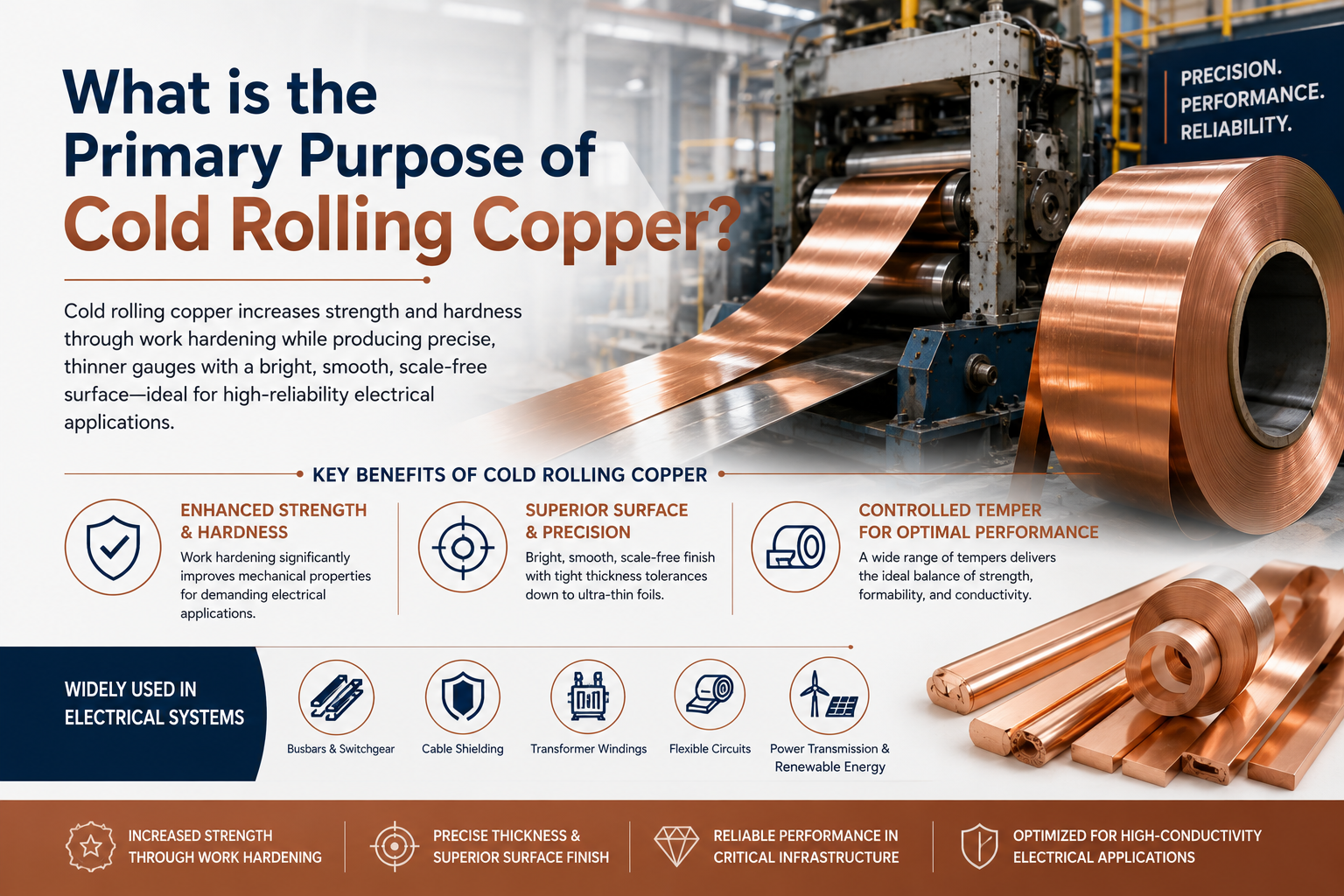
Le but principal du laminage à froid du cuivre est d'améliorer ses propriétés mécaniques, telles que la résistance à la traction et la dureté, et d'obtenir des dimensions précises et une finition de surface lisse.

Le primary purpose of cold rolling copper is to significantly increase its strength and hardness through work hardening (strain hardening) while producing exceptionally precise, thinner gauges with a bright, smooth, scale-free surface finish. Raw copper in its annealed state is naturally soft and highly malleable. Cold rolling deforms the metal’s crystal structure at or near room temperature, creating a dense network of dislocations that greatly enhances mechanical performance without sacrificing the material’s excellent electrical and thermal conductivity.

This controlled deformation process is indispensable for manufacturing high-reliability electrical components and cable materials, including precision copper strips for busbars, shielding tapes, flexible conductors, and ultra-thin foils used in power distribution, substations, renewable energy systems, and data center infrastructure.

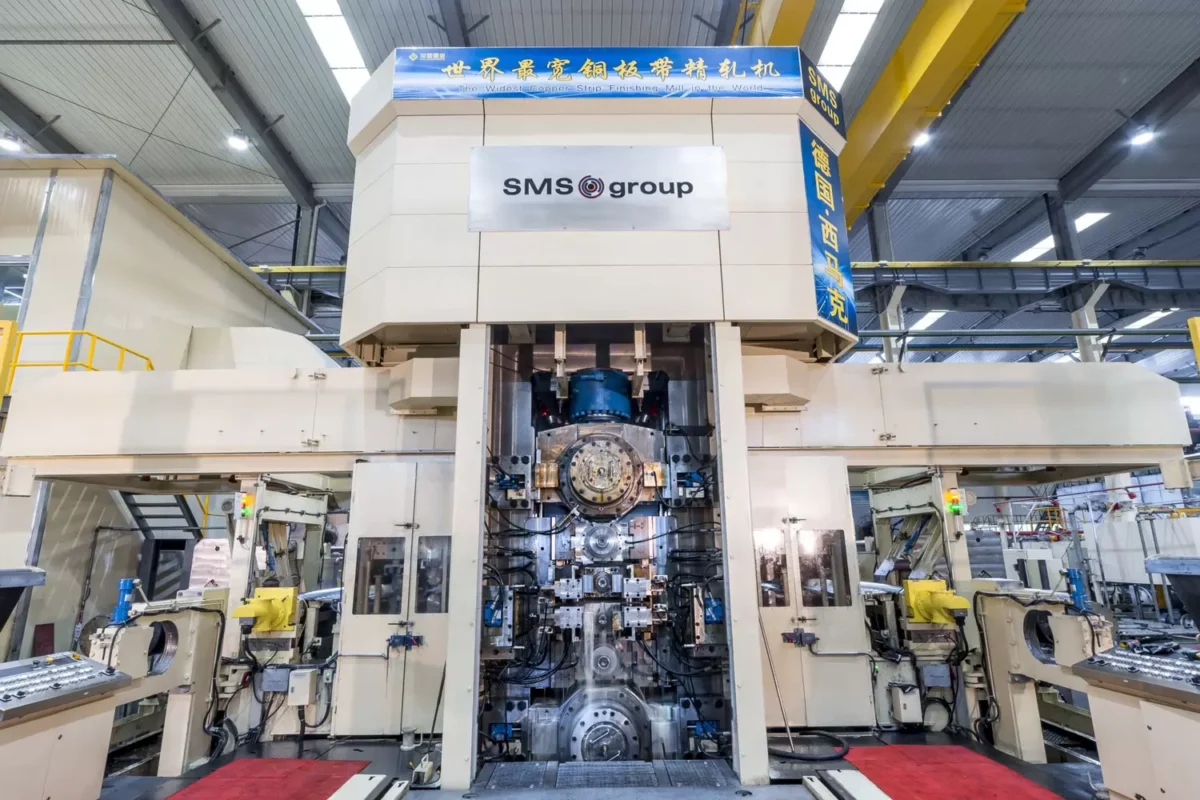
Advanced cold rolling mill technology enables high-precision copper strip and foil production with excellent shape control and tight tolerances.

The Cold Rolling Process for Copper:

Technical Overview

Cold rolling begins with hot-rolled or cast copper slabs/coils that have been properly descaled and pickled. The material then passes through a series of rolling stands—typically 4-high, 6-high, or advanced cluster mills (including 20-high configurations for ultra-thin foils)—under high pressure and controlled tension.

Key technical features of modern copper cold rolling include:

  • Multiple controlled passes with precise reduction ratios (often 10–90% total reduction depending on final temper and thickness).
  • Lubrication and cooling systems to manage friction, heat generation, and surface quality.
  • Advanced shape control technologies such as work-roll bending, intermediate-roll shifting, spot cooling, and crown control to maintain flatness and prevent defects even at high speeds.
  • High-speed operation (up to thousands of feet per minute in optimized mills) combined with automated inspection for surface and dimensional quality.

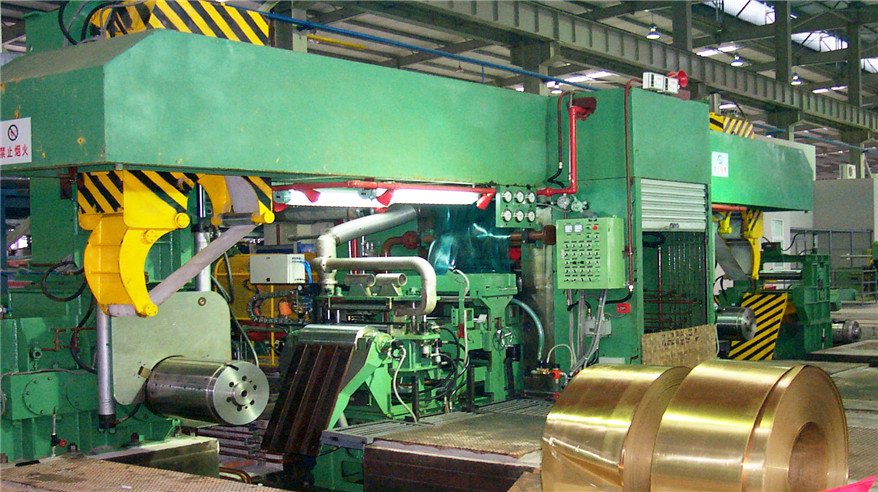
Industrial copper strip cold rolling line producing high-quality coils with superior surface finish.

Because copper work-hardens rapidly, intermediate annealing may be applied between heavy reductions to restore ductility and allow further thickness reduction without cracking. The final product can be delivered in a wide range of tempers or given a final skin-pass/temper roll for specific surface characteristics.

Core Benefits of Cold Rolling Copper

1. Dramatic Improvement in Mechanical Strength and Hardness (Work Hardening)

Cold rolling increases dislocation density within the copper crystal lattice. This directly translates into higher yield strength, tensile strength, and hardness, making the material far more resistant to deformation, scratching, and fatigue under mechanical stress.

Typical properties for high-conductivity C11000 (ETP) copper illustrate the transformation:

Mechanical Properties Comparison (C11000 Electrolytic Tough Pitch Copper)

TemperTensile Strength (MPa)Yield Strength (MPa)Elongation (%)Hardness (HV)Electrical Conductivity (% IACS)
Annealed (O)200–25050–7035–4545–55100
Half-Hard (H02)240–29080–10025–3570–8098–99
Hard (H04)300–370120–15010–2090–10097–98
Extra-Hard360–420+150–200+5–12100–110+96–97

These improvements make cold-rolled copper ideal for applications requiring structural integrity alongside electrical performance.

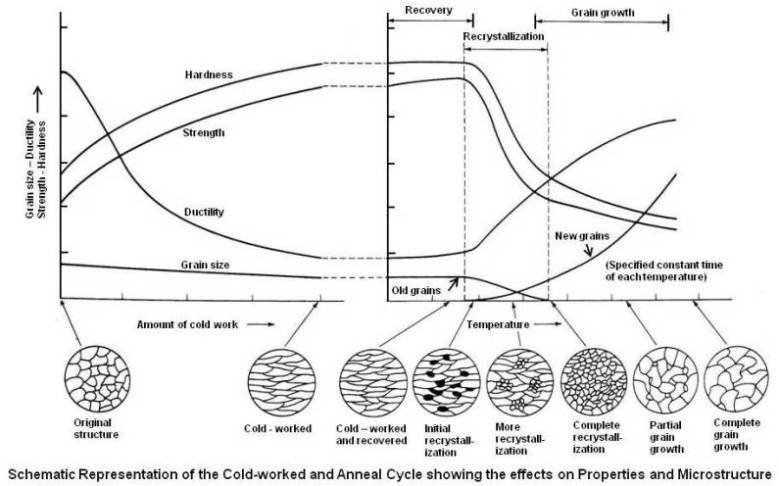
Classic representation of cold working and annealing effects: increasing cold reduction raises strength and hardness while reducing ductility; annealing restores formability through recovery and recrystallization.

2. Superior Surface Finish and Precision

Unlike hot rolling, which leaves an oxide scale requiring extensive pickling, cold rolling produces a bright, smooth, reflective surface with excellent cleanliness. This finish is critical for:

  • Low-contact-resistance electrical joints
  • Aesthetic architectural and visible busbar applications
  • Reliable performance in shielding layers and flexible circuits

Dimensional tolerances are significantly tighter, enabling consistent thickness control down to ultra-thin foils (often below 0.1 mm or even microns for specialized applications). Modern mills with advanced automation deliver flatness and profile consistency that hot-rolled material cannot match.

3. Controlled Temper for Application-Specific Performance

By precisely managing the percentage of cold reduction, manufacturers produce a full range of tempers (H00, H01, H02, H04, etc., per ASTM standards). This allows engineers to select the optimal balance between strength, formability, and conductivity for each component—whether rigid busbars that must maintain shape under load or flexible shielding tapes that require bendability during cable installation.

Cold Rolled vs Hot Rolled Copper: Practical Comparison

CharacteristicCold Rolled CopperHot Rolled Copper
Surface FinishBright, smooth, scale-freeRough, oxidized scale present
Strength & HardnessSignificantly higher (work hardened)Lower, more ductile
Dimensional ToleranceVery tight, high precisionWider tolerances due to thermal shrinkage
Minimum Achievable ThicknessUltra-thin foils and precision stripsGenerally limited to thicker gauges
ConductivitySlightly reduced (recoverable by annealing)Closer to maximum in annealed state
Typical ApplicationsBusbars, shielding, precision conductors, foilsInitial forming, heavy structural sections

Cold rolling is usually the finishing process that delivers the final performance characteristics required by demanding electrical and cable specifications.

Key Applications in Electrical Systems and Cable Manufacturing

Cold-rolled copper strip and foil are widely used where strength, precision, and surface quality directly impact system reliability:

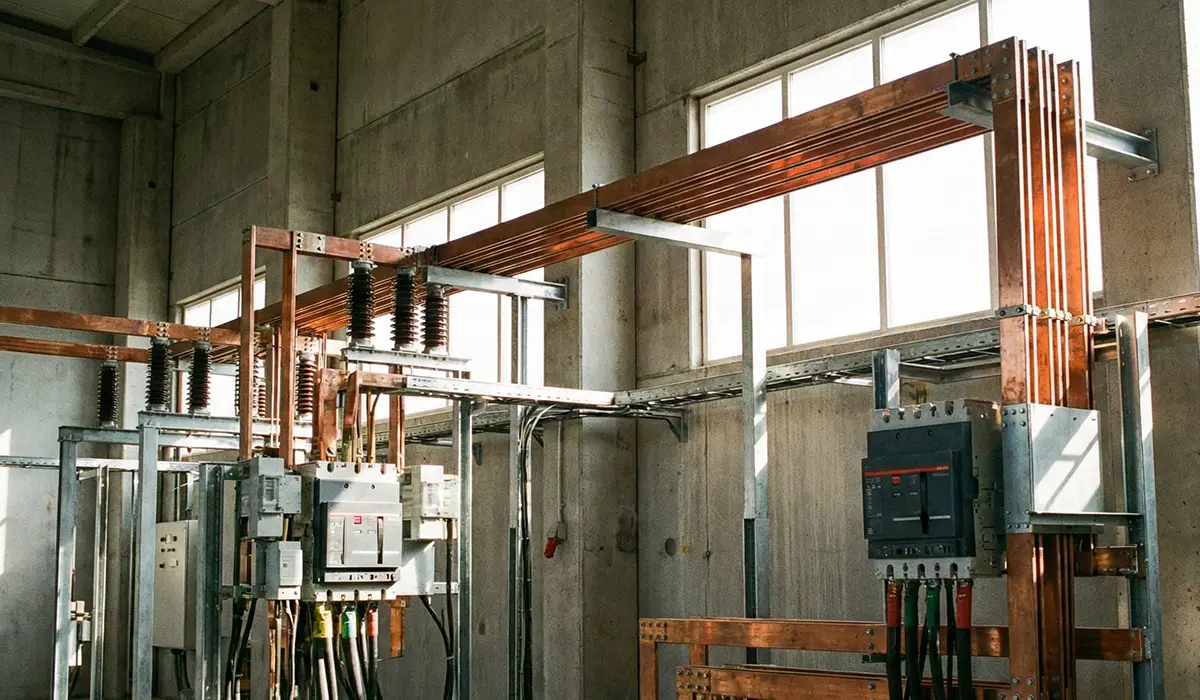
  • Barres omnibus en cuivre — High-strength tempers provide excellent current-carrying capacity with structural rigidity for switchgear, substations, and data center power distribution.
  • Cable Shielding & Concentric Neutrals — Precision strips offer mechanical robustness during installation and long-term electromagnetic performance.
  • Transformer & Reactor Windings — Controlled tempers balance conductivity with the ability to withstand electromagnetic forces.
  • Flexible Circuits & Specialty Conductors — Ultra-thin cold-rolled foils enable compact, high-performance designs.
  • Power Transmission & Renewable Infrastructure — Reliable performance in harsh environments (high temperature, vibration, or corrosive conditions common in Middle East and global projects).

High-quality cold-rolled copper busbars in industrial power distribution systems — strength, precision, and surface quality ensure long-term reliability.

Annealing and Temper Selection: Achieving the Optimal Balance

Cold rolling is frequently followed by controlled annealing to relieve internal stresses, restore ductility, and fine-tune electrical conductivity while preserving the desired strength level. Full annealing returns the material close to soft temper; partial or recovery annealing produces intermediate tempers with excellent combinations of properties.

Our technical team routinely assists customers in selecting the correct temper and post-processing route based on specific mechanical, electrical, and forming requirements—ensuring both performance and manufacturability.

Why Partner with an Experienced Cable Industry Specialist?

Selecting the right copper material and temper is a critical technical decision that directly affects cable performance, installation efficiency, and long-term operational reliability. With deep expertise in wire and cable manufacturing processes and materials, we provide not only premium equipment solutions but also practical engineering support for material specification, temper selection, and process optimization.

Whether you are designing high-current busbar systems, optimizing shielding for medium-voltage cables, or sourcing precision copper components for infrastructure projects, our team delivers reliable, data-driven recommendations tailored to your exact requirements.

Ready to optimize your copper material selection or discuss custom cable production solutions?

Demande d'informations — Our engineers are ready to support your project with technical specifications, temper recommendations, and complete manufacturing solutions.

For immediate assistance or to request detailed material datasheets and inquiry templates, contact our global sales and technical team today. We look forward to building a long-term, reliable partnership with you.

Laisser un commentaire

Votre adresse e-mail ne sera pas publiée. Les champs obligatoires sont indiqués avec *