Düşük Oksijenli Bakır Çubuk, Ürün Bilgi Bankası, Kategorilendirilmemiş

Düşük Oksijenli Bakır Çubuk ile Oksijensiz Bakır Çubuk Arasındaki Fark

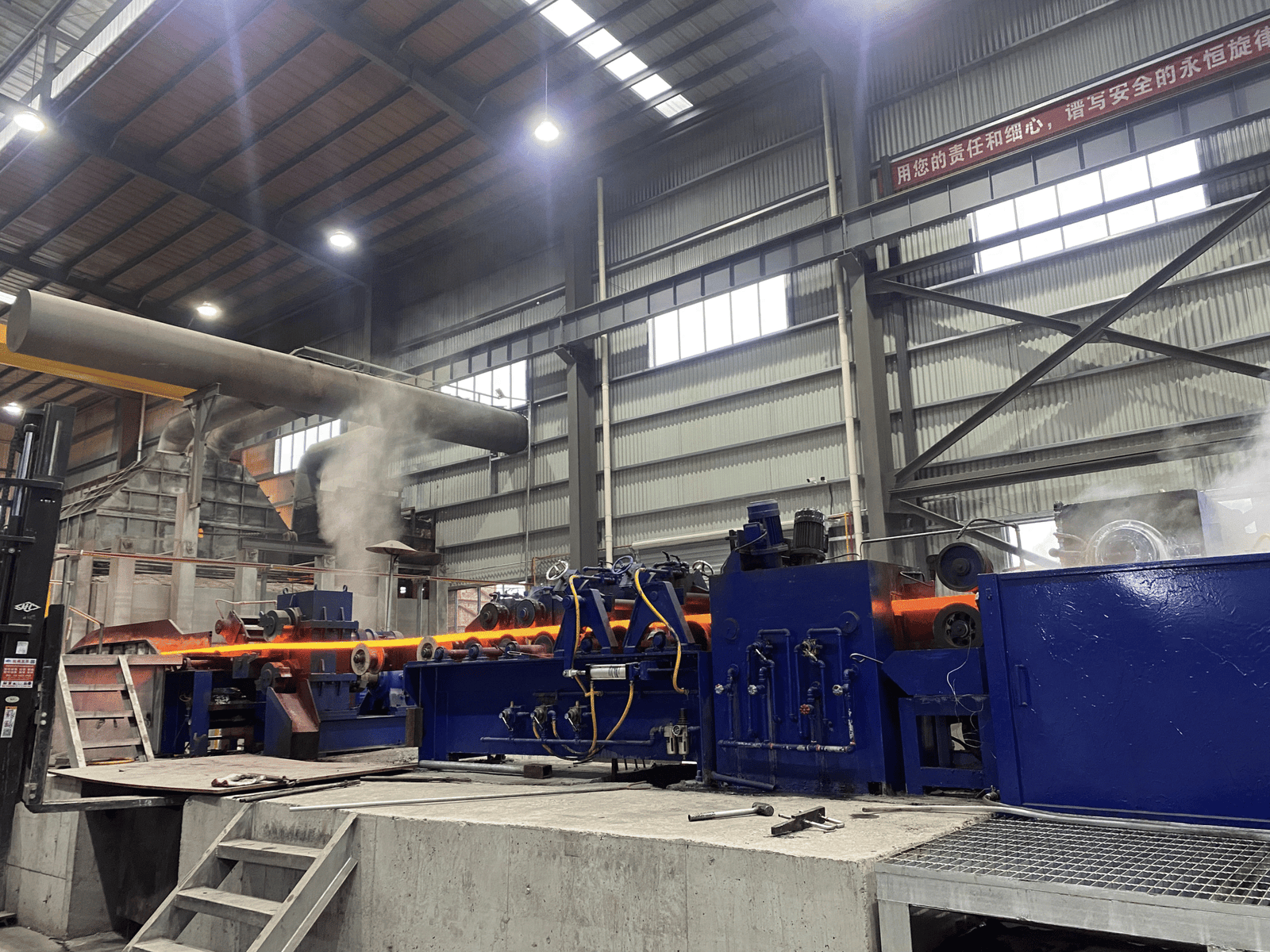
Düşük oksijenli bakır çubuk (CCR) üretim hattı, kablo iletkenleri için sürekli döküm ve haddeleme yöntemi - doingcable.com

In the cable manufacturing industry, the choice of raw material directly determines the final performance, reliability, and service life of power cables, control cables, and specialty wires. Two of the most commonly discussed materials are Low Oxygen Copper Rod Ve Oxygen-Free Copper Rod (OFC).

As a veteran supplier with over 15 years of experience providing cable machinery and turnkey solutions to Middle East projects, we help clients select the right copper rod for harsh desert environments, high-voltage transmission, and Vision 2030 renewable energy initiatives.

1. Oxygen Content: The Fundamental Difference

  • Low Oxygen Copper Rod: Oxygen content typically ranges from 200-400 ppm (sometimes up to 500-700 ppm). Produced mainly by Sürekli Döküm ve Haddeleme (CCR) process. Oxygen exists as copper oxide particles near grain boundaries.
  • Oxygen-Free Copper Rod (OFC): Oxygen content <10 ppm (premium grades <5 ppm or even <2.5 ppm). Produced by Upward Continuous Casting (Upcast) method under strict oxygen-free atmosphere.

Why it matters: Even small amounts of oxygen affect conductivity, ductility, and long-term reliability in high-temperature or hydrogen-rich environments.

Fig.1: Low Oxygen Copper Rod production via Continuous Casting & Rolling Line (factory real shot)

2. Production Process Comparison

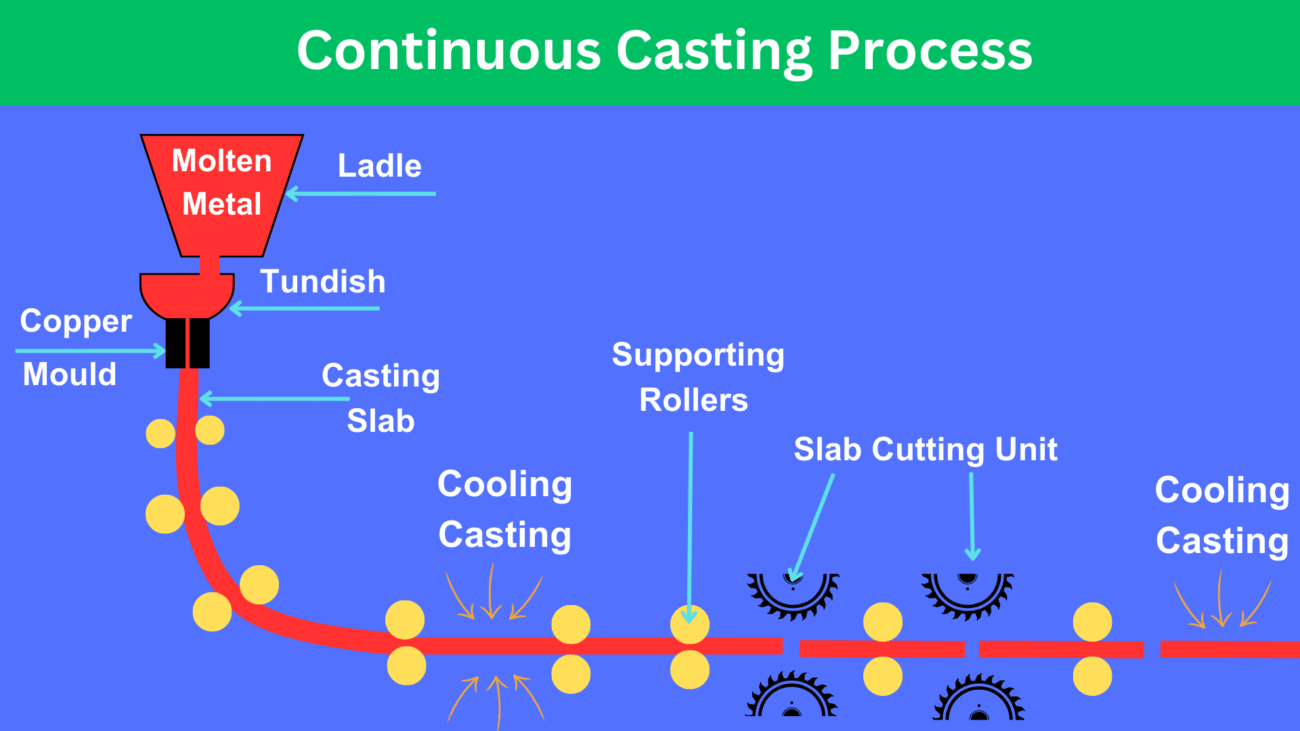
Low Oxygen Copper Rod (CCR Route): Electrolytic copper cathodes melted in shaft/vertical furnace → flows through holding furnace & tundish → cast into billet with high cooling intensity → multi-pass hot rolling under protective atmosphere. Creates refined hot-worked microstructure.

Oxygen-Free Copper Rod (Upcast Route): Melted in induction furnace → upward continuous casting through graphite mold in controlled atmosphere → optional cold rolling. Produces cast structure with large grains.

Continuous casting and rolling process diagram for low oxygen copper rod manufacturing

3. Performance Data Comparison (Critical for Middle East Projects)

MülkLow Oxygen Copper RodOxygen-Free Copper Rod (OFC)Winner & Cable Application Impact
Oxygen Content200-400 ppm<10 ppm (often <5 ppm)OFC – Better long-term stability
Elektriksel İletkenlik98-99% IACS≥101% IACSOFC – Lower energy loss in HVDC & renewable cables
Çekme Mukavemeti220-250 MPa200-220 MPaLow Oxygen – Better for overhead lines
Elongation / DuctilityGood (but oxide inclusions)Excellent (uniform structure)OFC – Superior for fine wire drawing
Drawability (Fine Wire)Demanding on conditionsExcellent (down to 0.05mm)OFC – Magnet wire & high-end cables
Hydrogen Embrittlement ResistanceIlımanHarikaOFC – Critical in high-temp desert projects
Surface AppearanceBright but possible imperfectionsMirror bright & smoothOFC – Premium look & quality
MaliyetLower (high volume)15-30% higherLow Oxygen – Cost-effective bulk

Data sources: Industry standards (IACS), manufacturer benchmarks.

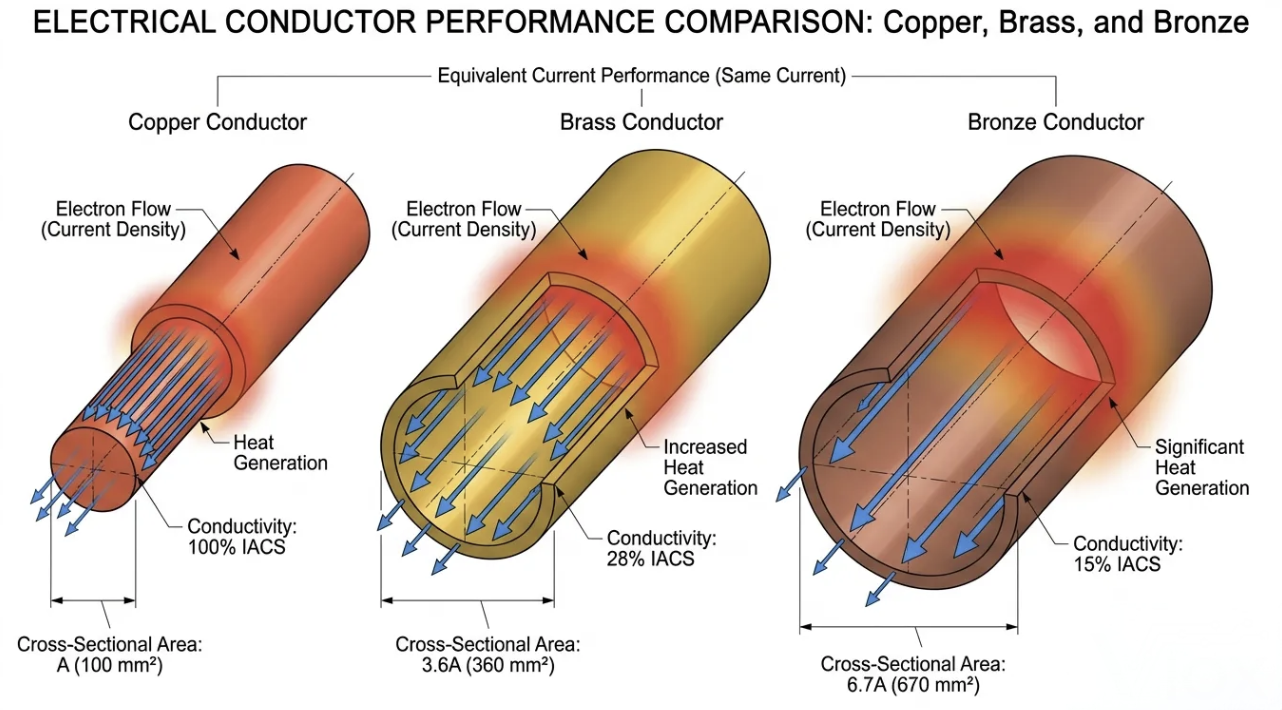
Pure copper conductor electrical conductivity comparison for cable manufacturing

4. Applications in Cable Manufacturing

  • Low Oxygen Copper Rod: Ideal for standard power cables, overhead conductors, and large-diameter wires where cost-efficiency and mechanical strength matter. Widely used in Middle East grid expansion projects requiring reliable, high-volume supply.
  • Oxygen-Free Copper Rod: Preferred for high-performance cables — new energy (solar/wind), high-frequency, magnet wires, and specialty cables needing maximum conductivity and flexibility. Excellent for hydrogen-rich or high-temperature environments common in Saudi Arabia and UAE.

Middle East Recommendation: For Vision 2030 renewable projects and NEOM smart grid, we recommend OFC for critical transmission lines to minimize losses; Low Oxygen for cost-effective distribution networks.

5. How to Choose the Right One for Your Plant

  1. Define project requirements (voltage, environment, wire gauge).
  2. Test samples for conductivity and drawability.
  3. Consider total cost of ownership — OFC may save energy and reduce maintenance.
  4. Partner with experienced suppliers offering both CCR and Upcast lines for flexible production.

SSS

Q: Can low oxygen and oxygen-free rods be used together?

A: Yes, but matching properties is critical to avoid performance variation.

Q: Which is better for enameled wire?

A: Low oxygen often performs well in softness and rebound; OFC excels in ultra-fine drawing.

Bir yanıt yazın

E-posta adresiniz yayınlanmayacak. Gerekli alanlar * ile işaretlenmişlerdir