Ürün Bilgi Bankası, Teknik Kılavuzlar ve Bilgiler

Alüminyum çubuklar ne için kullanılır?

Alüminyum çubuklar ne için kullanılır?

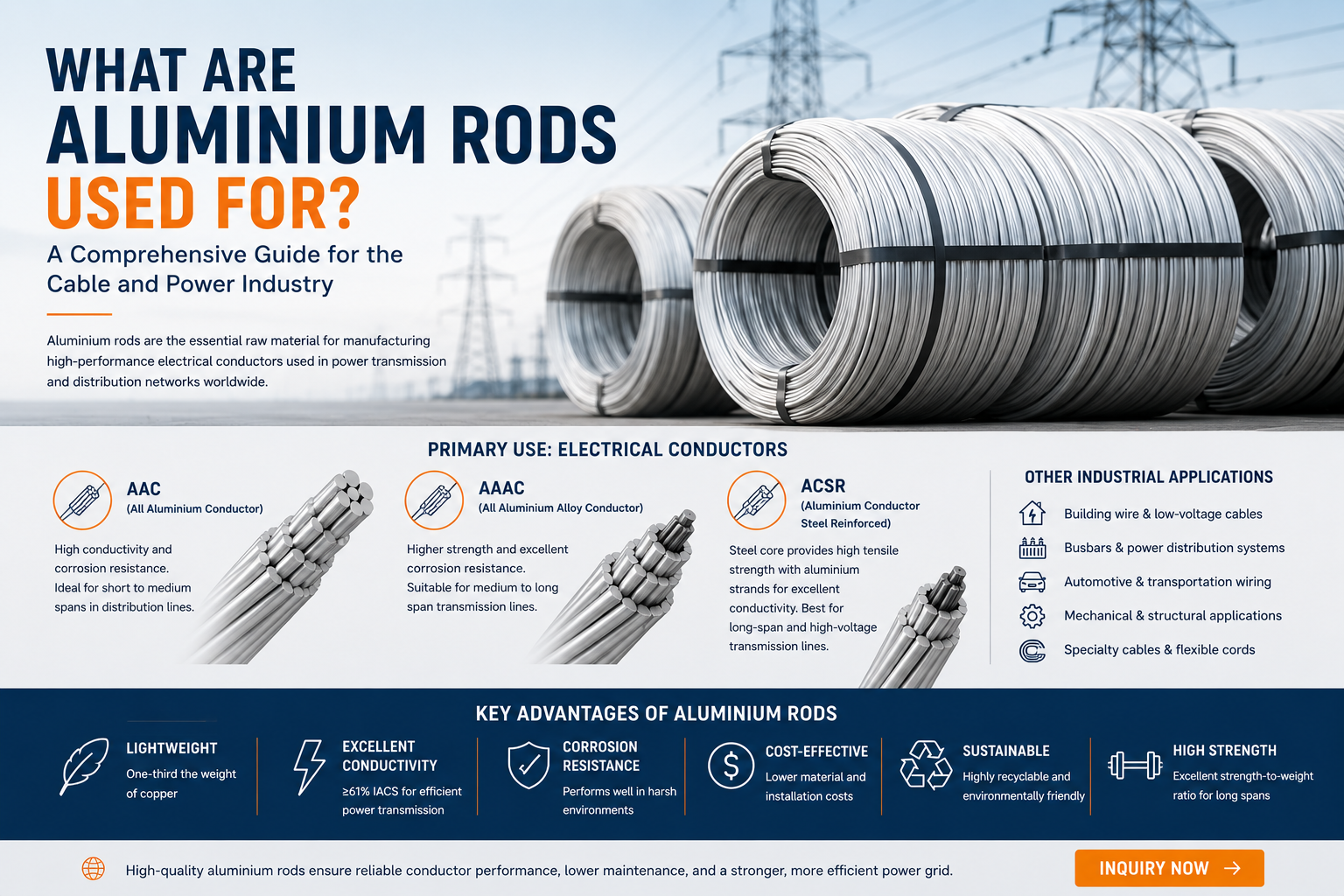
Aluminium rods, particularly EC-grade (Electrical Conductor grade) aluminium wire rods, serve as the essential raw material for manufacturing high-performance electrical conductors used across power transmission and distribution networks worldwide. Produced through advanced melting, continuous casting, and rolling (CCR) processes, these rods are drawn and stranded into bare overhead conductors that form the backbone of modern electricity grids.

With the global push toward renewable energy integration, grid expansion, and cost-effective infrastructure, aluminium rods have become indispensable due to their excellent balance of conductivity, lightweight properties, corrosion resistance, and economic advantages over copper.

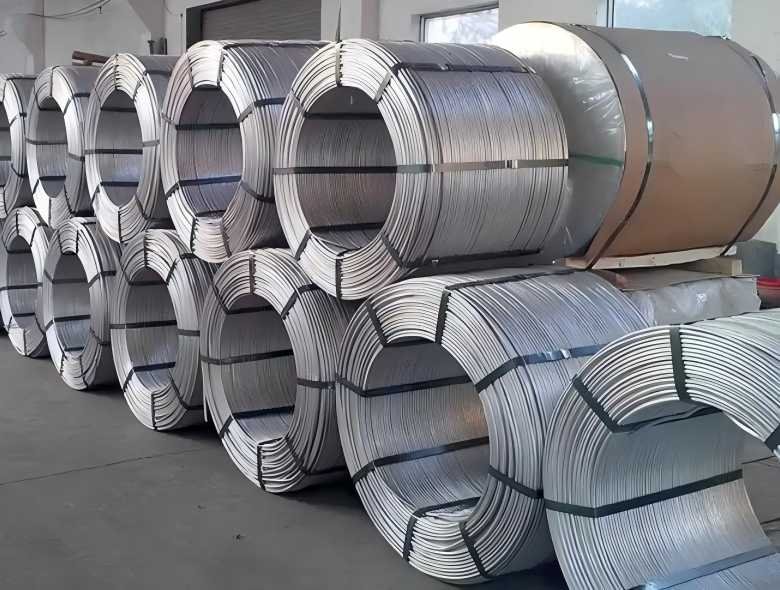
High-quality aluminium wire rod coils — the starting material for stranded overhead conductors used in power transmission.

Primary Application: Electrical Conductors for Power Transmission and Distribution

The dominant use of aluminium rods in the cable industry is the production of bare overhead conductors. These rods are drawn into wires and stranded into various conductor types that carry electrical current over long distances with minimal losses.

Key conductor types manufactured from aluminium rods include:

AAC (Tamamen Alüminyum İletken) Made from 99.7%+ pure EC-grade aluminium strands.

Best suited for: Short to medium spans in urban distribution networks, coastal areas, and environments with low mechanical stress. Advantages: Excellent conductivity, lightweight, good corrosion resistance, and cost-effective.

AAAC (Tamamen Alüminyum Alaşımlı İletken) Produced from aluminium alloy rods (typically 6xxx series).

Best suited for: Medium to long-span transmission and distribution lines, especially in high-wind, coastal, or corrosive environments. Advantages: Higher strength-to-weight ratio than AAC, superior corrosion resistance, and reduced sag compared to ACSR in many conditions.

ACSR (Alüminyum İletken Çelik Takviyeli) Features EC-grade aluminium strands wrapped around a galvanized steel core.

Best suited for: Long-span, high-voltage transmission lines, river crossings, and areas requiring high tensile strength. Advantages: Steel core provides mechanical strength while aluminium carries the current; widely used for extra-high-voltage lines.

Other variants such as ACAR (Aluminium Conductor Alloy Reinforced) and AACSR are also produced from high-quality aluminium rods for specialized applications.

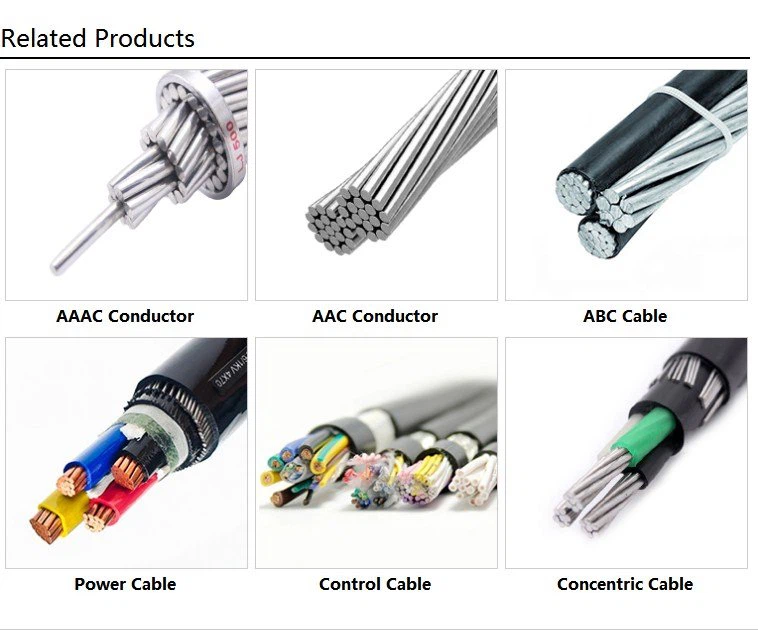
Common aluminium conductors (AAC, AAAC, ACSR) manufactured from EC-grade aluminium rods for overhead power lines.

Other Important Industrial Applications of Aluminium Rods

While electrical conductors represent the largest volume use in cable manufacturing, aluminium rods also support:

  • Building wire and low-voltage cables — Drawn into wires for residential and commercial electrical installations.
  • Busbars and power distribution systems — Used in substations and industrial plants for efficient current carrying.
  • Automotive and transportation wiring — Lightweight conductors for vehicles and rail systems.
  • Mechanical and structural applications — Rods drawn into wires for fencing, netting, and reinforcement.
  • Specialty cables — Including welding cables, flexible cords, and certain control cables where weight reduction is critical.

Key Advantages of Aluminium Rods in Cable Manufacturing

  • Lightweight Construction — Approximately one-third the weight of copper, enabling longer spans, reduced tower loading, and lower installation costs.
  • Excellent Electrical Conductivity — EC-grade rods achieve ≥61% IACS conductivity, making them highly efficient for power transmission.
  • Superior Corrosion Resistance — Especially in alloy forms (AAAC), they perform well in coastal, industrial, and polluted environments.
  • Cost-Effectiveness — Lower material cost than copper combined with reduced structural requirements delivers significant project savings.
  • Sustainability — Highly recyclable with excellent end-of-life value, supporting circular economy goals in the power sector.
  • Mechanical Performance — Proper alloy selection provides the right balance of strength, flexibility, and fatigue resistance for overhead lines.

Quality Considerations for Aluminium Rods in Conductor Production

For reliable cable performance, aluminium rods must meet strict specifications:

  • Consistent chemical composition and high purity (for EC grade)
  • Low hydrogen and inclusion content
  • Excellent surface quality and uniform diameter
  • Good drawability for high-speed wire drawing lines

High-quality rods produced on modern CCR lines ensure fewer breaks during stranding and drawing, resulting in superior finished conductors with stable electrical and mechanical properties.

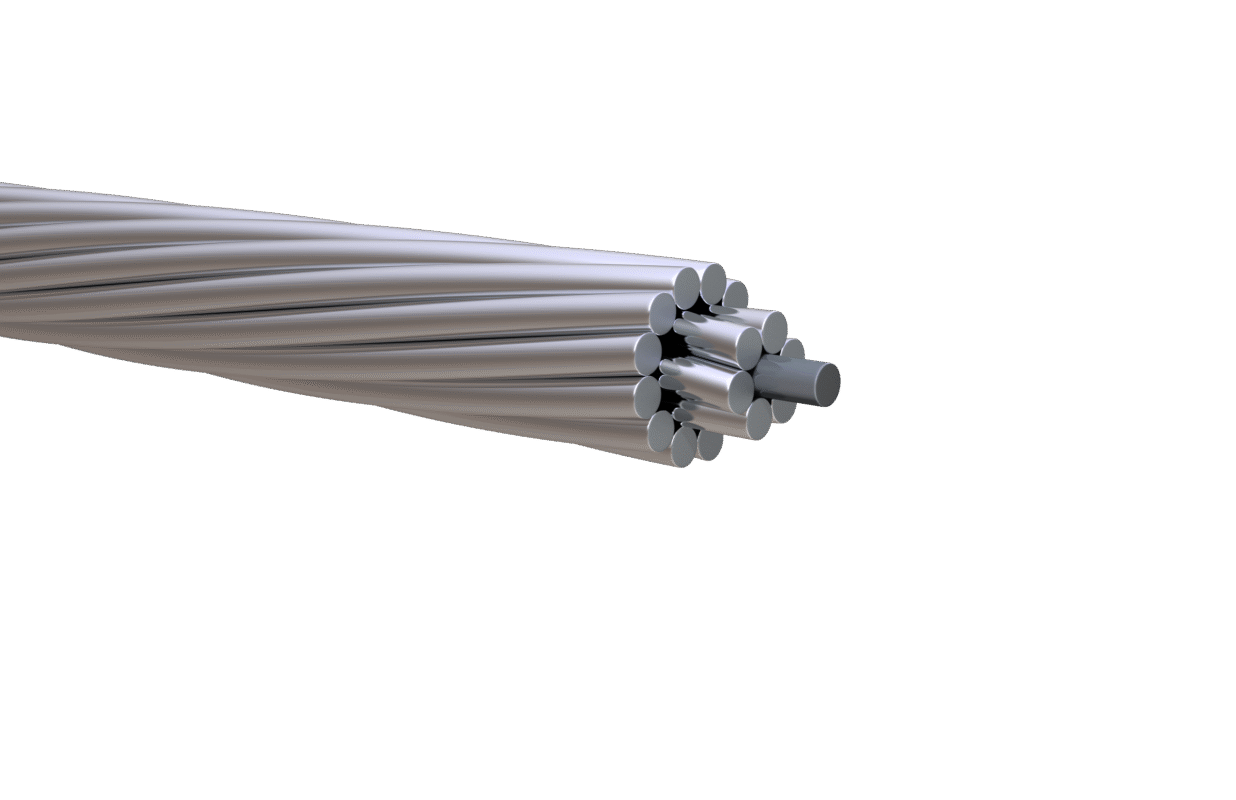
AAAC conductor — one of the most widely used aluminium rod-derived products for medium and high-voltage overhead lines.

Why Quality Aluminium Rods Matter for Cable Manufacturers and Utilities

Utilities and cable producers increasingly demand rods that deliver consistent performance in demanding environments — from desert heat to coastal corrosion. Reliable rod quality directly translates into lower maintenance costs, longer service life, and improved grid reliability.

Modern production lines combining high-efficiency melting furnaces with advanced CCR technology enable manufacturers to produce premium EC-grade and alloy rods that meet international standards for overhead conductors.

Şimdi bilgi isteyin to explore complete aluminium rod CCR production lines, melting furnace solutions, or technical support for your conductor manufacturing projects. RLB Cable Machinery provides reliable, customized equipment and long-term partnership focused on quality and performance.

Frequently Asked Questions (FAQs)

What is the main use of aluminium rods in the cable industry?

The primary use is manufacturing bare overhead conductors (AAC, AAAC, ACSR) for power transmission and distribution lines.

Why is aluminium preferred over copper for overhead conductors?

Aluminium offers a superior strength-to-weight ratio, lower cost, and sufficient conductivity for most overhead applications, allowing longer spans and reduced tower costs.

What is the difference between AAC, AAAC, and ACSR conductors?

AAC uses pure aluminium (best conductivity, lower strength). AAAC uses aluminium alloy (better strength and corrosion resistance). ACSR combines aluminium with a steel core for maximum tensile strength on long spans.

Can aluminium rods be used for underground or building cables?

Yes, drawn aluminium wires from rods are used in certain low-voltage cables, building wire, and some specialty applications, though copper remains dominant in many insulated cable segments.

Bir yanıt yazın

E-posta adresiniz yayınlanmayacak. Gerekli alanlar * ile işaretlenmişlerdir