Kablo Makineleri ve Ekipmanları, Ürün Bilgi Bankası, Teknik Kılavuzlar ve Bilgiler

Alüminyum eritmek için ne tür bir fırın kullanılır?

Alüminyum eritmek için ne tür bir fırın kullanılır?

Aluminium melting furnaces are the cornerstone of high-quality aluminium rod production — the essential raw material for electrical conductors, overhead transmission lines (AAC/ACSR), building wire, and power cables. The furnace type you choose directly determines metal cleanliness, hydrogen content, inclusion levels, energy consumption per ton, metal yield, and ultimately the drawability and final performance of your aluminium conductors.

In modern cable manufacturing plants, the melting stage must deliver consistent molten aluminium at 700–750°C with minimal oxidation and contamination to ensure stable CCR (Continuous Casting and Rolling) performance and fewer breaks during rod breakdown and multi-wire drawing.

Below is a detailed breakdown of the main furnace types used in the aluminium industry, enriched with technical specifications, refractory recommendations, real-world performance data, and direct relevance to cable production.

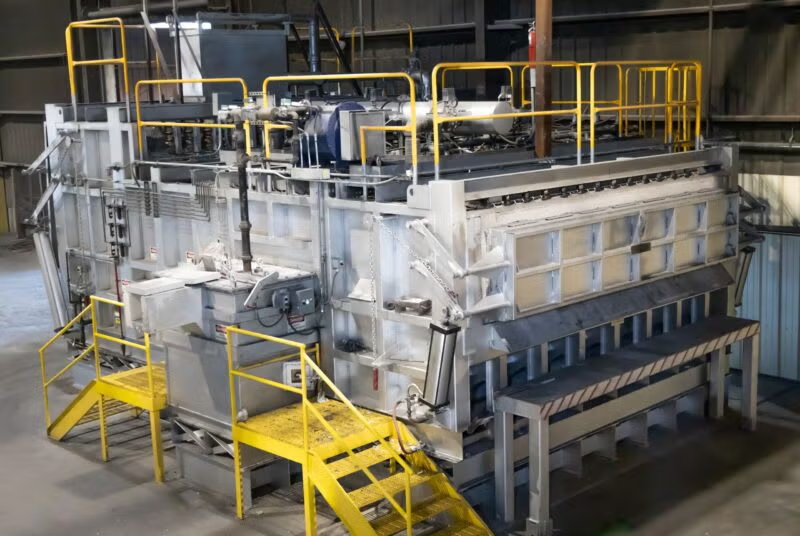
Large-scale reverberatory aluminium melting furnace with preheat hearth — widely used in high-capacity rod production plants.

1. Reverberatory Furnaces (Fixed & Tilting)

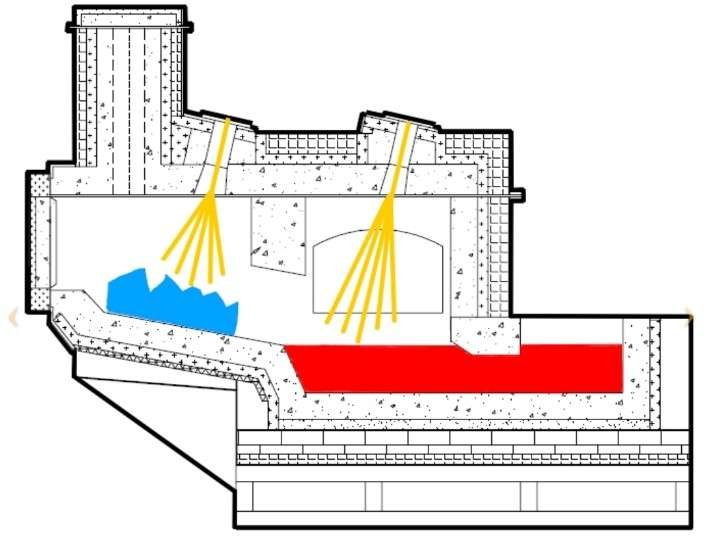
Working Principle: Heat radiates from the roof and walls onto the metal charge. Gas or oil burners fire above the melt pool.

Typical Capacity: 10–100+ tons per batch

Operating Temperature: 700–1000°C

Melting Rate: 1–8 tons/hour depending on size

Key Advantages for Cable Producers:

  • Excellent flexibility for mixed charges (primary ingot + scrap)
  • High melting capacity for large CCR lines
  • Easy integration with holding furnaces

Refractory Recommendations (FirebirdRef data):

  • Molten pool: High-alumina bricks (>75% Al₂O₃) or mullite/corundum bricks
  • Above pool: High-alumina plastic or precast castable blocks
  • Spouts & channels: Silicon carbide bricks for superior erosion resistance
  • Typical service life: 2–5 years with proper maintenance

Common Applications: Primary melting in aluminium rod CCR lines for power cables.

Schematic of reverberatory furnace showing heat radiation paths and molten aluminium pool.

2. Induction Furnaces (Coreless & Channel)

Working Principle: Electromagnetic induction generates heat directly inside the metal, providing excellent stirring and temperature uniformity.

Başlıca Avantajlar:

  • Extremely clean melting environment
  • Precise temperature control (±5°C)
  • Low hydrogen & inclusion levels — critical for high-conductivity EC aluminium rod (≥61% IACS)
  • Fast melting and alloying capability

Refractory Recommendations:

  • Small furnaces (<10 t): 75% Al₂O₃ castable or dry vibratable materials around the coil
  • Large furnaces: Corundum castable + high-alumina bricks
  • Service life: 0.5–4 years depending on maintenance frequency

Relevance to Cable Industry: Preferred for premium oxygen-free or high-purity aluminium rod used in specialty conductors and fine wire.

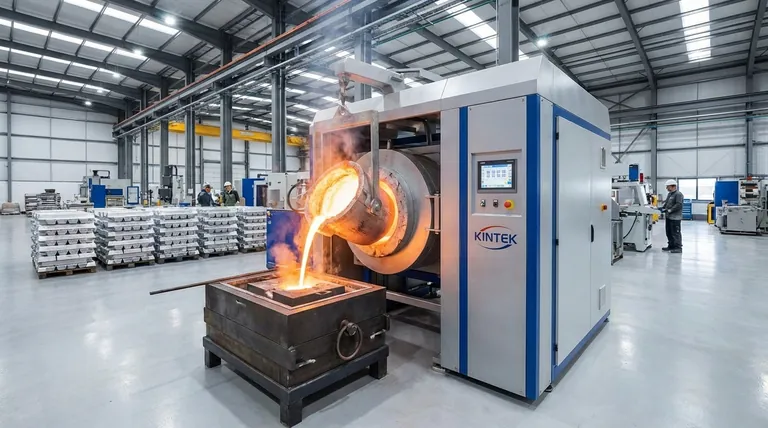
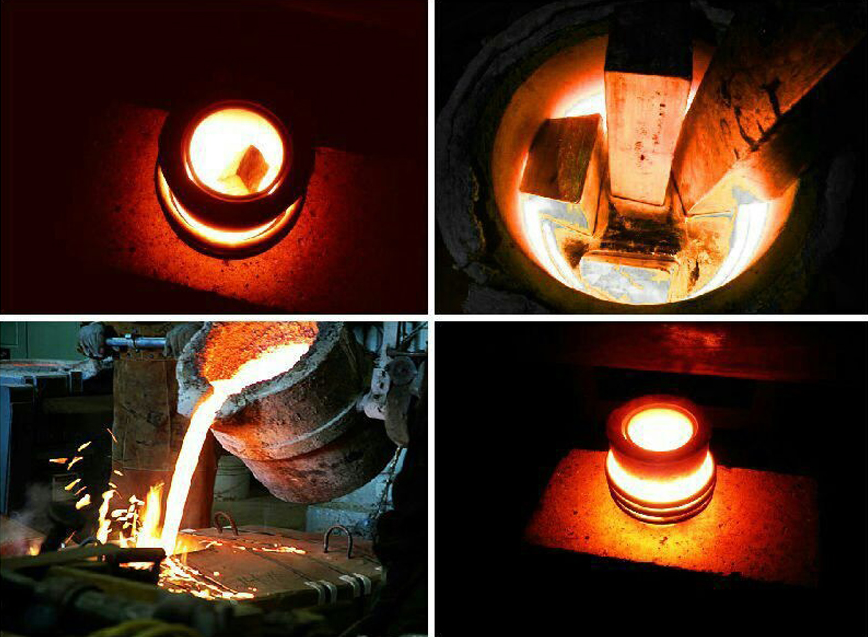
Induction furnace operation collage — excellent for visual reference of melting and pouring in cable material production.

3. Shaft / Tower Furnaces (Including Ecomelt Series by Hertwich)

Working Principle: Vertical shaft preheats scrap/ingot using rising hot exhaust gases, achieving exceptional energy recovery.

Başlıca Avantajlar (Hertwich data):

  • Thermal efficiency up to 50% higher than conventional furnaces
  • Handles contaminated scrap with up to 10% organics (painted profiles, UBC, litho sheets)
  • Extremely low oxidation losses
  • No afterburner required in many designs

Popular Models:

  • Ecomelt PS — for heavily contaminated scrap
  • Ecomelt PR — optimized for loose scrap with moderate organics

Uygulamalar: High-volume, low-carbon aluminium rod production for overhead conductors.

4. Rotary Furnaces (Tilting & Universal Rotary Tilting – URTF)

Working Principle: Rotating drum provides continuous mixing and excellent heat transfer.

Başlıca Avantajlar:

  • Ideal for low-grade, dross, or iron-contaminated scrap
  • High metal recovery rates
  • Compact footprint

Refractory Notes: Working layer usually dense fire clay or high-alumina (>55% Al₂O₃). Lifespan typically 300–500 batches due to flux attack.

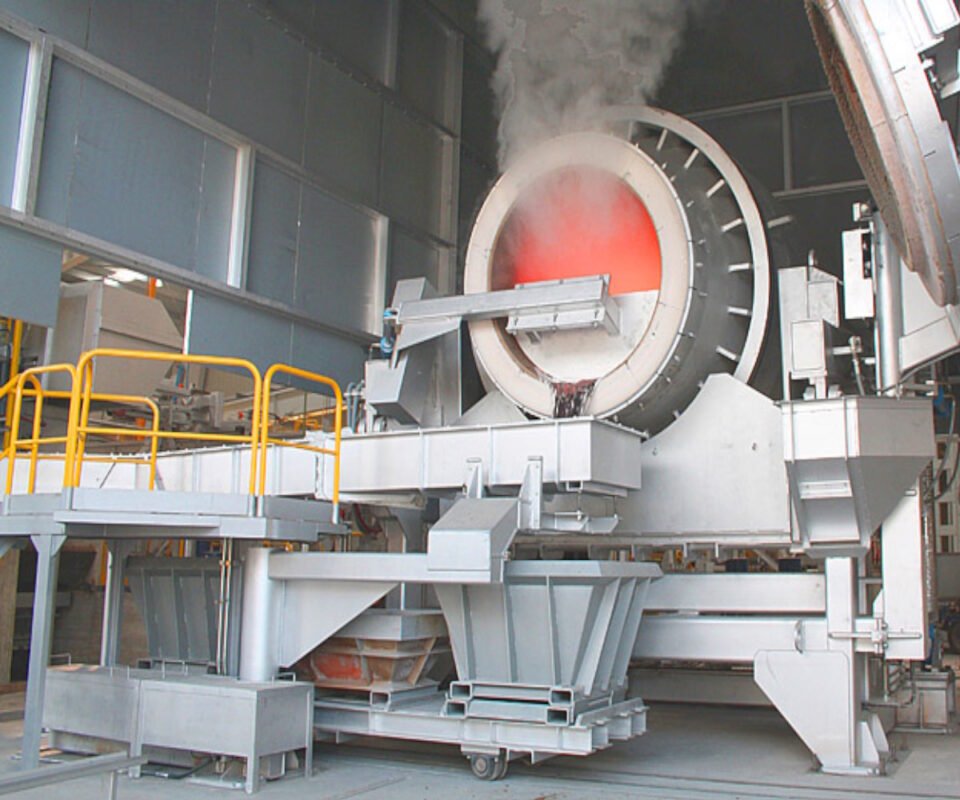
Universal Rotary Tilting Furnace (URTF) — powerful solution for recycling and secondary aluminium melting.

5. Multi-Chamber & Advanced Integrated Furnaces

Modern multi-chamber designs (e.g., Hertwich Ecomelt series) combine preheating, melting, and holding in one compact unit with full automation.

Performance Highlights:

  • Significant fuel savings and emission reduction
  • High metal yield with minimal dross
  • Seamless integration with casting machines in Compact Type Remelt Plants (CTRP)

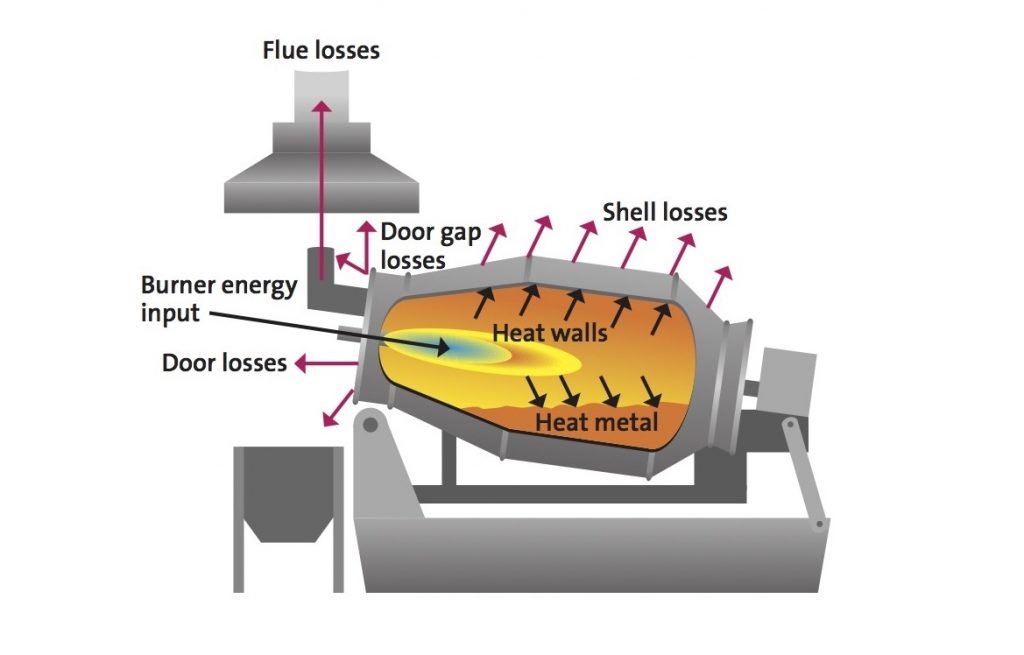
Digital twin analysis of heat flows in a tilting rotary furnace — modern tool used to optimize energy and yield in aluminium melting.

Comparison Table: Aluminium Melting Furnace Selection Guide

Furnace TypeCapacityEnergy EfficiencyMetal QualityBest For Cable ProductionRefractory Life
ReverberatoryVery HighMediumİyiLarge-scale CCR rod for power cables2–5 years
InductionMedium-HighYüksekExcellentHigh-conductivity EC & specialty conductors0.5–4 years
Shaft / EcomeltYüksekVery HighÇok güzelSustainable, high-volume conductor rodLong (energy focus)
Rotary Tilting (URTF)MediumYüksekİyiRecycling & secondary aluminium300–500 batches
Multi-ChamberYüksekHighestExcellentGreen aluminium rod + full automationOptimized design

Impact on Aluminium Rod & Final Cable Quality

Consistent melt temperature and low hydrogen/inclusions from the right furnace result in:

  • Better surface quality of cast bar
  • Fewer wire breaks during high-speed drawing
  • Higher conductivity and mechanical performance of finished conductors
  • Lower scrap rate in stranding and extrusion lines

Professional Selection Recommendations for Cable Manufacturers

When investing in aluminium melting equipment, prioritize:

  1. Compatibility with your CCR line capacity and raw material mix
  2. Energy consumption data (kWh or Nm³ gas per ton)
  3. Refractory supplier track record and local service availability
  4. Full automation & digital monitoring options
  5. Proven integration experience with rod casting and downstream equipment

Şimdi bilgi isteyin to discuss the most suitable aluminium melting furnace configuration for your rod production targets. Whether you need a complete turnkey CCR line, energy-efficient shaft furnace upgrade, or induction system for premium conductors, our team delivers customized technical solutions with reliable long-term performance and strong after-sales support.

Bir yanıt yazın

E-posta adresiniz yayınlanmayacak. Gerekli alanlar * ile işaretlenmişlerdir