Uncategorized

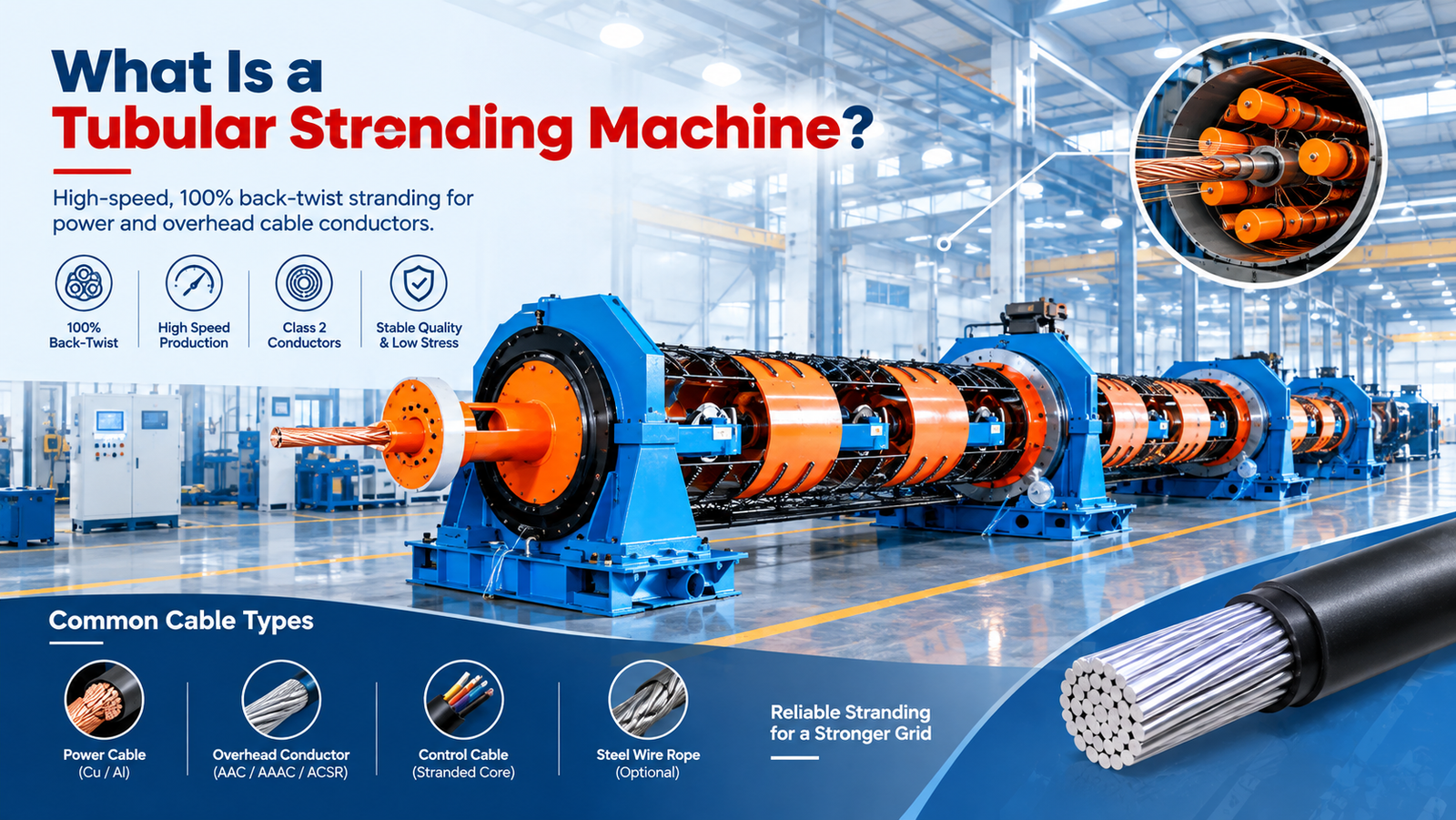
What Is a Tubular Stranding Machine?

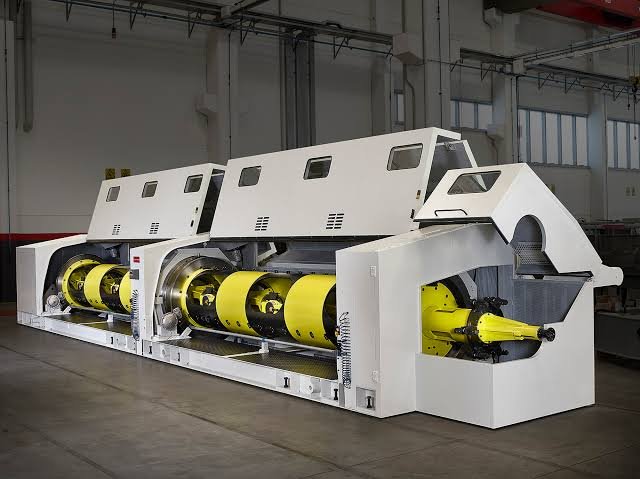
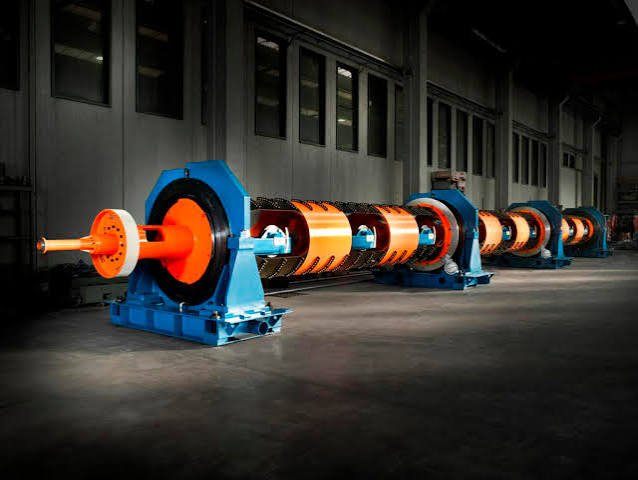
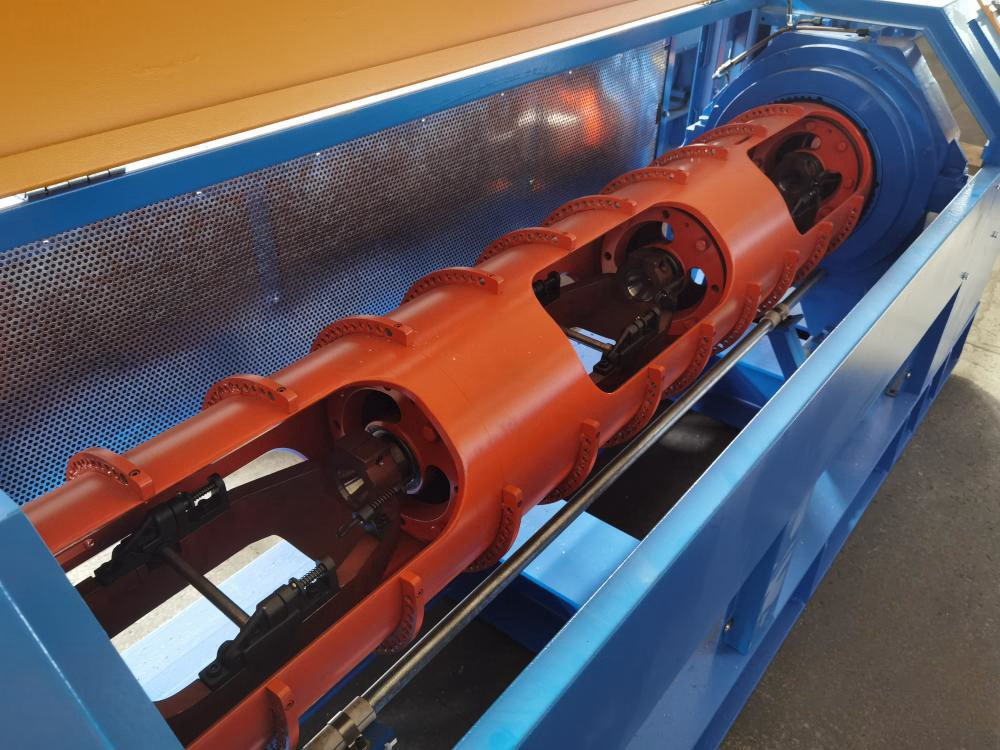
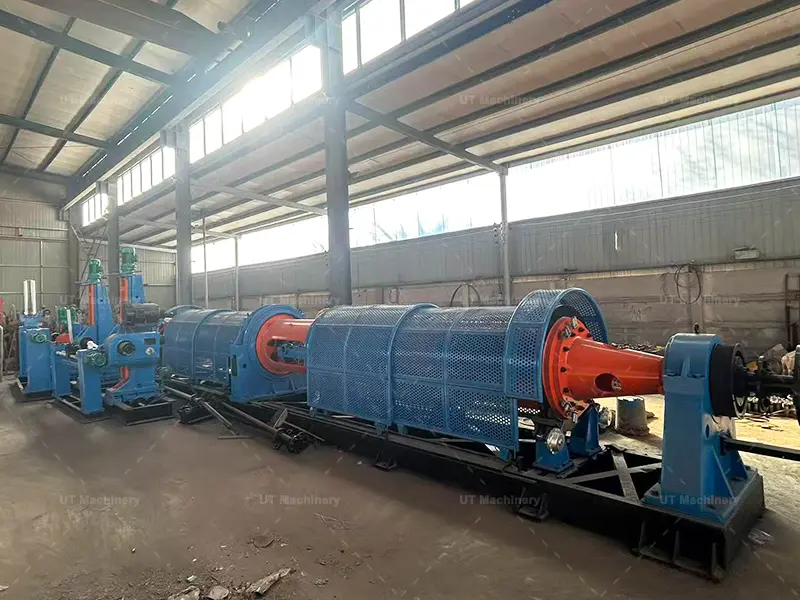
A tubular stranding machine is a high-speed rotating-tube machine that assembles multiple bare or insulated wires into a concentric stranded conductor. The bobbins are mounted inside a long cylindrical tube that rotates as a single rigid body. This design delivers true 100 % back-twist, so each individual wire experiences almost no residual torsion while the finished conductor is formed.

Typical industrial configurations are 1+6, 1+12 and 1+18 (sometimes 1+24). Bobbin sizes range from PN400 to PN630 mm, with rotor speeds of 400–1 500 rpm and line speeds of 80–230 m/min depending on wire diameter and number of bays. The machine is the standard choice for producing IEC 60228 Class 2 circular and compacted copper and aluminium conductors used in power, control and overhead cables.

How Does a Tubular Stranding Machine Work?

The entire tube rotates around its longitudinal axis while the central wire (or previously stranded core) travels straight through the centre. Outer wires are paid off from bobbins fixed inside the tube. Because the bobbins rotate with the tube but do not themselves rotate relative to the wire path, the wires leave the tube with zero net twist. A closing die or compacting rollers at the exit form the round or compacted strand. Lay length is set by the ratio of tube rotational speed to line speed and is controlled to within ±1 % by modern PLC systems.

This 100 % back-twist geometry produces conductors with stable resistance, minimal residual stress and good flexibility—properties required for Class 2 power cable conductors.

Typical Technical Parameters

ParameterTypical RangeNotes
Configuration1+6 / 1+12 / 1+18 (6B–18B, up to 24B)Concentric Class 2 strands
Bobbin sizePN400 / PN500 / PN560 / PN630 mmLarger bobbins reduce change-over time
Single-wire diameterCu 0.8–5.0 mm / Al 1.2–6.0 mmSteel wire also possible
Finished conductor ØUp to 15–35 mmDepends on wire count and compacting
Rotor speed400–1 500 rpmHigher for smaller bobbins
Line speed80–230 m/min100–180 m/min common on PN500–630
Back-twist100 %Inherent to tubular design
Lay-length accuracy≤ ±1 %Encoder + servo control
Tension controlMagnetic-particle or hysteresisVariance typically ±2 %
Take-upPN1250–PN2000Shaft or portal type
Main motor power45–110 kWDepends on size and speed

Where Are Tubular Stranding Machines Used?

  • Medium- and low-voltage power cables: 7-wire and 19-wire Class 2 copper and aluminium conductors (IEC 60228).
  • Overhead conductors: AAC, AAAC and the aluminium layers of ACSR.
  • Control and instrumentation cables: small-section stranded cores.
  • Steel wire rope and messenger wires when equipped for higher tensile materials.
  • Compacted circular conductors for reduced outer diameter and improved current-carrying capacity.

For conductors larger than approximately 70–95 mm² or for sector-shaped cores, rigid-frame or planetary stranders are normally preferred because they can handle more wires and heavier bobbins.

Selection Considerations

Choose bobbin size according to required production volume and wire diameter. PN500 and PN630 machines cover the majority of Class 2 power-cable work. Higher rotor speeds (and therefore higher line speeds) are achieved with smaller bobbins (PN400) and fewer bays. Full 100 % back-twist is the principal advantage over rigid-frame machines; it reduces residual torsion and improves conductor flexibility and dimensional stability.

Modern machines include wire-break detection on every position, centralised lubrication, safety guarding with interlocks, and PLC/HMI control that stores recipes for different constructions. Compacting dies or roller systems can be fitted at the closing point when compacted conductors are required.

Standards Supported

Finished conductors produced on tubular stranders meet the requirements of:

  • IEC 60228:2023 Class 2 (stranded circular and compacted conductors)
  • ASTM B8 (concentric-lay stranded copper)
  • IEC 61089 / ASTM B231 / B399 for aluminium overhead conductors

Lay length, wire diameter uniformity and DC resistance are the primary parameters verified after stranding.

Key Points

  • Tubular stranders provide true 100 % back-twist with high rotational speeds (up to 1 500 rpm) and line speeds of 80–230 m/min.
  • Standard configurations are 1+6, 1+12 and 1+18 with bobbins from PN400 to PN630 mm.
  • Primary application is IEC 60228 Class 2 copper and aluminium conductors for power and overhead cables.
  • Soft-annealed input wire, precise tension control and accurate lay length are essential for stable resistance and good compaction.
  • For larger cross-sections or sector conductors, rigid or planetary machines are normally selected.

Custom configurations, higher speeds, automatic bobbin loading and integrated compacting systems are available to match specific production requirements.

Leave a Reply

Your email address will not be published. Required fields are marked *