
Uncategorized

What type of wire is ACSR?

What type of wire is ACSR-doingcable

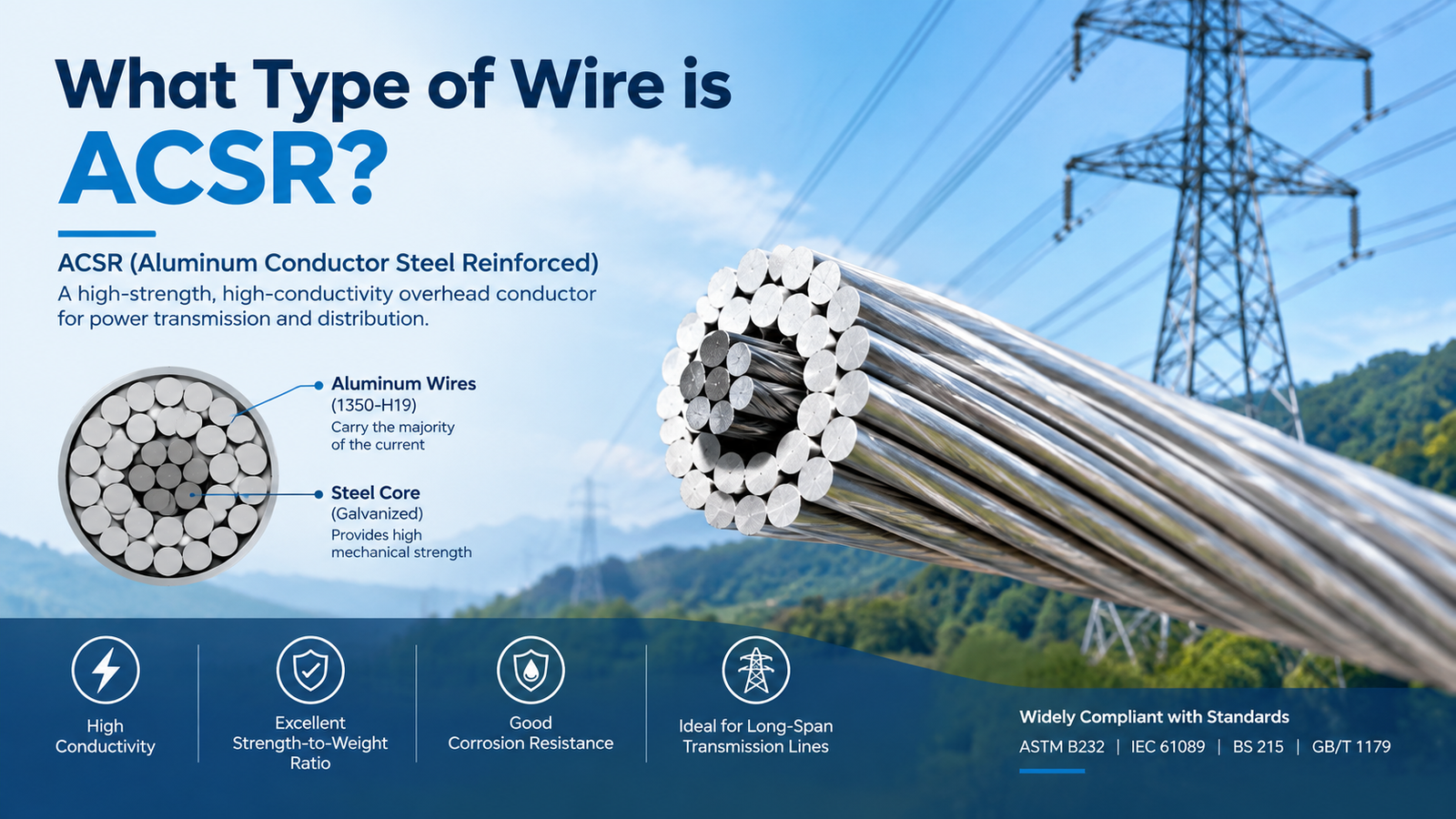
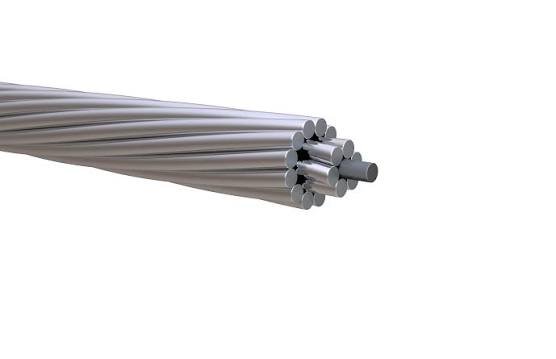
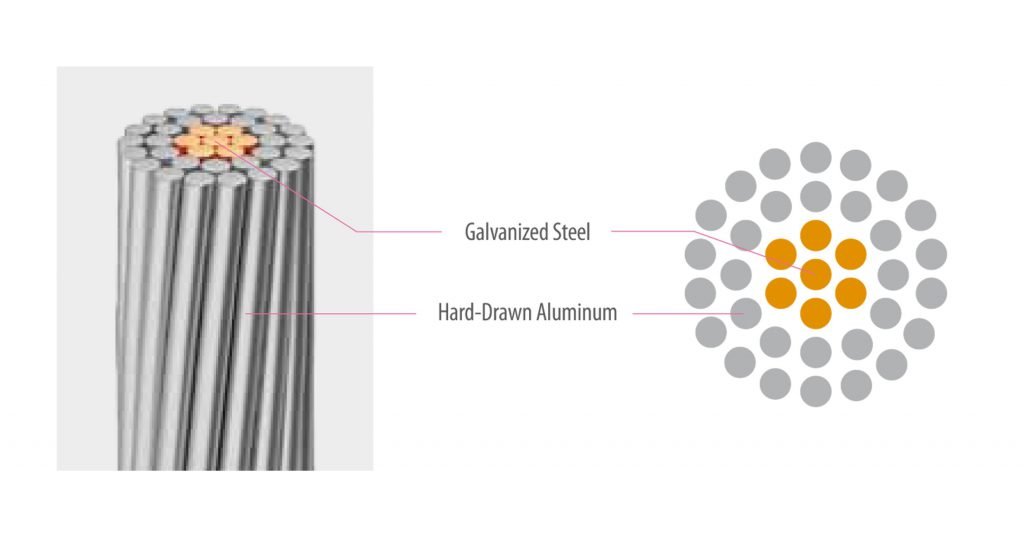
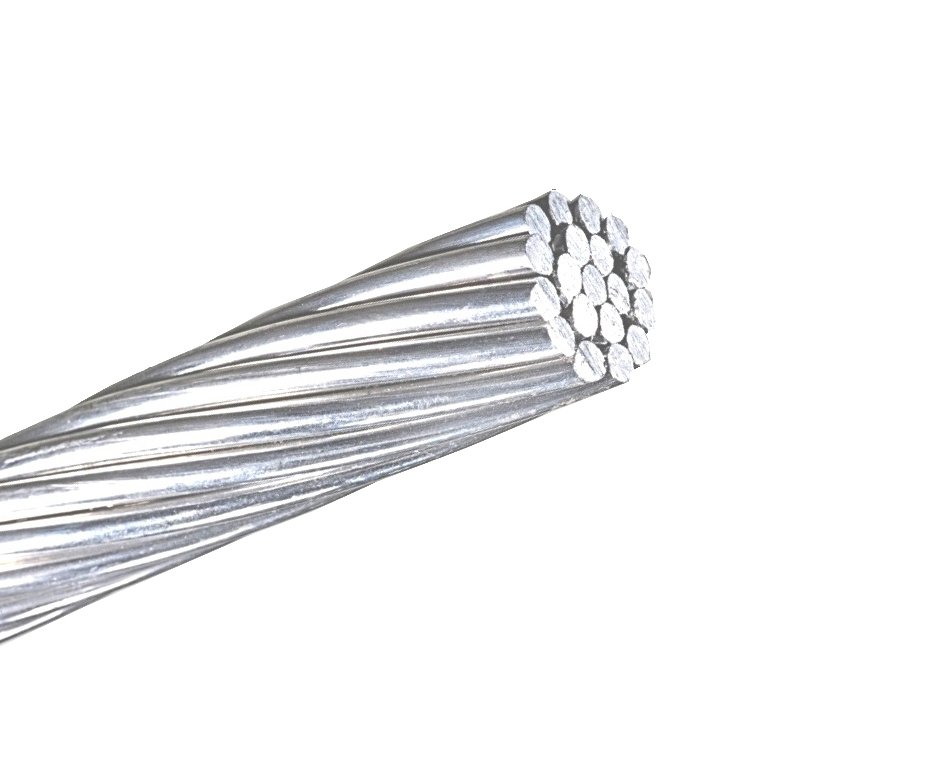
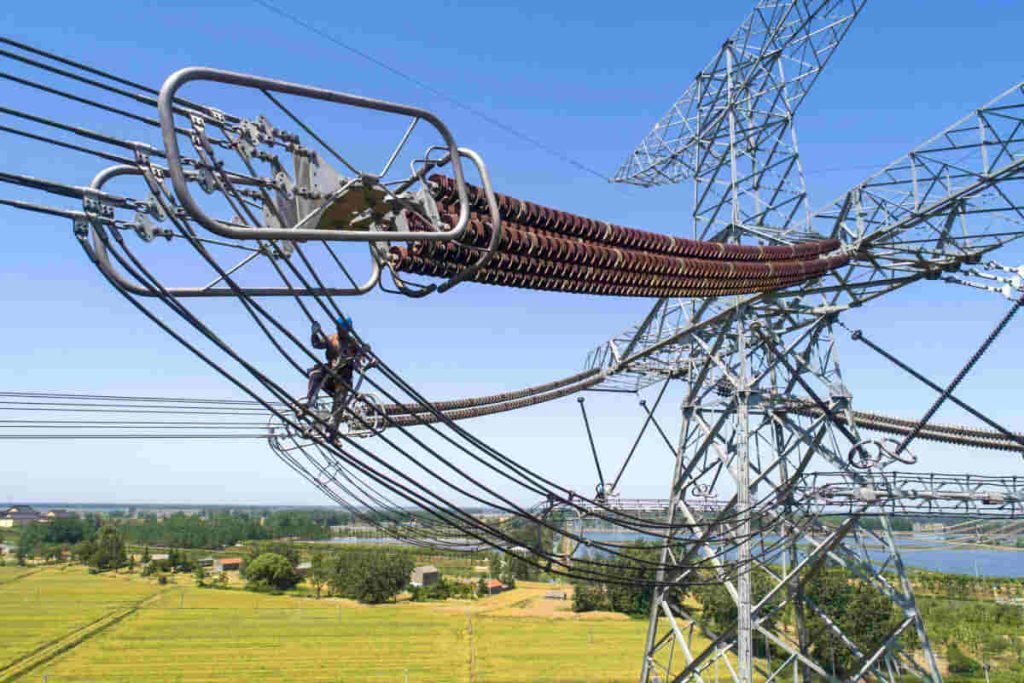
ACSR (Aluminum Conductor Steel Reinforced) is a concentric-lay stranded bare overhead conductor consisting of a central galvanized steel core surrounded by one or more layers of hard-drawn aluminum 1350-H19 wires. The aluminum layers carry the majority of the electrical current while the steel core provides the mechanical strength required for long-span transmission and distribution lines.

ACSR is the most widely used overhead conductor type for high-voltage and extra-high-voltage lines because it combines the high conductivity and light weight of aluminum with the high tensile strength of steel. It is manufactured to ASTM B232, IEC 61089, BS 215 Part 2, and GB/T 1179.

What Is the Construction of ACSR Conductor?

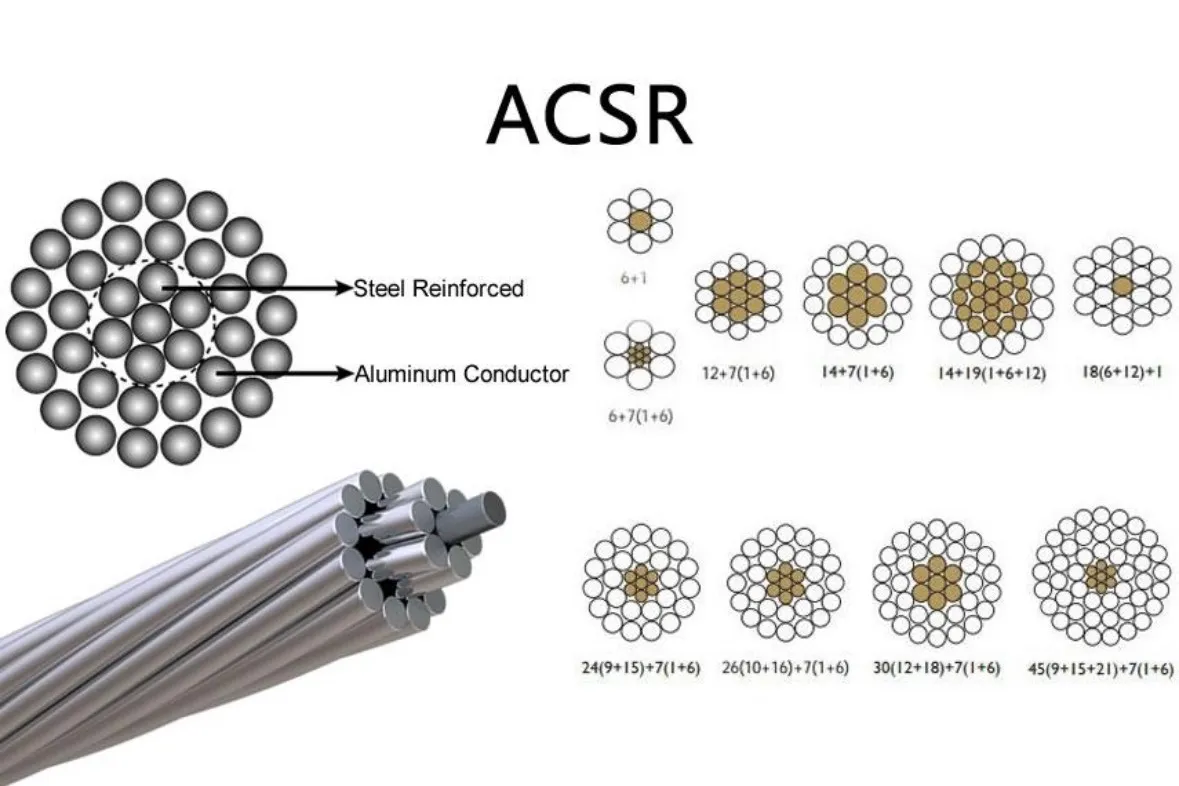
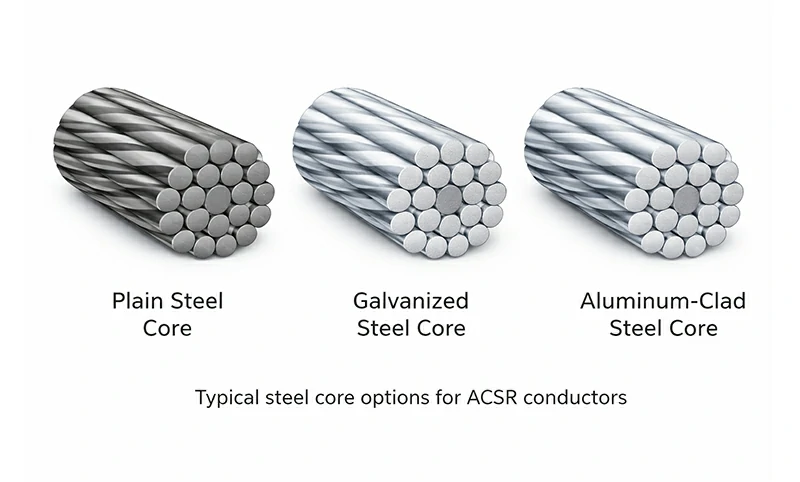
The steel core may be a single wire or a stranded cable of 7, 19 or more galvanized steel wires (Class A or C coating). One or more layers of aluminum wires are stranded concentrically around the core in the opposite lay direction. Common stranding designs include 6/1, 18/1, 26/7, 30/7, 45/7, 54/7 and 54/19 (aluminum wires / steel wires).

The ratio of aluminum to steel cross-section determines the balance between conductivity and tensile strength. Higher steel content increases rated strength and allows longer spans or heavier ice/wind loads, while higher aluminum content improves current-carrying capacity.

Typical Technical Parameters (Selected Sizes)

Nominal Area (mm²)Stranding (Al/St)Overall Diameter (mm)Weight (kg/km)Rated Strength (kN)DC Resistance 20 °C (Ω/km)Standards
16/2.76/16.30749.01.803IEC 61089
50/86/111.1323026.60.577IEC 61089 / ASTM B232
95/156/115.3143749.40.305IEC 61089 / ASTM B232
150/2426/718.1068279.70.194IEC 61089 / ASTM B232
240/4026/722.951 092120.30.121IEC 61089 / ASTM B232
400/6454/728.581 776183.10.072IEC 61089 / ASTM B232
500/6454/731.912 084212.90.058IEC 61089

Larger sizes up to 1 000–1 250 mm² are available for EHV and UHV lines. North American code names (Drake, Tern, Condor, etc.) correspond to specific ASTM B232 constructions.

Comparison: ACSR vs AAC vs AAAC

ParameterACSRAAC (All Aluminum)AAAC (All Aluminum Alloy)
Strength-to-weightHighestLowestMedium
ConductivityGood (aluminum only)HighestHigh
Corrosion resistanceGood (galvanized steel)ExcellentExcellent
Typical applicationLong-span transmissionShort-span distributionCoastal / corrosive areas
Sag performanceBest for heavy loadsHigher sagGood
CostMediumLowestHigher than AAC

ACSR is preferred when long spans, high mechanical loads or mountainous terrain are required. AAC or AAAC may be selected for shorter spans or where corrosion resistance is the dominant factor.

Applications

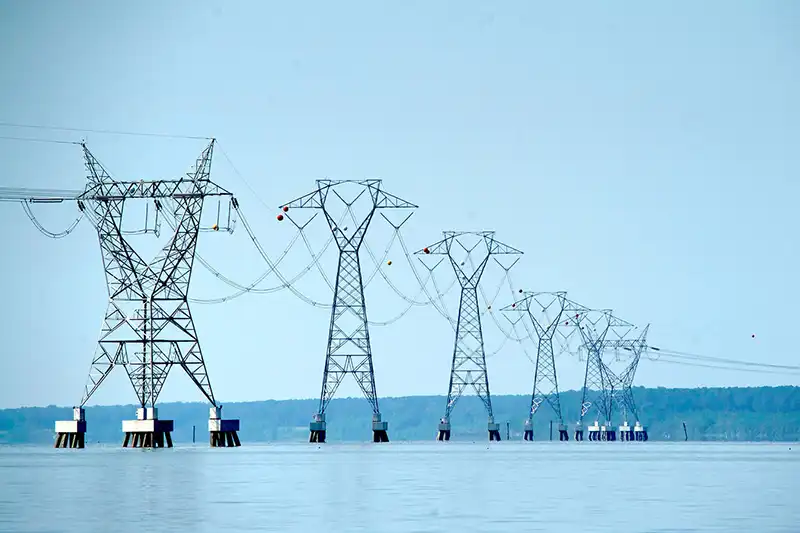
  • High-voltage and extra-high-voltage overhead transmission lines (110 kV to 500 kV and above)
  • Primary and secondary distribution lines
  • Long river crossings and mountainous spans
  • Areas with high ice and wind loading
  • Messenger support and certain catenary applications

ACSR remains the workhorse conductor for the majority of the world’s overhead transmission infrastructure because of its proven combination of economy, strength and conductivity.

Standards and Compliance

  • ASTM B232 / B232M – Aluminum Conductors, Concentric-Lay-Stranded, Steel-Reinforced (ACSR)
  • IEC 61089 – Round wire concentric lay overhead electrical stranded conductors
  • BS 215 Part 2 – Aluminum conductors and aluminum conductors, steel-reinforced for overhead power transmission
  • GB/T 1179 – Round wire concentric lay overhead electrical stranded conductors
  • ASTM B498 / B498M – Zinc-Coated (Galvanized) Steel Core Wire for Aluminum Conductors, Steel Reinforced

Aluminum wires are typically 1350-H19 temper. Steel core wires are Class A or Class C galvanized. Aluminum-clad steel core (ACSR/AW) options are available for improved corrosion resistance.

Key Points

  • ACSR is a composite conductor with a galvanized steel core and concentric layers of hard-drawn aluminum wires.
  • It offers the best strength-to-weight ratio among conventional overhead conductors and is the standard choice for long-span transmission lines.
  • Common stranding designs range from 6/1 to 54/19 and larger; sizes from 16 mm² to over 1 000 mm² are in regular production.
  • Manufactured and tested to ASTM B232, IEC 61089, BS 215 and GB/T 1179.
  • Selection is driven by span length, mechanical loading, current rating and corrosion environment.

Custom stranding, aluminum-clad steel cores, non-specular finishes and specific drum lengths are available to meet project requirements.

Leave a Reply

Your email address will not be published. Required fields are marked *