Haberler ve Güncellemeler, Ürün Bilgi Bankası, Technical Guides & Knowledge

Which Type of Metal is More Difficult to Shape: Copper or Iron?

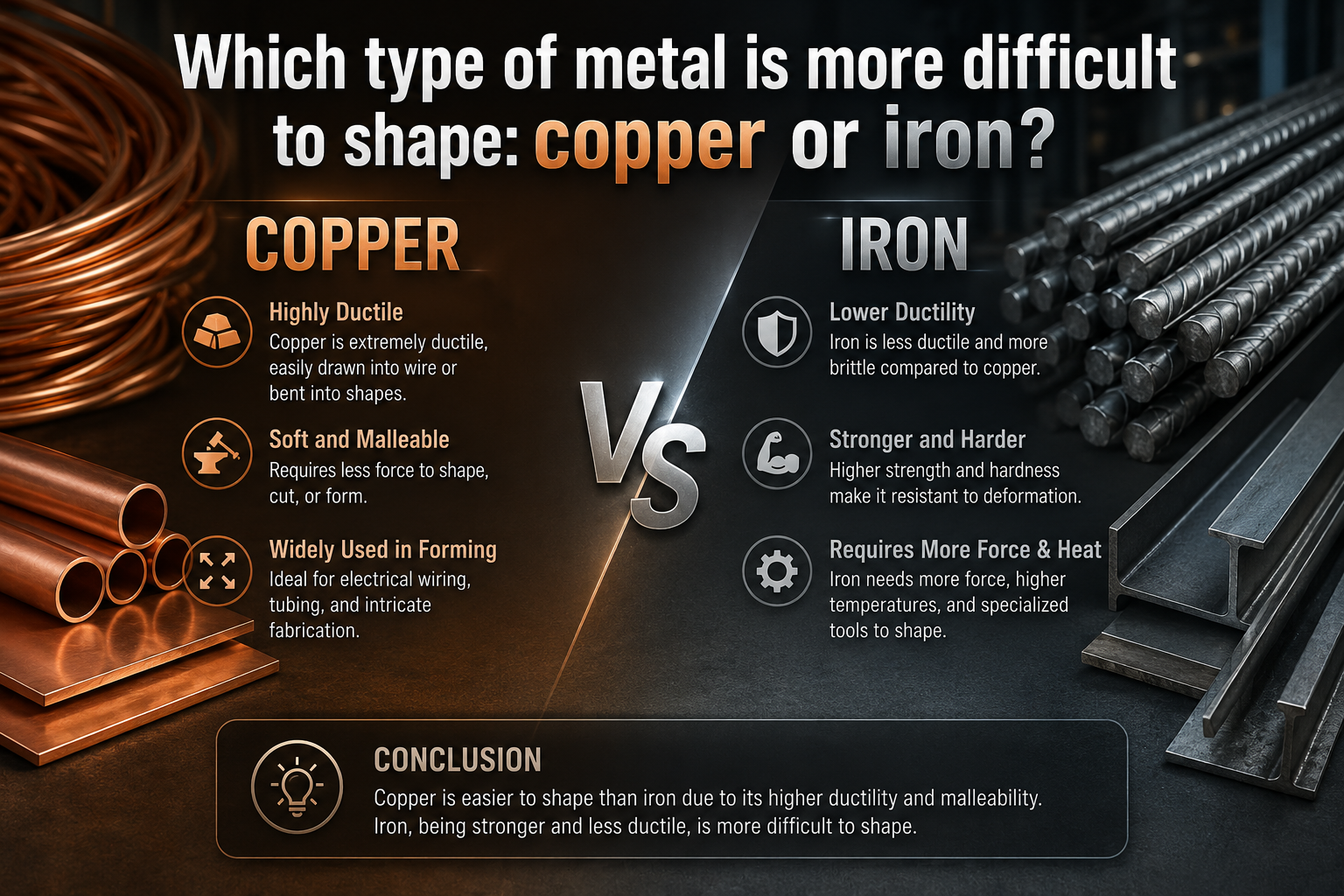
Which type of metal is more difficult to shape: copper or iron?

In oxygen-free copper rod processing and cable manufacturing, the ease of metal shaping directly determines production efficiency, equipment longevity, and final conductor quality. A frequent question from GCC cable plant engineers is: Which type of metal is more difficult to shape — copper or iron?

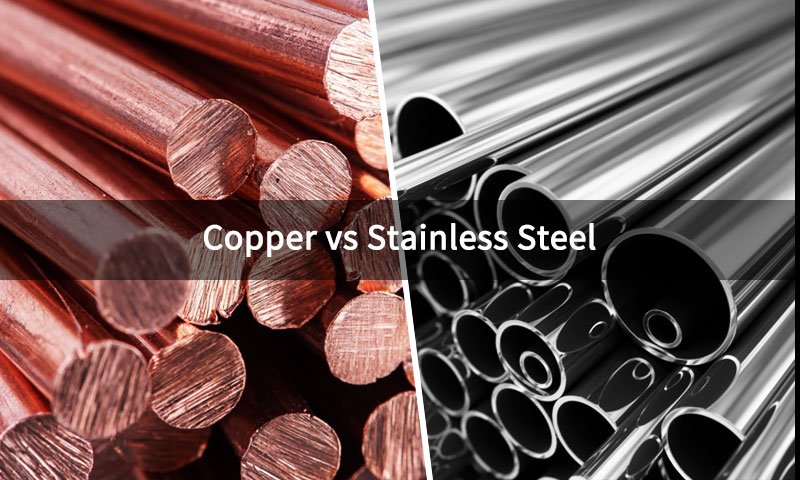
The clear answer: Copper is significantly easier to shape than iron (or steel) due to superior ductility and malleability. This advantage makes oxygen-free copper the preferred material for power cables, building wire, and magnet wire. Understanding copper vs iron formability helps manufacturers optimize cold rolling lines like the RLB Copper Rod Cold Rolling Machine, reduce downtime, and achieve faster ROI.

Key Metallurgical Properties Determining Metal Shaping Difficulty

Metal formability in cold rolling and wire drawing depends on:

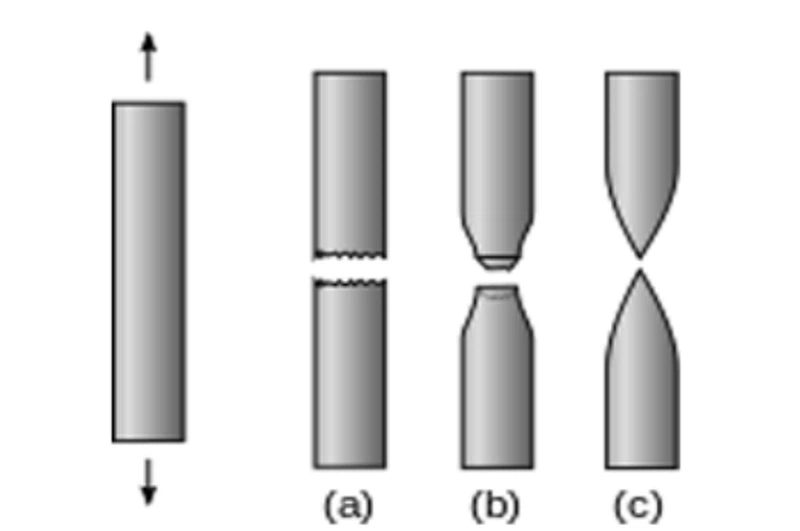
  • Ductility: Ability to deform under tensile stress without fracture.
  • Malleability: Ability to deform under compressive stress (rolling).
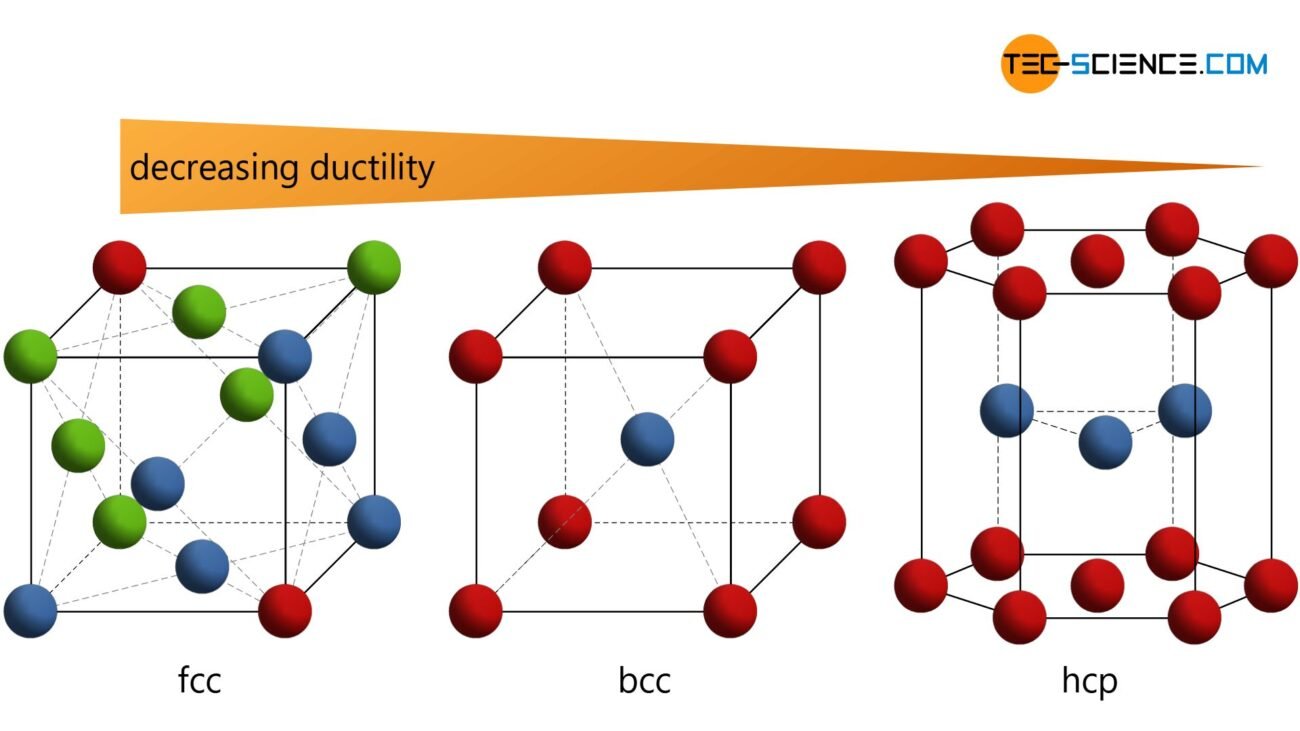
  • Crystal Structure: FCC (copper) allows easy slip; BCC (iron) resists deformation.
  • Yield Strength & Hardness: Lower values = easier shaping.

Copper vs Iron: Data-Driven Property Comparison

PropertyOxygen-Free CopperIron / Mild SteelImpact on Cable Manufacturing
Crystal StructureFCCBCCCopper deforms 5–10× more easily
Ductility (Elongation %)45–60%20–40%Fewer wire breaks with copper
MalleabilityExcellentModerateSmoother cold rolling
Brinell Hardness35–50 HB100–200 HBLower rolling force required
Yield Strength33–70 MPa200–400 MPa15–25% energy savings

Key Insight: Copper’s FCC structure enables superior grain refinement and defect closure during cold rolling, reducing downstream drawing breaks by 15–30% (International Copper Association data).

Why Copper Excels in Cold Rolling & Wire Drawing Processes

In real-world GCC cable plants, the RLB Copper Rod Cold Rolling Machine leverages copper’s natural advantages:

  • Reduction ratios up to 30–40% per pass without frequent annealing.
  • Bright surface finish with <0.02 mm ovality.
  • Seamless integration with up-cast lines, delivering 2.2 t/h capacity at 15–25% lower energy consumption.

Practical Implications for GCC Cable Manufacturers

Choosing copper over iron translates to:

  • 15–30% lower scrap and breakage rates
  • Roller life extended up to 2×
  • Typical payback period of 12–18 months on cold rolling equipment

RLB’s 2-roller and 3-roller configurations are engineered specifically for copper’s superior formability under Saudi high-ambient temperatures.

Frequently Asked Questions

Q1: Is copper or iron easier to cold roll?

A: Copper is significantly easier due to higher ductility and lower yield strength.

Q2: Can the same mill process both metals?

A: RLB machines are optimized for copper. Iron requires heavier-duty setups — Şimdi bilgi isteyin for custom engineering.

Şimdi bilgi isteyin

Ready to optimize your copper rod cold rolling line? Contact RLB’s Dammam technical team today for a free line audit, customized ROI calculation, and GCC reference visits. We respond within 4 hours and deliver proposals within 48 hours.

Bir yanıt yazın

E-posta adresiniz yayınlanmayacak. Gerekli alanlar * ile işaretlenmişlerdir