Kategorilendirilmemiş

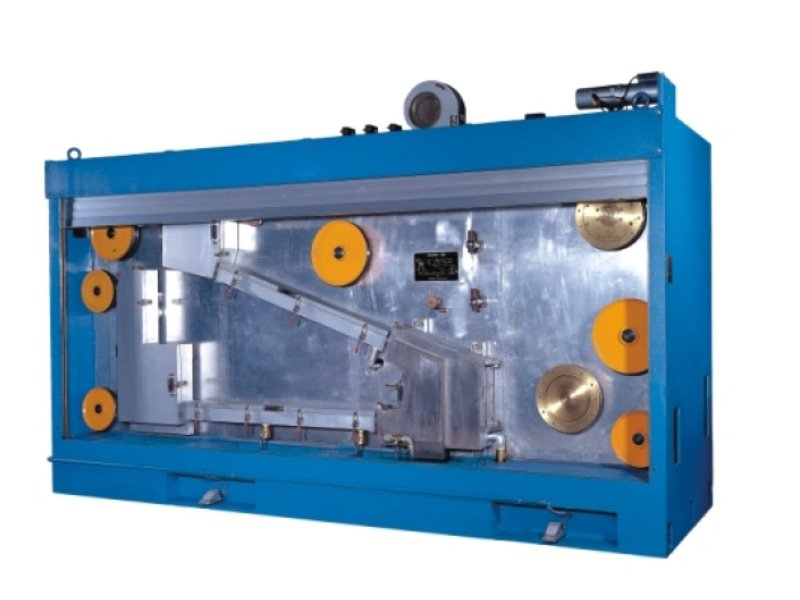
Bakır Filmaşin İnce Çekme Makinesi

Bakır Tel İnceleme ve İnce Çekme Makinesi (Kablo Sektörü İçin)

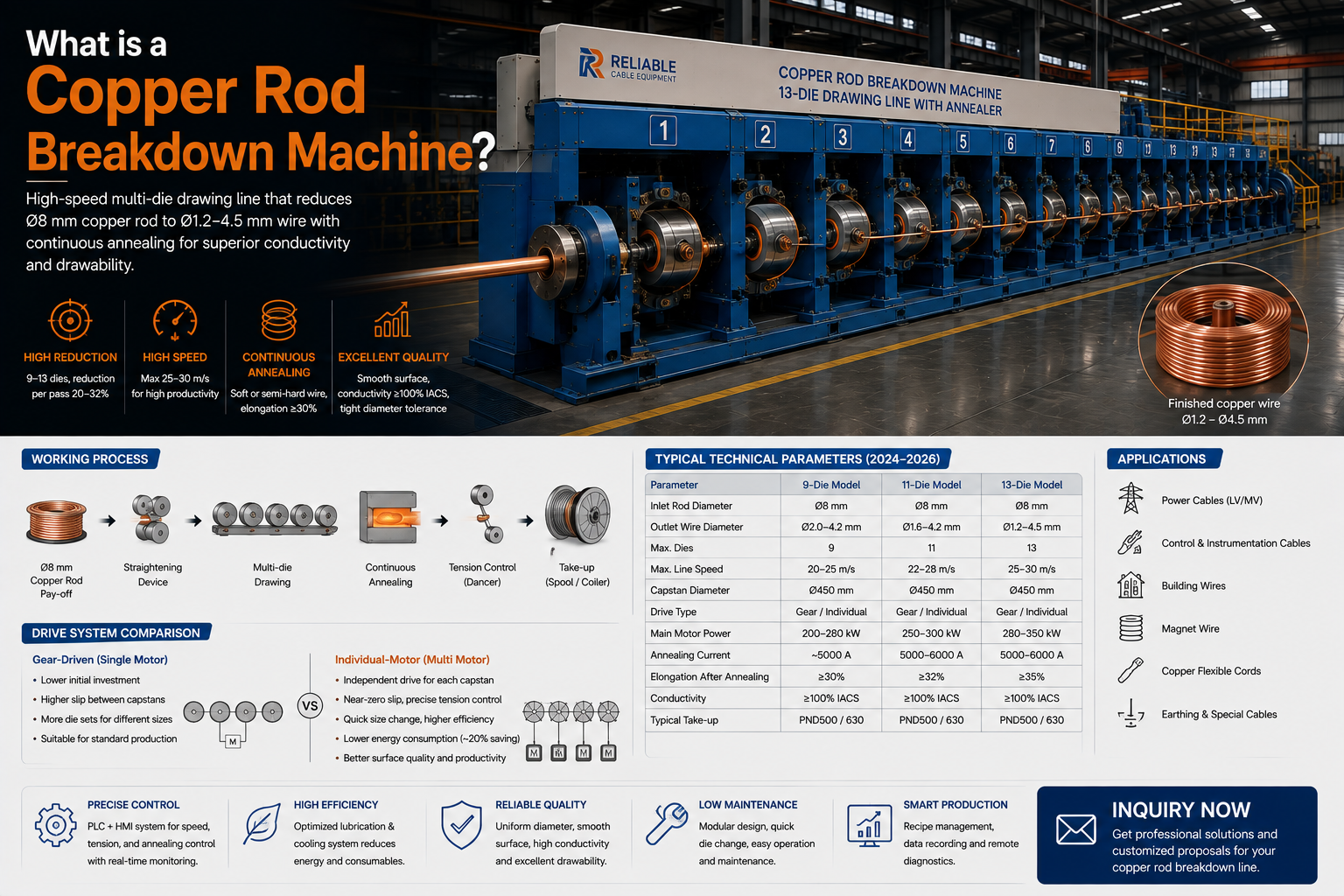
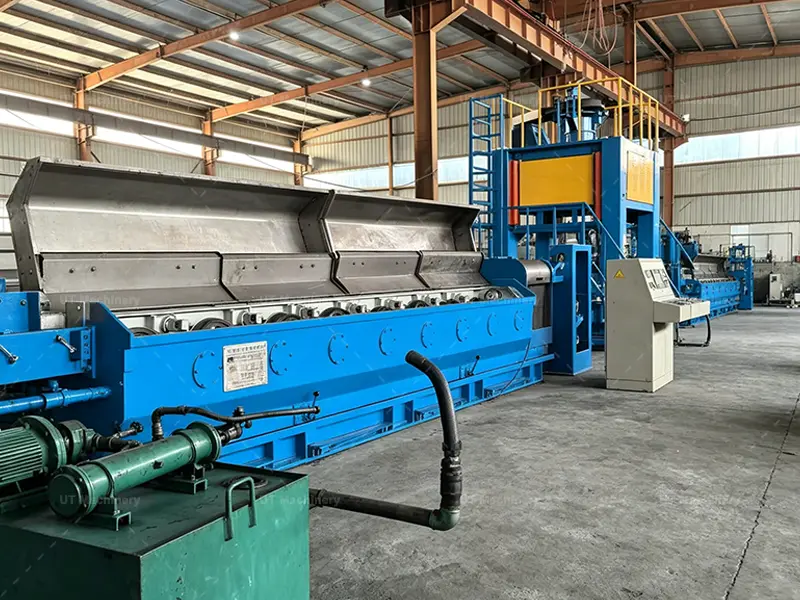
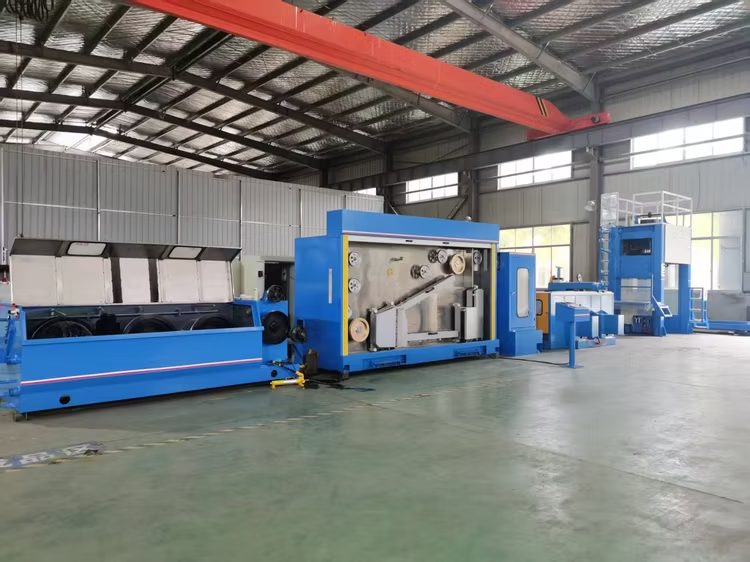
A Bakır Çubuk Kırma Makinesi (also called Rod Breakdown Machine or RBD machine) is the primary high-reduction wire drawing equipment in copper cable production. It continuously draws Ø8 mm low-oxygen or oxygen-free copper rods through a series of dies (typically 9–13 passes) down to intermediate wire diameters of Ø1.2–4.5 mm. Most modern lines integrate continuous annealing, producing soft or semi-hard copper wire ready for further intermediate drawing, stranding, or insulation.

This machine forms the first critical stage after continuous casting/rolling of copper rod and directly determines surface quality, conductivity, elongation, and downstream process stability for power cables, control cables, and building wires.

How Does a Copper Rod Breakdown Machine Work? Process Principle and Technology

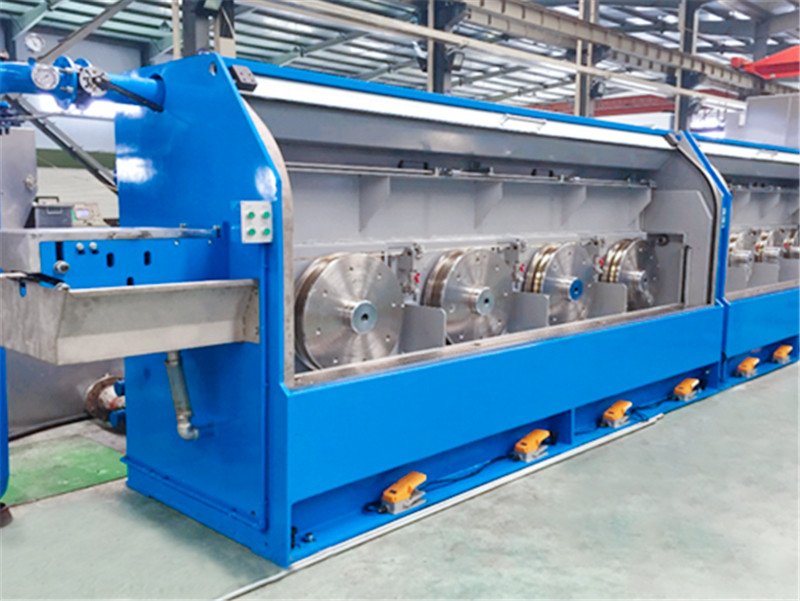
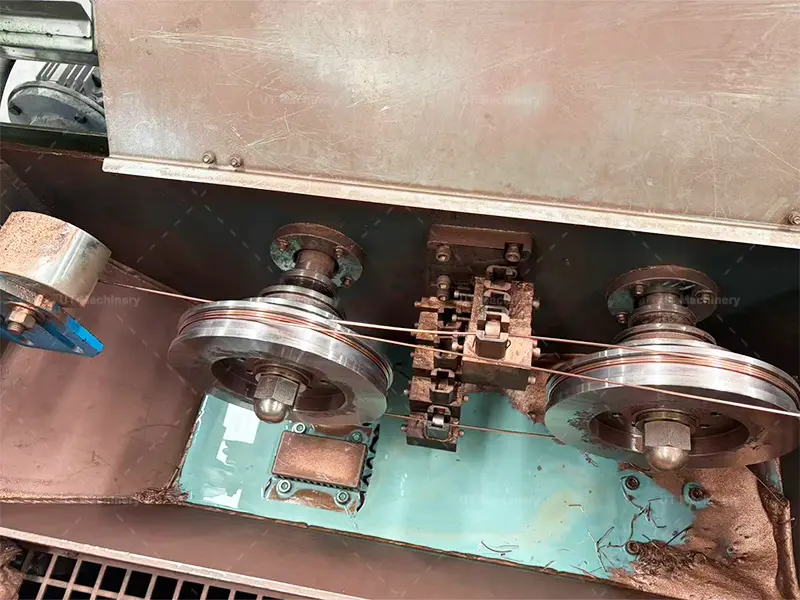
The process begins with Ø8 mm copper rod (ETP or oxygen-free) fed from a pay-off stand. The rod is straightened, then pulled through successive tungsten-carbide or polycrystalline diamond dies mounted on a horizontal tandem line of Ø400–450 mm capstans. Each pass reduces cross-sectional area by approximately 20–32 %. Full-immersion or spray lubrication and cooling control heat and friction. An optional continuous annealer (horizontal DC or AC type, typically 45–70 V / 4000–6000 A) softens the wire immediately after the final die. Tension is maintained by a dancer or accumulator before dual-spool take-up (PND500/630), single spool, or coiler.

Two main drive architectures exist:

  • Gear-driven (single-motor): All or most capstans linked by gears. Lower capital cost, higher slip, more die sets required for different sizes.
  • Individual-motor (multi-motor / shunt drive): Each capstan driven by its own AC servo or inverter motor. Near-zero or controlled micro-slip, flexible elongation ratios, faster size change, lower energy consumption (often 20 % savings), and better surface quality.

Başlıca Teknik Avantajlar

  • Yüksek Verimlilik – Mechanical speeds reach 25–30 m/s depending on model and final diameter, supporting continuous 24/7 industrial operation.
  • Superior Wire Quality – Tungsten carbide coated capstans and optimized die matching deliver excellent surface finish and dimensional consistency required for electrical conductivity standards.
  • Enerji Verimliliği – Individual servo or AC motor drives eliminate gear-mesh losses and allow selective motor operation, reducing specific energy consumption (industry references show ~110 kWh/t vs higher values for conventional gear systems).
  • Process Flexibility – Quick die change capability, adjustable elongation ratios, single or dual-rod operation, and optional continuous annealing.
  • Reliability & Low Maintenance – Heavy-duty cast or fabricated frames, immersion lubrication systems, and robust electrical control (PLC + HMI) ensure stable long-term performance.
  • Safety & Operator Convenience – Automatic bobbin change options, wire-break detection, and user-friendly touch-screen interfaces.

Technical Parameters Comparison of Typical Models

Model TypeInlet ØOutlet RangeMax DiesMax SpeedCapstan ØDrive TypeTypical PowerAnnealing Option
LHD / LWHD-450/98 mm2.0–4.2 mm920–25 m/s450 mmGear or Individual200–280 kWHorizontal 5000 A
LHD / LWHD-450/118 mm1.6–4.2 mm1122–28 m/s450 mmGear or Individual250–300 kWHorizontal 5000–6000 A
LHD / LWHD-450/138 mm1.2–4.5 mm1325–30 m/s450 mmGear or Individual280–350 kWHorizontal 5000–6000 A
Double-head versions2×8 mm2×1.3–3.5 mm9–1321–28 m/s450 mmIndividual preferred900–1200 kVADual annealer

Data reflect current industrial specifications from leading manufacturers. Individual-motor machines allow production of multiple outlet sizes with fewer die sets and support quick die-change systems.

Selection Logic and Application Guide for Cable Manufacturers

Select based on annual volume, target wire sizes, and quality requirements:

  • High-volume power cable plants (>3000–5000 t/year intermediate wire) prefer individual-motor 13-die lines with continuous annealing for consistent soft wire (elongation ≥30–35 %).
  • Plants requiring frequent size changes benefit from multi-motor designs with independent elongation control.
  • Oxygen-free copper or high-conductivity grades demand full-immersion lubrication, precise tension control (±2 % or better), and tungsten-carbide coated capstans to minimize powder and surface defects.
  • Downstream processes (intermediate drawing to 0.5–1.6 mm or direct stranding for Class 2 conductors) dictate the exact outlet diameter range.

Typical output feeds multi-wire drawing lines, tubular or planetary stranders, or direct insulation for building wire.

Standards, Quality Requirements and Failure Prevention

Finished wire must meet conductivity ≥100 % IACS (or ≥101 % for OF copper), dimensional tolerance, and mechanical properties aligned with IEC 60228 conductor classes and relevant GB/T copper rod/wire standards. Surface quality is critical: scratches, powder, or ovality increase break rates in subsequent fine drawing.

Common failure modes and prevention:

  • Excessive die wear or wire breaks from incorrect reduction ratio or poor lubrication → maintain emulsion concentration 8–15 %, temperature 30–45 °C, and change dies on scheduled intervals rather than after failure.
  • Capstan scoring → use tungsten-carbide coating and ensure proper immersion level.
  • Uneven annealing (hard spots) → stabilize current/voltage and line speed; monitor elongation after annealing.
  • Gear-box or bearing overheating on single-motor machines → regular oil analysis and vibration monitoring.

Modern PLC + HMI systems store recipes, provide real-time monitoring of speed, tension, annealing current, and length, and support remote diagnostics.

Industry Trends 2024–2026

Individual-motor designs with micro-slip control continue to gain share due to energy efficiency, lower scrap, and flexibility. Double-wire configurations increase throughput without proportional floor-space increase. Integration with upstream continuous casting lines and downstream multi-wire drawing is becoming standard for turnkey copper conductor plants. Digital features (recipe management, predictive maintenance) reduce changeover time and improve overall equipment effectiveness.

Key Takeaways

A Copper Rod Breakdown Machine is the foundational high-reduction drawing unit that converts Ø8 mm copper rod into high-quality intermediate wire (Ø1.2–4.5 mm) with optional continuous annealing. Choice between gear-driven and individual-motor architectures, number of dies, and annealing capacity directly determines productivity, energy use, surface quality, and suitability for subsequent stranding or fine drawing. Proper selection and maintenance deliver reliable long-term production of IEC-compliant copper conductors.

For detailed technical proposals, layout drawings, capacity calculations based on your annual tonnage and target diameters, or customized individual-motor / gear-driven configurations,

Bir yanıt yazın

E-posta adresiniz yayınlanmayacak. Gerekli alanlar * ile işaretlenmişlerdir