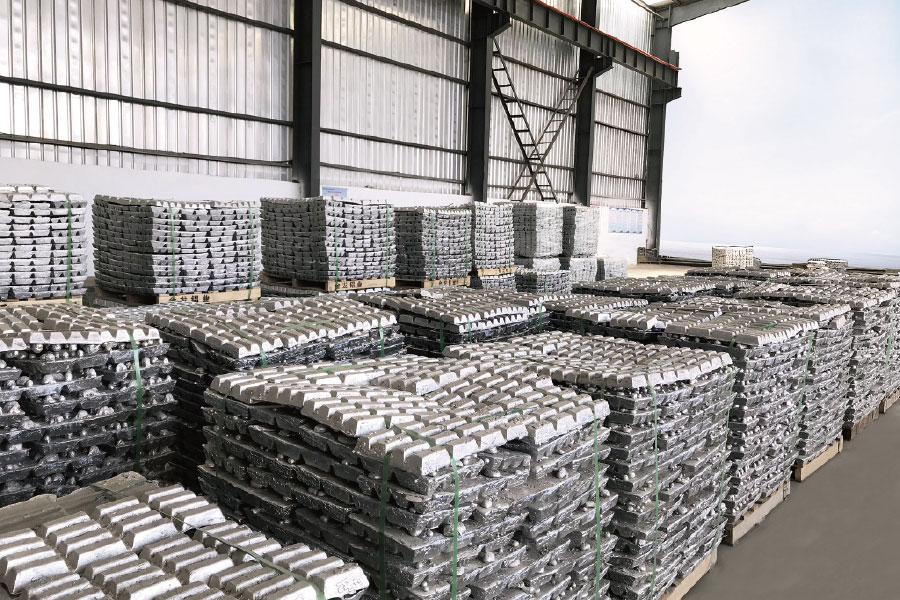
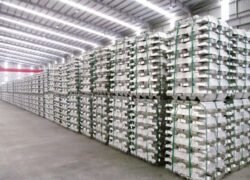
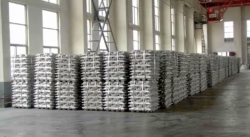
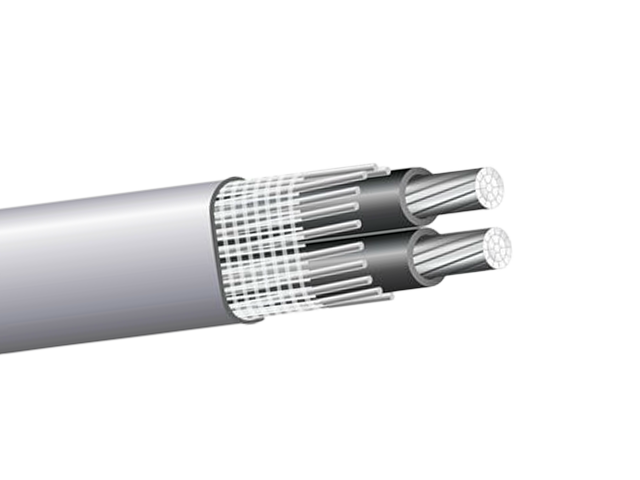
Aluminum alloy ingot serves as the primary feedstock for producing high-performance electrical conductors used in medium- and low-voltage power cables, building wires, and service-entrance conductors. Properly specified aluminum alloy ingots (primarily 8xxx series such as 8030 and 8176) deliver a balanced combination of electrical conductivity ≥60–62% IACS, superior creep resistance, and mechanical strength that pure EC-grade aluminum (1350) cannot match under sustained thermal and mechanical load.
This product content provides engineers and procurement teams with composition limits, comparative performance data, applicable international standards (ASTM, IEC, ISO, GB/T), selection logic, and failure-prevention measures required for reliable long-term cable production.
Ana Uygulamalar
Aluminum Alloy Ingots play a critical role in producing advanced aluminum materials for:
- Power Cable & Electrical Conductors — Especially Al-B master alloys that effectively remove impurities (such as titanium) to significantly improve electrical conductivity in EC-grade aluminum.
- Automotive and High-Speed Railway — Grain refinement and strength enhancement for lightweight structural components.
- Aerospace and Defense — High-performance alloys requiring excellent strength-to-weight ratio and thermal stability.
- Building Materials and Industrial Castings — Improved castability, mechanical properties, and surface quality.
- Packaging and Consumer Goods — Consistent alloy composition for high-speed processing and formability.
These master alloys enable precise compositional control, uniform microstructure, and targeted property enhancement in both cast and wrought aluminum products.
What Is Aluminum Alloy Ingot and Why Is It Preferred for Cable Conductors?
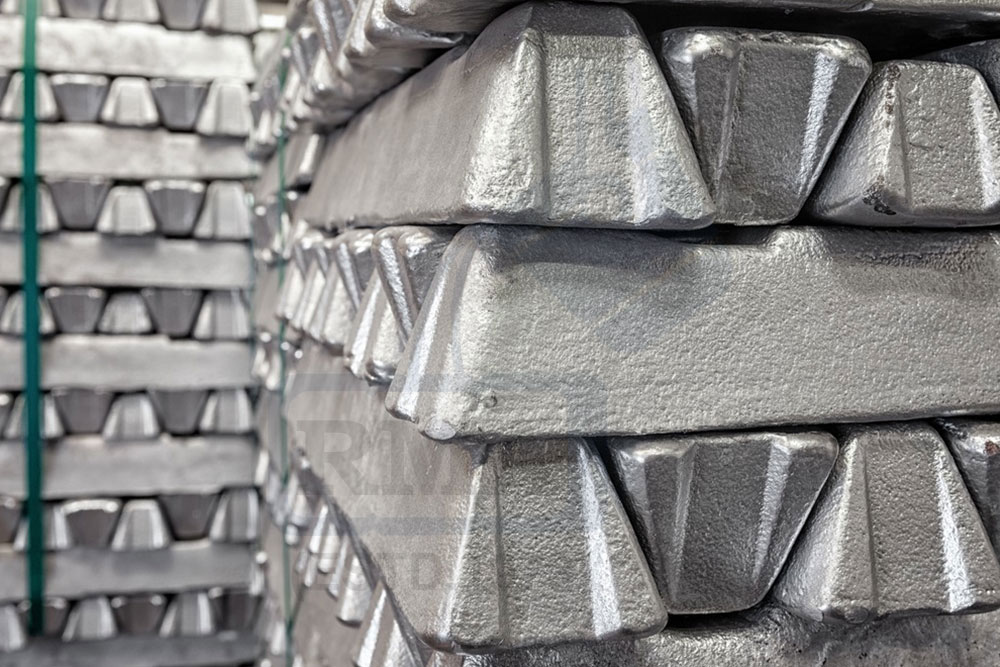
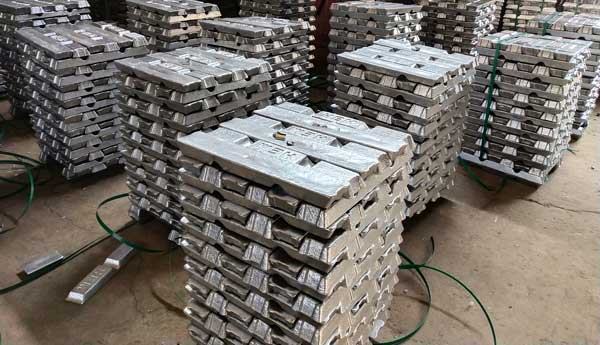
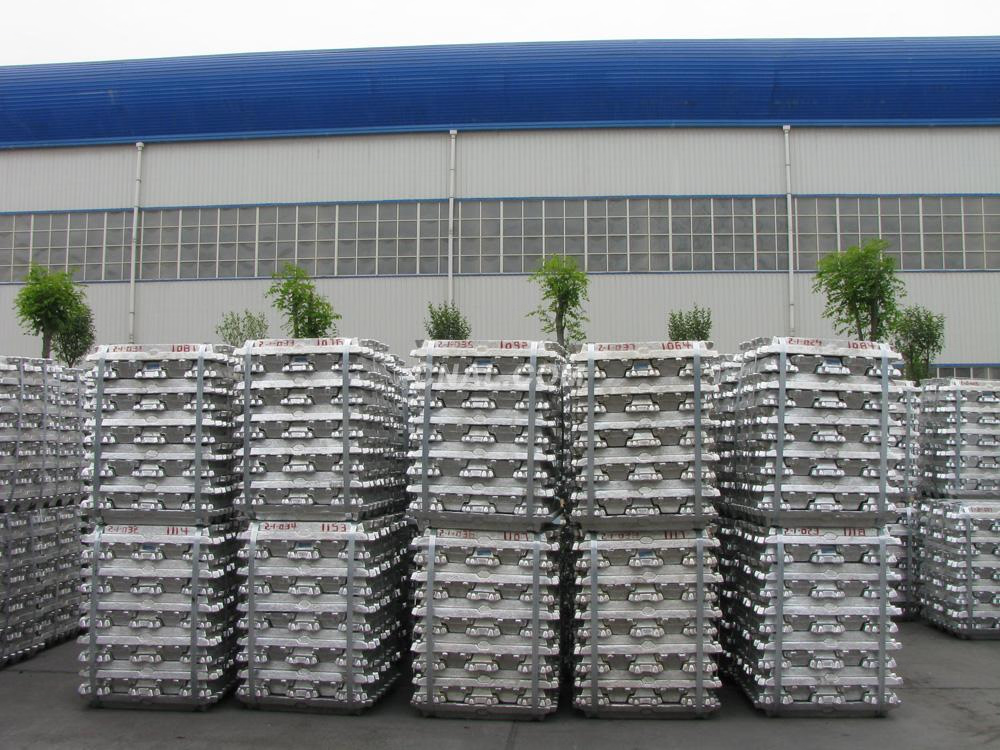
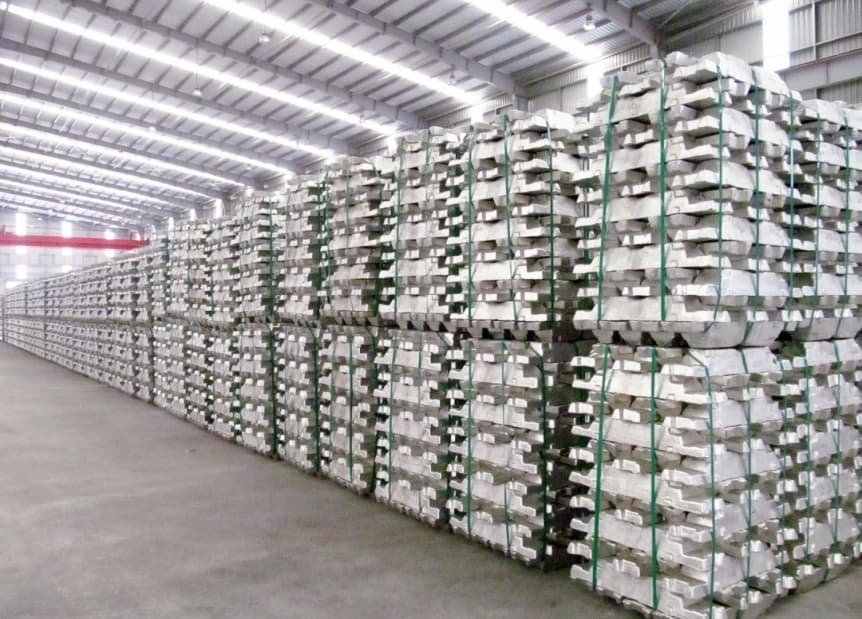
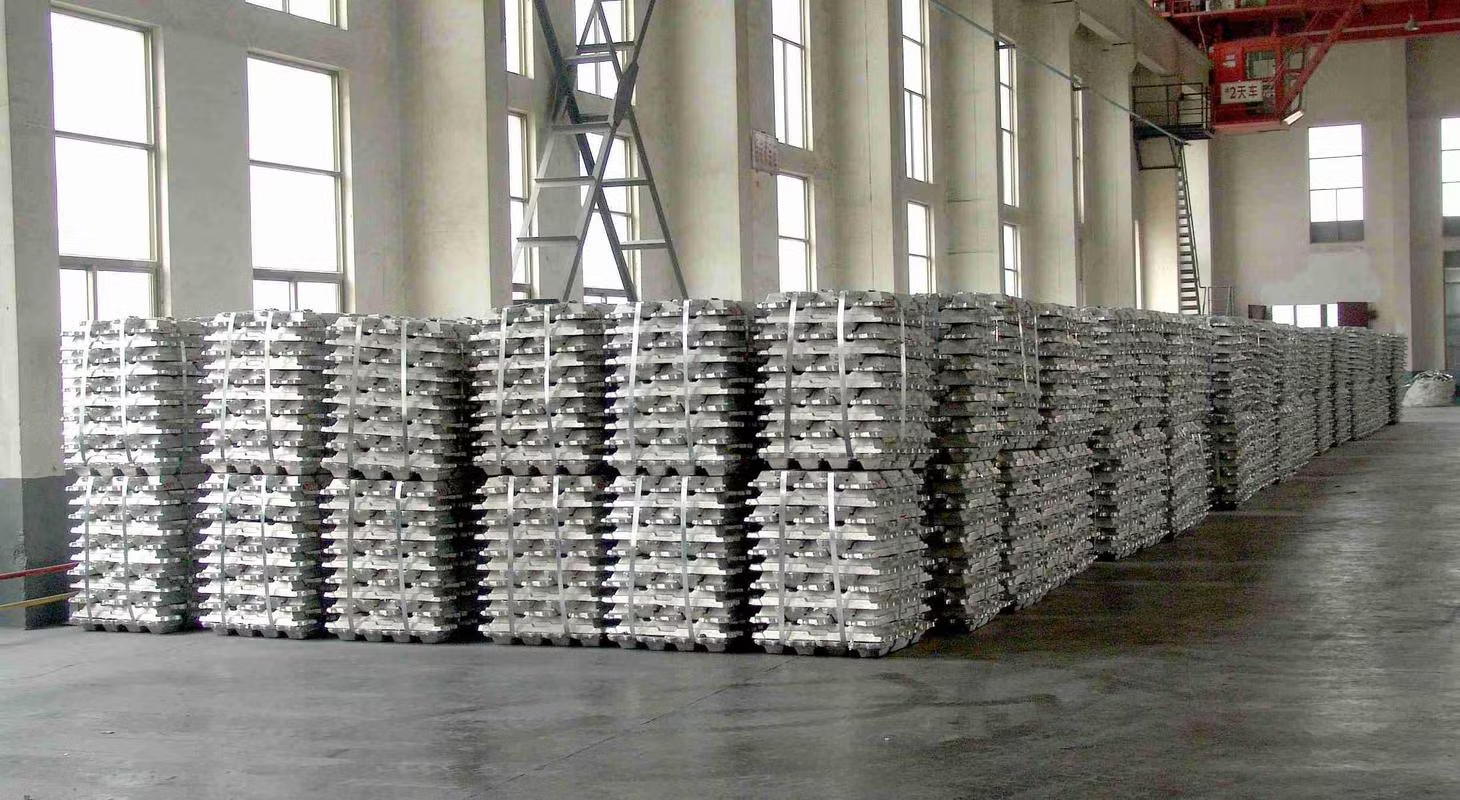
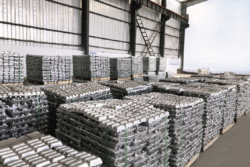
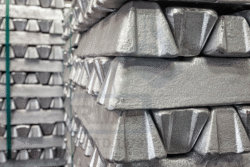
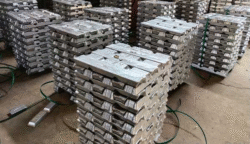
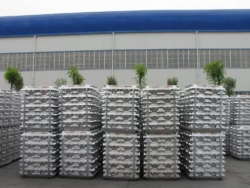
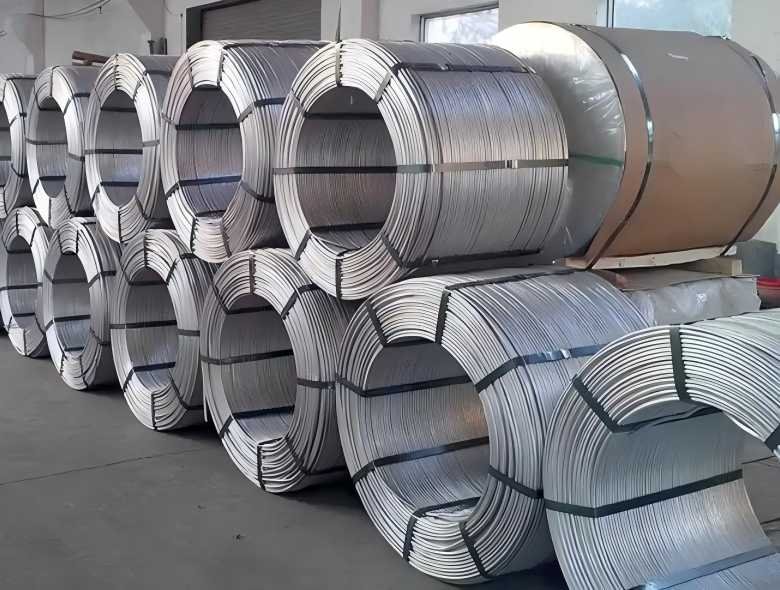
Aluminum alloy ingot is a primary or secondary cast metal product produced to tightly controlled chemical compositions, typically in the form of T-bars, sows, or billets, intended for continuous casting and rolling into electrical conductor rod and subsequent wire drawing. In the cable industry, the 8000-series alloys (AA8030, AA8176, AA8017) are selected because iron and copper additions form fine intermetallic dispersoids that raise tensile strength and dramatically reduce creep deformation at operating temperatures of 90–150 °C, while still maintaining conductivity above 60% IACS.
Pure 1350 EC aluminum offers higher conductivity (≈61.8–62.5% IACS) but suffers from higher creep rates under continuous load, leading to connection loosening and higher contact resistance over decades of service. Alloyed ingots eliminate this limitation and allow cable designs that approach copper performance in reliability while retaining aluminum’s weight and cost advantages.
How Do Chemical Composition Limits Differ Between Common Electrical Aluminum Alloys?
The following table summarizes the typical composition ranges for the most widely used electrical aluminum alloys produced from specialized alloy ingots. All values are in weight percent; balance is aluminum.
| Alloy Designation | Si (%) | Fe (%) | Cu (%) | Other Controlled Elements | Typical Conductivity Target (% IACS) | Primary Cable Application |
|---|
| AA1350 (EC) | ≤0.10 | ≤0.40 | ≤0.05 | B ≤0.05 | ≥61.0–62.5 | Overhead AAC, ACSR strands |
| AA8030 | ≤0.10 | 0.30–0.80 | 0.15–0.30 | B 0.001–0.04, Mg ≤0.05 | ≥61.0–62.0 | LV power cable, building wire |
| AA8176 | 0.03–0.15 | 0.40–1.00 | ≤0.10 | Ga ≤0.03 | ≥60.5–61.5 | Flexible power cable, SE cable |
| AA6201 | 0.50–0.90 | ≤0.50 | ≤0.10 | Mg 0.6–0.9 | ≥52–53 | AAAC overhead conductors |
Data compiled from ASTM B803, ASTM B398, IEC 61089 related material specifications, and commercial rod producer data sheets
What Mechanical and Electrical Performance Can Be Expected from Alloy Ingot-Derived Conductors?
When continuous-cast and rolled into 9.5–15 mm rod and drawn to finished wire, 8000-series alloys typically achieve the following property windows (annealed or intermediate temper for cable use):
| Mülk | AA8030 (typical) | AA8176 (typical) | AA1350-H19 (reference) |
|---|
| Tensile strength (MPa) | 95–150 | 95–150 | 160–185 |
| Elongation (%) | ≥12–32 (temper dependent) | ≥12–32 | 1.5–3.5 |
| Resistivity at 20 °C (nΩ·m) | ≤28.45–28.7 | ≤28.45–28.7 | ≤28.0–28.3 |
| İletkenlik (% IACS) | 60.5–62.0 | 60.5–61.5 | 61.0–62.5 |
| Creep resistance | Significantly superior | Significantly superior | Baseline |
These values satisfy ASTM B803 for 8000-series concentric-lay stranded conductors and corresponding IEC requirements for low- and medium-voltage power cables.
Aluminum Master Alloy Series & Recommended Usage
| Alloy Type | Function & Application | Recommended Addition Condition |
|---|
| Al-Ti Alloy | Grain refinement of aluminum and alloys; improves mechanical properties | Add at 720°C into molten aluminum |
| Al-Re Alloy | Enhances corrosion resistance and high-temperature strength | Add at 730°C after refining |
| Al-B Alloy | Removes impurities from electrical aluminum; increases conductivity | Add at 750°C after refining |
| Al-Sr Alloy | Si modification for permanent mold, low-pressure, and gravity casting; improves casting properties | Add at 750–760°C after refining |
| Al-Zr Alloy | Grain refinement; improves high-temperature strength and weldability | Standard addition after refining |
| Al-Si Alloy | Addition or adjustment of silicon content | Direct furnace addition or stir at 710–730°C for 10 min |
| Al-Mn Alloy | Addition or adjustment of manganese content | Direct furnace addition or stir at 710–760°C for 10 min |
| Al-Fe Alloy | Addition or adjustment of iron content | Direct furnace addition or stir at 720–770°C for 10 min |
| Al-Cu Alloy | Addition, matching, or adjustment of copper content | Direct furnace addition or stir at 710–730°C for 10 min |
| Al-Cr Alloy | Elemental addition or composition adjustment in wrought alloys | Direct furnace addition or stir at 700–720°C for 10 min |
| Al-Be Alloy | Oxidation film filling and grain refinement in aerospace alloys | Add at 690–710°C after refining |
(Custom compositions, forms (waffle ingot, rod, etc.), and addition rates available upon request.)
Önemli Performans Avantajları
Our Aluminum Alloy Ingots deliver measurable improvements in final aluminum products:
| Parametre | Tipik Değer | Benefit in Application |
|---|
| Purity | High (precise elemental control) | Consistent and repeatable alloy performance |
| Grain Refinement | Harika | Finer grain structure, improved mechanical properties |
| Korozyon Direnci | Superior | Enhanced natural oxide layer protection |
| Elektriksel İletkenlik | Up to 100% IACS (specific grades) | Critical for high-performance cable conductors |
| Çekme Mukavemeti | Significant increase | Stronger final products without major conductivity loss |
| Formability | Harika | Suitable for high-speed casting and processing |
| Standards Compliance | ASTM, IEC, GB/T | International quality assurance |
Particularly for Cable Conductor Production: Al-B master alloys are highly effective in purifying electrical aluminum, while grain refiners (Al-Ti, Al-Zr) enhance castability and final mechanical performance of aluminum conductors.
Which International Standards Govern Aluminum Alloy Ingot for Electrical Use?
- ASTM B179 – Aluminum Alloy Ingots for Remelting (chemical composition framework)
- ASTM B803 / B803M – Concentric-Lay-Stranded 8000 Series Aluminum Alloy Conductors
- ASTM B398 / B399 – 6201 Alloy Wire and Conductors
- IEC 61089 – Round-wire concentric-lay overhead electrical stranded conductors (material references A1, A2, A3)
- ISO 115:2024 – Unalloyed aluminium ingots for remelting — Classification and composition
- ISO 209:2024 – Wrought aluminium and aluminium alloys — Chemical composition
- GB/T 3954 / IS 5484 – EC-grade and alloy rod specifications commonly referenced in Asian supply chains
Ingot suppliers must provide heat/batch traceability and mill test certificates (EN 10204 3.1 or equivalent) confirming compliance with the target alloy designation.
How Should Cable Manufacturers Select and Specify Aluminum Alloy Ingot?
- Define the end-use conductor standard first (ASTM B803 for 8000-series LV cable, ASTM B399 for AAAC, IEC 61089 for overhead).
- Specify exact alloy designation and temper (e.g., AA8030-O or intermediate).
- Require impurity limits especially for Ti, V, Cr, Mn (each ≤0.03 % total for high-conductivity grades) and boron for grain refinement.
- Confirm continuous-casting compatibility – ingots must be free of oxide inclusions and porosity that cause rod breakage.
- Request full chemical analysis per heat plus conductivity and tensile data on the subsequent rod.
For building wire and power cable applications where connection reliability is critical, 8030 or 8176 alloy ingot is the preferred feedstock. For high-strength overhead lines, 6201-series alloy is selected.

What Are the Main Failure Modes Related to Ingot Quality and How Are They Prevented?
- Excessive creep / connection loosening: Caused by insufficient Fe/Cu content or improper homogenization. Prevention: Enforce 8030/8176 composition windows and verified rod processing parameters.
- Low conductivity / high resistivity: Result of high residual Ti, V or excessive alloying elements. Prevention: Spectrometer analysis of every heat and boron treatment when required.
- Rod surface defects or breaks during drawing: Originates from oxide films, porosity or coarse intermetallics in the ingot. Prevention: Ceramic filtration during casting, controlled cooling rates, and ultrasonic inspection of billets when specified.
- Inconsistent mechanical properties across batches: Caused by variation in casting temperature or solidification rate. Prevention: Strict process control and heat traceability.
Properly produced alloy ingots, when processed under controlled continuous casting and rolling conditions, yield conductors that maintain stable contact resistance for the full design life of the cable system (typically 30–40 years).

Key Technical Takeaways for Procurement and Engineering Teams
- 8000-series aluminum alloy ingots (8030, 8176) are the industry standard feedstock for reliable LV power cables and building wires because they combine ≥60.5 % IACS conductivity with substantially improved creep resistance compared with pure EC aluminum.
- Chemical composition must be controlled within the narrow windows defined by ASTM and IEC referenced documents; Fe and Cu content are the primary levers for performance.
- Full heat traceability, spectrometer certification, and subsequent rod property data are non-negotiable for quality-critical cable production.
- Selection is driven by the finished conductor standard (ASTM B803, IEC 61089, etc.), not by generic “aluminum alloy” descriptions.
- Global demand for alloyed electrical aluminum continues to rise with grid expansion, renewable interconnection, and replacement of aging copper infrastructure.
Şimdi bilgi isteyin for certified aluminum alloy ingot (AA8030, AA8176, custom compositions) with full mill test certificates, heat traceability, and technical support for continuous-cast rod production. Our metallurgical team provides composition matching, process recommendations, and long-term supply agreements tailored to cable manufacturing requirements.









Değerlendirmeler
Henüz değerlendirme yapılmadı.