Cable Machinery & Equipment, Continuous Casting & Rolling

What is Continuous Cast Copper?

What is Continuous Cast Copper?

A Comprehensive Technical Guide to CCR Copper Rod in Modern Cable Manufacturing

In the cable manufacturing industry, especially for demanding Middle East projects in renewable energy, oil & gas, and infrastructure, continuous cast copper (Continuous Cast Copper Rod, often abbreviated as CCR) stands as the gold standard for high-performance electrical conductors. As an experienced cable manufacturer with over 15 years of expertise serving global clients, we understand that the quality of the conductor material directly determines the cable’s electrical efficiency, mechanical durability, and long-term reliability.

Continuous cast copper rod is produced through a highly automated Continuous Casting and Rolling (CCR) process, transforming high-purity copper cathodes into uniform 8-25 mm diameter rods that are subsequently drawn into fine wires for power cables, control cables, photovoltaic cables, and specialty cables. Unlike traditional batch casting methods, CCR delivers seamless, uninterrupted production with exceptional consistency—making it indispensable for today’s high-voltage and data transmission applications.

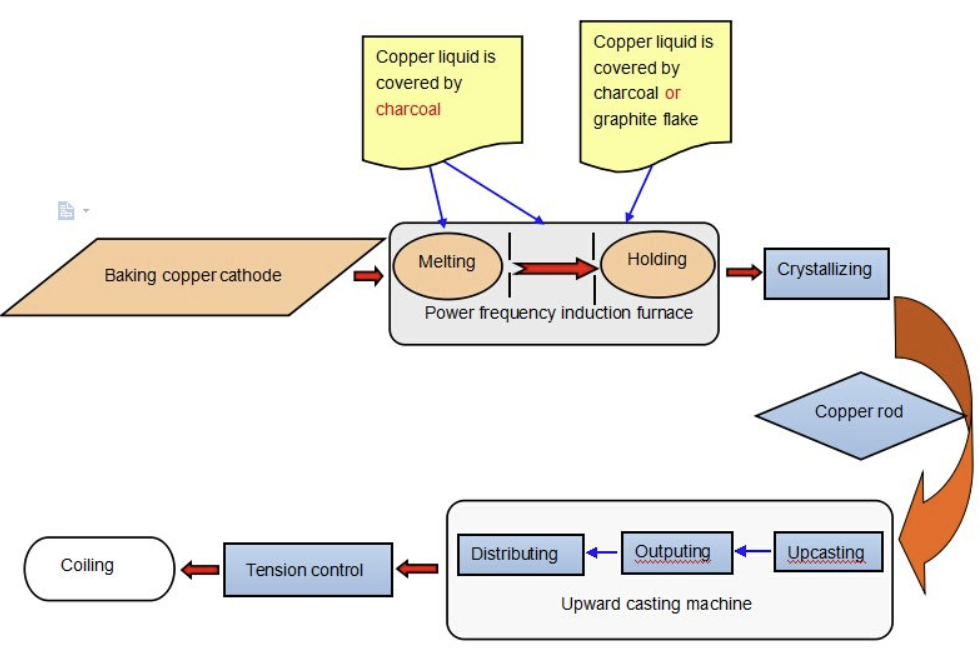
Figure 1: Detailed Continuous Cast Copper Rod Production Process Flowchart (Melting → Holding → Crystallizing → Upcasting → Coiling – illustrating the upward continuous casting technology)

The Continuous Cast Copper Production Process: Step-by-Step Technical Breakdown

The CCR process represents a significant advancement over conventional wirebar casting and hot rolling. Here is a detailed breakdown:

  1. Raw Material Preparation & Melting High-purity electrolytic copper cathodes (Cu ≥ 99.95%-99.99%) are melted in induction or shaft furnaces at precisely controlled temperatures of 1150°C ± 10°C. The molten copper surface is protected by charcoal or graphite flakes to minimize oxidation and maintain low oxygen content (typically 200-400 ppm for standard CCR, or <10 ppm for Oxygen-Free Copper – OFC grades).
  2. Holding & Pouring The liquid copper is transferred to a holding furnace for temperature stabilization before flowing into a water-cooled graphite or steel mold (crystallizer). Rapid directional solidification forms a continuous bar without internal porosity or inclusions.
  3. Continuous Casting & Online Hot Rolling The solidified bar is immediately rolled through multi-stand mills while still hot, achieving precise diameter control and superior surface finish. This “cast-and-roll” integration eliminates the need for re-heating, saving 20-25% energy compared to traditional methods.
  4. Cooling, Pickling, and Coiling The rod is cooled, surface-treated to remove oxides, and wound into large coils (5-8 tons each). Real-time online testing ensures uniform diameter tolerance, mechanical properties, and electrical conductivity across the entire length.

This 24/7 automated process results in rods that meet strict international standards such as ASTM B49 (Standard Specification for Electrical Conductor Grade Copper Rod), IEC 1977, and GB/T equivalents.

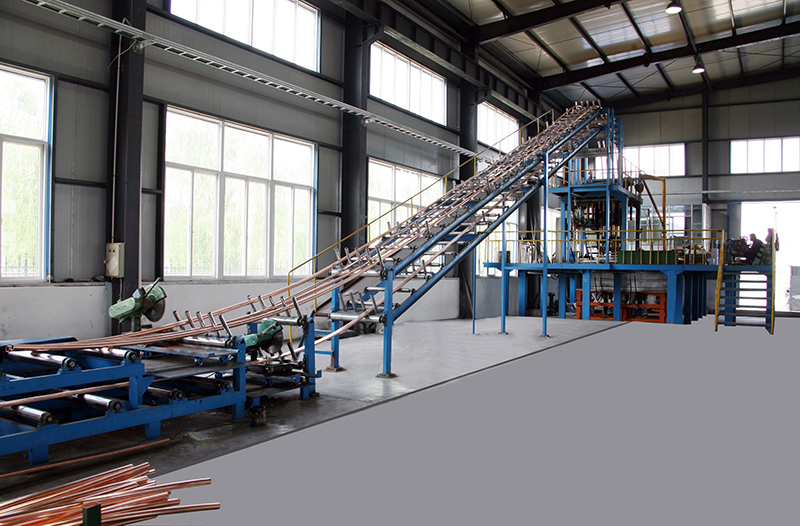
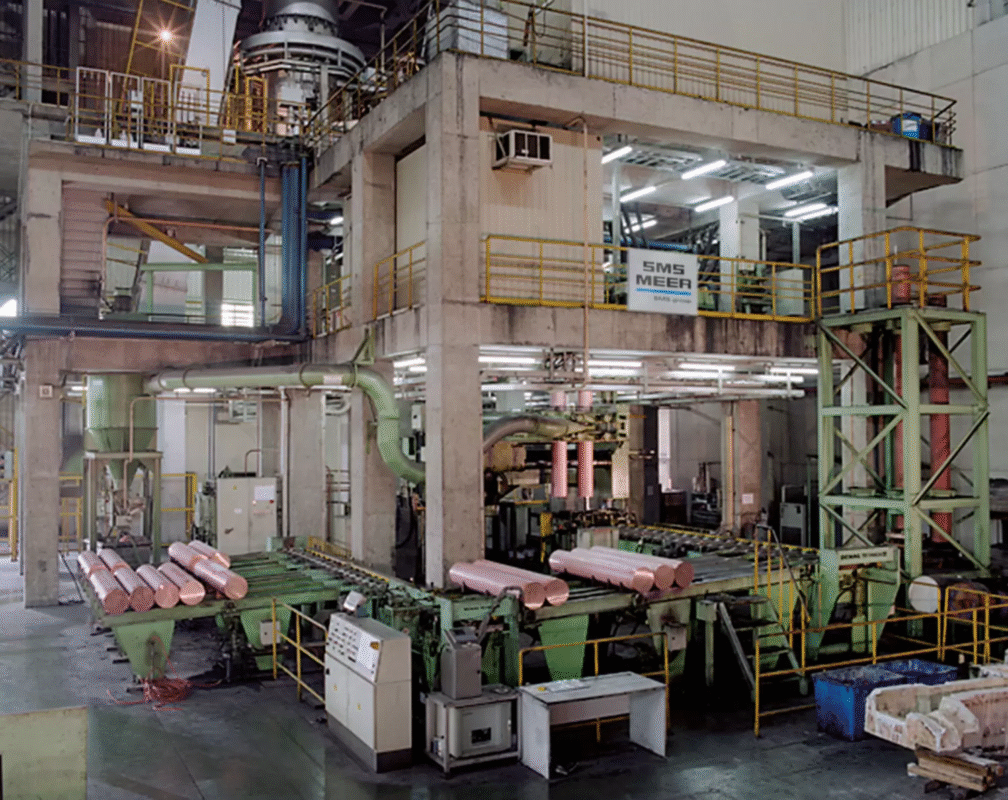
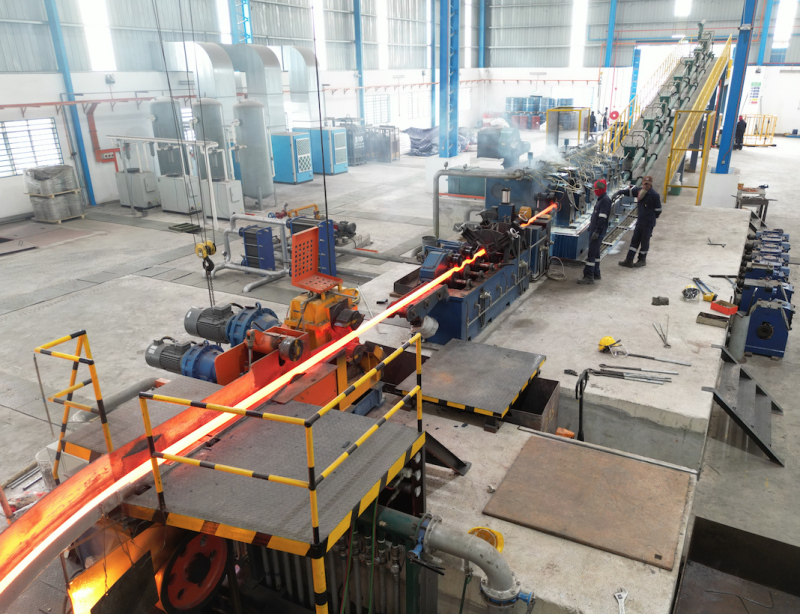
Figure 2: Modern Continuous Casting and Rolling Production Line (Industrial-scale CCR facility showing multi-level machinery and copper rod output – a hallmark of reliable, high-capacity manufacturing)

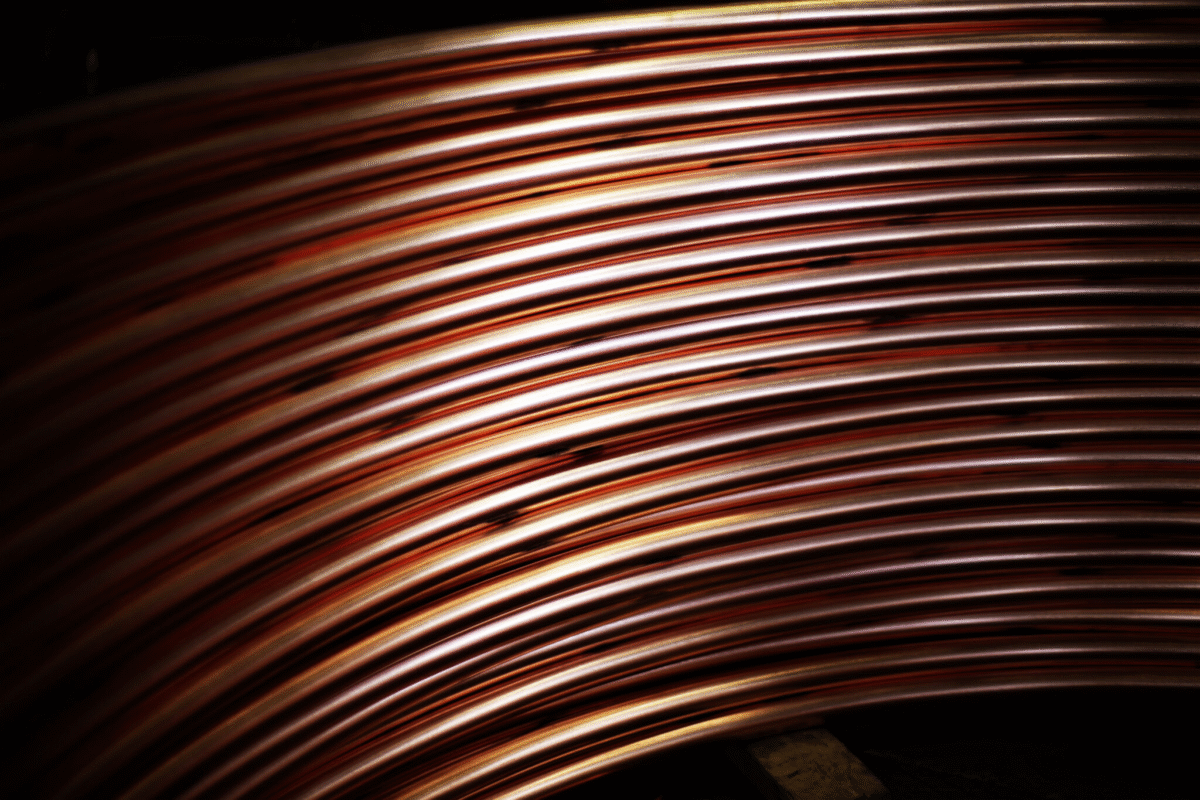
Figure 3: High-Quality Continuous Cast Copper Rod Coils (Close-up view of smooth, uniform CCR copper rod coils ready for wire drawing)

Key Technical Advantages of Continuous Cast Copper (Data-Driven Comparison)

Continuous cast copper outperforms traditional copper rod in nearly every critical metric for cable production:

  • Superior Electrical Conductivity: Achieves stable 100-101% IACS (International Annealed Copper Standard), with resistivity as low as 0.01707 μΩ·m. This translates to lower voltage drop and reduced energy losses in long-distance transmission cables.
  • Exceptional Consistency: Every batch delivers identical physical properties (tensile strength ≥ 160 N/mm², elongation ≥ 35%), eliminating variability that plagues traditional batch-cast rods.
  • Optimized Microstructure: Fine, uniform grain structure with minimal oxides and inclusions provides better drawability for fine wires and superior fatigue/corrosion resistance.
  • Energy & Cost Efficiency: 20-25% lower energy consumption and higher material yield (>99%), supporting sustainable manufacturing aligned with Middle East Vision 2030 and NEOM green projects.
  • Surface Quality & Drawability: Smooth, oxide-free surface reduces wire breaks during multi-pass drawing, improving overall cable production yield.

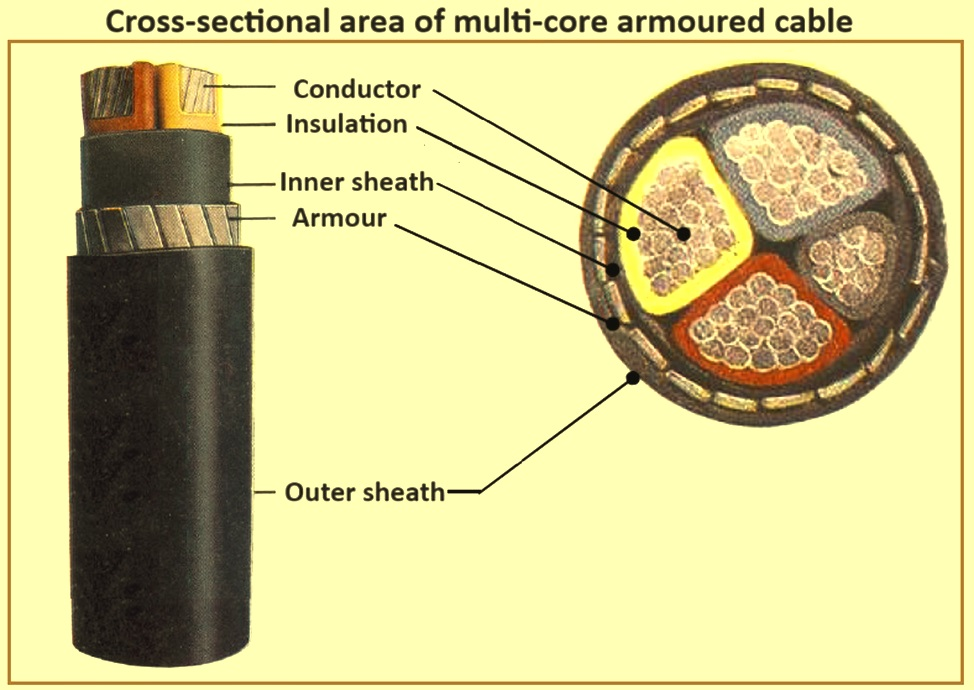
Figure 4: Cross-Section of Power Cable with Continuous Cast Copper Conductor (Clear view of stranded copper conductors made from CCR rod – ensuring reliable power transmission)

Why Cable Manufacturers and Middle East Projects Choose Continuous Cast Copper

In harsh Middle East environments (high temperature, humidity, and corrosive conditions), cables must deliver uncompromising performance. CCR copper conductors provide:

  • Reduced transmission losses (energy cost savings of 10-15%)
  • Enhanced mechanical strength for complex installation routes
  • Longer service life, lowering maintenance and replacement costs
  • Full compliance with international project specifications for renewable energy, oil & gas, and data-center applications

As your long-term strategic cable supplier, we exclusively use premium CCR copper rod to manufacture our full range of XLPE insulated power cables, control cables, and specialty cables—guaranteeing the reliable quality and technical solutions your projects demand.

Continuous Cast Copper – The Foundation of Reliable Cable Performance

Continuous cast copper is far more than just a raw material; it is the technological cornerstone that ensures consistent, high-efficiency, and long-lasting cable performance. Its combination of superior conductivity, microstructural uniformity, and production efficiency makes it the preferred choice for modern cable manufacturing worldwide.

If you are sourcing cables for renewable energy, petrochemical, or infrastructure projects in the Middle East, our engineering team is ready to provide customized technical solutions and competitive quotations within 24 hours.

Leave a Reply

Your email address will not be published. Required fields are marked *