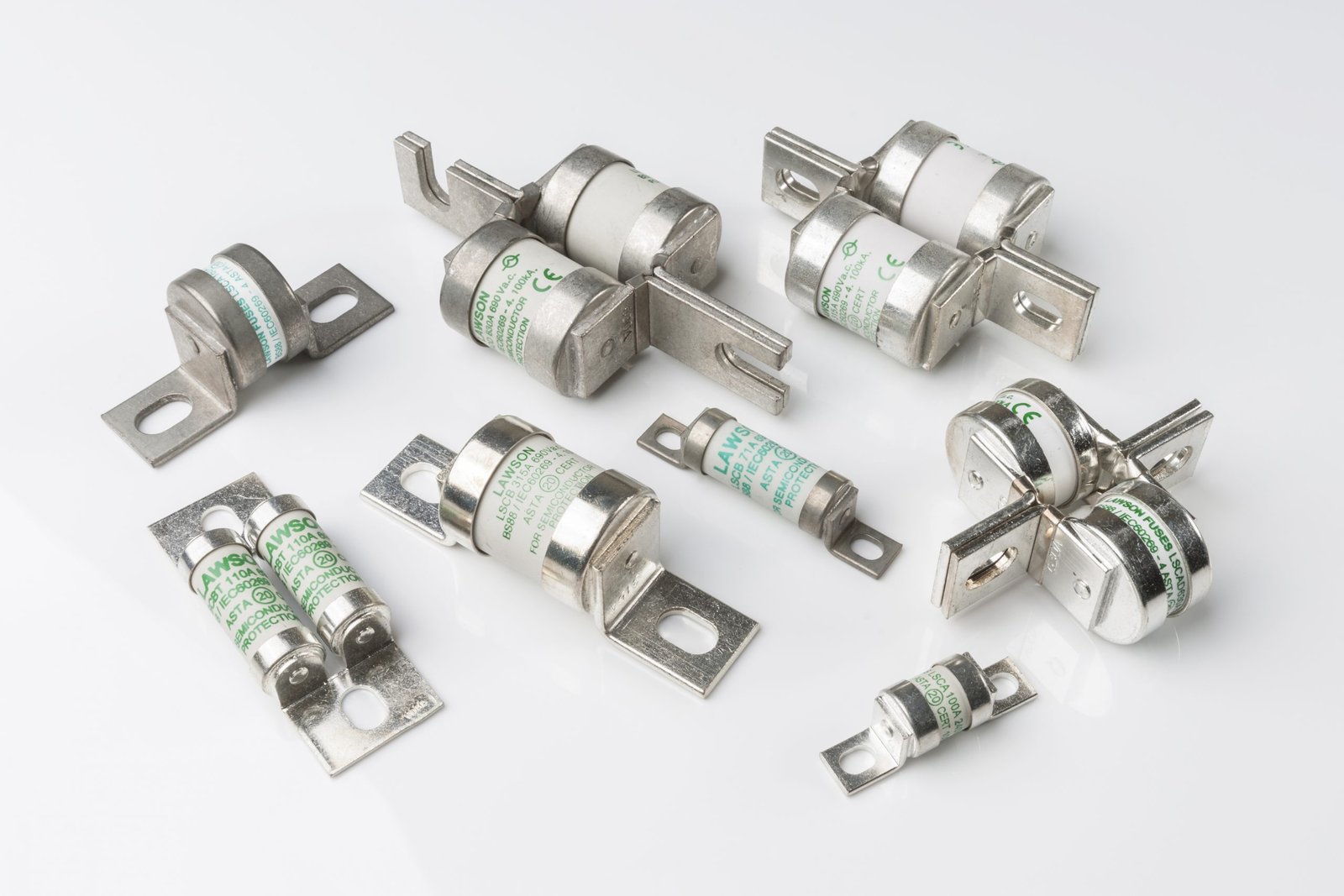
Elektrik ve endüstriyel sigortalar; arıza koşullarında kalibre edilmiş bir elemanın erimesi suretiyle determinatif, bakım gerektirmeyen aşırı akım koruması sağlar; kabloları, motorları, transformatörleri ve güç yarı iletkenlerini korumak için geçiş enerjisini ($I^2t$) ve tepe akımını sınırlandırır. IEC 60269 ve UL 248 serisi standartlarına uygun doğru seçim; 50–200 kA veya daha yüksek kesme kapasitelerini, yüke uygun tam aralıklı veya kısmi aralıklı karakteristikleri ve 1000 V AC veya 1500 V DC'ye kadar çalışan endüstriyel ortamlarda uzun vadeli sistem güvenilirliğini garanti eder.
Endüstriyel ve Orta Gerilim Sigortalarının Başlıca Türleri
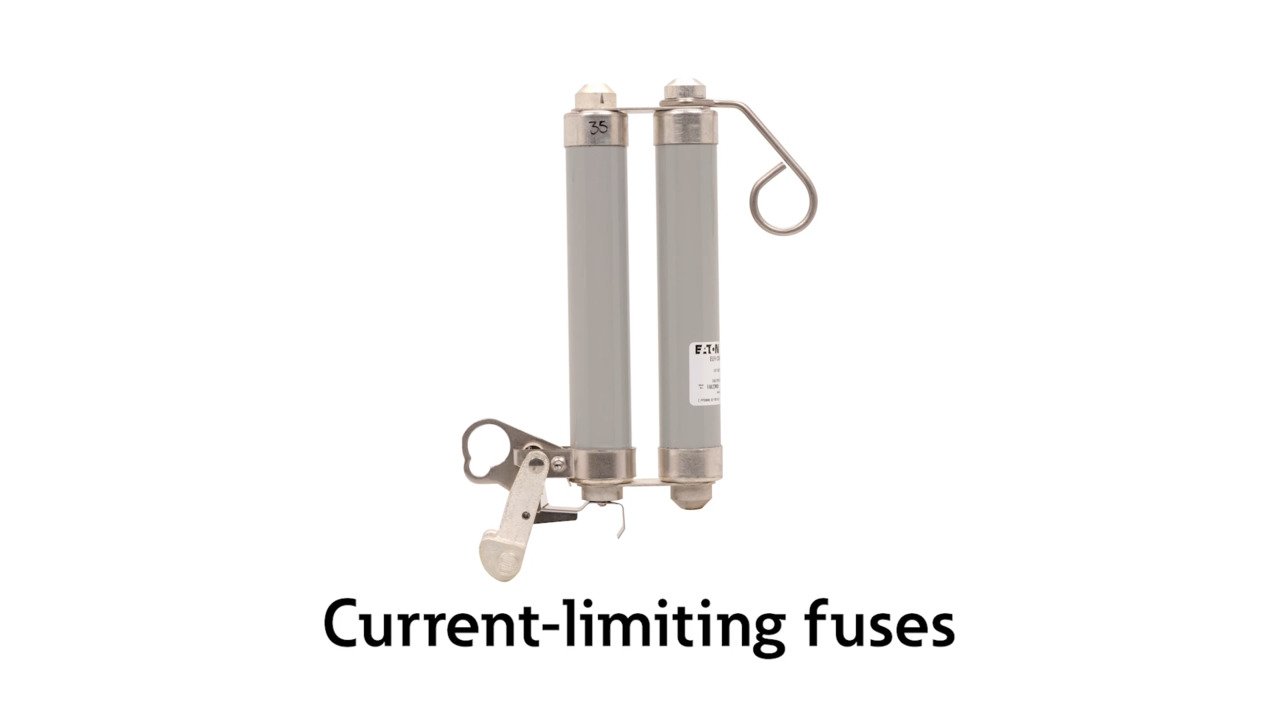
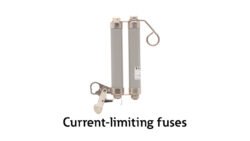
- Akım Sınırlayıcı Sigortalar (IEC 60282-1) İç mekan ve yeraltı kablo sistemleri, transformatörler ve şalt cihazları için tercih edilen seçenektir. Bu sigortalar, eleman boyunca birden fazla noktada eriyerek direnci hızla artıran ve ilk yarım çevrim içinde akımı sıfıra zorlayan bir dizi ark oluşturur. Yedek (kısmi aralıklı), Genel Amaçlı ve Tam Aralık tipleri mevcuttur.
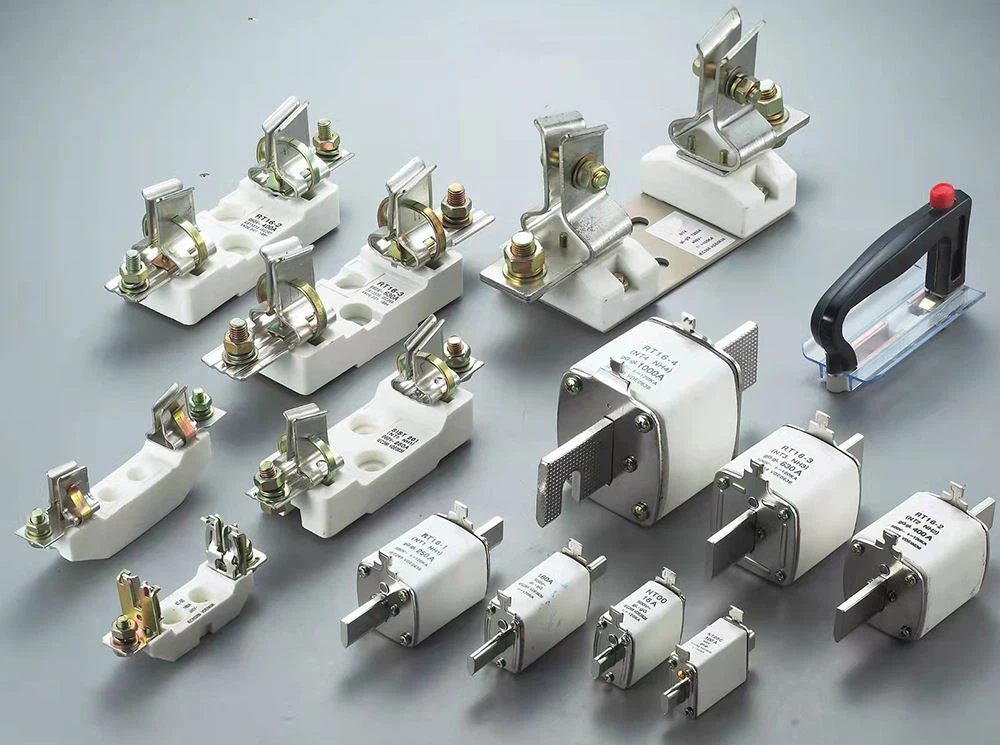
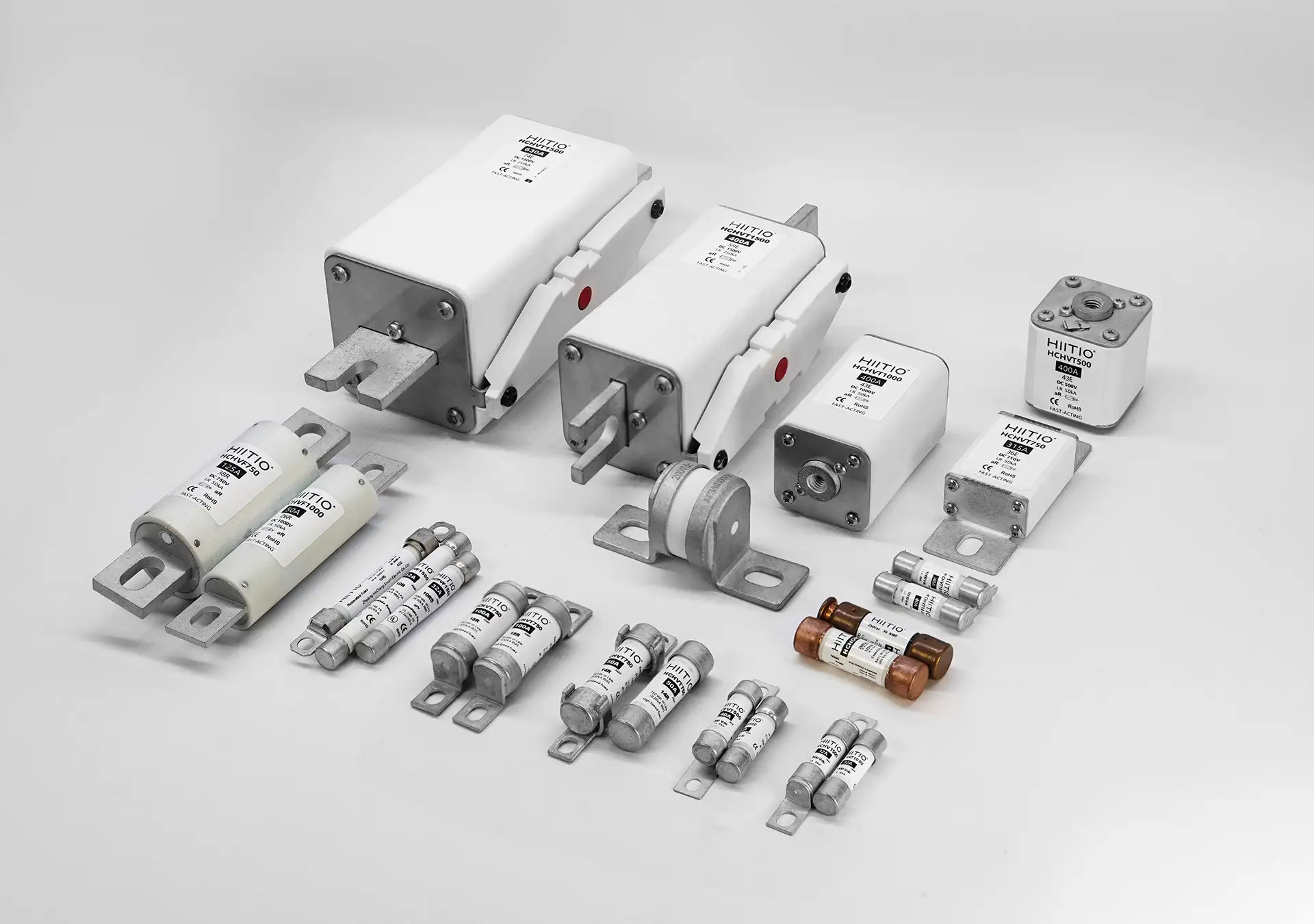
- Yüksek Kesme Kapasiteli (HRC) Kartuş Sigortalar Alçak ve orta gerilim endüstriyel panolarında yaygın olarak kullanılan seramik gövdeli DIN/NH tipi sigortalar. Yüksek kesme kapasitesi, düşük güç kaybı ve standartlaştırılmış boyutlara (NH00–NH3) sahiptir. Kablo koruması, motor devreleri ve dağıtım panoları için idealdir.
- Atlamalı (Güç) Sigortaları Öncelikle arkı söndürmek için gaz üretimi ve basınç kullanan, dış mekan cihazlarıdır. Genellikle havai hatlara ve dağıtım trafolarına uygulanır. Maliyeti düşüktür ancak çalışma sırasında egzoz gazı üretir.
- Özelleştirilmiş Varyantlar
- Kablo sınırlayıcılar / kablo koruyucular (servis girişleri ve besleyici koruması için iletkenlere sıkıştırılan veya cıvatalanan)
- Motor devre sigortaları (IEC 60644)
- Kapasitör koruma sigortaları (IEC 60549)
- Güç elektroniği için yarı iletken / ultra hızlı sigortalar
Elektrik ve Endüstriyel Sigortaların Başlıca Türleri Nelerdir ve İşlevleri Bakımından Nasıl Farklılık Gösterirler?
Endüstriyel sigortalar yapılarına, çalışma karakteristiklerine ve uygulama görevlerine göre sınıflandırılır. Baskın aileler, IEC 60269-2 kapsamındaki NH (bıçak ağızlı) kartuş sigortalar, silindirik kartuş sigortalar ve UL Sınıfı sigortalardır (J, R/RK1/RK5, CC, L, T, G). Yüksek kesme kapasiteli (HRC) tasarımlar, arkı hızla söndürmek ve 400–690 V AC'de 80–120 kA kesme kapasitelerine ulaşmak için seramik gövdeyi kuvars kumu ile doldurur. aR/gR sınıfı yarı iletken (hızlı) sigortalar, I²t değerini IGBT'leri, diyotları ve tristörleri korumaya yetecek kadar düşük bir seviyede sınırlandırır.
Zaman-akım davranışı bakımından önemli işlevsel farklılıklar ortaya çıkar:
- gG/gL (IEC) veya çift elemanlı gecikmeli (UL Sınıfı RK1/RK5, J) sigortalar, hem aşırı yükleri hem de kısa devreleri giderirken motor kalkış akımlarına (genellikle birkaç saniye boyunca 5–8 × In) dayanıklıdır.
- aM (IEC) yalnızca kısa devre koruması sağlar ve ayrı aşırı yük cihazları gerektirir.
- aR/gR (IEC 60269-4) veya hızlı etkili Class T/J tipleri, minimum geçiş enerjisi ile arızaları 1–10 ms'den kısa sürede giderir.

IEC 60269 ve UL 248 Standartları Endüstriyel Sigortalar İçin Performans Gereksinimlerini Nasıl Tanımlar?
IEC 60269-1:2024, AC ≤ 1000 V ve DC ≤ 1500 V için en az 6 kA kesme kapasitesine sahip kapalı akım sınırlayıcı sigorta buşonları için genel gereksinimleri belirler. Bölüm 2 endüstriyel sigorta buşonlarını (NH ebatları 000–4 dahil A–K sistemleri) kapsar, Bölüm 4 yarı iletken korumasını ele alır ve son değişiklikler (2024–2025) güç kaybı ve boyut toleranslarını iyileştirir. UL 248 (CSA C22.2 No. 248 ile uyumlu), 200–300 kA'e kadar zorunlu kesme derecelerine sahip Kuzey Amerika sınıflarını ve daha düşük değerdeki sigortaların takılmasını önleyen red özelliklerini tanımlar.
Temel Teknik Özellikler
| Parametre | Tipik Aralık / Performans |
|---|
| Anma Gerilimi | AG: 1000 V'a kadar; OG: 3,6–40,5 kV |
| Anma Akımı | 1 A – 2000 A+ (türe bağlı olarak) |
| Kesme Kapasitesi | 50 kA – 200 kA |
| Zaman-Akım Eğrisi | Hızlı etkili, gecikmeli veya çift elemanlı |
| Standartlar | IEC 60282-1, UL 248 serisi, DIN 43625, IEEE C37.xx |
| İnşaat | Gümüş/bakır elemanlar, kuvars kum dolgu, seramik veya cam gövde |
| Montaj | DIN rayı, vidalı, kesit, darbe pimi versiyonları |
Başlıca Sigorta Sınıflarının Karşılaştırılması (IEC ve UL)
| Karakteristik | IEC gG / NH | IEC aM | IEC aR / gR (Yarı İletken) | UL J Sınıfı | UL Sınıfı RK1 / RK5 | UL Sınıfı CC |
|---|
| Gerilim değeri | 400 / 500 / 690 V AC | 500 / 690 V AC | 690–1500 V AC/DC | 600 V AC | 250 / 600 V AC | 600 V AC |
| Current range | 2–1250 A (up to 1600 A) | 6–630 A | 16–1000 A+ | 1–600 A | 0–600 A | 0.1–30 A |
| Typical interrupting rating | 80–120 kA | 50–120 kA | 50–200 kA | 200 kA | 200 kA | 200 kA |
| Protection range | Full-range (overload + SC) | Partial-range (SC only) | Ultra-fast SC | Full-range / current-limiting | Time-delay full-range | Fast or time-delay |
| Birincil uygulama | Cable & general industrial | Motor circuits | IGBT, rectifier, drive | Feeders, space-constrained | Motor & industrial panels | Control circuits |
| Key standard reference | IEC 60269-2 | IEC 60269-2 | IEC 60269-4:2024/2025 | UL 248-8 | UL 248-12 | UL 248-4 |

What Technical Parameters Must Be Verified When Selecting an Industrial Fuse?
Selection begins with system voltage (fuse Un ≥ maximum system voltage, typically with 10–20 % margin for DC), continuous current (In selected so that operating current ≤ 0.8–1.0 × In after ambient derating), and prospective short-circuit current (fuse breaking capacity ≥ available fault current). Additional mandatory checks include:
- I²t let-through (pre-arcing and total clearing) must remain below the withstand of the protected device.
- Time-current characteristic must coordinate with upstream and downstream devices for selective protection.
- Power dissipation and temperature rise must stay within fuse-holder limits.
- Ambient temperature derating: typical factors reduce continuous rating by 0.5–1 % per °C above 40 °C.
- Frequency (normally 45–62 Hz) and, for DC, declared time constant (tc).
Typical Technical Parameters for Common NH Industrial Fuse Sizes (gG, 500–690 V)
| NH Size | Rated Current Range | Typical Breaking Capacity | Pre-arcing I²t Example (100 A) | Power Loss at In (approx.) | Body Length (approx.) |
|---|
| 000 / 00 | 2–160 A | 80–120 kA | 1 000–4 000 A²s | 3–8 W | 78.5 mm |
| 1 | 40–250 A | 120 kA | 5 000–15 000 A²s | 8–15 W | 135 mm |
| 2 | 125–400 A | 120 kA | 20 000–80 000 A²s | 15–25 W | 150 mm |
| 3 | 315–630 A | 120 kA | 100 000–400 000 A²s | 25–45 W | 150–210 mm |
| 4 | 630–1250 A | 80–120 kA | >500 000 A²s | 40–70 W | Larger |
Selection Guidance
Correct fuse selection considers:
- System voltage and available fault current
- Cable size and insulation type (PVC, XLPE)
- Load characteristics (continuous, motor starting, cyclic)
- Required discrimination with upstream/downstream devices
- Environmental conditions (indoor/outdoor, temperature, altitude)
Our engineering team provides detailed application support, including time-current curve coordination and I²t calculations, to ensure optimal protection without nuisance operation.
Şimdi bilgi isteyin for detailed technical datasheets, selection tables matched to your cable cross-sections, customized ratings, or complete protection proposals. We deliver reliable quality products backed by experienced technical solutions and long-term partnership support for cable manufacturers, utilities, and industrial end-users.









Değerlendirmeler
Henüz değerlendirme yapılmadı.