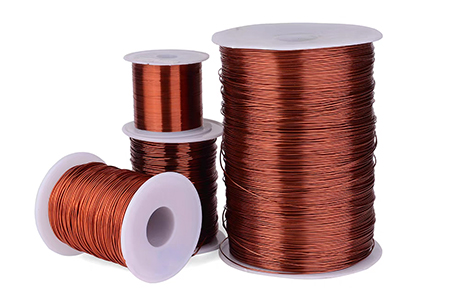
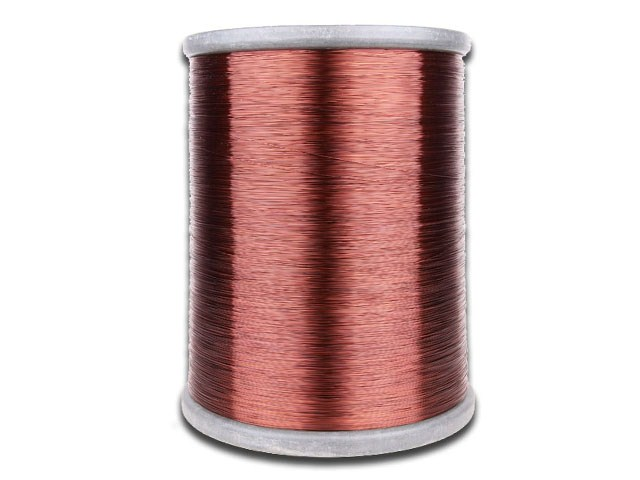
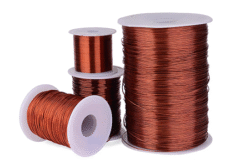
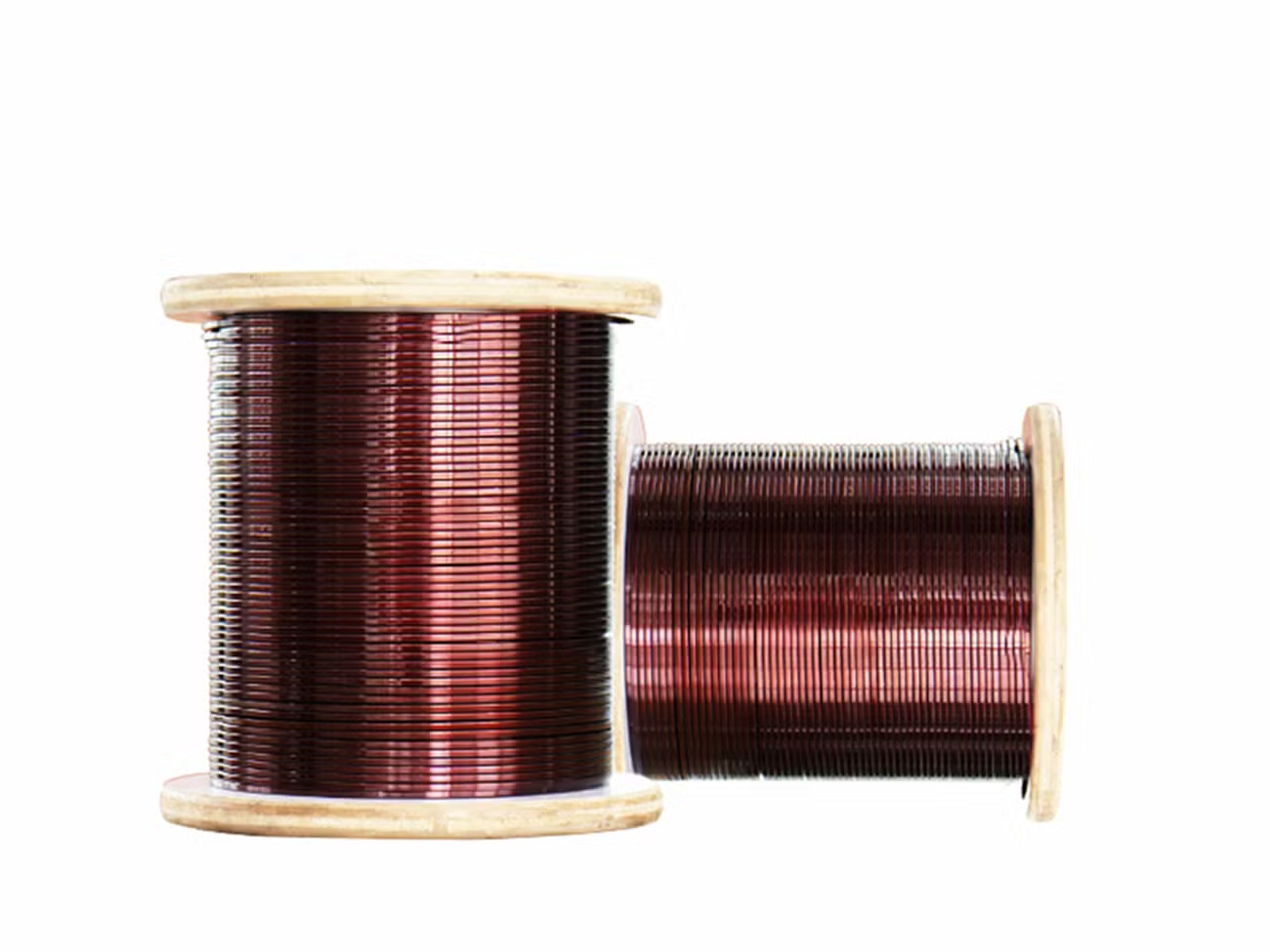
Enameled Aluminum Wire, also known as Enamelled Aluminium Wire or Aluminum Magnet Wire, is a precision-engineered winding conductor consisting of a high-purity aluminum core uniformly coated with a durable, high-performance insulating enamel varnish. This advanced product combines excellent electrical properties, superior thermal stability, and outstanding mechanical flexibility, delivering a highly cost-effective and lightweight alternative to traditional copper wire and enameled copper variants while maintaining reliable performance.
Through controlled multi-pass enameling processes, the wire achieves consistent insulation thickness, strong adhesion, and dependable dielectric strength. Its significantly lower density (approximately one-third that of copper) and favorable material economics enable manufacturers to reduce both product weight and overall production costs. The high-purity aluminum core also serves as an excellent base material for specialized aluminium wire for craft applications when supplied in appropriate uncoated or finished forms.
What Is Enameled Aluminum Wire and When Should Engineers Specify It?
Enameled aluminum wire is magnet wire manufactured from soft-annealed aluminum rod that is drawn, annealed and continuously coated with enamel systems such as polyester, polyester-imide, polyurethane or polyamide-imide. The finished product complies with IEC 60317-0-3:2024 (general requirements for enamelled round aluminium wire), the relevant particular specification sheets within the IEC 60317 series, GB/T 6109 / GB/T 7095, NEMA MW 1000 and UL 1446 insulation-system recognition.
Engineers specify it when the application tolerates a 1.6× larger conductor cross-section for equivalent DC resistance, benefits from 60–70 % lower conductor mass, and operates within the thermal class limits of the chosen enamel (most commonly 130 °C Class B, 155 °C Class F, 180 °C Class H or 200–220 °C). Typical targets are medium- and low-power motors, distribution transformers, HVAC compressors, fans, pumps and cost-driven appliance windings.

Key Advantages – Driving Efficiency and Value in Electrical Manufacturing
Enameled Aluminum Wire provides tangible benefits for high-volume producers:
- Significant Cost Savings — Aluminum raw material costs are substantially lower than copper. Even after upsizing the conductor cross-section to achieve equivalent current-carrying capacity, manufacturers typically realize 30–50% material cost reduction, directly improving competitiveness in price-sensitive markets.
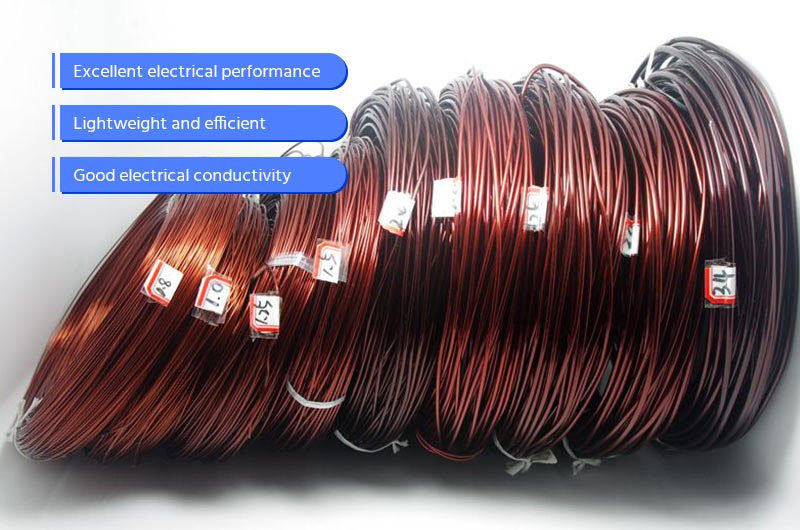
- Lightweight Design — With only about one-third the density of copper, aluminum enameled wire dramatically lowers the weight of finished products (transformers, motors, compressors). This reduces freight costs, simplifies handling and assembly, and contributes to overall equipment efficiency.
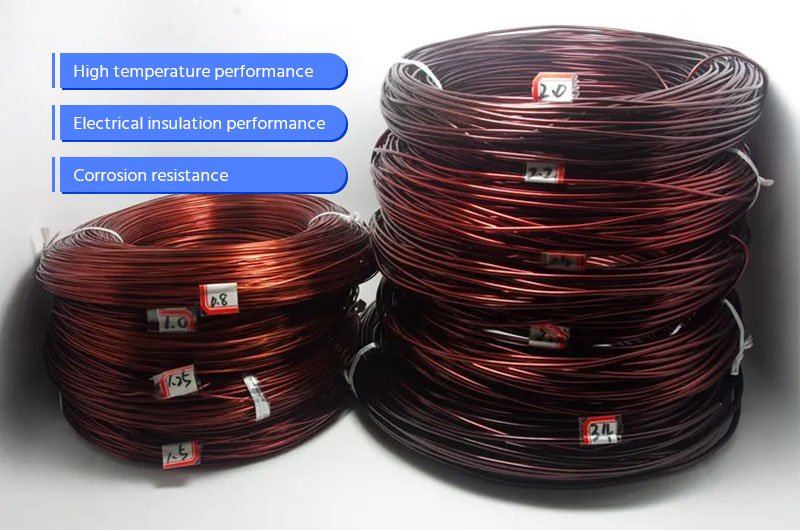
- High Heat Resistance & Flexibility — Thermal classes up to 200°C continuous operation, combined with excellent flexibility and adhesion characteristics, enable tight, reliable coil forming and simplify production processes on automatic winding equipment.
- Reliable Insulation Performance — The high-quality enamel coating delivers strong dielectric strength, excellent chemical resistance, and long-term protection against moisture, solvents, and environmental factors. Certain grades benefit from aluminum’s natural oxide layer for enhanced insulation integrity.
- Optimized Processability — Good windability and adhesion to fixtures reduce scrap rates and improve throughput in high-speed manufacturing environments.
These advantages make Enameled Aluminum Wire the preferred choice for manufacturers seeking an optimal balance of performance, economy, and reliability.
How Does Enameled Aluminum Wire Compare with Enameled Copper Wire?
Aluminum requires a larger cross-section to match copper resistance, but the finished winding is substantially lighter and lower in material cost. Key measured differences are summarized below.
| Performance Indicator | Enameled Copper Wire | Enameled Aluminum Wire | Practical Implication |
|---|
| Density (g/cm³) | 8.9–8.96 | 2.70 | ~67 % mass reduction at equal volume |
| Conductivity (IACS % / MS/m) | 100 % / ~58 | 61 % / ~36–37 | 1.6× area needed for equal R |
| Resistivity at 20 °C (Ω·mm²/m) | ≤0.01724 | ≤0.02826 | Higher I²R loss unless oversized |
| Thermal conductivity (W/m·K) | 397–401 | 226–237 | Slightly higher hotspot risk |
| Tensile strength (MPa) | 220–300 | 80–150 | Lower mechanical robustness |
| Melting point (°C) | 1083–1085 | 660 | Lower short-circuit withstand |
| Typical unit price (USD/kg, 2025) | 8–10 | 2.5–4 | 50–70 % material-cost saving |
| Service life (normal environment) | 15–20 years | 8–12 years | Depends on connection integrity |
What Thermal Classes and Insulation Systems Are Available for Enameled Aluminum Wire?
Thermal class is defined by IEC 60172 / NEMA MW 1000 as the temperature at which the insulation retains at least 20 000 h of extrapolated life. Aluminum magnet wire often exhibits a slightly higher temperature index than identically coated copper because of differences in surface chemistry and oxide interaction.
| Thermal Class | Typical Enamel System | Heat Shock (°C) | Common Standards | Primary Applications |
|---|
| 130 °C (B) | Polyester (PEW) | 155 | IEC 60317-3, GB/T 6109 | Fans, small pumps, appliance motors |
| 155 °C (F) | Modified polyester / polyurethane | 175 | IEC 60317-20/4, UL recognized | Compressors, power tools, HVAC |
| 180 °C (H) | Polyester-imide (EIW) | 200 | IEC 60317-23/8, NEMA MW 77 | Industrial motors, medium transformers |
| 200 °C (N) | Polyester-imide + PAI top-coat | 220 | IEC 60317-13, NEMA MW 35/36 | Higher-duty motors, inverter-fed equipment |
| 220 °C (C) | Polyamide-imide / polyimide | 240–260 | IEC 60317-26/47, NEMA MW 81 | Specialized high-temperature windings |
Round wire diameters typically range from 0.10 mm to 5.50 mm; rectangular (flat) wire is produced in cross-sections from approximately 2 mm² to 80 mm² with rounded corners for improved slot fill.
Main Applications Across the Electrical Industry
Enameled Aluminum Wire is widely specified for:
- Transformers — Dry-type, oil-immersed, and epoxy resin cast transformers where weight reduction and cost efficiency are priorities.
- Household Appliance Motors — Air conditioners, refrigerators, freezers, washing machines, and other high-volume white goods.
- Automotive Motors & Compressors — Electric motors, starter systems, and HVAC compressors where lightweight construction supports efficiency goals.
- Electromagnetic Coils & Components — Microwave ovens, chargers, ballast relays, degaussing coils, lighting fixtures, and various inductive devices.
- Industrial & Specialty Windings — Solenoids, relays, and other electromagnetic equipment requiring consistent insulation performance.
Its combination of performance and economy makes it especially suitable for cost-sensitive, high-volume production — aligning perfectly with the growing appliance, automotive, and electrical equipment manufacturing sectors in the Saudi Kingdom and GCC region under Vision 2030 localization initiatives.
Technical Specifications
| Parameter | Specification | Notes |
|---|
| Diameter Range | 0.12 mm – 8.00 mm | Precision drawing |
| Enameled Types & Thermal Classes | UEWAL: 130℃ / 155℃ / 180℃ | Polyurethane enamel |
| EIWAL: 200℃ | Polyester-imide enamel |
| E/AIWA: 200℃ | Polyester-imide / Polyamide-imide |
| Tensile Strength | High | Excellent flexibility |
| Heat Resistance | Up to 200℃ (continuous) | Suitable for high-temperature applications |
| Insulation Properties | Strong dielectric strength | Chemical and environmental resistance |
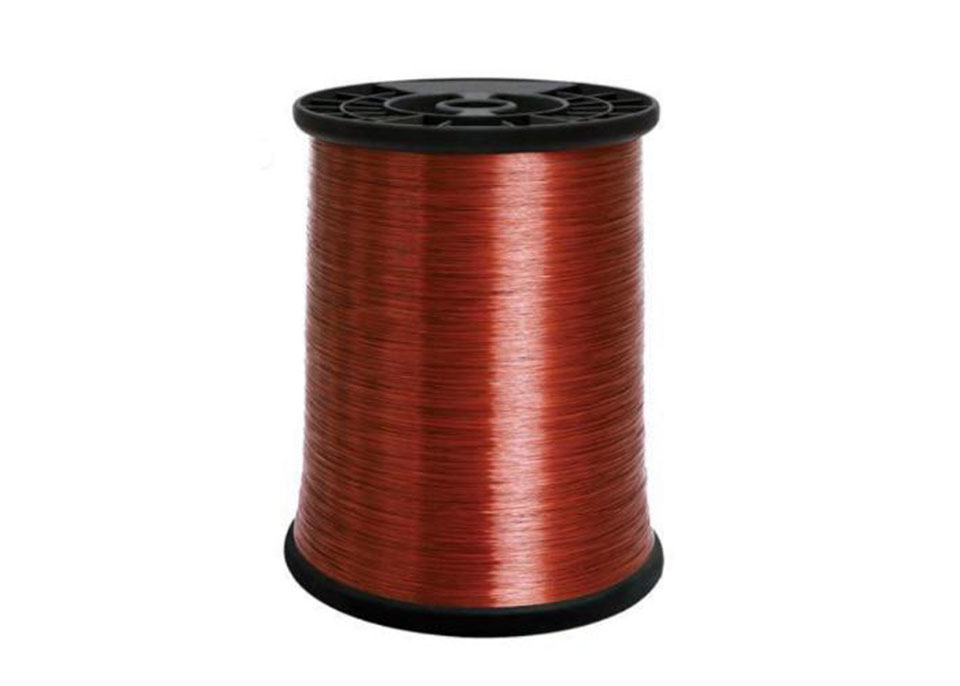
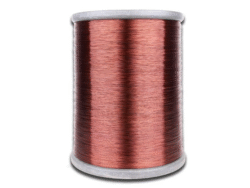
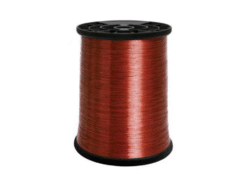
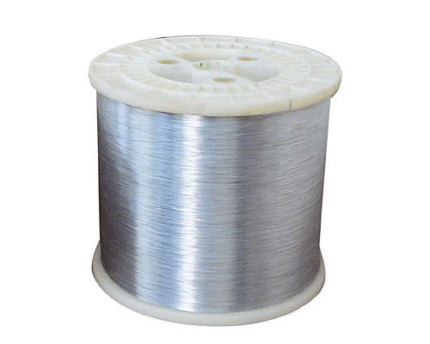
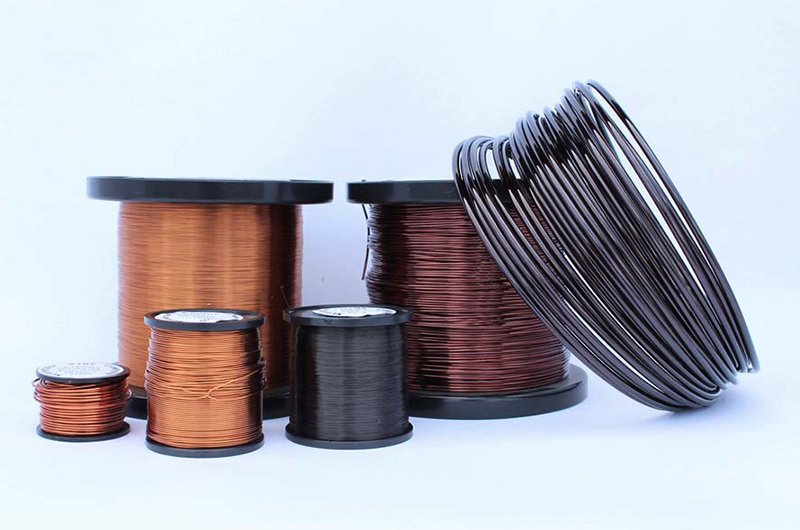
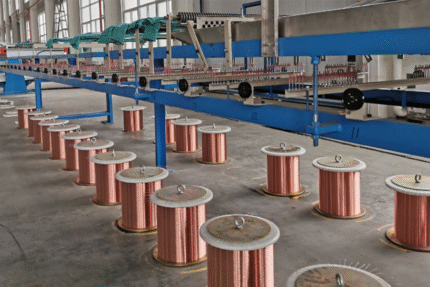
| Spool Type | High-quality plastic spools | Easy feeding into automatic winding machines |
(Custom diameters, insulation build grades, colors, and self-bonding variants available upon request.)

Manufacturing Process & Rigorous Quality Control
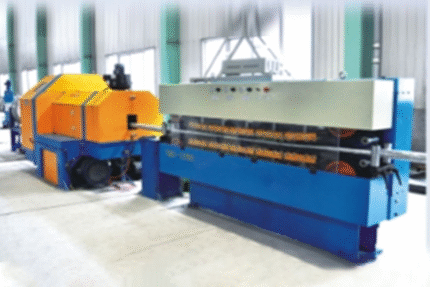
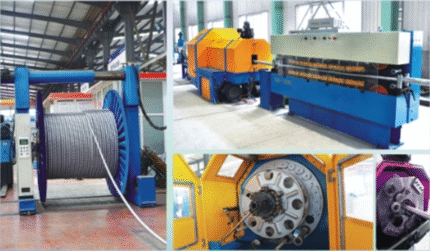
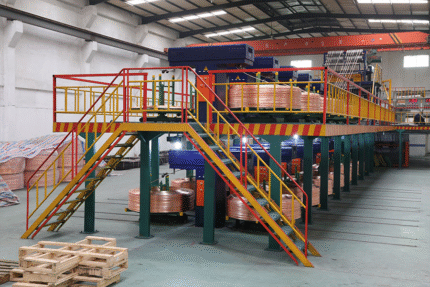
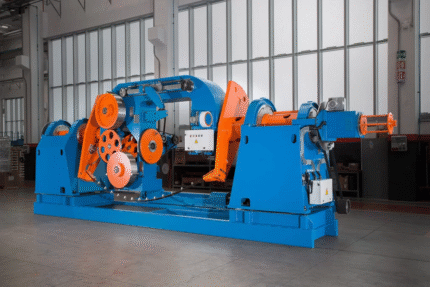
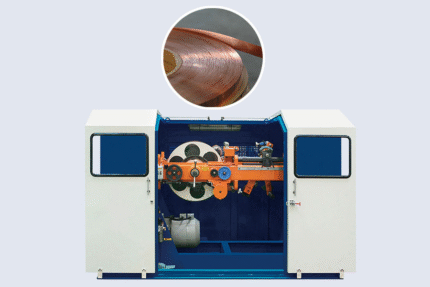
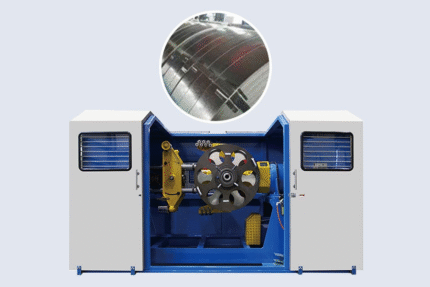
Enameled Aluminum Wire is produced on advanced continuous enameling lines:
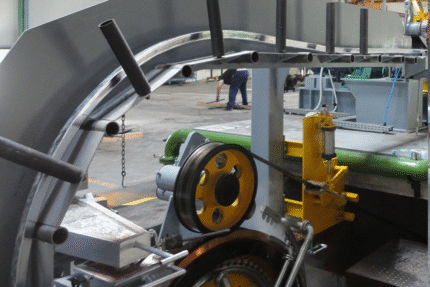
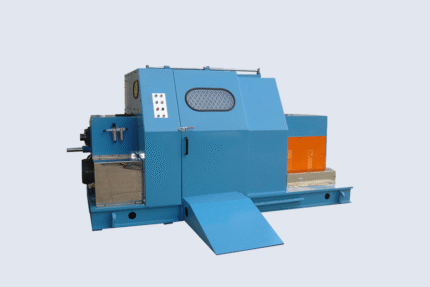
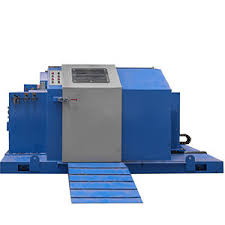
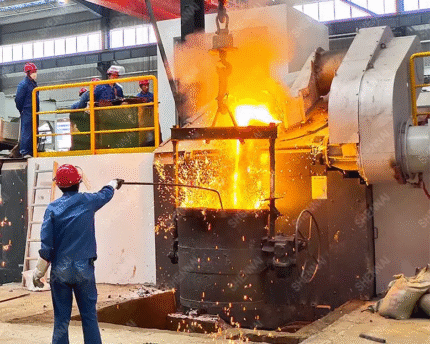
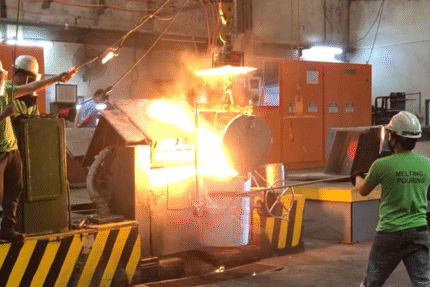
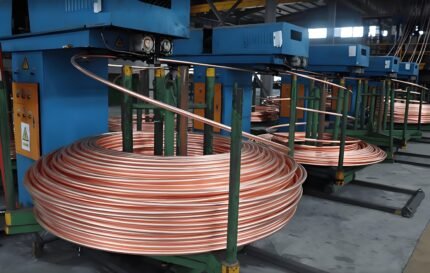
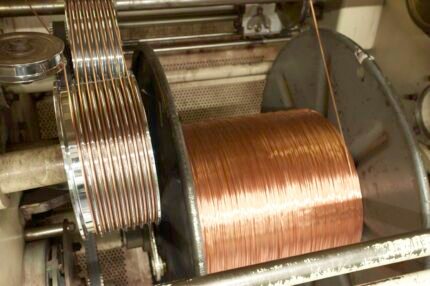
High-purity aluminum rod is drawn to precise diameters with controlled annealing to optimize ductility and surface quality. Multiple layers of enamel are applied through precision coating dies, followed by controlled baking and curing cycles to achieve uniform film thickness and strong adhesion. Online monitoring systems ensure consistent diameter, film build, and surface integrity.
Every batch undergoes comprehensive testing, including high-voltage spark testing for pinhole detection, dimensional verification, tensile and elongation testing, heat shock resistance, and dielectric strength evaluation. Production strictly adheres to IEC 60317, NEMA MW 1000, and equivalent international standards, guaranteeing consistent mechanical properties, electrical performance, and full traceability.
Practical Engineering Recommendations and Long-Term Partnership Considerations
Specify conductor purity ≥99.5 % (preferably 1350-O or equivalent), Grade 1 or Grade 2 insulation according to voltage stress, and thermal class matched to the actual duty cycle rather than nameplate ambient. For rectangular wire, confirm corner radius and enamel build to maximize slot fill factor. Require continuous spark testing, full traceability from rod heat to finished spool, and UL/IEC type-test documentation.
When cost, weight and adequate efficiency align, enameled aluminum wire provides a technically sound, long-term supply solution. High-volume users benefit from dual-sourcing agreements and joint process qualification with the wire manufacturer to lock enamel adhesion, residual stress and spooling tension.
Key takeaways
- Enameled aluminum wire offers ~61 % IACS conductivity at one-third the density and substantially lower cost than copper.
- Cross-section must be increased by ~1.6× for equal resistance; thermal class and termination integrity determine service life.
- Compliance with IEC 60317-0-3:2024, corresponding particular sheets, GB/T and UL 1446 is mandatory for global market acceptance.
- Primary value is realized in transformers, HVAC, fans, pumps and cost-sensitive motors where volume is available.
- Proper process control and connection technology eliminate the majority of field failures.
For detailed technical data sheets, custom thermal-class samples or volume pricing based on your exact diameter, insulation grade and packaging requirements.
Inquiry Now — Contact our technical team today for detailed specifications, samples, technical data sheets, or customized solutions tailored to your transformer, motor, or coil winding projects in the Saudi and GCC markets. We respond with technical proposals and reference cases within 48 hours.









Reviews
There are no reviews yet.