Maleic anhydride grafted polypropylene (MAH-g-PP) is a functionalized polyolefin produced by reactive extrusion grafting of maleic anhydride monomers onto a polypropylene backbone. The resulting polar anhydride groups create chemical bridges between non-polar PP matrices and polar fillers, reinforcements, metals, or engineering resins. In cable manufacturing this delivers measurable gains in interfacial adhesion, mechanical strength, filler dispersion, and long-term electrical stability for both thermoplastic polypropylene insulation systems and highly filled low-smoke halogen-free (LSZH) compounds.
Typical commercial grades exhibit grafting levels of 0.5–2.0 wt% MAH (acid-base titration or FTIR), melt-flow rates of 20–120 g/10 min (190 °C or 230 °C / 2.16 kg depending on grade), and densities of 0.90–0.92 g/cm³. These parameters allow uniform dispersion at low addition levels while preserving processability on twin-screw compounding lines used for cable insulation and sheathing compounds.

Başlıca Özellikler ve Faydalar
- Yüksek Aşılama OranıPolar malzemelerle üstün arayüzey bağı için güçlü polar fonksiyonel gruplar sağlar.
- Mükemmel İşlenebilirlik: Ekstrüzyon ve bileşik hazırlama sırasında iyi erime akışını ve termal kararlılığı korur.
- Düşük Safsızlık İçeriğiNihai bileşiklerde temiz işlemeyi ve minimum kusuru sağlar.
- Çift İşlevsellik: Yüksek verimli bir şekilde hareket eder uyumlayıcı karışımlarda dağılımı ve uyumluluğu iyileştirmek ve bir sertleştirici madde darbe direncini ve genel mekanik performansı artırmak için.
PE-g-MAH, polar olmayan poliolefinleri polar dolgu maddeleri, alev geciktiriciler ve mühendislik reçineleri ile etkili bir şekilde birleştirerek çekme mukavemeti, uzama, darbe dayanımı ve uzun vadeli stabilite açısından geliştirilmiş kompozitler elde edilmesini sağlar.
Why Does Cable Insulation Need MAH-g-PP Compatibility Enhancement?
Polypropylene is gaining adoption as a recyclable thermoplastic alternative to cross-linked polyethylene (XLPE) for medium- and high-voltage cable insulation because it can be re-melted and reprocessed. Pure PP, however, shows poor adhesion to polar mineral flame retardants (ATH, MDH), glass fibers, or metallic conductors and exhibits higher space-charge accumulation under DC stress. Grafting maleic anhydride introduces deep traps that suppress space-charge injection and raise breakdown strength while simultaneously coupling the matrix to fillers.
Laboratory data confirm that PP-g-MAH raises the characteristic DC breakdown strength of polypropylene from approximately 399 kV/mm to 453 kV/mm (13.5 % increase) and elevates the critical electric field from 33.5 kV/mm to 46.7 kV/mm. Volume resistivity remains in the 10¹³–10¹⁴ Ω·m range at 70–90 °C, matching or exceeding conventional XLPE under comparable stress.
Technical Principle: How the Anhydride Groups Function at the Interface
During melt compounding the anhydride rings open and form covalent or hydrogen bonds with hydroxyl groups on glass-fiber surfaces, magnesium hydroxide, aluminum trihydrate, or metal oxides. The polypropylene backbone remains compatible with the bulk PP or PP/PE blend, creating a molecular bridge that transfers stress and prevents filler pull-out or agglomeration. In ternary systems containing epoxy-functional copolymers the anhydride further reacts to generate in-situ PE–PP copolymers that improve creep resistance above the melting point of LDPE while retaining thermoplastic recyclability.
Grafting is performed by reactive extrusion with peroxide initiators (typically DCP or similar) under controlled temperature (170–200 °C) and residence time to maximize grafting efficiency while limiting chain scission and residual free MAH. High-quality grades show low odor, low yellowing index, and residual monomer below 0.1–0.3 wt%, critical for clean cable extrusion and long-term dielectric performance.

Typical Technical Parameters of Commercial MAH-g-PP Grades
| Parametre | Tipik Menzil | Test Method / Condition |
|---|
| Grafting rate (MAH) | 0.5–2.0 wt% (medium to high) | Acid-base titration / FTIR |
| Melt flow rate | 20–120 g/10 min | 190 °C or 230 °C / 2.16 kg |
| Yoğunluk | 0.90–0.92 g/cm³ | ASTM D792 / ISO 1183 |
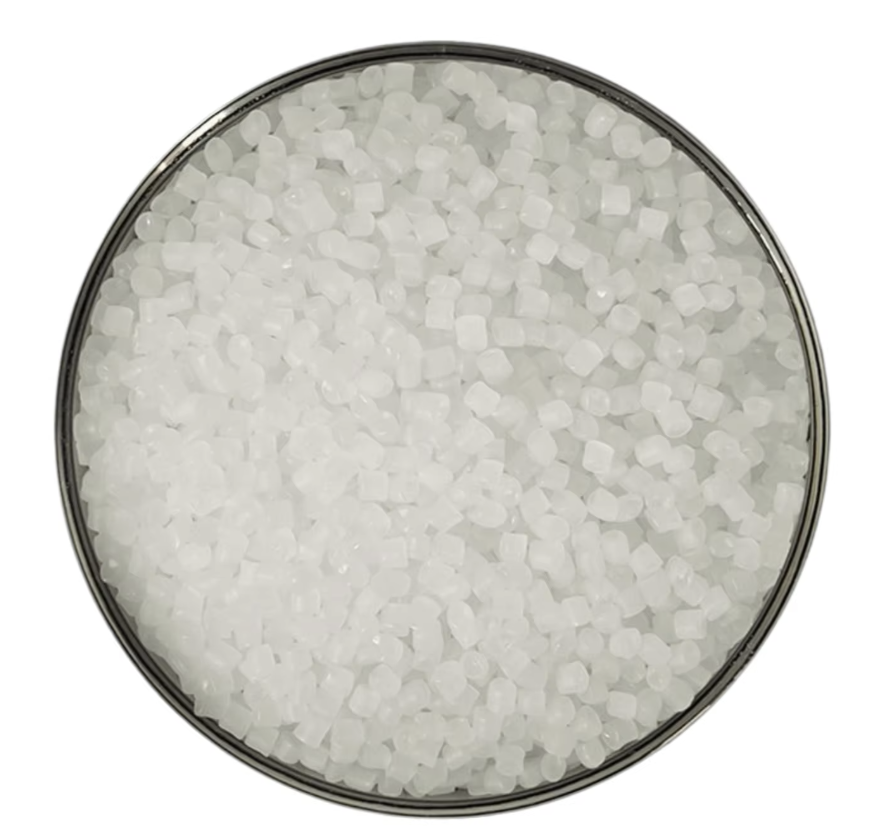
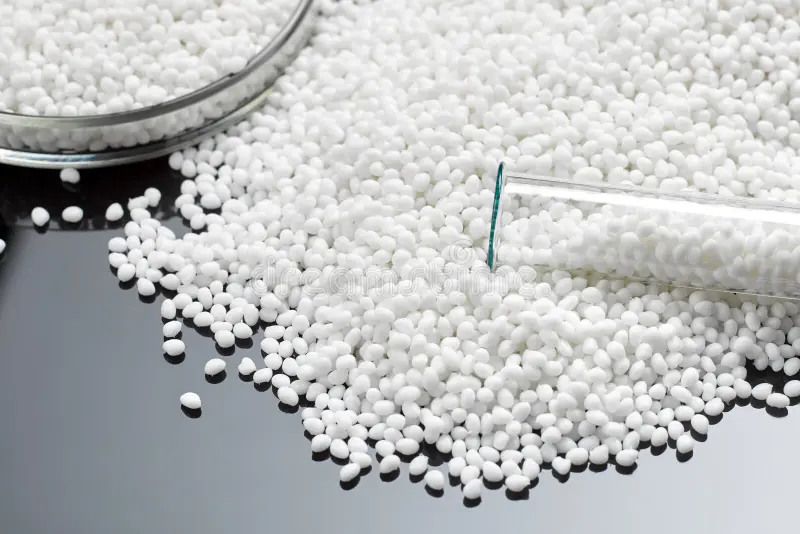
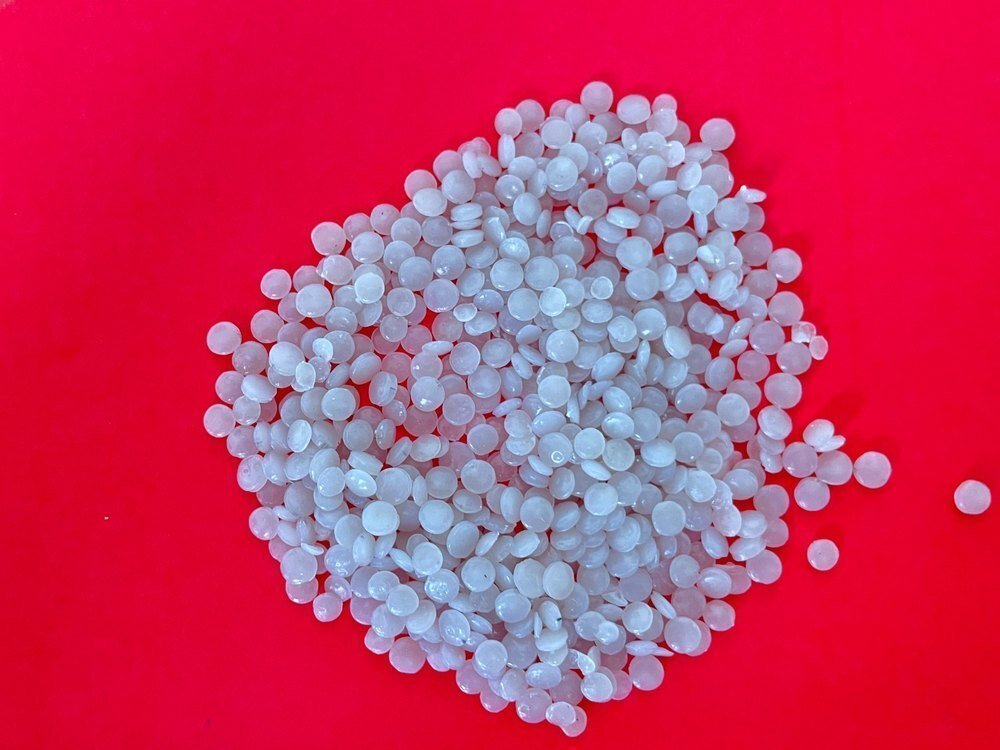
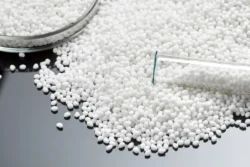
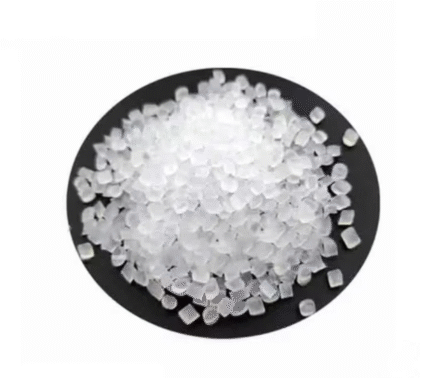
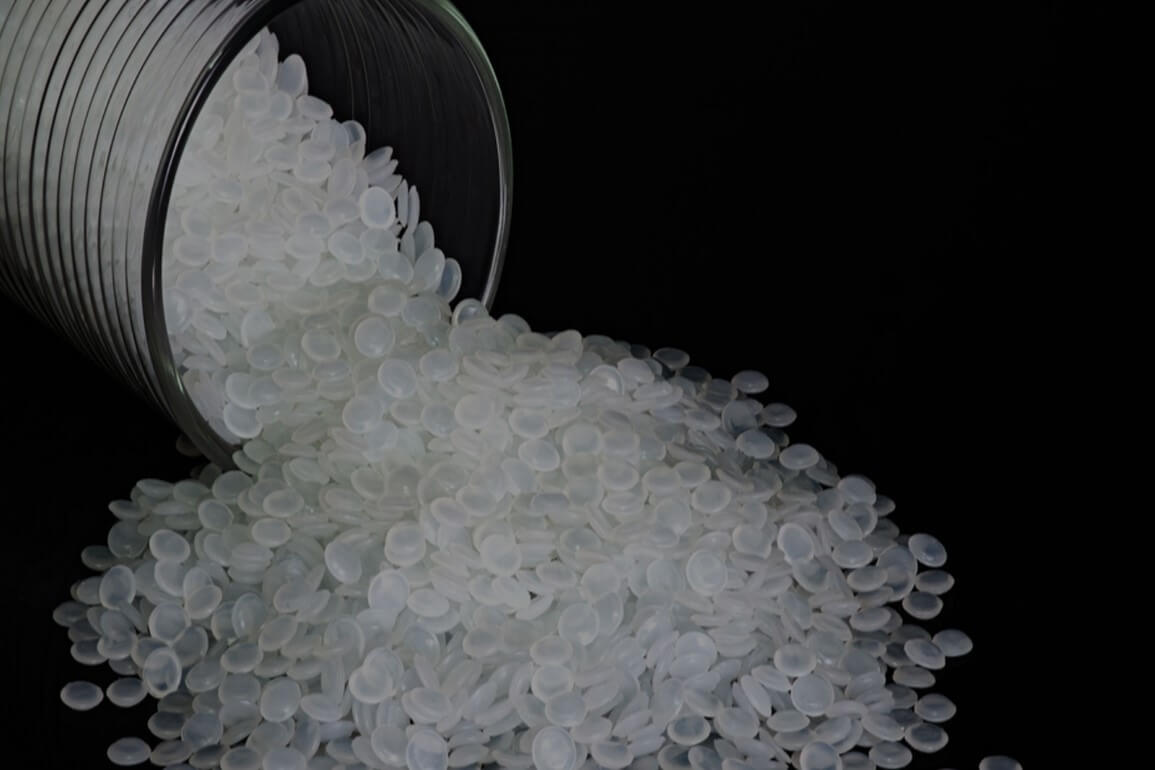
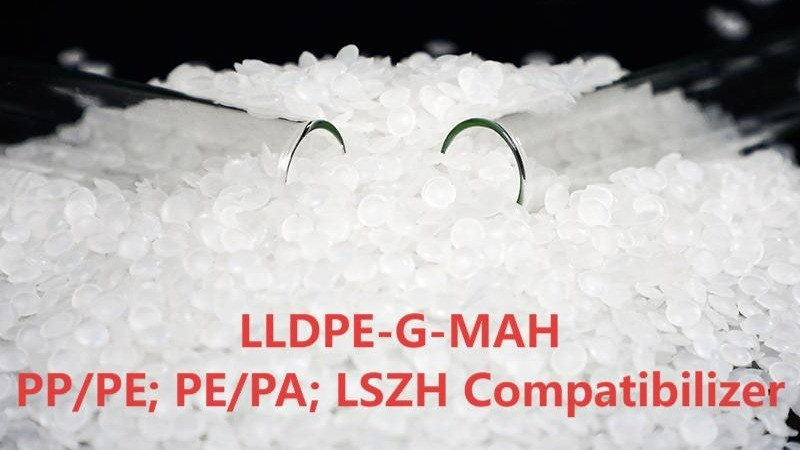
| Appearance | Natural translucent pellets | Visual |
| Residual free MAH | < 0.3 wt% | Extraction |
| Recommended dosage | 1.5–5.0 wt% (compound total) | Application-dependent |
| Processing temperature | ≤ 280 °C | Twin-screw extrusion |
Higher grafting rates improve coupling efficiency but increase melt viscosity and may require adjusted screw design. Lower-MFR grades are preferred for extrusion of thick insulation walls; higher-MFR grades facilitate rapid dispersion in high-filler masterbatches.
Selection and Application Guidelines for Cable Manufacturers
- Recyclable PP insulation (MV/HV DC cables) Use 0.5–3 wt% MAH-g-PP (or anhydride-group-containing PP grafts) as the sole or primary matrix. Target grafting 0.4–1.5 wt%. Resulting materials achieve working temperatures of 90–160 °C, breakdown fields ≥ 210 kV/mm at 90 °C, and volume resistivities > 10¹³ Ω·m. Insulation thickness can be reduced 5–30 % relative to XLPE while meeting GB/T 12706 or IEC 60502 requirements.
- LSZH / HFFR sheathing and insulation compounds Add 3–5 wt% MAH-g-PP or PE-g-MAH to systems containing 50–65 wt% ATH or MDH. The coupling agent improves filler dispersion, raises tensile strength above 10–12.5 MPa and elongation above 150 % (typical cable sheathing minima), and reduces surface roughness of semi-conductive layers, thereby lowering space-charge injection into the insulation.
- Glass-fiber or mineral-reinforced PP compounds for cable accessories and structural components 1.5–3.0 wt% high-graft MAH-g-PP yields the mechanical gains shown in the table above and raises heat-deflection temperature sufficiently for continuous operation near 140–150 °C.
- Adhesion layers and metal bonding 2–4 wt% MAH-g-PP improves pull-off strength to copper or aluminum conductors and shields, reducing the risk of delamination under thermal cycling.
Dosage must be optimized against filler surface area: higher loadings of fine MDH require the upper end of the 3–5 % range. Excess compatibilizer can reduce melt strength or introduce unnecessary polarity that elevates dielectric loss at power frequency; therefore laboratory screening of tensile, elongation, volume resistivity, and dielectric loss tangent at 90 °C is mandatory.
Standards, Failure Modes and Processing Precautions
Relevant reference frameworks include IEC 60502 / IEC 60840 for power cables, GB/T 12706 for extruded insulation, and material test methods GB/T 1040, GB/T 1410, GB/T 1408. Emerging thermoplastic PP insulation systems are evaluated against the same electrical and mechanical criteria as XLPE while adding recyclability metrics.
Common failure modes prevented by correct use of MAH-g-PP:
- Filler agglomeration leading to local field enhancement and premature breakdown.
- Poor fiber–matrix adhesion causing fiber pull-out and reduced impact strength.
- Space-charge accumulation under DC stress causing field distortion and insulation aging.
- Delamination at conductor or metal-tape interfaces under thermal expansion mismatch.
Processing notes:
- Maintain melt temperature below 280 °C to preserve grafting efficiency.
- Ensure thorough vacuum devolatilization to remove residual monomer and peroxide by-products.
- Pre-dry hygroscopic fillers; moisture reacts preferentially with anhydride groups and reduces coupling efficiency.
- Monitor yellowing index and residual odor; high-quality grades remain nearly colorless and low-odor after compounding.
Key Takeaways
- MAH-g-PP functions as a reactive compatibilizer and coupling agent that covalently links non-polar polyolefin matrices to polar fillers, fibers and metals.
- Typical addition of 1.5–5 wt% delivers 50 %+ gains in tensile strength and impact resistance in filled or reinforced compounds and raises DC breakdown strength of PP insulation.
- Grafting rates of 0.5–2.0 wt% combined with controlled MFR enable clean processing on standard cable compounding equipment.
- The material supports the transition from XLPE to recyclable thermoplastic polypropylene insulation while meeting or exceeding existing electrical and mechanical requirements of IEC and GB standards.
- Correct dosage, residual-monomer control and processing temperature are essential to realize the full mechanical and dielectric benefits.
For cable compound formulations requiring verified grafting level, low residual monomer and consistent batch-to-batch performance, detailed technical data sheets and sample evaluation are available.
Şimdi bilgi isteyin









Değerlendirmeler
Henüz değerlendirme yapılmadı.