Uncategorized

What is Aluminum Clad Wire Used For?

What is Aluminum Clad Wire Used For

In-Depth Technical Guide to Aluminum Clad Steel (ACS / Alumoweld) Wire Applications, Performance Data & Selection Criteria

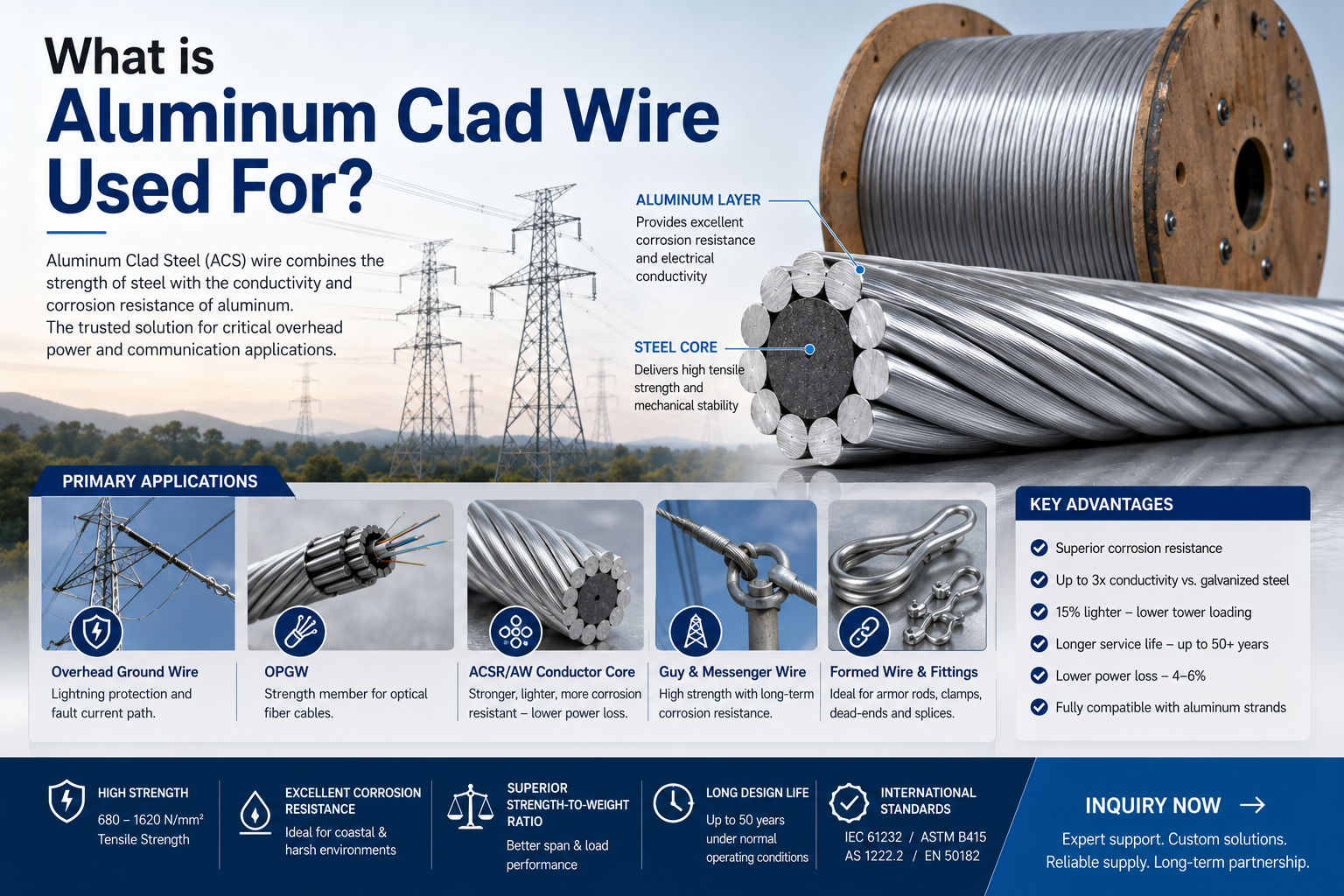
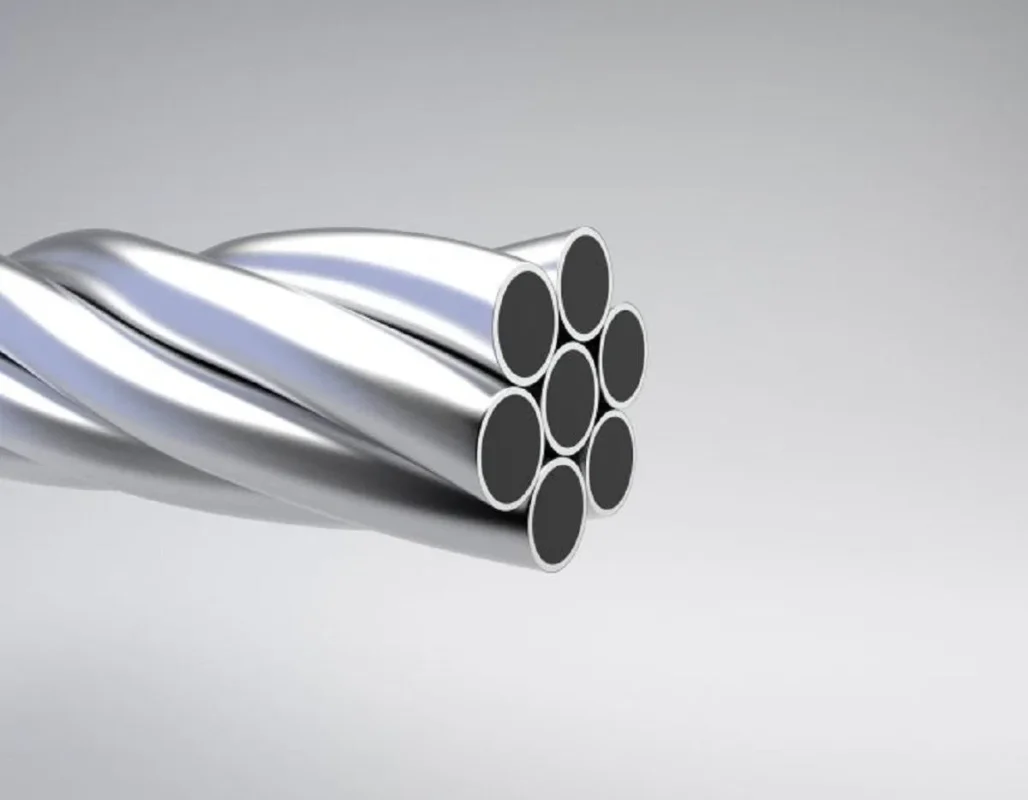
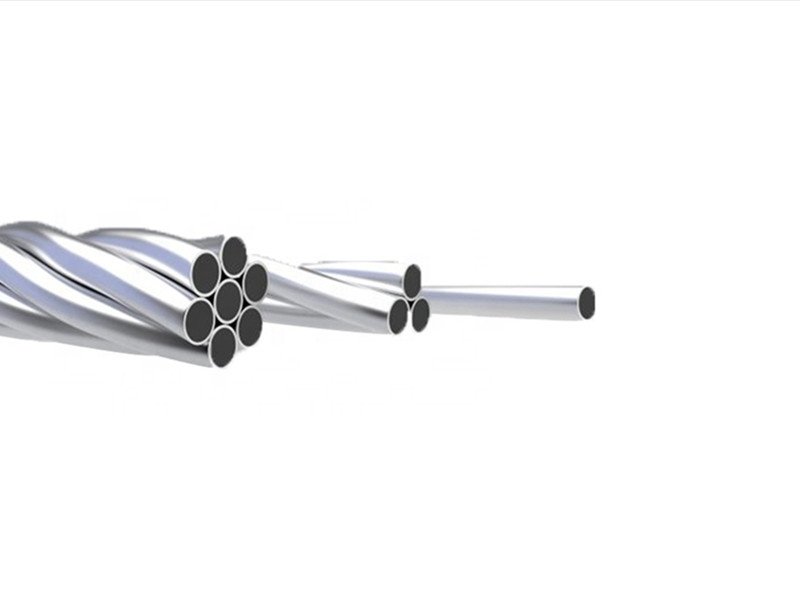
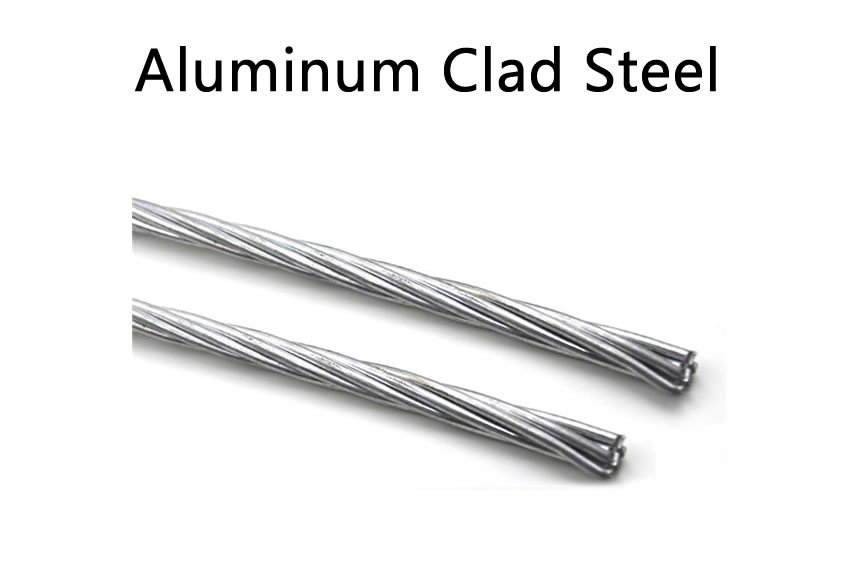
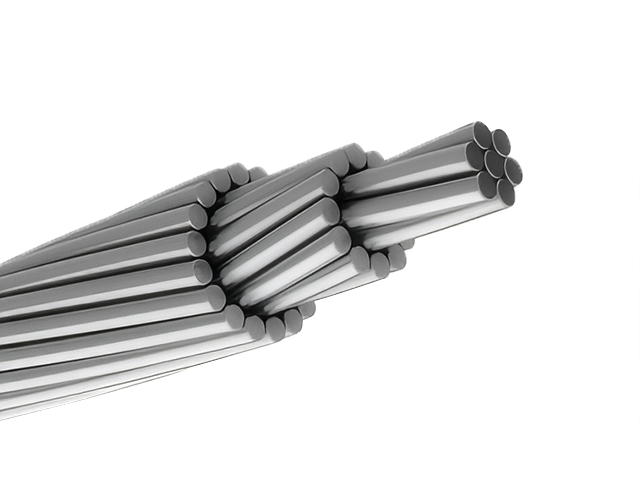
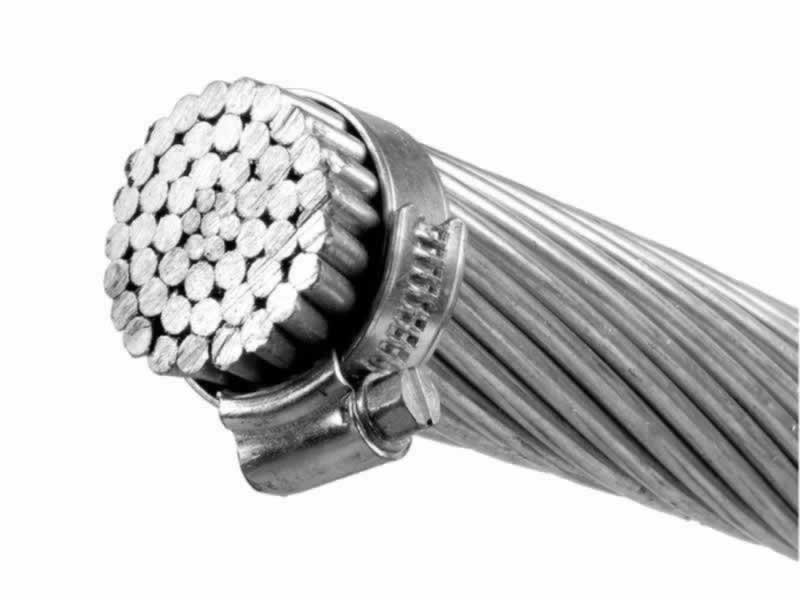
Aluminum clad wire — correctly termed Aluminum Clad Steel (ACS) wire or Alumoweld wire — is a precision-engineered bimetallic conductor consisting of a high-strength steel core permanently metallurgically bonded with a continuous outer layer of pure aluminum.

This unique construction simultaneously delivers the high tensile strength of steel, the electrical conductivity and exceptional corrosion resistance of aluminum, and a superior strength-to-weight ratio. It has become the preferred material for critical overhead power transmission components worldwide, particularly in corrosive, coastal, long-span, and high-reliability environments.

What is Aluminum Clad Wire Used For? In-Depth Technical Guide to Aluminum Clad Steel (ACS / Alumoweld) Wire Applications, Performance Data & Selection Criteria

Aluminum clad wire — correctly termed Aluminum Clad Steel (ACS) wire or Alumoweld wire — is a precision-engineered bimetallic conductor consisting of a high-strength steel core permanently metallurgically bonded with a continuous outer layer of pure aluminum.

This unique construction simultaneously delivers the high tensile strength of steel, the electrical conductivity and exceptional corrosion resistance of aluminum, and a superior strength-to-weight ratio. It has become the preferred material for critical overhead power transmission components worldwide, particularly in corrosive, coastal, long-span, and high-reliability environments.

Below is a comprehensive, data-driven analysis of its structure, manufacturing, technical performance, primary applications, quantitative advantages, standards, and selection guidance — written for utility engineers, EPC contractors, and conductor manufacturers.

1. Structure and Manufacturing Process of Aluminum Clad Steel Wire

ACS wire is produced by continuously cladding a clean, high-carbon or high-strength steel core wire with pure aluminum through a high-pressure continuous extrusion process (often tangential rotary extrusion).

The aluminum layer is applied under extreme pressure and elevated temperature, creating a true metallurgical bond rather than a simple mechanical coating. This bond remains intact throughout the entire service life of the product — there is no peeling, flaking, or galvanic separation even under severe mechanical or thermal stress.

Key structural parameters (per IEC 61232):

  • Minimum aluminum cladding thickness: typically 8–25% of the wire radius (depending on conductivity class)
  • Uniform circumferential coverage
  • Dense, oxide-free interface between aluminum and steel

Modern production lines include precise surface preparation, continuous extrusion, water cooling, diameter control, and real-time quality monitoring to guarantee consistency across long production runs.

2. Technical Performance Classes and Key Physical Properties

ACS wire is classified primarily by conductivity (IACS) according to international standards:

ClassNominal Conductivity (% IACS)Typical Density (g/cm³)Max. Resistivity at 20°C (nΩ·m)Typical Applications Focus
20SA20.3%6.5984.80High-strength ground wire, long spans
27SA20.3–27%6.5384.80 / 63.86Balanced strength & conductivity
30SA27–30%5.9163.86OPGW & ACSR/AW cores
40SA30–40%5.6157.47 / 43.10Higher conductivity requirements

Additional typical properties:

  • Tensile strength: 680–1620 N/mm² (depending on class and diameter)
  • Modulus of elasticity: 132–174 GPa
  • Coefficient of linear expansion: approx. 12.6–13.8 × 10⁻⁶ /K
  • Design service life: commonly specified as 50 years under normal operating conditions

3. Quantitative Advantages Compared with Alternatives

Performance FactorACS Wire vs. Galvanized SteelACS Wire vs. Conventional ACSR Core
Weight~15% lighterConductor overall ~5% lighter
ConductivityUp to 3× higher2–3% higher ampacity
Corrosion resistanceDramatically superior (especially coastal)Far superior in corrosive zones
Service lifeUp to 2× longer in aggressive environmentsSignificantly extended
Power loss (in ACSR/AW)4–6% lower
Compatibility with Al strandsExcellent (no galvanic couple)Excellent
Tower / structure loadingReduced due to lower weight & tensionReduced

These quantifiable benefits translate directly into lower lifetime cost of ownership, reduced maintenance, longer intervals between replacements, and the ability to design longer spans with fewer supporting structures.

4. Primary Applications of Aluminum Clad Wire — Detailed Analysis

4.1 Overhead Ground Wire / Shield Wire (OHGW)

ACS stranded conductors are the modern standard for overhead ground wires on transmission lines of 35 kV and above.

They provide:

  • Reliable lightning interception and low-impedance path to ground
  • High mechanical strength to withstand ice, wind, and short-circuit forces
  • Excellent corrosion resistance in coastal, industrial, and high-pollution zones where traditional galvanized steel rapidly deteriorates

The permanent aluminum cladding eliminates the progressive strength loss caused by zinc corrosion, delivering consistent performance over decades.

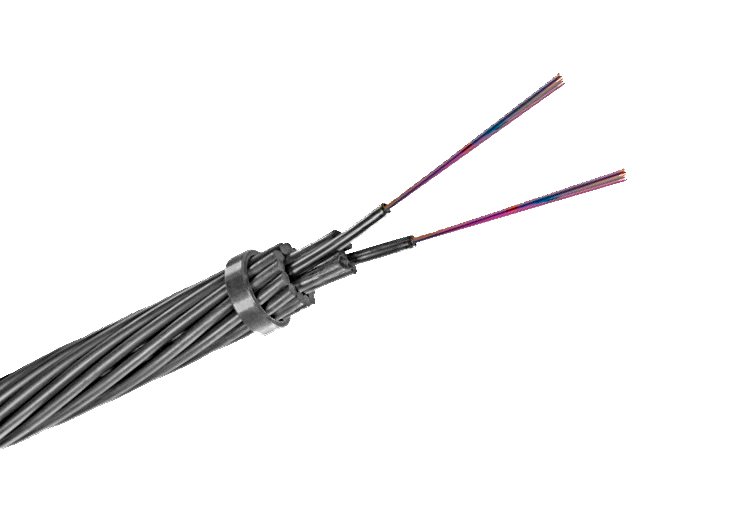
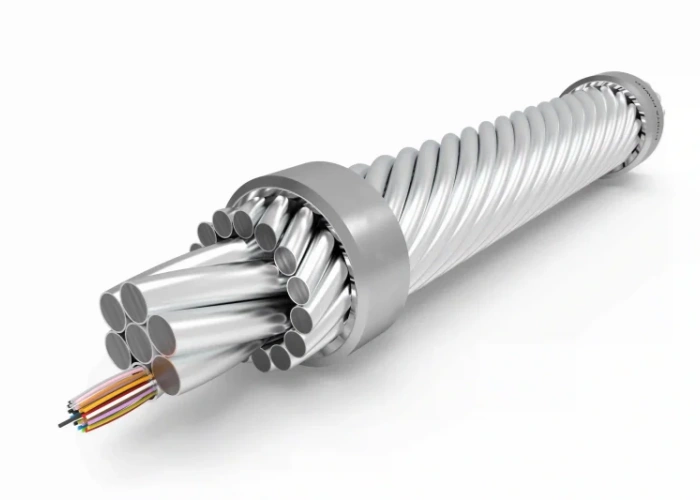
4.2 Optical Ground Wire (OPGW)

ACS wires form the primary strength members in OPGW cables.

They simultaneously:

  • Provide the required rated breaking strength (often from several thousand to over 150,000 lb depending on design)
  • Protect the optical fiber units
  • Serve as the electrical path for lightning and fault currents
  • Offer superior corrosion resistance compared with galvanized steel OPGW designs

ACS-based OPGW is widely specified for new high-voltage and ultra-high-voltage lines as well as for the upgrade of existing corridors requiring both power and communication capacity.

4.3 Strength Core for ACSR/AW Conductors

When ACS wires replace conventional galvanized steel cores in ACSR conductors (creating ACSR/AW), the resulting conductor offers:

  • Superior corrosion resistance in marine and industrial atmospheres
  • Slightly higher current-carrying capacity (2–3%)
  • Lower I²R losses (4–6%)
  • Full metallurgical compatibility with the outer aluminum strands
  • Extended overall conductor life without increasing tower loads

This makes ACSR/AW the preferred choice for coastal transmission projects, river crossings, and long-span applications.

4.4 Guy Wire, Messenger Wire and Structural Applications

ACS strand is extensively used as:

  • Guy wires for transmission and distribution poles, antenna towers, and communication masts
  • Messenger wires supporting communication or distribution cables
  • Structural support elements in corrosive environments

The non-rusting aluminum surface maintains full rated strength over the entire design life, eliminating the progressive weakening typical of galvanized guy strands.

4.5 Formed Wire, Armor Rods, Dead-Ends and Helical Fittings

Because the aluminum cladding is ductile and the steel core provides high strength, ACS wire is ideal for preformed armor rods, suspension clamps, dead-end grips, and splicing products. These fittings match the life expectancy of the conductors they protect and eliminate dissimilar-metal corrosion issues.

5. When Should You Specify Aluminum Clad Steel Wire?

ACS wire is strongly recommended when any of the following conditions apply:

  • Coastal, island, salt-fog, or high-humidity environments
  • Industrial or heavily polluted atmospheres
  • Long-span or river-crossing designs requiring high strength-to-weight performance
  • Projects where 40–50+ year design life is required
  • OPGW installations
  • ACSR conductors that must match the life of the outer aluminum strands

6. International Standards & Quality Assurance

ACS products are manufactured and tested to:

  • IEC 61232
  • ASTM B415 / B502
  • AS 1222.2 / AS 3607
  • EN 50182 / DIN 48201
  • GB/T and other national standards as required

Professional suppliers maintain full traceability, third-party type testing, and process control from steel rod to finished strand.

7. Customization Capability for Project-Specific Requirements

Experienced manufacturers offer:

  • Selection of conductivity class (20SA to 40SA)
  • Custom strand constructions and diameters
  • Special packaging (wooden drums, steel drums, cut-to-length)
  • Preformed fittings manufactured from the same ACS material
  • Technical support for sag-tension calculations and OPGW design

Conclusion & Next Step

Aluminum clad steel wire is no longer a specialty product — it is a proven, high-reliability solution that delivers measurable improvements in corrosion resistance, weight, conductivity, and service life compared with traditional galvanized alternatives.

For utilities and contractors operating in demanding environments or seeking to maximize the long-term performance of transmission assets, ACS wire represents a technically superior and economically rational choice.

Need detailed technical datasheets, conductivity class recommendations, or a customized quotation for your project? Our engineering team is ready to support you with precise product selection and long-term supply solutions.

Leave a Reply

Your email address will not be published. Required fields are marked *