Uncategorized

What is Aluminium Extrusion Machine used for?

What is Aluminium Extrusion Machine used for

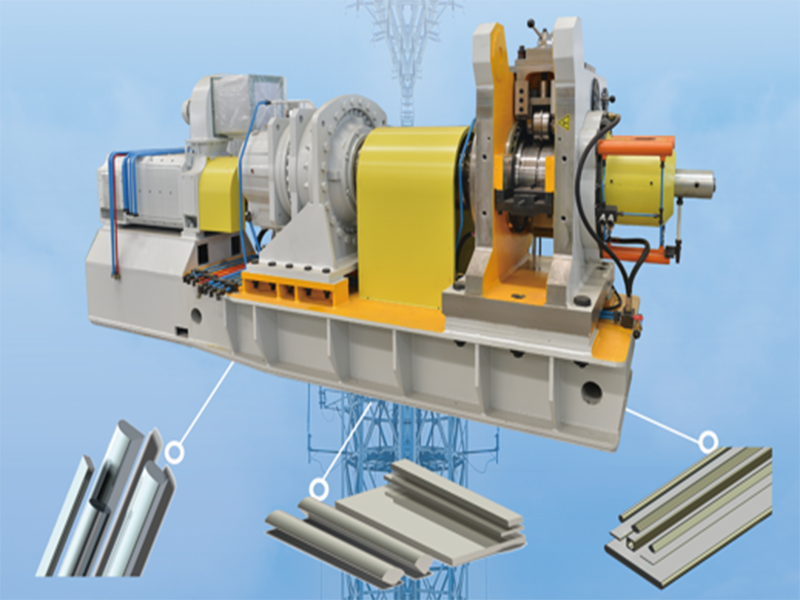
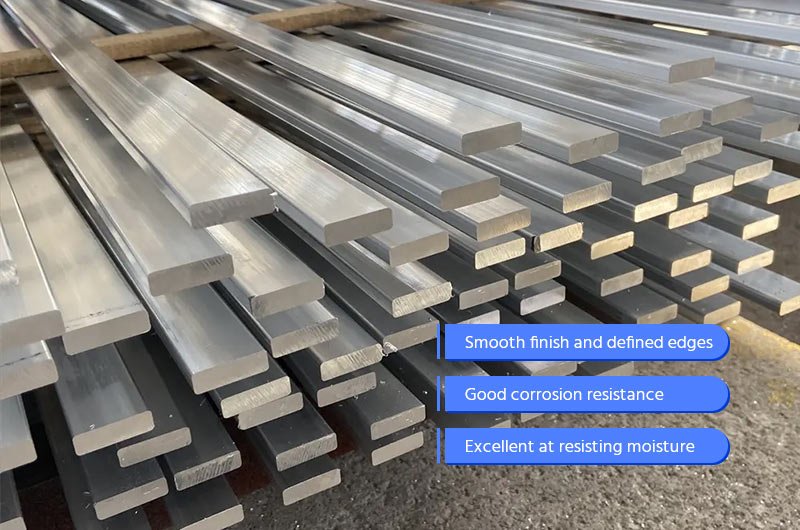
In modern power transmission and distribution systems, extruded aluminum busbars and solid conductors play a critical role in efficient, lightweight, and cost-effective current carrying. Cable manufacturers and electrical equipment producers increasingly rely on specialized aluminum extrusion machines to convert aluminum rod feedstock or billets into precision flat busbars, sector-shaped conductors, tubular profiles, and other high-performance shapes.

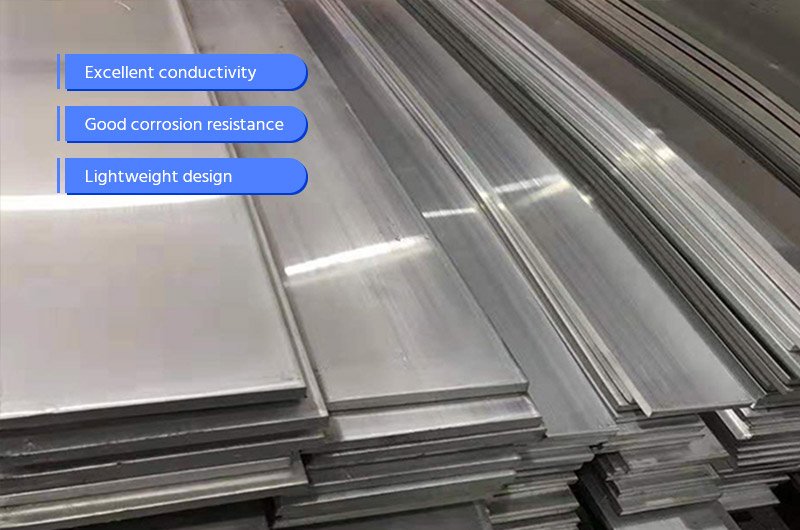
These components are essential in switchgear, substations, distribution boards, EV charging infrastructure, renewable energy inverters, and data center power systems — all directly connected to cable networks. High-conductivity alloys such as 6101 (often in T61 or T64 temper) deliver electrical conductivity of 57–59.5% IACS while maintaining excellent mechanical properties and corrosion resistance.

As a veteran supplier of industrial manufacturing solutions focused on the cable sector, we provide advanced aluminum extrusion machines engineered for reliable, high-volume production of busbars and aluminum rods/conductors. Our equipment emphasizes precision process control, energy efficiency, minimal material waste, and full customization to meet specific ampacity, dimensional, and installation requirements.

Continuous Friction (Conform-Type) Extrusion Machines – Ideal for Rod-to-Busbar Production

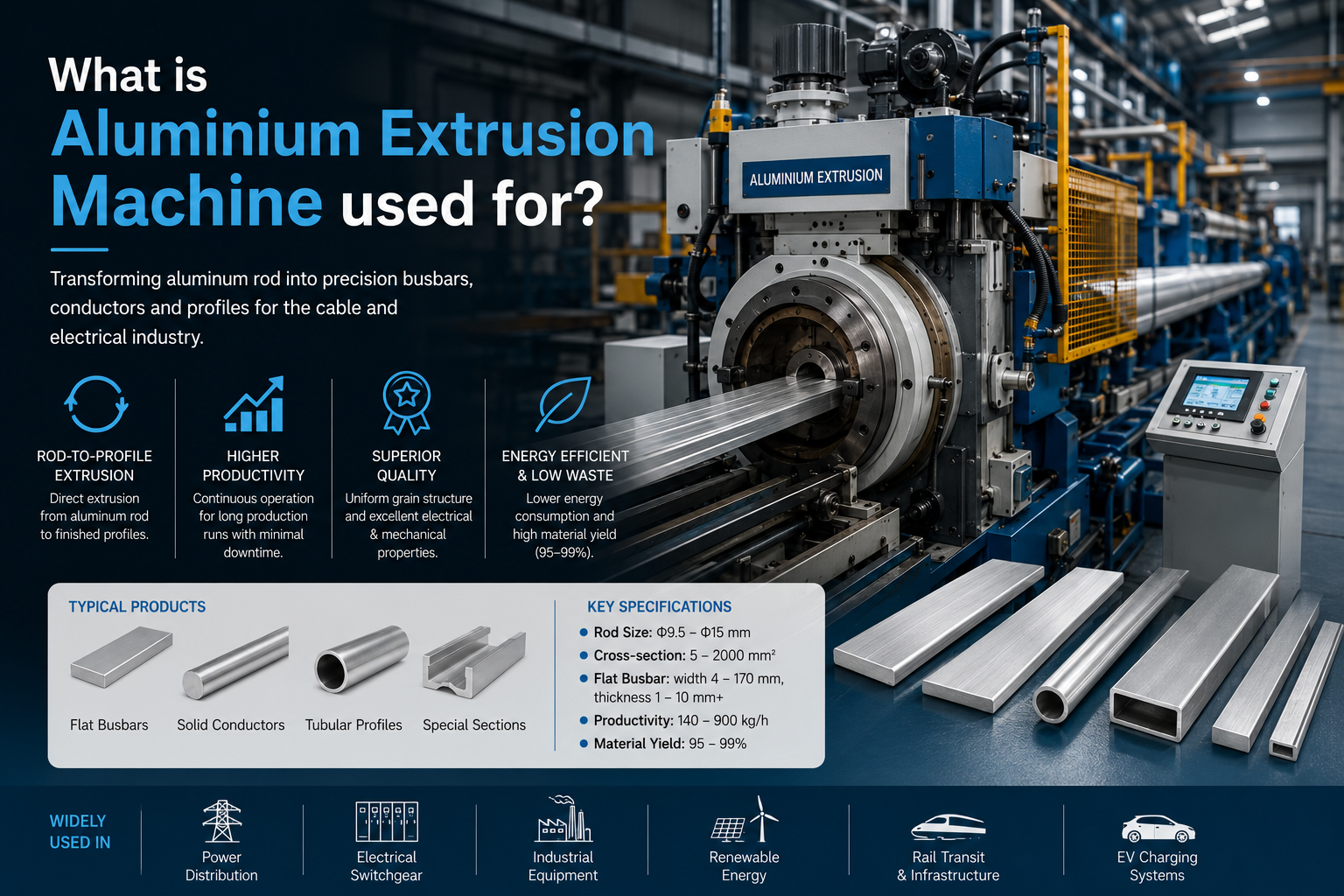
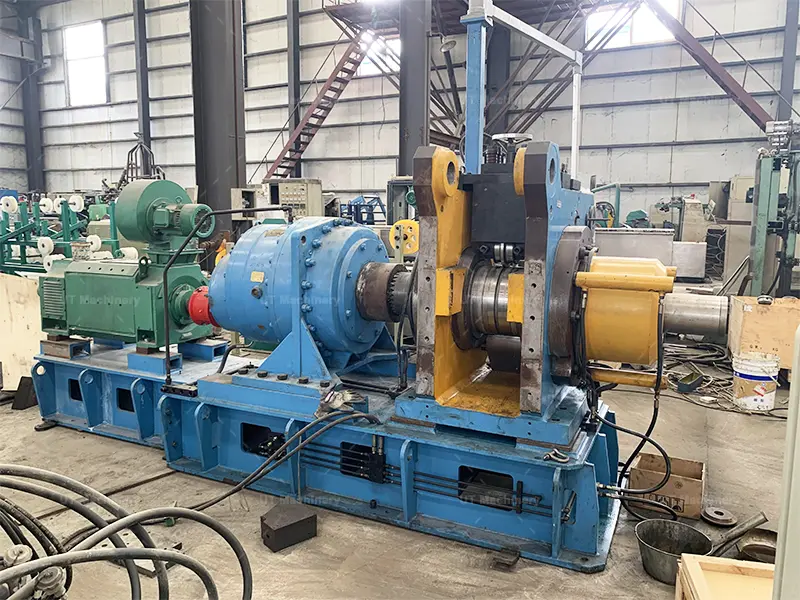
For cable industry applications, continuous aluminum extrusion machines (also known as Conform or friction-wheel extruders) offer significant advantages when starting from standard aluminum rod (typically Φ9.5 mm or Φ12–15 mm). These machines use friction and shear heating to plasticize the rod and extrude it directly into finished profiles without traditional billet heating cycles.

Key Technical Specifications (representative models such as LLJ350 / LLJ400 and similar BO-LJ300 series):

  • Extrusion wheel diameter: 300–400 mm
  • Main motor power: 110–250 kW
  • Aluminum rod feedstock: Φ9.5 mm or Φ12–15 mm (single or dual rod)
  • Product cross-section range: 5–2000 mm² (flat busbars, sector conductors, tubes)
  • Flat busbar dimensions: width 4–170 mm, thickness 1–10 mm+ (custom larger sections possible)
  • Round tube capability: Φ6–60 mm with wall thickness ≥0.7 mm
  • Productivity: 140–900 kg/h depending on model and profile
  • Material yield: typically 95–99% (surplus material rate only 1–5%)
  • Extrusion speed: variable, often 4–25 m/min wheel speed with precise control

These machines excel at producing flat aluminum busbars and solid conductors for electrical switchgear and distribution panels. Quick die and chamber changes allow rapid switching between different busbar cross-sections to match varying current-carrying requirements (e.g., 1/4″×2″ up to large 1/2″×8″ equivalents or custom tubular designs).

Working Principle Advantages:

  • Direct rod-to-profile extrusion eliminates intermediate drawing/annealing steps in many cases.
  • Friction-driven shear heating provides uniform temperature distribution, resulting in consistent grain structure and electrical resistivity.
  • Continuous operation supports long production runs with minimal downtime — critical for cable plant integration.
  • Lower energy consumption (often 10–20% savings versus traditional processes) and reduced floor space requirements.

Traditional Hydraulic Billet Extrusion Presses for Larger or Complex Busbar Profiles

For larger-section busbars, complex hollow profiles, or when processing bigger billets (e.g., 7-inch / Φ178 mm), conventional short-stroke or long-stroke hydraulic extrusion presses remain highly effective. These machines deliver extrusion forces from 1,000 tons to 4,000+ tons (e.g., 1850T / 2000 UST models with main ram forces around 1,700 MT).

Typical Parameters:

  • Billet diameter: 90–203 mm (custom configurations available)
  • Container and die temperatures: precisely zoned (typically 410–450°C container, 435–500°C die)
  • Extrusion speed: 0–18 mm/s or higher with constant-speed options
  • Billet preheat: 480–510°C for 6101 alloy
  • Extrusion ratio: controlled around 20 for optimal conductivity recovery
  • Advanced features: servo or high-efficiency hydraulics (energy savings 10–35%), PLC/HMI automation, nitrogen die cooling, automatic butt shear, and integrated quenching systems

These presses provide the force and control needed for high-precision, large-width busbars while maintaining the tight tolerances required for electrical contact surfaces and mechanical fit in assemblies.

Process Optimization for Maximum Electrical Performance (6101 Alloy Example)

Producing busbars with superior conductivity demands rigorous control:

  1. High-purity melt refining (hydrogen <0.12 mL/100g, inclusion removal >99%) to maximize baseline conductivity.
  2. Homogenization of billets/rods at 550–565°C.
  3. Isothermal extrusion at 480–510°C with precise speed and temperature control to avoid defects that increase resistivity.
  4. Rapid quenching (water or air, 260–300°C/min) followed by optimized artificial aging:
    • T61 temper: prioritizes maximum conductivity (up to ~57–59.5% IACS)
    • T6 / T63: balanced strength and conductivity
    • T64 / over-aging: excellent conductivity with good bendability for installation

Dimensional accuracy (±0.1–0.5 mm) and surface finish are critical — poor control leads to hot spots, higher contact resistance, and reduced ampacity in real-world busbar applications.

Why These Machines Deliver Superior Results for Cable Industry Partners

  • Consistent Electrical & Mechanical Properties: Advanced temperature zoning, speed regulation, and automation ensure uniform microstructure and resistivity across long production runs.
  • High Productivity & Low Waste: Continuous machines achieve 95%+ yield; traditional presses support high-tonnage output for large profiles.
  • Customization Flexibility: Rapid die changes and engineering support allow production of exact busbar cross-sections matched to your ampacity tables, thermal requirements, and installation constraints.
  • Integration & Reliability: Machines designed for 24/7 operation with robust construction, easy maintenance access, and compatibility with existing rod production or downstream busbar processing lines (punching, bending, coating).
  • Cost Efficiency: Reduced energy use, minimal scrap, and lower labor through automation translate to competitive total cost of ownership.

Our Commitment as Your Long-Term Technical Partner

With decades of experience supplying reliable industrial equipment to cable and electrical manufacturers worldwide, we do not simply sell machines — we deliver complete technical solutions. Our aluminum extrusion machines for busbar and rod production feature:

  • High-precision hydraulic or friction systems with intelligent PLC control
  • Custom die development and process recipes optimized for 6101 and other electrical alloys
  • Energy-efficient designs and options for servo drives
  • Full line integration (rod payoff, extrusion, quenching, straightening, cut-to-length, take-up)
  • Comprehensive after-sales support: installation, training, spare parts, process optimization, and upgrades

Whether you require a continuous extrusion line for high-volume flat busbar and conductor production from aluminum rod, or a high-tonnage hydraulic press for larger custom busbar profiles, we tailor every solution to your specific production goals, quality standards, and facility constraints.

Ready to enhance your busbar and aluminum conductor manufacturing capabilities with proven, reliable extrusion technology?

Inquiry Now to receive detailed technical specifications, capacity calculations, and a customized proposal for aluminum extrusion machines optimized for your cable industry applications. Our experienced engineering team is ready to discuss your requirements and support long-term cooperation built on consistent quality and technical excellence.

Leave a Reply

Your email address will not be published. Required fields are marked *