Product Knowledge Base

What is Aluminium Clad Steel Wire?

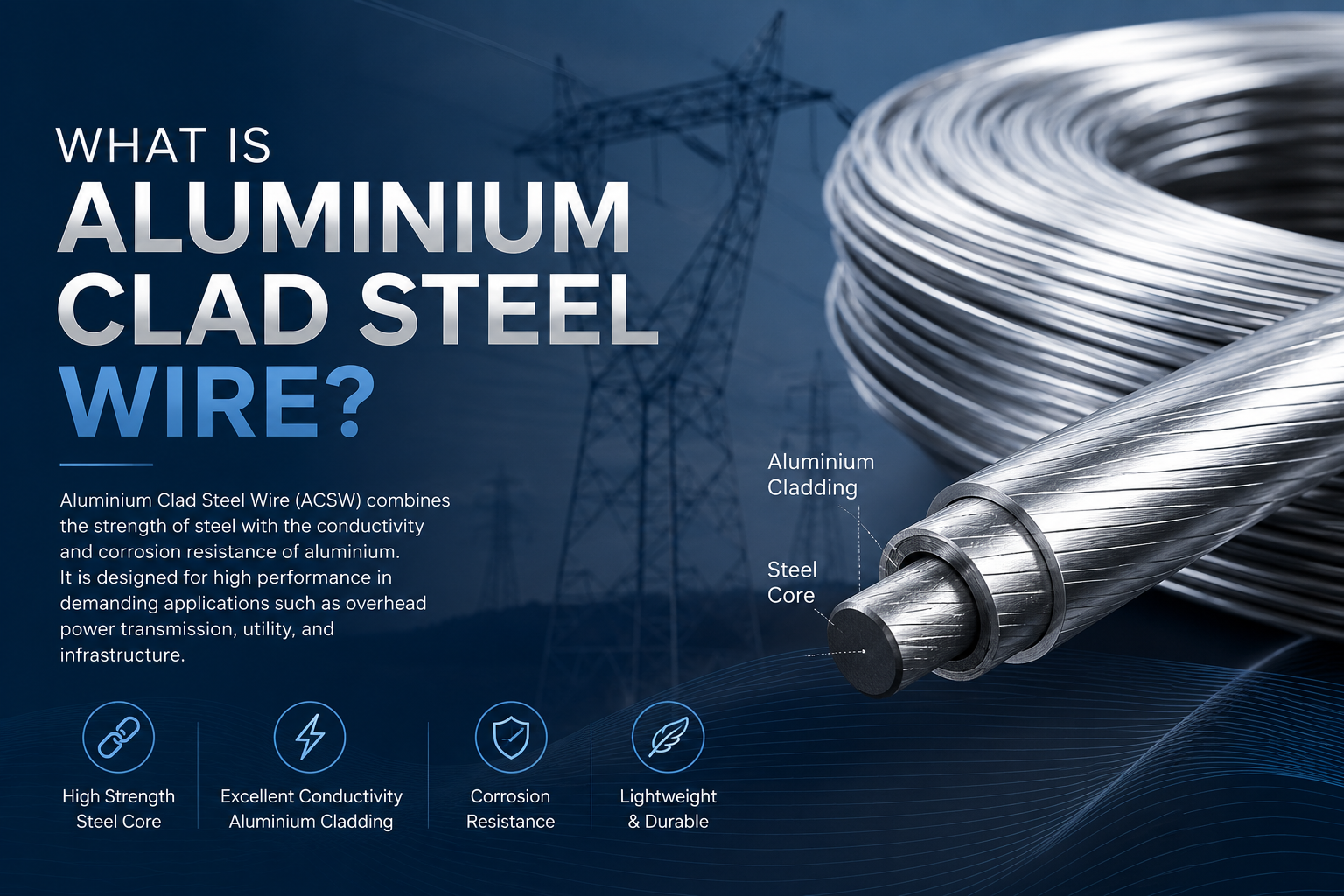
What is Aluminium Clad Steel Wire

In the power transmission and telecommunications industries, material selection for overhead lines and grounding systems has become increasingly demanding. Engineers must balance mechanical strength, corrosion resistance, electrical performance, weight, and long-term reliability — especially in coastal, industrial, or high-pollution environments.

One material that has gained significant attention for meeting these challenges is Aluminium Clad Steel Wire, commonly referred to as ACS Wire or Alumoweld.

This bimetallic wire has become a preferred solution for critical applications such as Optical Ground Wire (OPGW), the cores of high-performance conductors, and overhead grounding systems. But what exactly is it, how is it made, and why is it often superior to traditional galvanized steel wire?

This comprehensive guide answers these questions in detail.

What is Aluminium Clad Steel Wire?

Aluminium Clad Steel Wire is a composite bimetallic product consisting of a high-strength steel core that is completely covered by a thick, metallurgically bonded layer of high-purity aluminum.

Unlike conventional coated wires (such as galvanized steel, where zinc is applied as a sacrificial coating), ACS wire features a true metallurgical bond between the steel core and the aluminum cladding. This bond is achieved through advanced continuous extrusion cladding technology, creating a permanent, inseparable interface.

The aluminum cladding typically accounts for a significant portion of the cross-section. By adjusting the cladding thickness, manufacturers can control the final electrical conductivity of the wire, usually ranging from 14% to 40% IACS (International Annealed Copper Standard).

This unique structure allows ACS wire to deliver:

  • The high tensile strength and toughness of steel
  • The excellent corrosion resistance and conductivity of aluminum
  • Compatibility with aluminum-based conductors (avoiding galvanic corrosion issues)

How is Aluminium Clad Steel Wire Manufactured?

The quality of ACS wire heavily depends on the manufacturing process. Modern production uses continuous tangential cladding technology, which is far more advanced and consistent than older methods.

Step-by-Step Manufacturing Process

  1. Steel Wire Core Preparation High-carbon or high-strength steel wire is drawn to the required diameter and undergoes thorough surface cleaning and activation. This step is critical to ensure proper bonding with aluminum.
  2. Aluminum Rod Feeding High-purity aluminum rods are continuously fed into the extrusion machine.
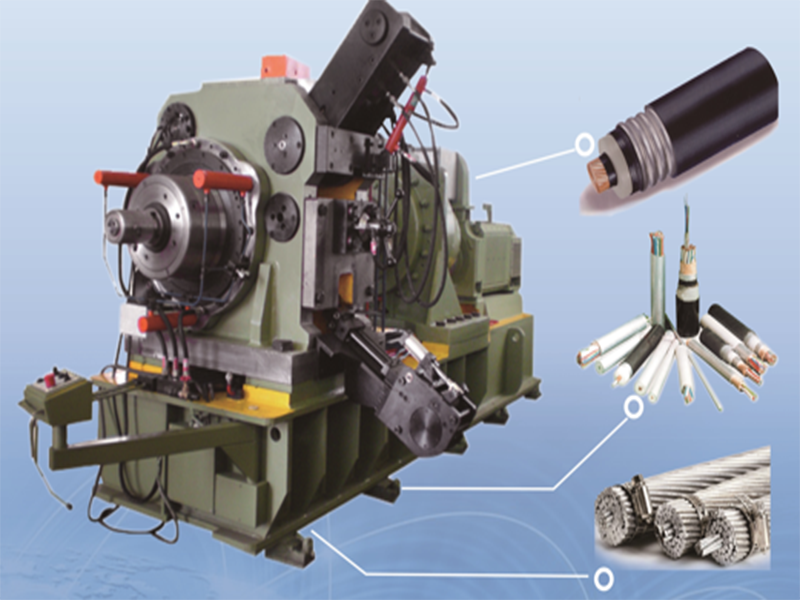
  3. Continuous Extrusion Cladding The steel wire passes through a high-speed continuous extrusion machine. Molten or semi-plasticized aluminum is extruded and tangentially applied around the moving steel core under controlled high pressure and temperature. This creates a dense, uniform aluminum layer.
  4. Metallurgical Bonding The combination of heat, pressure, and clean surfaces results in a strong metallurgical bond at the aluminum-steel interface.
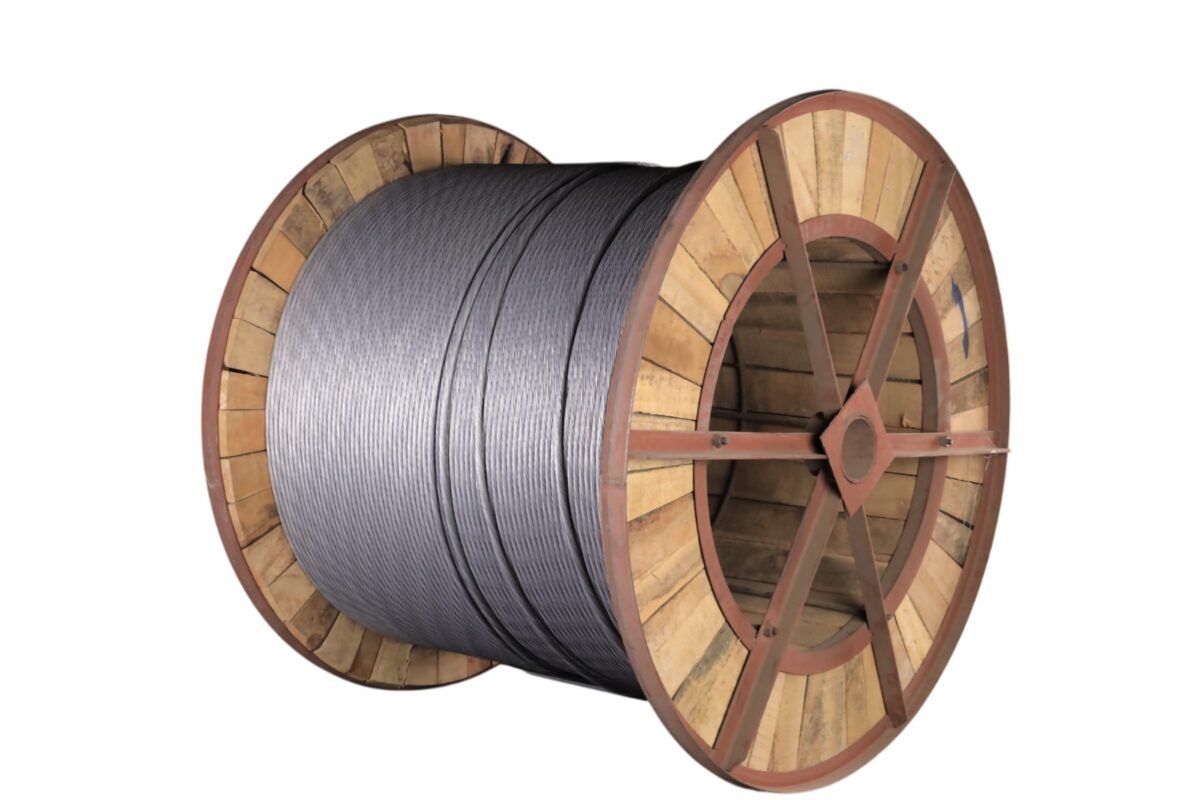
  5. Cooling and Finishing The clad wire is cooled under controlled conditions, inspected for uniformity and bond quality, and then wound onto reels.

This process allows for high production speeds, excellent dimensional control, and consistent cladding thickness — key factors for reliable performance in final stranded conductors.

Key Technical Properties

Aluminium Clad Steel Wire offers a well-balanced set of properties:

  • Tensile Strength: Significantly higher than pure aluminum wire, making it suitable for long-span and high-tension applications.
  • Corrosion Resistance: The thick aluminum cladding provides outstanding protection. It performs particularly well in marine, industrial, and polluted atmospheres where galvanized coatings may degrade faster.
  • Electrical Conductivity: Typically between 14% and 40% IACS, depending on the aluminum-to-steel ratio. Much higher than galvanized steel.
  • Weight: Lighter than equivalent-strength galvanized steel wire, which helps reduce sag and structural loading on towers.
  • Bond Integrity: The metallurgical bond ensures the cladding remains intact during stranding, installation, and long-term service.
  • Thermal Performance: Good stability across a wide temperature range.

Advantages Over Traditional Materials

1. Vs Galvanized Steel Wire

  • Much better long-term corrosion resistance (aluminum cladding vs zinc)
  • Significantly higher electrical conductivity
  • No risk of galvanic corrosion when used alongside aluminum conductors
  • Better strength-to-weight ratio in many cases

2. Vs Pure Aluminum Wire

  • Much higher tensile strength
  • Better sag characteristics for long spans
  • Suitable for applications requiring mechanical robustness

3. Vs Aluminized Steel

ACS wire generally offers thicker and more uniform aluminum protection, resulting in superior corrosion performance and electrical properties.

Main Applications

Optical Ground Wire (OPGW)

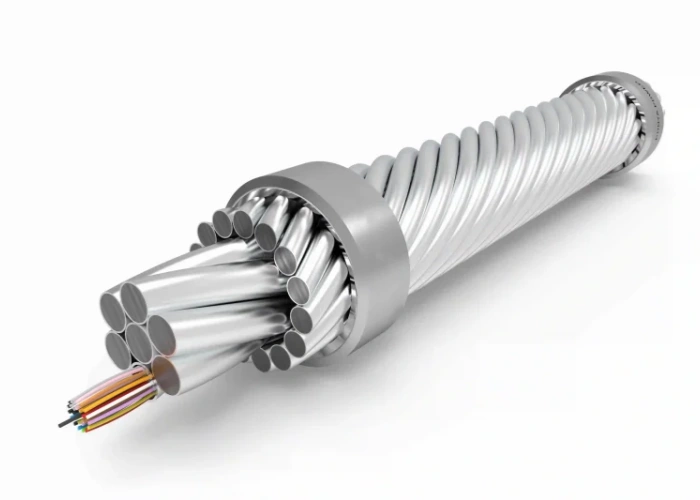
One of the most important applications. ACS wire is used as the strength member and outer layer in OPGW cables, providing both mechanical support and excellent grounding/lightning protection while housing optical fibers for communication.

ACSR/AW Conductors (Aluminum Conductor Aluminum Clad Steel Reinforced)

Used as the core in composite conductors. The aluminum cladding ensures excellent compatibility with the outer aluminum strands and provides superior corrosion resistance compared to traditional galvanized cores — especially valuable in coastal and industrial regions.

Overhead Ground Wires and Shield Wires

Used on transmission lines for grounding and shielding against lightning strikes.

Guy Wires and Stay Wires

Particularly suitable for towers and antennas in corrosive environments due to its combination of strength and corrosion resistance.

Other Specialized Uses

Antenna guy wires, railway electrification grounding, and various structural applications requiring high strength and environmental durability.

International Standards

High-quality Aluminium Clad Steel Wire is typically manufactured according to:

  • IEC 61232 — Aluminium-clad steel wires for electrical purposes
  • ASTM B415 — Standard Specification for Hard-Drawn Aluminum-Clad Steel Wire
  • ASTM B502 — Standard Specification for Aluminum-Clad Steel Core Wire for Aluminum Conductors
  • AS 3607 and other national standards

These standards define requirements for tensile strength, conductivity, cladding thickness, and dimensional tolerances.

Why Demand for ACS Wire is Growing

Several global trends are driving increased adoption:

  • Expansion of power grids into coastal and corrosive regions
  • Need for longer asset life and reduced maintenance costs
  • Growing use of OPGW for smart grid communication
  • Reconductoring and upgrading of existing lines
  • Preference for materials compatible with aluminum conductors

Utilities and contractors are increasingly specifying ACS wire where long-term reliability and performance are priorities.

Conclusion

Aluminium Clad Steel Wire represents an advanced engineering solution that successfully combines the best characteristics of two metals. Its metallurgically bonded aluminum cladding on a high-strength steel core delivers outstanding corrosion resistance, mechanical strength, and electrical performance — making it a material of choice for critical overhead line and grounding applications.

As power infrastructure continues to evolve toward higher reliability and longer service life, ACS wire will remain an essential component in modern transmission and distribution systems.

Looking to Manufacture High-Quality Aluminium Clad Steel Wire?

Producing consistent, high-performance ACS wire requires advanced and reliable production equipment. Our Continuous Cladding Production Lines are specifically engineered for efficient, stable, and high-quality ACS wire manufacturing with excellent bonding and productivity.

Inquiry Now to discuss your ACS wire production project and receive detailed technical specifications and proposals.

Leave a Reply

Your email address will not be published. Required fields are marked *