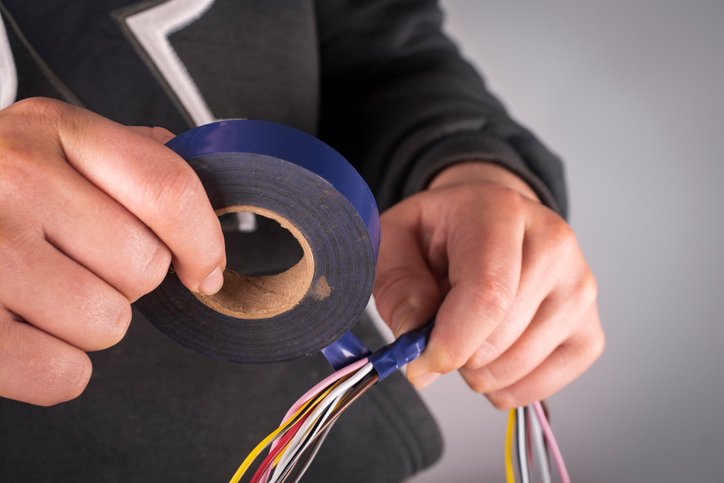
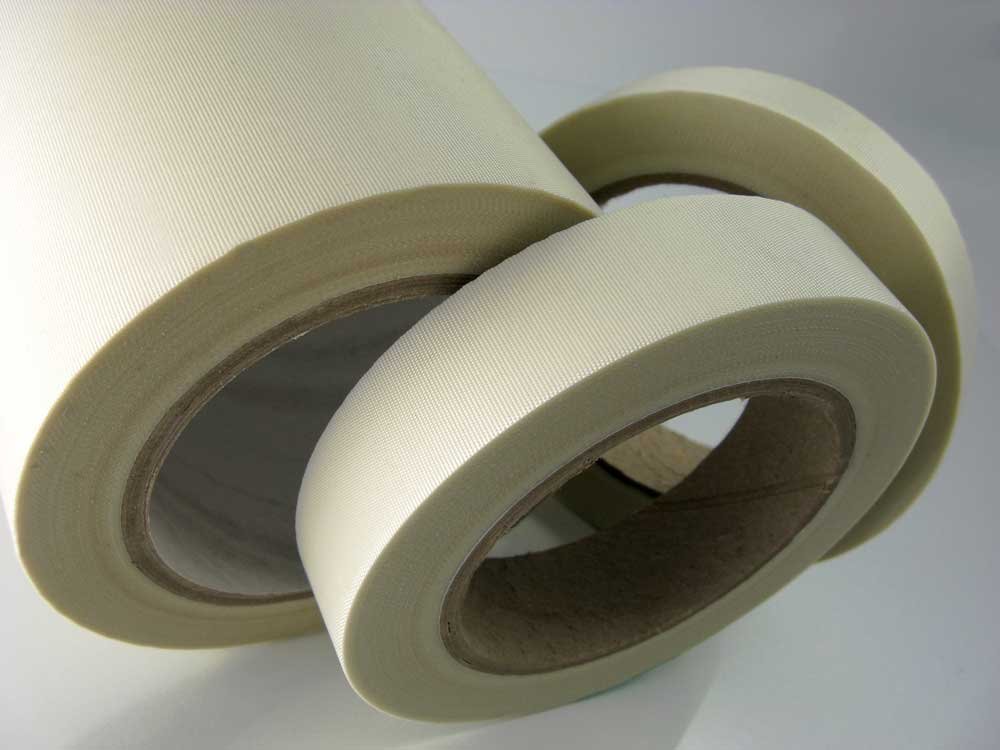
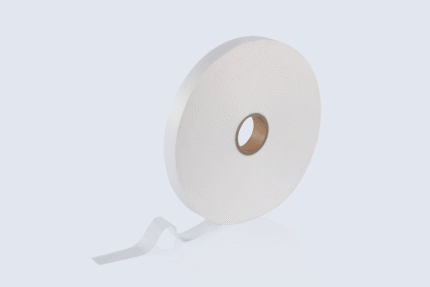
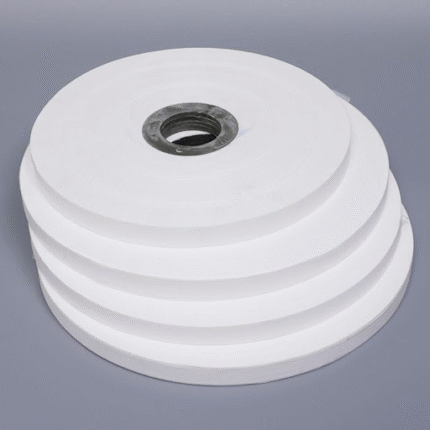
Low Smoke Halogen Free (LSHF), also known as Low Smoke Zero Halogen (LSZH) Tape, is a specialised flame-retardant binding and wrapping tape used inside power, control, instrumentation and fire-resistant cables. It serves as a core-binding layer and oxygen-barrier/flame-retardant layer. When exposed to fire, the tape absorbs heat, forms a stable charred insulating layer, restricts oxygen access to the insulation, suppresses flame propagation and releases only minimal, non-toxic, non-corrosive smoke.
Unlike conventional PVC or halogenated tapes, LSHF/LSZH Tape contains no chlorine, fluorine, bromine or iodine. Combustion gases remain nearly neutral (pH ≥4.3, low conductivity), protecting both people and sensitive electronic equipment. This makes it essential for cables installed in confined or high-occupancy spaces.

Key Technical Advantages for Cable Manufacturers
- Low smoke emission: Maintains high light transmittance (typically >60% per IEC 61034), improving evacuation visibility.
- Zero halogen / halogen-free: Acid gas content ≤0.5% (IEC 60754-1), pH ≥4.3 and conductivity ≤10 µS/mm (IEC 60754-2). No corrosive HCl formation.
- High flame retardancy: Oxygen index (LOI) commonly ≥30% (non-woven grades) up to ≥50% (high-performance coated grades). Temperature index often ≥450°C.
- Superior mechanical performance: Controlled elongation (typically ≥12–15%) enables tight, uniform wrapping without cracking or loose outer diameter. High tensile strength prevents breakage during high-speed cabling. Soft texture ensures smooth sheath appearance and full utilisation of the roll.
- Process-friendly: Non-toxic, odourless, does not affect cable current-carrying capacity or long-term electrical performance. Good dimensional stability at processing temperatures.
- Environmental & regulatory compliance: Asbestos-free, heavy-metal-free, supports RoHS, REACH and modern CPR / EN 50575 requirements when used in complete LSZH cable constructions.
Material Construction and Working Principle
The tape uses alkali-free E-glass fiber cloth as the base substrate. Both surfaces are impregnated and coated with a precisely formulated halogen-free flame-retardant system based on metal hydrates (primarily aluminium trihydrate ATH or magnesium hydroxide MDH) combined with synergistic binders. After coating, the material is baked, cured, and precision-slit to required widths.
When exposed to fire:
- The metal hydrates decompose endothermically, absorbing large amounts of heat and releasing water vapour.
- A stable, insulating carbonized char layer forms that restricts oxygen access to the underlying insulation.
- Smoke density remains low and combustion gases are essentially free of halogen acids.
This dual action (heat absorption + oxygen barrier) helps the finished cable meet the core fire-performance triad of IEC 60332 (flame propagation), IEC 60754-1/2 (halogen acid gas and acidity/conductivity), and IEC 61034-2 (smoke density).
Typical Technical Parameters
Data compiled from leading manufacturers’ specifications :
| Property | Typical Values | Unit | Notes |
|---|
| Nominal thickness | 0.15 / 0.17 / 0.18 / 0.20 / 0.25 | mm | ±0.02 mm common tolerance |
| Unit weight | 150–220 | g/m² | Increases with thickness |
| Tensile strength (longitudinal) | ≥150 – ≥400 | N/25 mm | Higher for thicker grades |
| Elongation at break | ≥15 | % | Improved grades offer better conformability |
| Oxygen Index (OI) | ≥50 – ≥55 | % | High-performance grades >55 |
| Smoke density (Dm) | ≤100 – ≤150 | – | IEC / NF test methods |
| Combustion gas pH | ≥4.3 | – | IEC 60754-2 |
| Conductivity of aqueous solution | ≤4.0 – ≤10 | µS/mm | IEC 60754-2 |
| Temperature index / continuous | 280 – 450+ | °C | Glass-fiber base allows higher short-term resistance |
| Width range | 15 mm and above (custom) | mm | Standard cores 52 mm / 76 mm |

Comparison with Conventional Binding Tapes
| Characteristic | Conventional PVC / Polyester Tape | Glass-Fiber LSHF / LSZH Tape | Advantage of LSHF Tape |
|---|
| Halogen content | High (chlorine present) | <0.2 % by weight (practically zero) | Eliminates corrosive HCl |
| Smoke density on combustion | Dense black smoke | Low (light transmittance typically >60 % in finished cable) | Improved evacuation visibility |
| Oxygen Index | 20–30 % | ≥50–55 % | Self-extinguishing behaviour |
| Char formation / oxygen barrier | Minimal | Strong insulating char layer | Protects insulation longer |
| Mechanical binding stability | Moderate | High tensile + good elongation | Maintains core geometry under flexing |
| Environmental & regulatory | Limited | Supports RoHS, REACH, CPR Euroclass B2ca/Cca targets | Future-proof for public buildings, rail, marine |
Primary Applications in Cable Construction
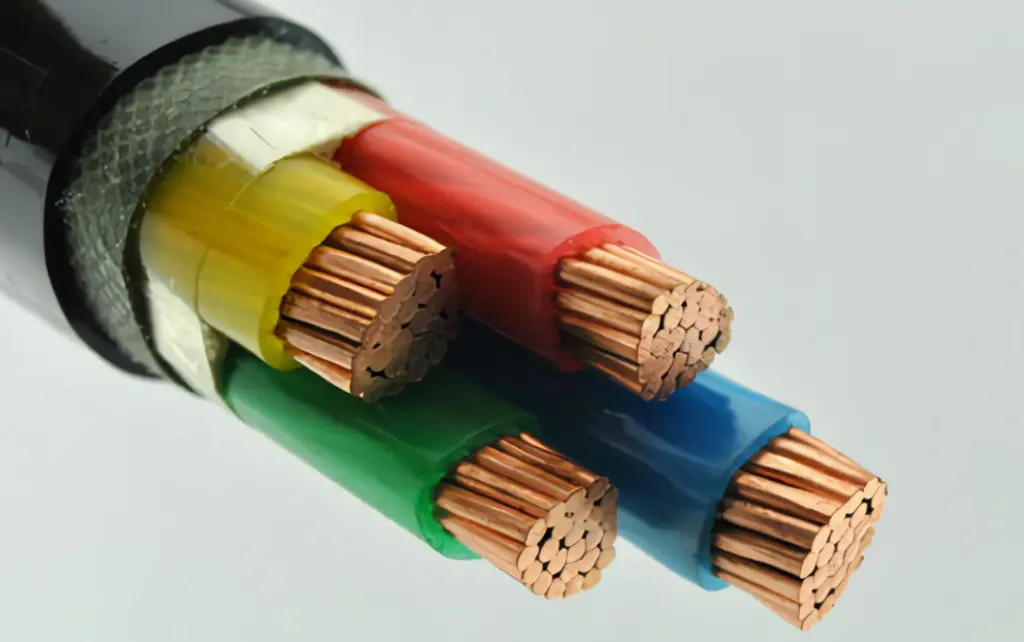
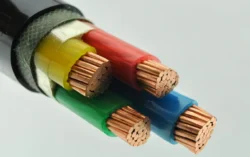
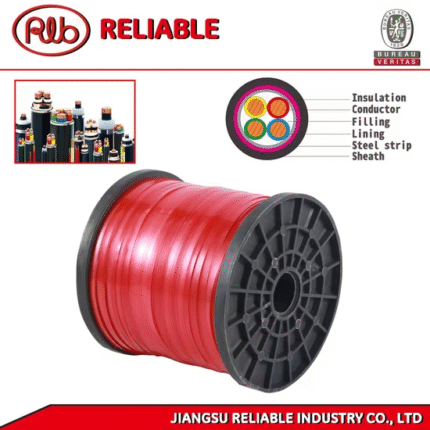
- Core binding and filler retention in multi-core power, control and instrumentation cables.
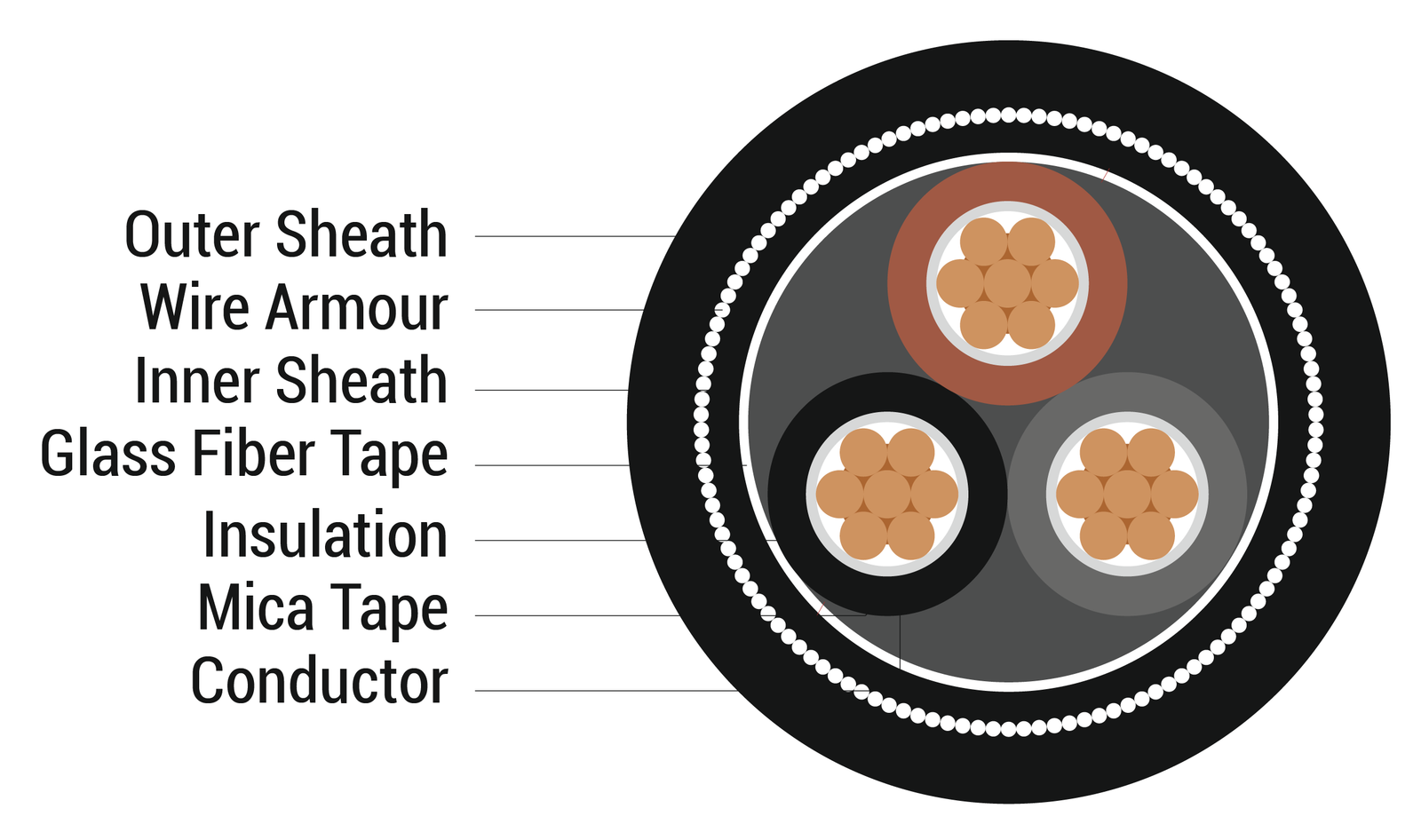
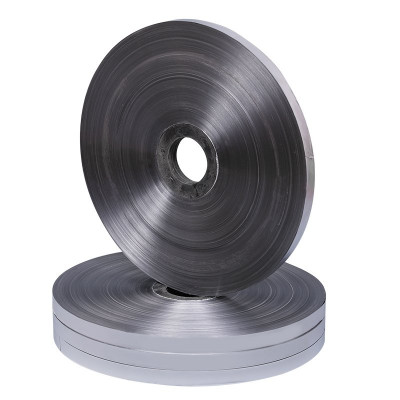
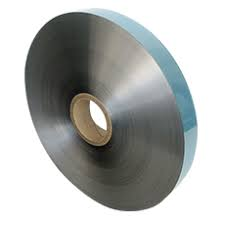
- Oxygen-barrier / flame-retardant layer in fire-resistant cables (often combined with mica tape).
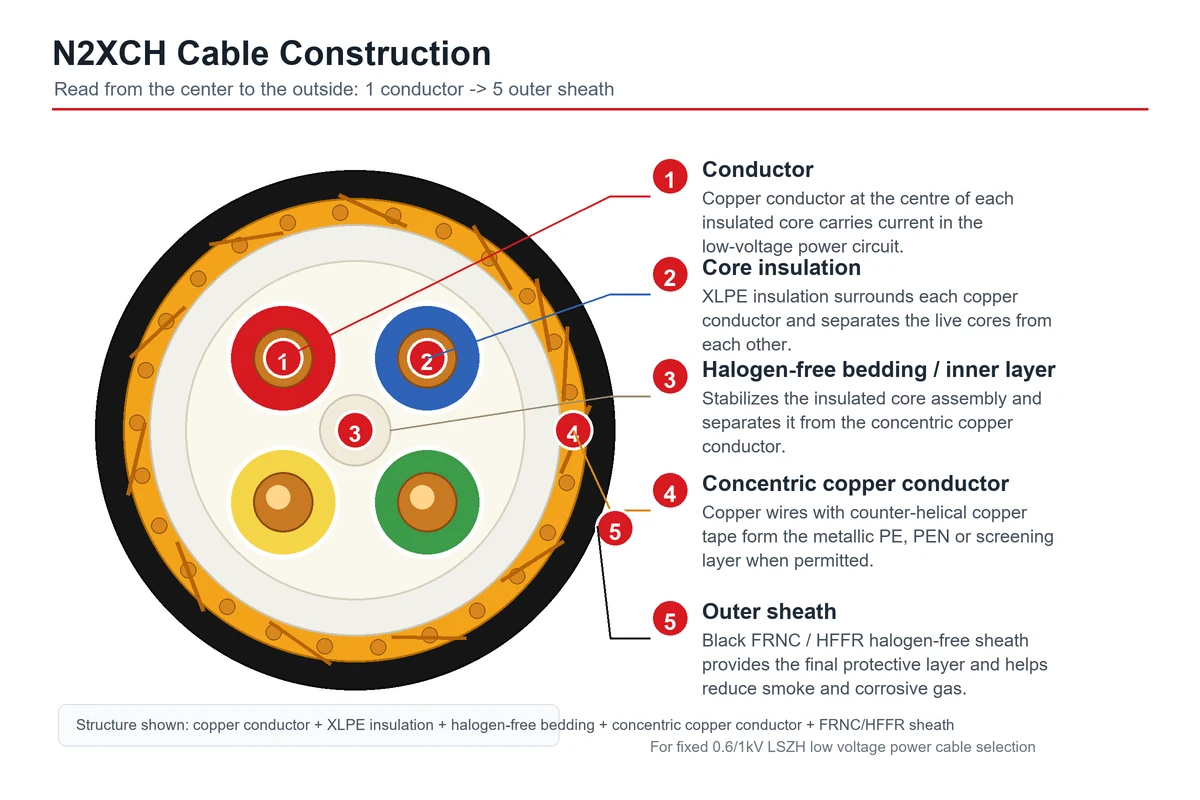
- Bedding or separation layer under LSZH outer sheaths.
- Marine, offshore, nuclear, tunnel, data-centre, hospital and high-rise building cables where low smoke and non-corrosive gases are mandatory.
- Small-section flexible cables and high-flame-retardant constructions requiring thin, soft wrapping without increasing overall diameter excessively.

Performance Contribution to Finished Cable Standards
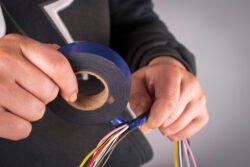
When correctly applied (typically 20–50 % overlap depending on design), the tape contributes directly to:
- IEC 60754-1: Halogen acid gas ≤5 mg/g
- IEC 60754-2: pH ≥4.3 and conductivity ≤10 µS/mm
- IEC 61034-2: Minimum light transmittance ≥60 % (premium constructions often exceed 80 %)
- IEC 60332-1 / 60332-3 series flame propagation
- Supporting higher CPR Euroclasses (B2ca-s1,d1,a1 or Cca) and regional requirements (EN 45545 for rail, GB 31247 B1 for China, etc.)
Selection and Application Notes for Engineers
- Thickness selection is driven by required oxygen barrier performance versus finished cable diameter and flexibility targets. 0.15–0.18 mm grades are preferred for flexible or small-section cables; 0.20–0.25 mm for heavier power cables.
- Ensure the tape has adequate elongation (≥15 %) to avoid cracking or loose wrapping after sheathing, especially in winter production conditions.
- Compatibility with subsequent extrusion (LSZH or XLPE compounds) must be verified; residual solvents or improper curing can affect adhesion or electrical properties.
- Storage: keep sealed, dry, 10–30 °C; shelf life typically 12 months.
- Custom widths, higher oxygen-index formulations, and dual-side coated variants are routinely available for long-term OEM programmes.

Key Technical Takeaways
- LSHF / LSZH tape is not merely a binder; it is an active fire-performance component that absorbs heat, forms a protective char, and keeps smoke and corrosive gases to levels required by modern safety codes.
- Glass-fiber substrate + metal-hydrate coating delivers oxygen indices ≥50–55 % and smoke densities ≤100–150 while maintaining mechanical integrity.
- Correct grade selection and wrapping technique directly influence the ability of the finished cable to pass IEC 60754, IEC 61034 and higher CPR classifications.
- Long-term reliability depends on consistent coating quality, dimensional stability and supplier process control.
For detailed technical data sheets, custom width and thickness options, oxygen-index optimisation, or joint development of fire-resistant cable constructions, Inquiry Now.





Reviews
There are no reviews yet.