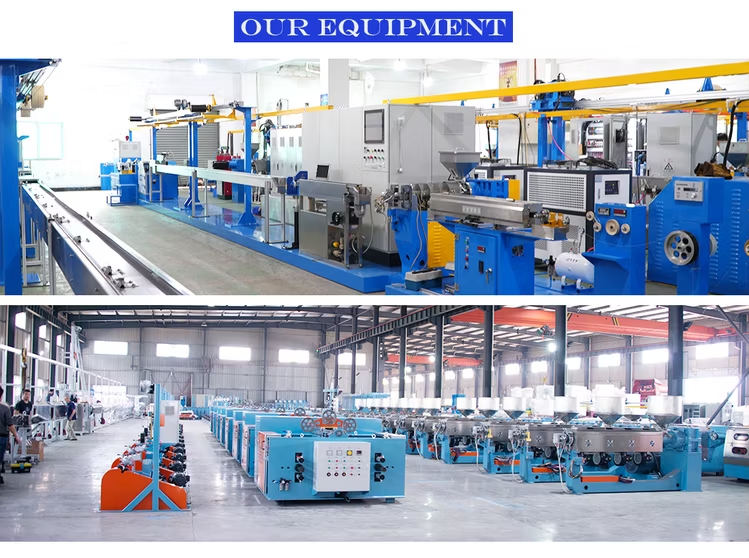
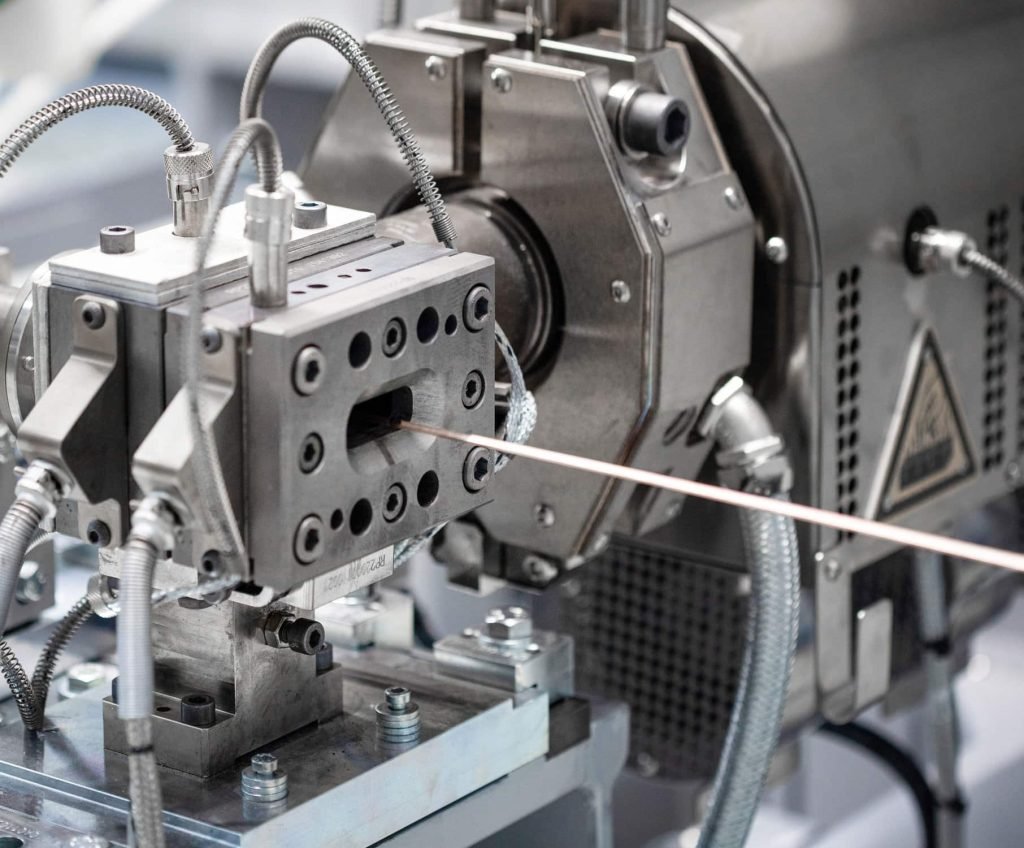
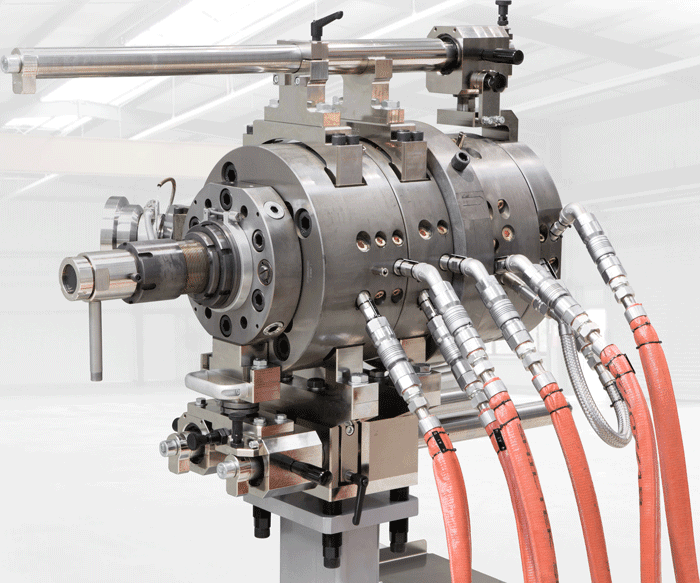
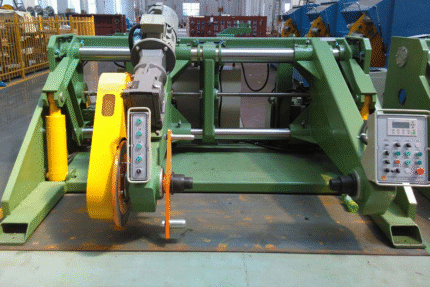
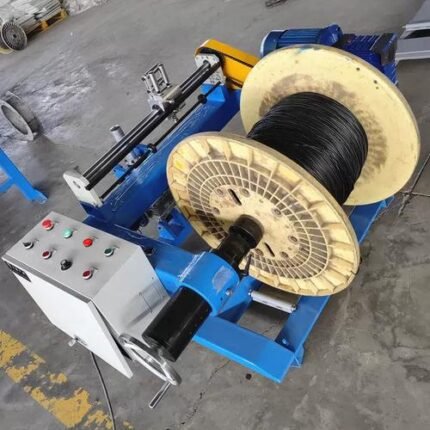
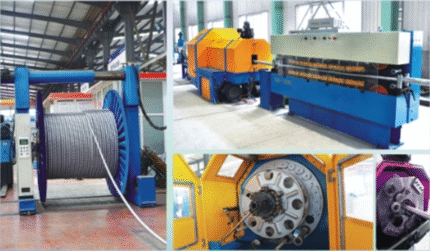
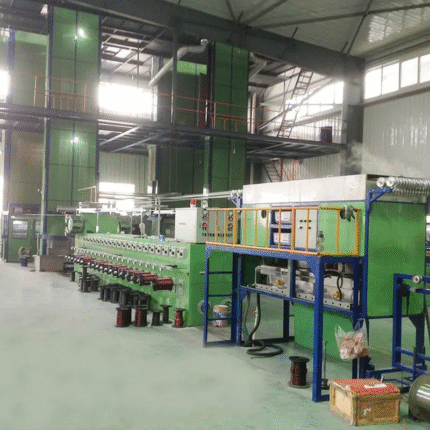
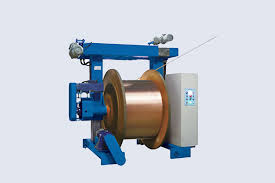
The process begins with active or passive payoff of the bare conductor, optional pre-heating to remove surface moisture, precise tension control, and entry into the crosshead. Melt pressure, temperature profile, and haul-off speed are closed-loop controlled to maintain stable output.
How Does the Machine Compare Across Screw Diameters and Materials?
Selection of screw diameter directly determines output capacity, wire-size range, and suitability for specific compounds. The following comparison summarizes typical 2024–2026 production data from leading manufacturers:
| Série de modèles | Screw Ø (mm) | L/D Ratio | Max Output (kg/h) | Wire Diameter Range (mm) | Max Line Speed (m/min) | Primary Materials |
|---|
| Φ30–35 | 30–35 | 26:1 | 20–50 | 0.2–2.0 | 400–600 | PVC, PE |
| Φ45–50 | 45–50 | 25–26:1 | 50–100 | 0.4–6.0 | 500–800 | PVC, PE, XLPE |
| Φ60–70 | 60–70 | 25:1 | 110–170 | 0.8–12 | 300–500 | PE, LSZH, TPU |
| Φ80–90 | 80–90 | 25:1 | 200–250 | 2.0–15 | 200–400 | XLPE, LSZH |

What Are the Critical Technical Parameters for Reliable Granule Extrusion?
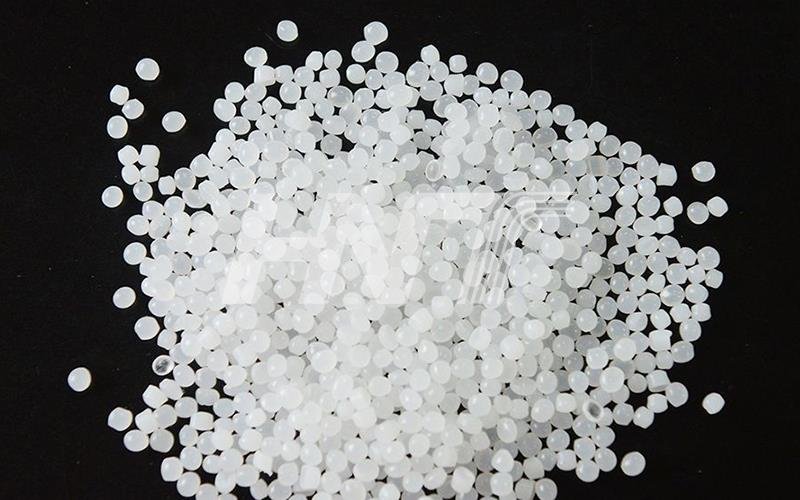
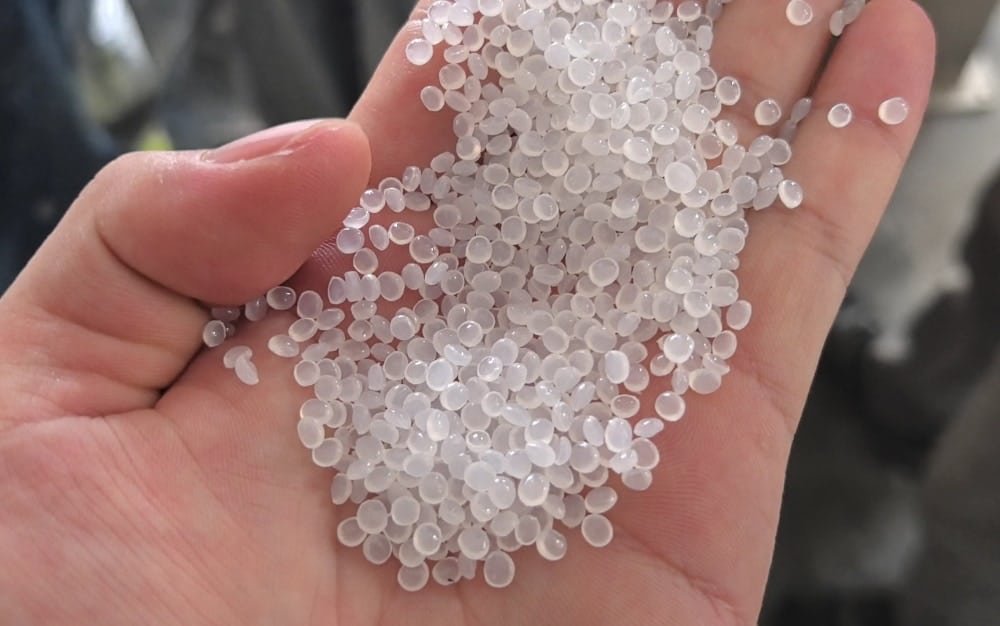
Temperature zoning, screw geometry, and melt filtration determine insulation quality. Typical operating windows are:
| Paramètre | PVC Range | PE / HDPE Range | XLPE (Silane) Range | Notes |
|---|
| Barrel Zone 1–4 (°C) | 130–180 | 150–210 | 115–130 | ±1–2 °C control |
| Crosshead / Die (°C) | 160–185 | 180–220 | 125–140 | Uniform flow |
| Screw Compression Ratio | 2.7–3.2 | 2.5–3.0 | 2.8–3.2 | Barrier design preferred |
| Screen Pack | 80–150 mesh | 80–120 mesh | 100–150 mesh | Prevent gels |
| Concentricity | ≥93 % | ≥93 % | ≥95 % (MV) | IEC requirement |
| Spark Test Voltage | 3–15 kV | 3–15 kV | 5–15 kV | Online detection |

Screw and barrel are manufactured from 38CrMoAlA steel, nitrided and chrome-plated for wear resistance when processing abrasive LSZH or filled compounds. Modern lines incorporate gravimetric dosing, melt pumps for pressure stability, and automatic diameter feedback.

Which Failure Modes Occur Most Frequently and How Are They Prevented?
Four primary failure modes dominate production data:
- Eccentricity – caused by die misalignment, uneven tension, or temperature gradient. Prevention: dial-gauge centering of tooling, closed-loop tension control, and multi-zone temperature uniformity.
- Voids / bubbles – result from residual moisture in granules (>0.05 %) or local overheating. Prevention: forced drying of PVC/PE (80–90 °C, 3–4 h) and proper venting in the feed zone.
- Scorching / degradation – occurs when melt temperature exceeds material limits (PVC >200 °C releases HCl). Prevention: accurate PID control, regular screw cleaning, and short residence times.
- Diameter variation – linked to haul-off speed fluctuation or screen packing. Prevention: servo-driven capstan and closed-loop laser gauging.

Inline spark testers (0.5–15 kV) and dual-axis diameter gauges detect these defects in real time, allowing immediate quarantine of non-conforming product.
How Should Engineers Select and Apply the Machine for Different Cable Types?
Selection follows a clear logic:
- Building wire / data cable → Φ45–60 mm, high line speed, PVC or PE, single-layer + stripe capability.
- Automotive wire → Φ50–70 mm, LSZH or TPU capability, precise tension control.
- Medium-voltage power cable core → Φ70–90 mm, XLPE-optimized screw, high concentricity tooling, optional triple-layer co-extrusion preparation.
- Fine magnet or electronic wire → Φ25–35 mm, ultra-high speed (up to 1 000 m/min), micro-diameter control.
Compliance with GB/T 12706.1–2020, IEC 60502-1, and optional UL requirements is achieved by matching insulation thickness tables, mechanical properties, and electrical test protocols. Energy-efficient barrel heating and insulated crossheads reduce specific energy consumption, supporting 2024–2026 sustainability targets.


Key Takeaways and Technical Recommendations
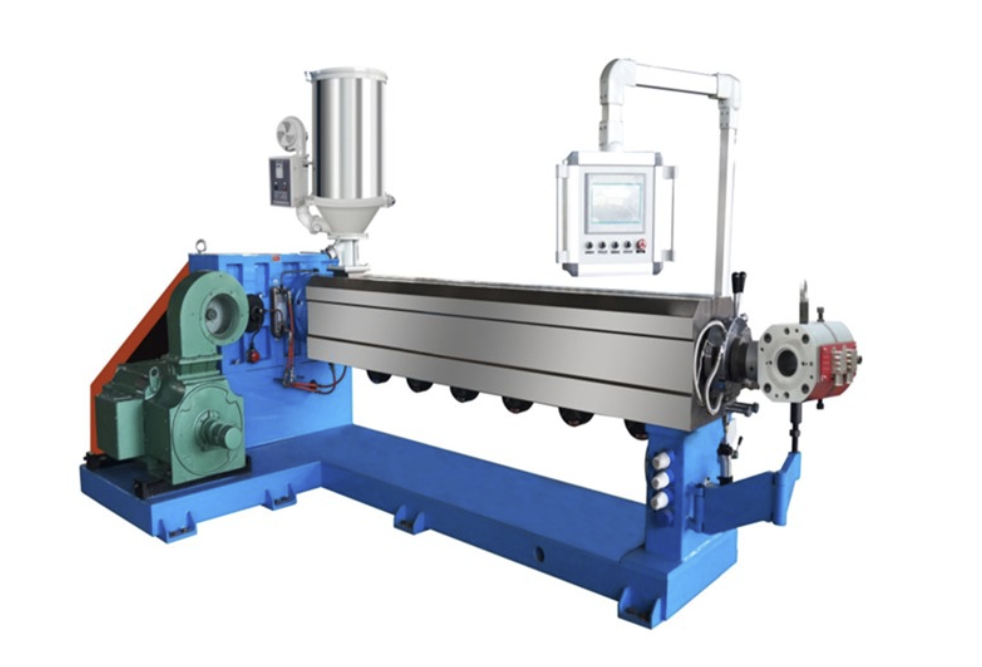
The Core Wire Insulation Extruding Machine for Granule delivers reliable, standards-compliant insulation when screw geometry, temperature profile, tooling concentricity, and online inspection are correctly matched to the polymer and conductor. High entity density in material selection (PVC, PE, XLPE, LSZH), precise process windows (±1–2 °C), and closed-loop control eliminate the majority of field failures. Custom engineering of screw design, crosshead, and line configuration remains the decisive factor for long-term production stability and quality consistency.
Demande d'informations to receive detailed technical data sheets, material-specific screw recommendations, and a customized line configuration based on your conductor range and target standards.









Avis
Il n’y a pas encore d’avis.