Aluminum Sheath Argon Arc Welding Pipe Production Line - Reliable Doing Cable
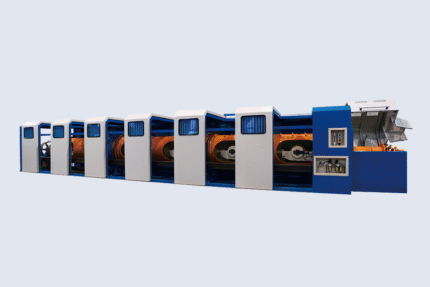
Continuous aluminum sheath forming equipment designed for medium- and high-voltage power cables and flexible mineral-insulated cables. Outer diameter Φ8–Φ180 mm, welding speed 0–20 m/min, continuous length up to 4 km. Reliable quality, custom solutions for long-term cooperation.
Product SKU:
AL-SHEATH-TIG-LINE-01
Product Brand:
Doing Reliable
Product Currency:
USD
Product Price:
Ask For Quotation
Product In-Stock:
InStock
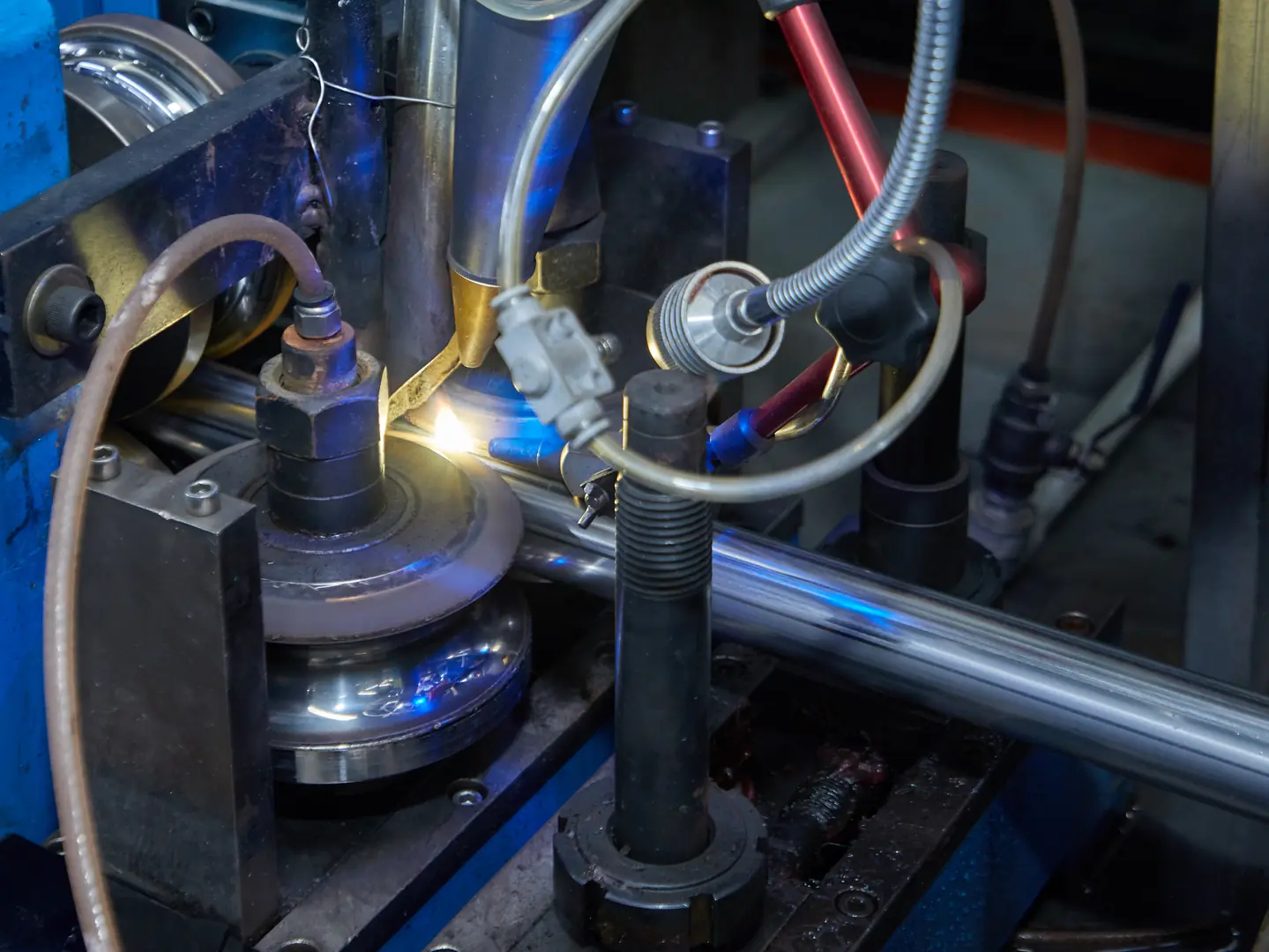
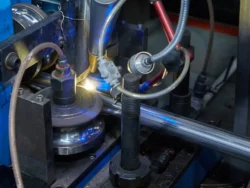
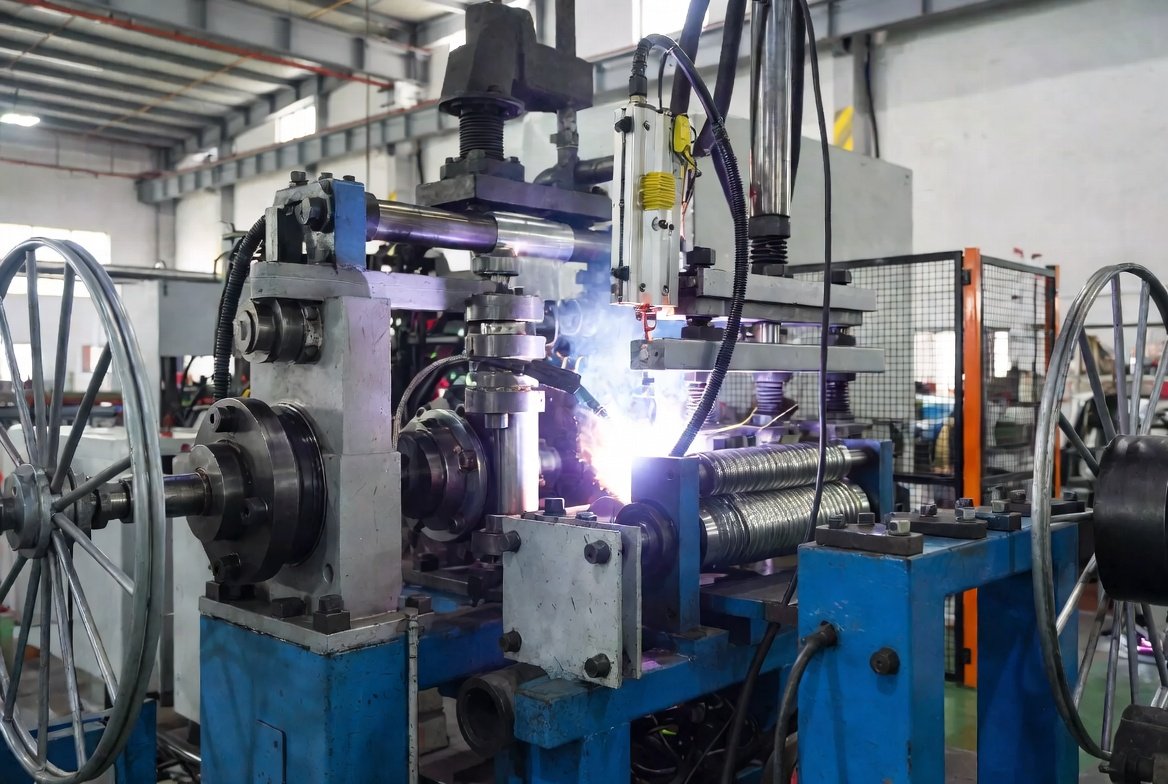
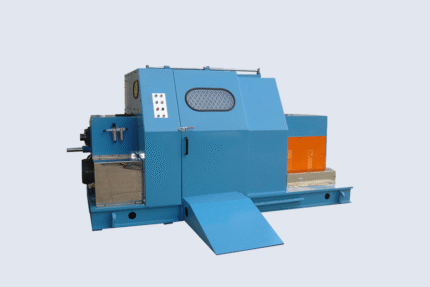
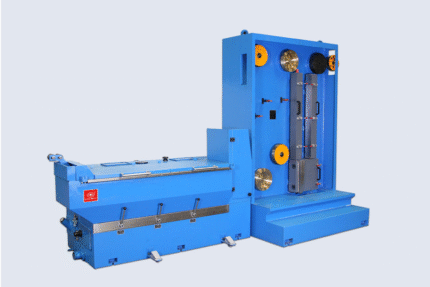
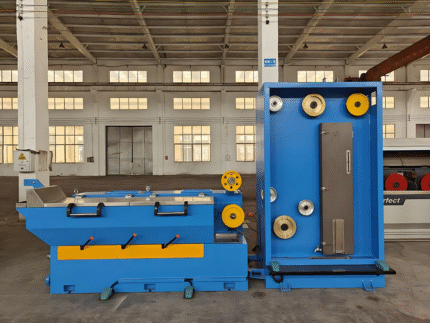
The Aluminum Sheath Argon Arc Welding Pipe Production Line is a continuous metal sheath forming system engineered specifically for medium- and high-voltage power cables, flexible mineral-insulated cables, and specialty fire-resistant cables. Utilizing DC argon arc (TIG) longitudinal seam welding, the line precisely wraps and welds aluminum strip (0.3–3.2 mm thickness) into sealed aluminum tubes with outer diameters ranging from Φ8 mm to Φ180 mm. Continuous welding length reaches over 4 km on 1.2 mm aluminum strip, with adjustable welding speeds of 0–20 m/min and welding currents of 5–450 A (stable 24-hour operation at 300 A). Key performance advantages include weld tensile strength equal to or higher than the base metal (measured approximately 78 N/mm² versus 75–76 N/mm² for the parent material), 100% online hermeticity inspection, and online adjustment of corrugation pitch and depth without line stoppage—significantly reducing partial discharge risk and enhancing long-term operational reliability of high-voltage cables.
Detailed Technical Parameters
| Parameter | Model Range A (e.g. smaller OD) | Model Range B (e.g. larger OD for HV/UHV) |
|---|
| Welding Tube Outside Diameter | Φ8–72 mm | Φ60–200 mm |
| Cable Core Diameter Range | Φ8–55 mm | Φ50–165 mm |
| Aluminum Strip Thickness | 0.3–2.0 mm | 0.8–4.0 mm |
| Copper Strip Thickness | 0.3–1.2 mm | 0.3–1.5 mm |
| Stainless Steel Strip Thickness | 0.2–0.5 mm | 0.3–1.0 mm |
| Strip Width | 20–220 mm | Corresponding to diameter |
| Welding Method | DC Argon Arc (TIG), HF ignition | DC Argon Arc (TIG), HF ignition |
| Welding Current | 5–405 A (300 A continuous) | 30–350 A typical |
| Welding / Line Speed | 0–20 m/min adjustable | 0–8 m/min (up to 4.6–15 m/min depending on thickness) |
| Continuous Welding Length (example) | Up to 4 km (1.2 mm Al) | Several km |
| Corrugation Type | Annular or Helical | Annular or Helical |
| Corrugation Pitch | 3.5–20 mm (online adjustable) | 10–50 mm (online adjustable) |
| Corrugation Depth | 0.5–4 mm (online adjustable) | 1–8 mm (online adjustable) |
| Protecting Gas | Argon / Helium | Argon / Helium (preferred for Al) |
| Main Power Source | Lincoln TIG-V400 or equivalent | High-quality TIG source |
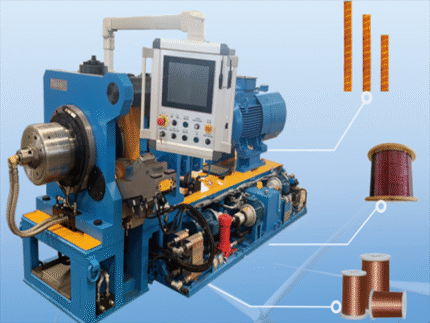
| Control System | Siemens PLC + HMI | Siemens PLC + HMI |
| Installed Capacity | ≈70 kVA | <100 kVA |

Structure and Material Description
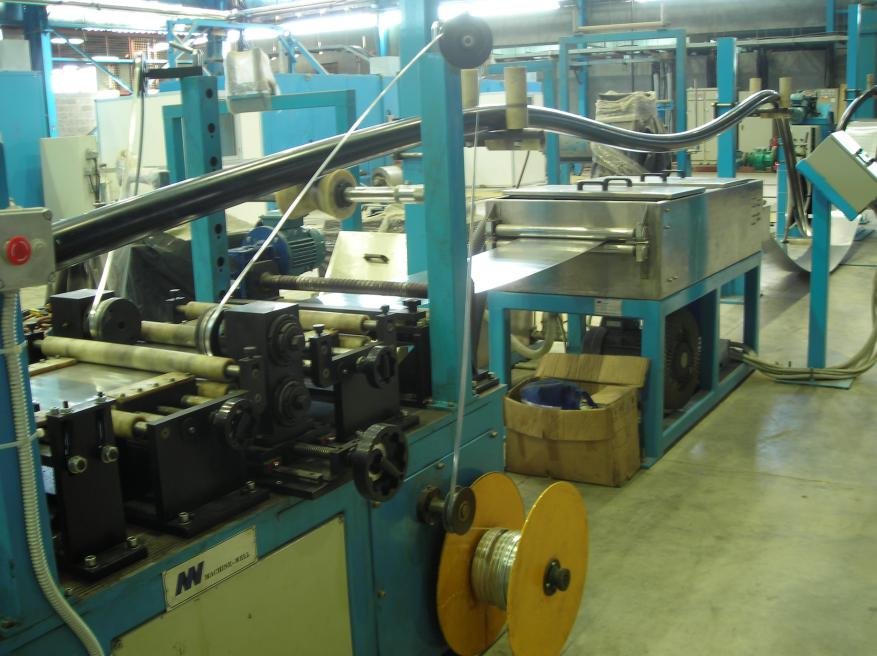
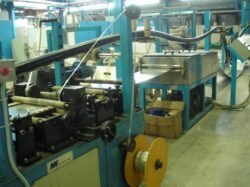
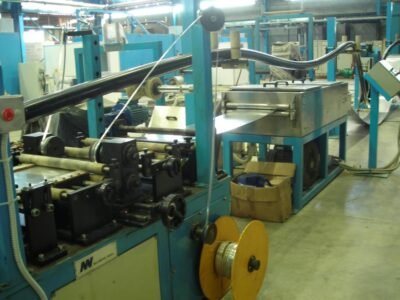
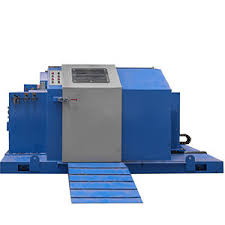
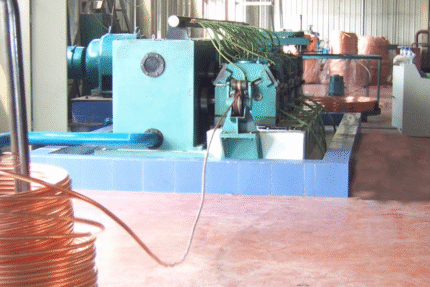
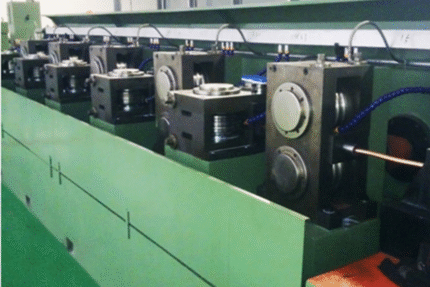
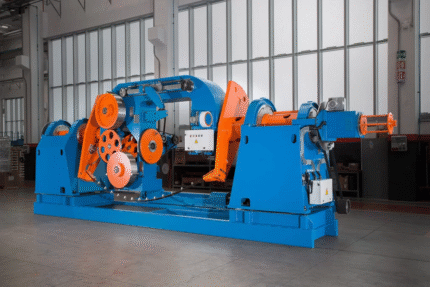
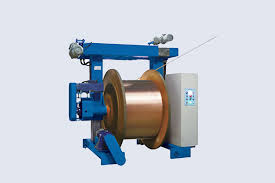
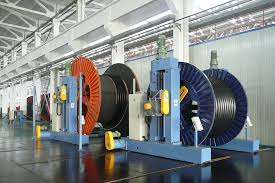
The production line features a modular layout: aluminum strip pay-off → precision edge-trimming unit → high-accuracy longitudinal forming dies (22 interchangeable mold sets standard) → DC argon arc longitudinal welding torch (3-axis electric adjustment + automatic seam tracking) → online arc monitoring and eddy-current inspection → stretch sizing → caterpillar traction → eccentric corrugating unit → take-up.
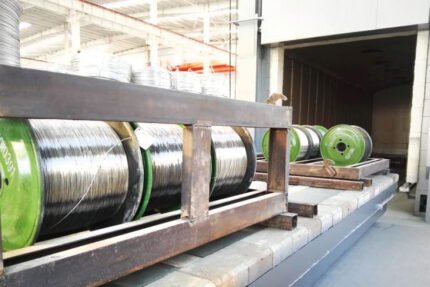
Aluminum strip must meet ≥99.50% purity (in accordance with GB/T 3880.1) and elongation ≥16% to ensure defect-free welds free of porosity or cracks. Tungsten inert-gas welding under high-purity argon or helium shielding provides precise heat input control, keeping insulation-layer temperature around 40 °C and preventing thermal damage. The eccentric high-speed corrugating unit (up to 4,500 rpm) allows online pitch and depth adjustment without stopping production, balancing mechanical strength and bending performance.
Key Advantages of Argon Arc Welded Aluminum Sheath
- Superior weld quality: DC TIG welding with high-frequency ignition and automatic seam tracking produces a continuous, leak-tight longitudinal seam. Independent tests show weld tensile strength often equals or exceeds the parent aluminum material.
- Low thermal impact: Shielding gas (argon or argon-helium mixture) and rapid heat dissipation keep temperatures near the insulation layer typically below 40–70 °C, eliminating risk of insulation damage.
- Lightweight & high performance: Aluminum sheath reduces overall cable weight significantly versus lead, improves short-circuit capacity, and allows longer continuous lengths.
- Flexible corrugation: Online adjustable annular or helical corrugation improves bending performance and mechanical resilience without stopping production.
- High productivity & reliability: Continuous runs of several kilometers are achievable; start/stop capability without weld quality degradation; PLC-controlled parameter storage for fast changeover.

Primary Application Scenarios and Selection Guidance
This line is primarily applied in:
- Flexible mineral-insulated cables (BTTW/YTTW, RTTZ) aluminum sheath forming;
- Medium-voltage power cable longitudinal aluminum sheathing;
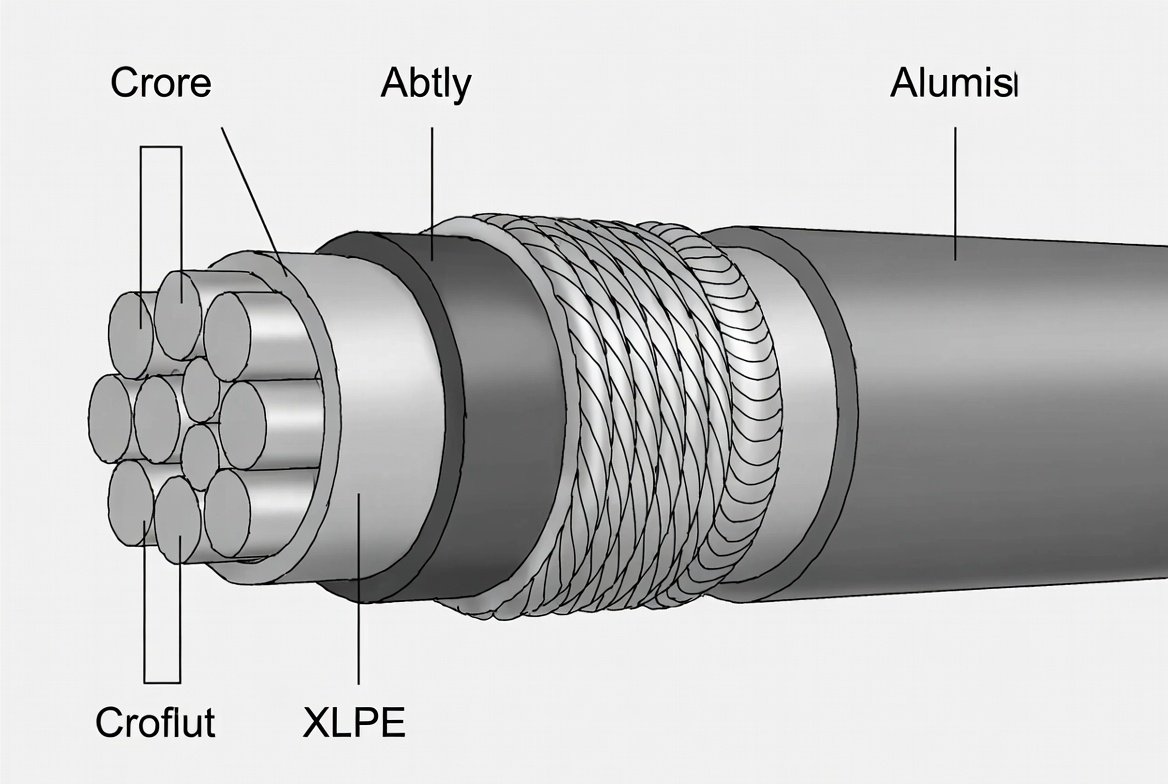
- 110–500 kV XLPE insulated power cables with smooth or corrugated aluminum sheath;
- High-speed rail through-ground conductors, railway signal cables, and fire-resistant cable metal sheaths.
Selection Comparison Table
| Application Type | Recommended OD Range | Recommended Al Strip Thickness | Preferred Corrugation | Key Focus Areas |
|---|
| Flexible mineral-insulated / fire-resistant cables | Φ10–Φ60 | 0.4–2.0 mm | Primarily annular | High hermeticity, continuous length |
| Medium-voltage power cables | Φ20–Φ80 | 0.8–2.0 mm | Helical / annular | Short-circuit capacity, bending radius |
| 110–220 kV high-voltage cables | Φ60–Φ120 | 1.2–2.5 mm | Corrugated preferred | Partial discharge control, thermal stability |
| 500 kV extra-high-voltage cables | Φ100–Φ180 | 2.0–3.2 mm | Deep corrugation | High pulling force, optional helium shielding |
When selecting, prioritize short-circuit thermal stability cross-section, minimum bending radius, and operating temperature range (typically –40 °C to +90 °C). Thicker aluminum strip requires higher current and optional helium shielding to ensure adequate penetration.
Certifications and Applicable Standards
Welding process follows recommendations in GB/T 22086 (Recommended Practices for Arc Welding of Aluminium and Aluminium Alloys). Finished aluminum sheath thickness, hermeticity, and tensile strength comply with IEC 60502 series, GB/T 11017, GB/T 31840 and related power cable standards, as well as industry procurement specifications (e.g., Q/GDW series). Weld quality is verified by 100% eddy-current testing and hermeticity inspection; measured tensile strength is not lower than the base metal. Equipment can be supplied with CE and ISO 9001 certification support.
Installation and Operation Notes
Installation requires level foundations, stable 380 V power supply, cooling water flow ≥0.5–1 T/h, and compressed air at 0.5 MPa. Commissioning begins with no-load parameter matching to establish stable current-speed synchronization curves. During operation, continuously monitor gas flow (low-flow alarm), cooling water pressure, and tension. Aluminum strip surfaces must be clean and free of oxide to prevent porosity. For long-term shutdown, purge gas lines and protect the tungsten electrode. Operators must hold appropriate welding qualifications and strictly follow the equipment manual.
Frequently Asked Technical Questions (FAQ)
What are the advantages of argon-arc welded aluminum sheath versus traditional extruded aluminum sheath?
Argon-arc welding enables thin-wall high-precision forming (down to 0.3–0.4 mm), longer continuous lengths, and rapid mold changeover—ideal for medium-to-small batch customization and corrugated structures—while delivering reliable weld strength and minimal thermal impact.
How should welding speed be matched to aluminum strip thickness?
For 1.2 mm aluminum strip, 15–20 m/min is recommended, achieving continuous lengths up to 4 km. Thicker strip requires reduced speed and increased current; argon-helium mixed gas may be used to enhance heat input when necessary.
How is weld porosity eliminated and hermeticity guaranteed?
High-purity argon/helium shielding, automatic torch tracking, online eddy-current inspection, and 100% hermeticity testing are employed. Critical prerequisites are aluminum strip elongation ≥16% and thoroughly cleaned surfaces.
What is the effect of corrugation parameters on cable performance?
Pitch of 3.5–50 mm and depth of 0.5–8 mm are adjustable online. Proper corrugation improves bending performance and radial compressive strength while maintaining shielding and water-blocking effectiveness. Excessive depth may affect short-circuit capacity and must be calculated according to cable design.
Does the equipment support switching between copper and stainless-steel strip?
Yes. The same production line accommodates copper, aluminum, and stainless steel by changing molds and adjusting current parameters, covering medium-voltage to extra-high-voltage and specialty cable requirements.
Inquiry Now
We provide complete customized solutions, mold configurations, on-site commissioning, and long-term technical support to help customers achieve stable, high-quality aluminum-sheathed cable production. Please submit your cable core specifications, annual capacity requirements, and any special demands to receive a dedicated technical proposal and quotation. Long-term partners enjoy priority production scheduling and spare-parts assurance.





Reviews
There are no reviews yet.