In the production of high-conductivity oxygen-free copper (OFC) rod and subsequent fine wire, the cold rolling stage plays a decisive role in achieving tight dimensional tolerances, superior surface finish, and optimized mechanical properties. Unlike traditional hot rolling or cold drawing processes, cold rolling applies compressive deformation at room temperature, resulting in a denser, more uniform grain structure with significantly reduced internal defects.
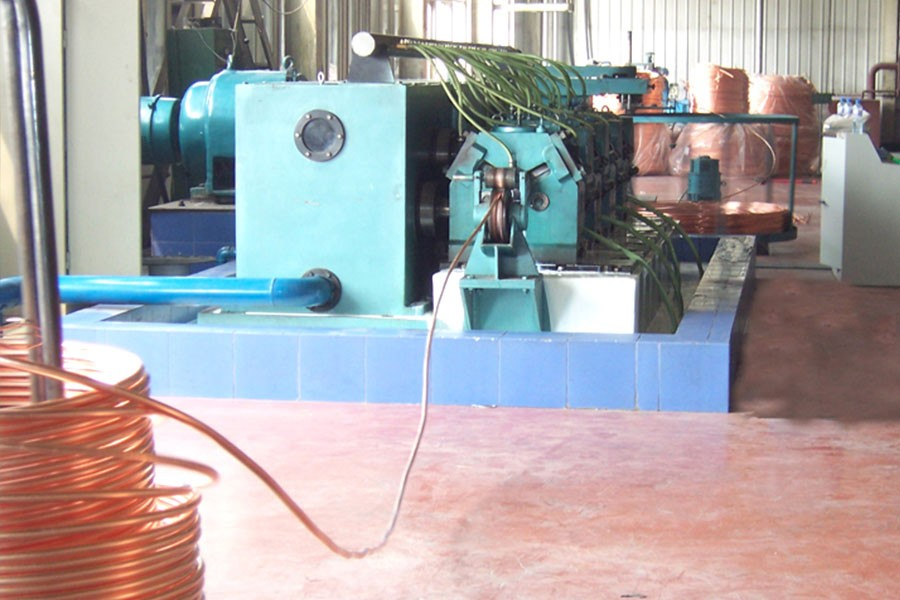
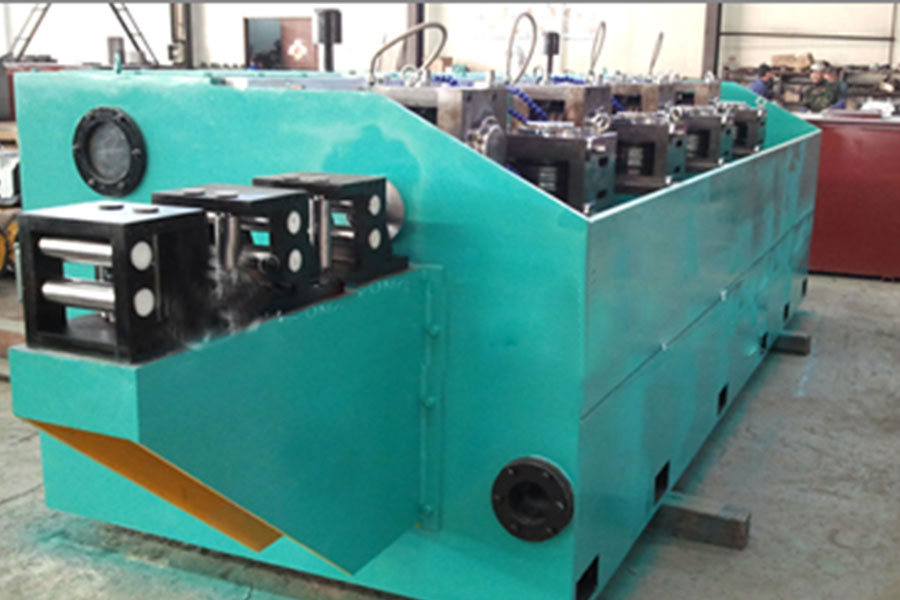
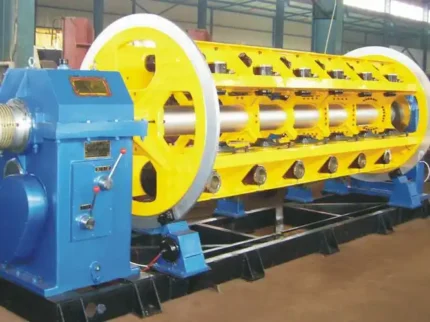
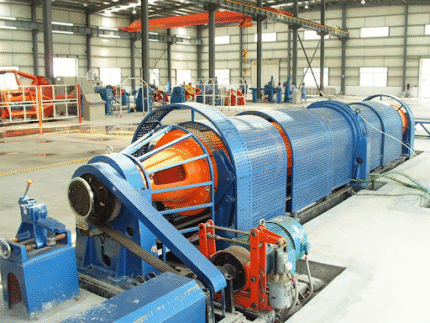
The RLB Copper Rod Cold Rolling Production Line is specifically engineered for continuous cold rolling of up-cast oxygen-free copper rod from Φ17 mm or Φ20 mm down to finished diameters of Φ6.8 mm to Φ8.0 mm. Available in both two-roller and Y-type three-roller configurations, this high-performance system delivers excellent roundness, bright surface quality, and enhanced drawability for downstream wire drawing operations.
Designed for 24/7 reliability in the demanding climatic conditions of Saudi Arabia and the GCC, the line combines frequency-controlled drives, advanced lubrication and cooling systems, and intelligent PLC+HMI automation. It offers cable and wire manufacturers higher throughput, lower scrap rates, reduced energy consumption, and measurable improvements in final product quality.
Technical Principles & Metallurgical Advantages of Cold Rolling
Cold rolling is performed below the recrystallization temperature of copper. Through compressive forces applied by precision rollers, the process delivers several metallurgical benefits that directly improve downstream performance:
- Superior Grain Refinement: Produces a finer, more uniform grain structure (typically ~1.1 μm versus ~2.5 μm in equivalent drawing processes), enhancing both mechanical strength and electrical conductivity.
- Closure of Internal Defects: Effectively closes porosity, blowholes, and micro-cracks inherent in up-cast rod, dramatically reducing breakage rates during subsequent fine wire drawing.
- Improved Mechanical Properties: Higher tensile strength, better bending and torsional performance, and excellent surface finish without the die marks or scratches common in drawing processes.
- Enhanced Density and Conductivity: Compacted microstructure results in higher electrical conductivity and lower resistivity compared with rods produced solely by drawing at the same final diameter.
Industry-validated results: Cold rolling can improve dimensional accuracy by up to 20% and reduce subsequent wire drawing breakage by 15–30%, according to data from equipment suppliers and the International Copper Association. These improvements translate directly into higher yield, lower production costs, and better final wire quality.

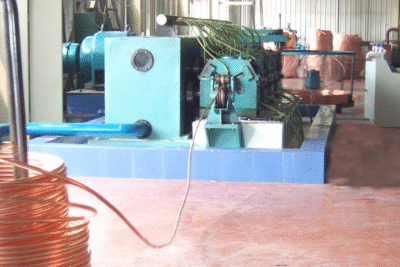
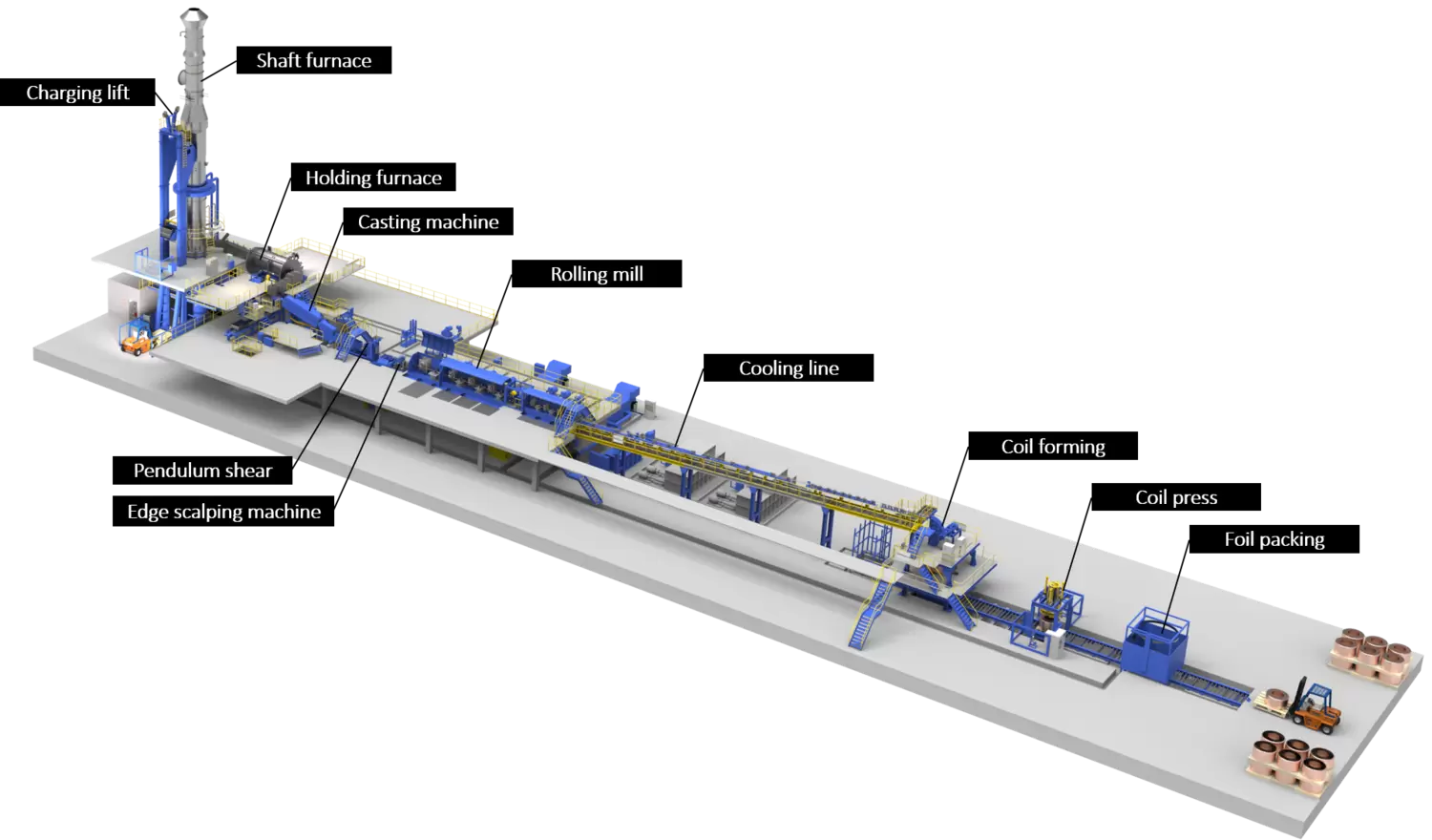
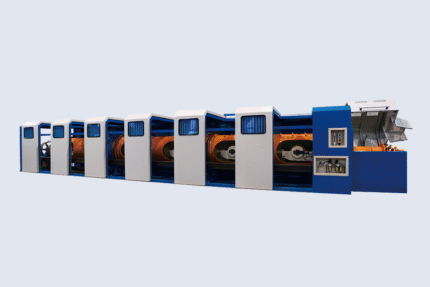
Figure 1: Typical full-line integration (Casting → Rolling → Cooling → Coiling) – seamless connection with your upward continuous casting lines.
Advanced Engineering Features & Operational Excellence
The line is offered in two optimized configurations to match different production priorities:
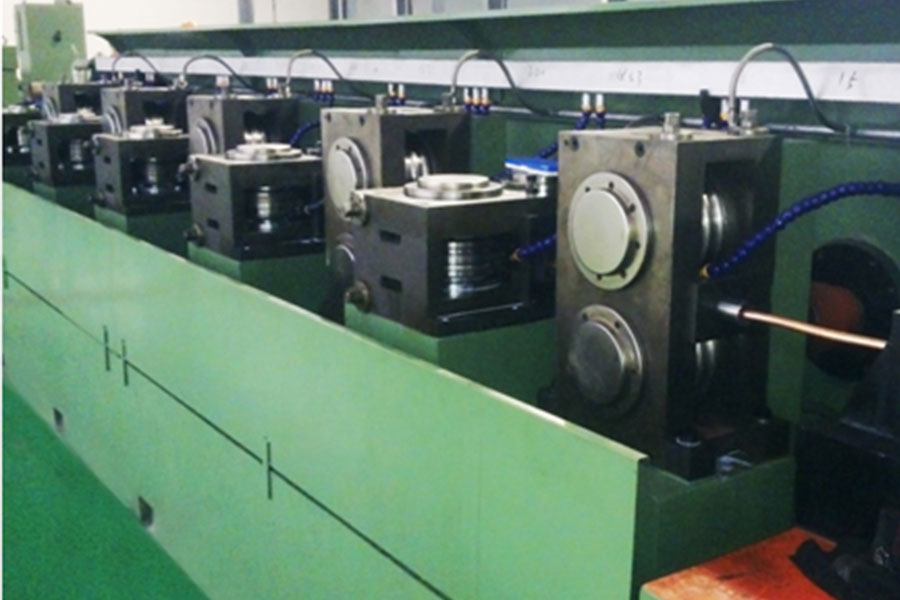
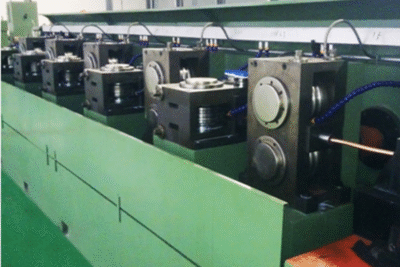
Two-Roller Configuration Up-down pressing restrains free spread of the material. Ideal for high-speed, stable production of standard oxygen-free copper rod with excellent roundness and surface quality.
Y-Type Three-Roller Configuration Creates a true three-dimensional stress state that eliminates torsion and ovality. Preferred for copper alloys (Cu-Mg, Cu-Ag, Cu-Sn) and applications requiring ultra-precise diameter control (ovality typically <0.02 mm).
Key Technical Differentiators
- Frequency inverter with stepless speed regulation — achieves 15–25% energy savings versus fixed-speed systems and enables soft start to reduce mechanical stress.
- Separated thin-oil lubrication for the gearbox combined with emulsion cooling for the rolling zone — prevents cross-contamination, extends roller service life (often doubled), and maintains bright, clean rod surface.
- Robust cast-iron gearbox and heavy-duty roller bearings — engineered for continuous 24/7 operation even in high ambient temperatures typical of GCC plants.
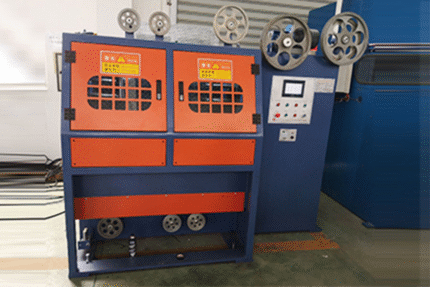
- Intelligent PLC + HMI control system — real-time monitoring of speed, tension, temperature, and emulsion parameters; automatic fault diagnosis, recipe storage for different alloys and diameters, and support for remote diagnostics.
These features deliver higher throughput, consistently high coil quality, lower operating costs, and reduced maintenance requirements compared with conventional rolling equipment.

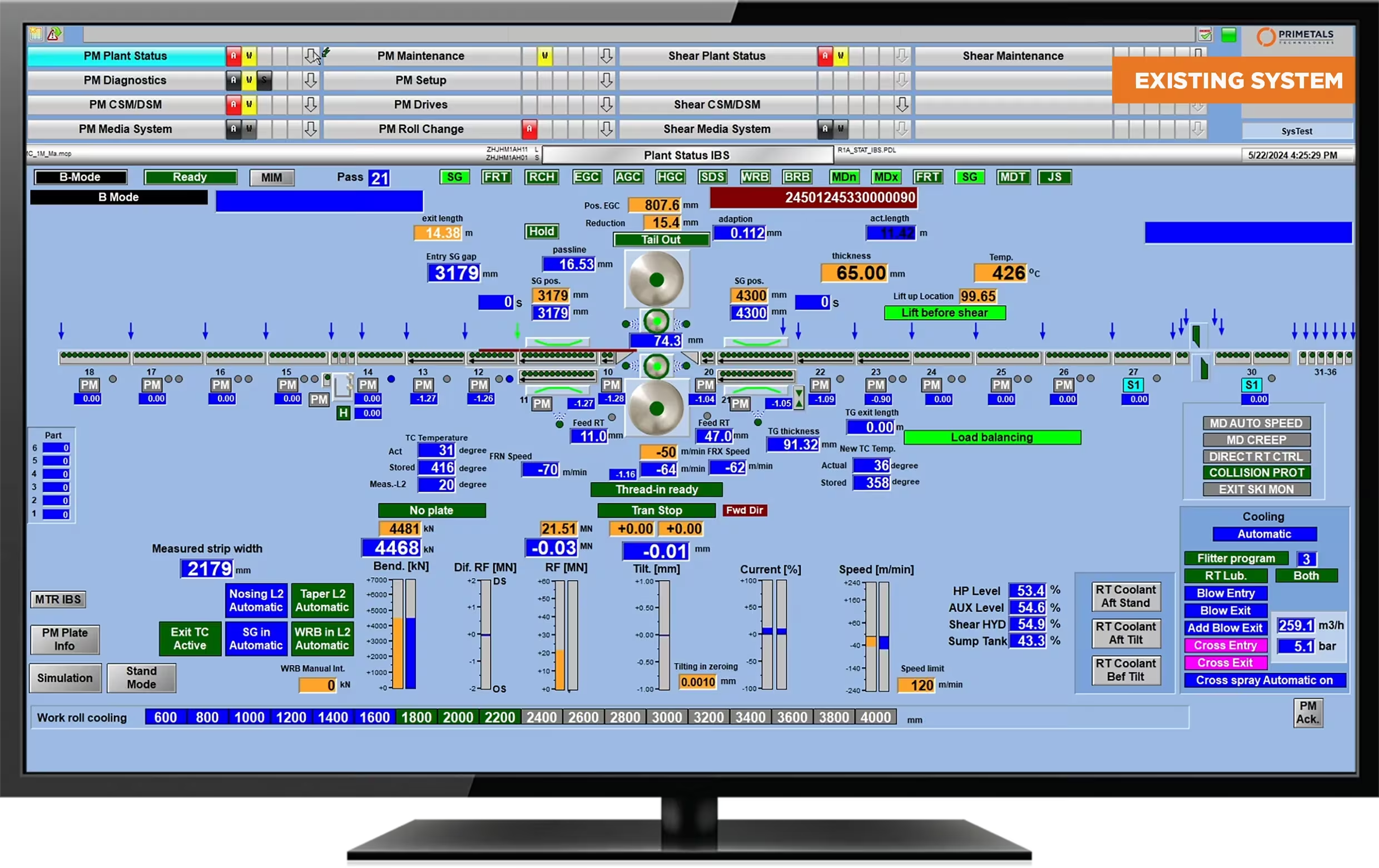
Figure 2: Advanced HMI/PLC control interface – intuitive, multilingual, with full production data logging and remote diagnostics support.
Technical Specifications
| Type | Inlet Rod Diameter (mm) | Outlet Rod Diameter (mm) | Production Capacity (t/h) | Final Rolling Speed (m/min) | No. of Rolling Stands | Main Motor Power | Roller Diameter (mm) |
|---|
| Two Rollers | Φ17 / Φ20 | Φ7.8 | ≤2.2 | Max. 2.15 | 10 / 8 | 132 kW / 110 kW | Φ255 |
| Three Rollers | Φ17 / Φ20 | Φ8.0 / Φ6.8 / Φ7.8 | 1.5–3.6 | Max. 2.15 | 10 / 8 | 132 kW / 110 kW | Φ255 |
Coil weight: 3–4 tons. Custom configurations and higher-capacity models available.
Detailed Technical Specifications
| Parameter | Two-Roller Configuration | Three-Roller Configuration |
|---|
| Inlet Rod Diameter | Φ17 mm / Φ20 mm | Φ17 mm / Φ20 mm |
| Outlet Rod Diameter | Φ7.8 mm | Φ6.8 mm / Φ7.8 mm / Φ8.0 mm |
| Production Capacity | ≤ 2.2 t/h | 1.5 – 3.6 t/h |
| Final Rolling Speed | Max. 2.15 m/s (129 m/min) | Max. 2.15 m/s (129 m/min) |
| Number of Rolling Stands | 8 / 10 | 8 / 10 |
| Main Motor Power | 110 kW / 132 kW | 110 kW / 132 kW |
| Roller Diameter | Φ255 mm | Φ255 mm |
| Coil Weight | 3 – 4 tons | 3 – 4 tons |
| Lubrication System | Thin oil inner circulation | Thin oil inner circulation |
| Cooling System | Emulsion outer circulation | Emulsion outer circulation |
| Control Mode | Frequency inverter + PLC + HMI | Frequency inverter + PLC + HMI |
Optional Upgrades: Automatic gauge control (AGC), online diameter laser measurement, automatic coil strapping, and full SCADA integration for Industry 4.0 factories.
Detailed System Parameters (Both Configurations)
- Lubrication System: Thin oil inner circulation (gearbox)
- Cooling System: Emulsion outer circulation
- Control Mode: Frequency inverter + PLC + HMI (multilingual interface)
- Optional Upgrades: Automatic Gauge Control (AGC), online laser diameter measurement, automatic coil strapping, full SCADA/MES integration for Industry 4.0 readiness
Primary Applications
- Precision cold rolling of up-cast oxygen-free copper rod prior to fine wire drawing
- Production of high-conductivity copper rod for power cables, building wire, and magnet wire
- Processing of copper alloys (Cu-Mg, Cu-Ag, Cu-Sn) used in high-speed rail contact wires and specialty conductors
- Preparation of high-quality precursor rod for copper wire, cable, and specialty conductor manufacturing
The line integrates seamlessly with upward continuous casting machines and downstream wire drawing equipment, forming a complete, high-efficiency production chain from molten copper to finished wire.
Energy Efficiency, Sustainability & Proven ROI
- Energy Savings: Frequency control combined with optimized roll gap and emulsion management reduces power consumption by 15–25% compared with older fixed-speed mills. Typical annual savings on a 2.2 t/h line: 120,000–180,000 kWh (depending on local electricity rates).
- Reduced Scrap and Breakage: 15–30% lower breakage in downstream drawing operations delivers direct material and labor cost savings.
- Extended Component Life: Roller service life often doubled with proper emulsion management; reduced consumption of spare parts.
- Typical Payback Period: 12–18 months for plants operating 6,000+ hours per year — validated by multiple GCC cable producers.
Maintenance & Lifetime Technical Partnership
We deliver complete lifecycle support, not just equipment.
Recommended Maintenance Schedule (industry best practices adapted for GCC conditions):
- Daily: Emulsion concentration, temperature, and flow checks; visual inspection of rollers and guides
- Weekly: Lubrication system pressure and filter condition; coupling alignment verification
- Monthly: Roller gap calibration, hydraulic system leak test, PLC I/O verification
- Quarterly: Full bearing inspection, gearbox oil analysis, safety interlock testing
- Annual: Complete overhaul with roller re-grinding or replacement
Our Support Commitment:
- 24/7 remote diagnostics via secure connection
- On-site engineering response within 48 hours across the GCC
- Genuine spare parts stock in Dammam and Riyadh
- Comprehensive operator and maintenance training (English)
- Optional predictive maintenance packages with vibration and temperature sensors
- Performance guarantees and service contracts available
Why Leading Cable Manufacturers Choose Our Copper Rod Cold Rolling Line
- Reliable Quality — Every mill undergoes 72-hour full-load testing before shipment. Consistent Φ7.8 mm rod with ovality <0.02 mm and superior surface and conductivity performance.
- Customized Solutions — Configured to your exact up-casting diameter, alloy mix, factory layout, and high-ambient-temperature operating conditions in Dammam, Riyadh, Jeddah, or other GCC locations.
- Long-term Partnership — Lifetime technical support, genuine spare parts availability, and performance-based service contracts — not a one-time equipment sale.
- Proven GCC Performance — Multiple successful installations with local cable producers delivering measurable productivity gains and quality improvements.
Inquiry Now
Contact our technical team today for a free line audit, detailed layout drawings, energy consumption and ROI calculations, and reference visits to existing GCC installations. We respond within 4 hours and deliver complete proposals within 48 hours.
Build a more efficient, higher-quality copper rod processing line with a partner committed to your long-term success.
Copper Rod Cold Rolling Mill
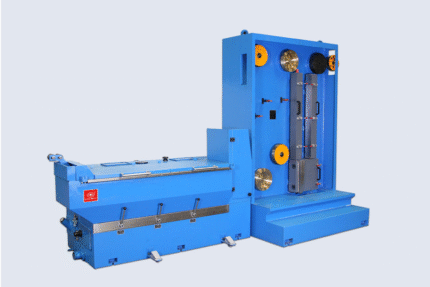
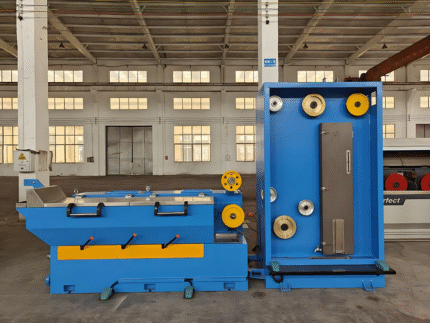
High-precision Copper Rod Cold Rolling Mill for up-cast oxygen-free copper rod (Φ17/20 mm inlet to Φ6.8–Φ8.0 mm outlet). Available in 2-roller and 3-roller configurations with 2.2–3.6 t/h capacity. Delivers superior conductivity, mechanical properties, and 15–30% lower wire breakage.
Product SKU:
CRM-2R-10 / CRM-3R-10
Product Brand:
RLB Cable Equipment
Product Currency:
USD
Product Price:
Contact for Quote
Product In-Stock:
InStock








Reviews
There are no reviews yet.