News & Updates, Product Knowledge Base, Technical Guides & Knowledge

Why is Aluminium Used for Outdoor Cables?

Why is Aluminium Used for Outdoor Cables

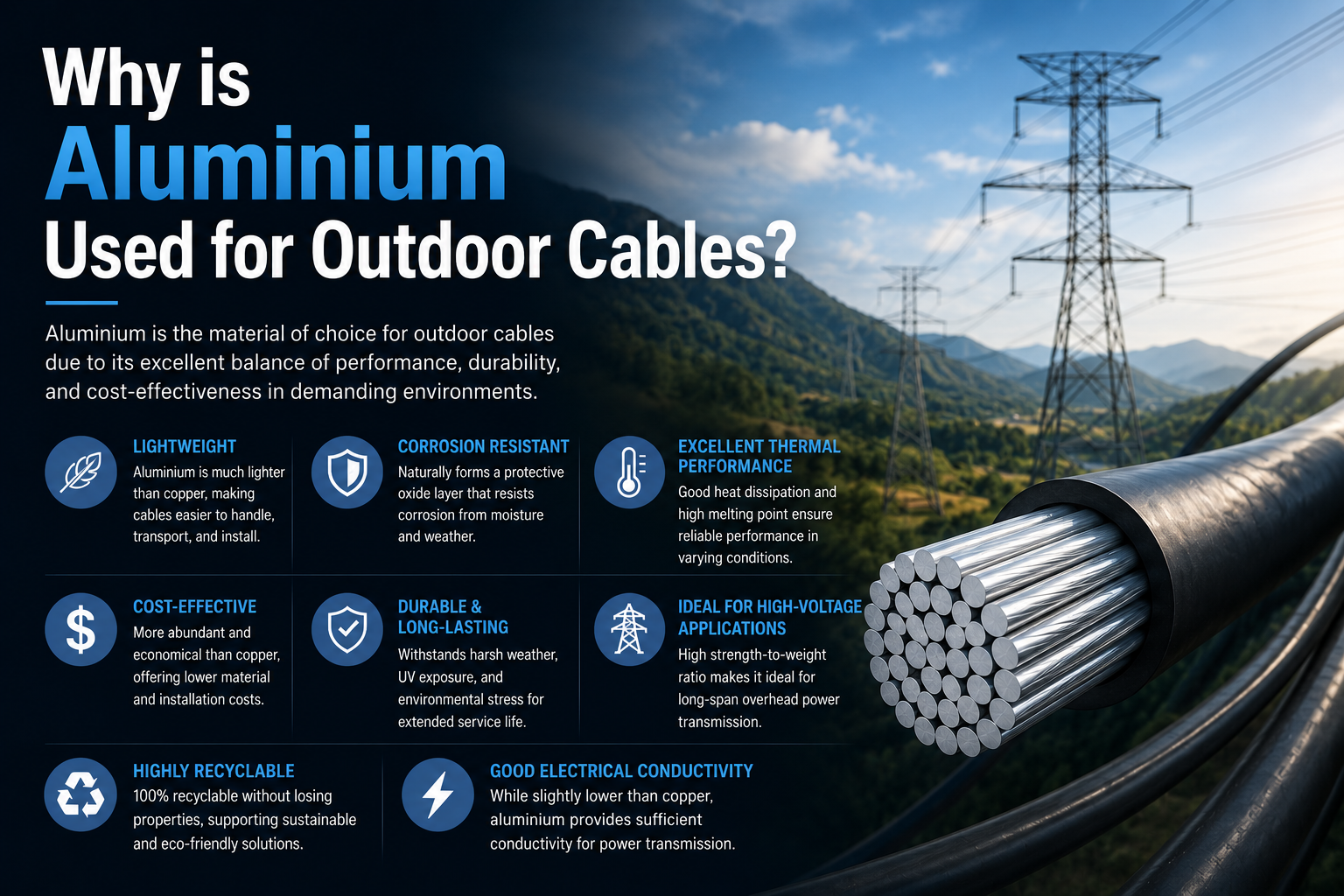
In power transmission and distribution infrastructure worldwide, aluminium conductors have become the dominant choice for outdoor cables—particularly overhead lines and aerial bundled systems. This is not a compromise but a deliberate engineering decision driven by physics, economics, and decades of proven field performance.

If you are an EPC contractor, utility planner, procurement specialist, or project engineer evaluating conductor materials for new lines, grid upgrades, or renewable integrations, understanding why aluminium is used for outdoor cables is essential. The answer lies in its optimal balance of light weight, cost efficiency, corrosion resistance, and fit-for-purpose mechanical design when properly engineered (e.g., ACSR, AAAC).

As a specialist supplier deeply familiar with cable manufacturing and global infrastructure projects, we see aluminium’s advantages deliver measurable value in large-scale outdoor deployments—especially in demanding environments across the Middle East and beyond.

1. Exceptional Lightweight Performance Reduces Infrastructure Costs

Aluminium’s density is approximately 2.70 g/cm³, compared to copper’s 8.96 g/cm³—roughly one-third the weight. For equivalent electrical resistance, an aluminium conductor is typically around 50% lighter overall than its copper counterpart, even after upsizing the cross-section.

This weight advantage translates directly into:

  • Longer spans between towers or poles
  • Reduced structural loading on towers, foundations, and poles
  • Lower transportation, handling, and installation costs
  • Faster project execution on challenging terrain

In overhead transmission, where conductor weight dominates tower design, these savings compound significantly across hundreds of kilometres.

2. Superior Cost-Effectiveness for Large-Scale Projects

Material cost is a decisive factor. Aluminium is generally three to six times less expensive per tonne than copper, with more stable pricing. When combined with the infrastructure savings from lighter weight, the total installed cost advantage becomes compelling for utilities and developers.

Major regional players, including Saudi Electricity Company (SEC), have actively shifted toward aluminium conductors in medium- and high-voltage projects precisely for these economic benefits, achieving substantial programme-wide savings while maintaining reliability.

For budget-conscious infrastructure programmes—whether grid expansion, rural electrification, or renewable evacuation—aluminium delivers lower capex without sacrificing long-term performance when correctly specified.

3. Balanced Electrical Performance with Excellent Conductivity-to-Weight Ratio

While copper offers higher conductivity (~5.96 × 10⁷ S/m vs aluminium’s ~3.5 × 10⁷ S/m, or roughly 61% IACS), aluminium’s conductivity per unit weight is superior. This makes it ideal for long-distance, high-voltage overhead lines where minimising mass is more critical than minimising diameter.

To achieve equivalent resistance, aluminium conductors require a larger cross-sectional area (approximately 1.26× diameter). Modern stranding and alloying techniques, combined with composite designs, fully mitigate this in practice. Energy losses remain manageable, and the overall system economics strongly favour aluminium.

4. Natural Corrosion Resistance Ideal for Outdoor Exposure

Aluminium rapidly forms a thin, dense, self-protecting oxide layer (Al₂O₃) upon exposure to air. This passive film prevents further oxidation and provides excellent resistance to moisture, UV, industrial pollution, and coastal atmospheres—common challenges for outdoor cables.

Unlike copper, which continues to oxidise (forming conductive but mechanically weaker patina), properly specified aluminium maintains stable performance over decades with minimal maintenance. This inherent durability makes it particularly suitable for exposed aerial installations in varied climates, from arid deserts to humid or marine environments.

5. Engineered Solutions: AAC, AAAC, ACSR & Specialised Designs

Pure aluminium has lower tensile strength, so manufacturers use optimised constructions:

  • AAC (All Aluminium Conductor) — Best for short-to-medium spans in moderate environments; excellent conductivity and corrosion resistance.
  • AAAC (All Aluminium Alloy Conductor) — Higher strength alloys (e.g., 6201-T81) for improved mechanical performance without steel core.
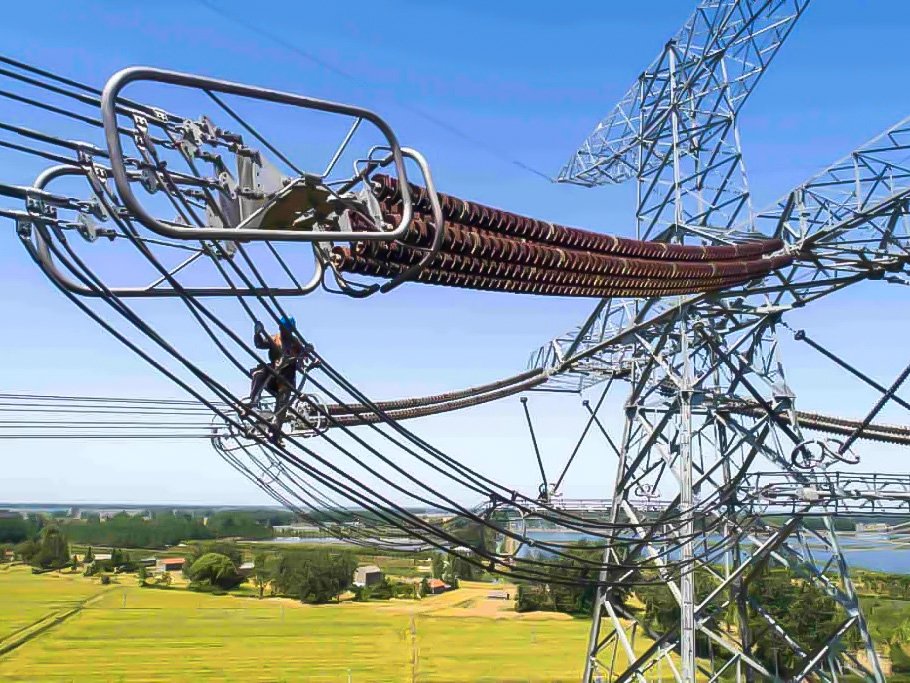
  • ACSR (Aluminium Conductor Steel Reinforced) — The workhorse for long-span, high-tension overhead lines. Aluminium strands carry current; steel core provides tensile strength. Widely used globally for its proven reliability in wind, ice, and high-temperature conditions.
  • Other variants (ACAR, ACCC, etc.) address specific sag, capacity, or high-temperature requirements.

These designs allow engineers to match conductor performance precisely to span length, tension, environmental loading, and thermal requirements.

6. Key Outdoor Applications

Aluminium conductors excel in:

  • High-voltage and extra-high-voltage overhead transmission lines
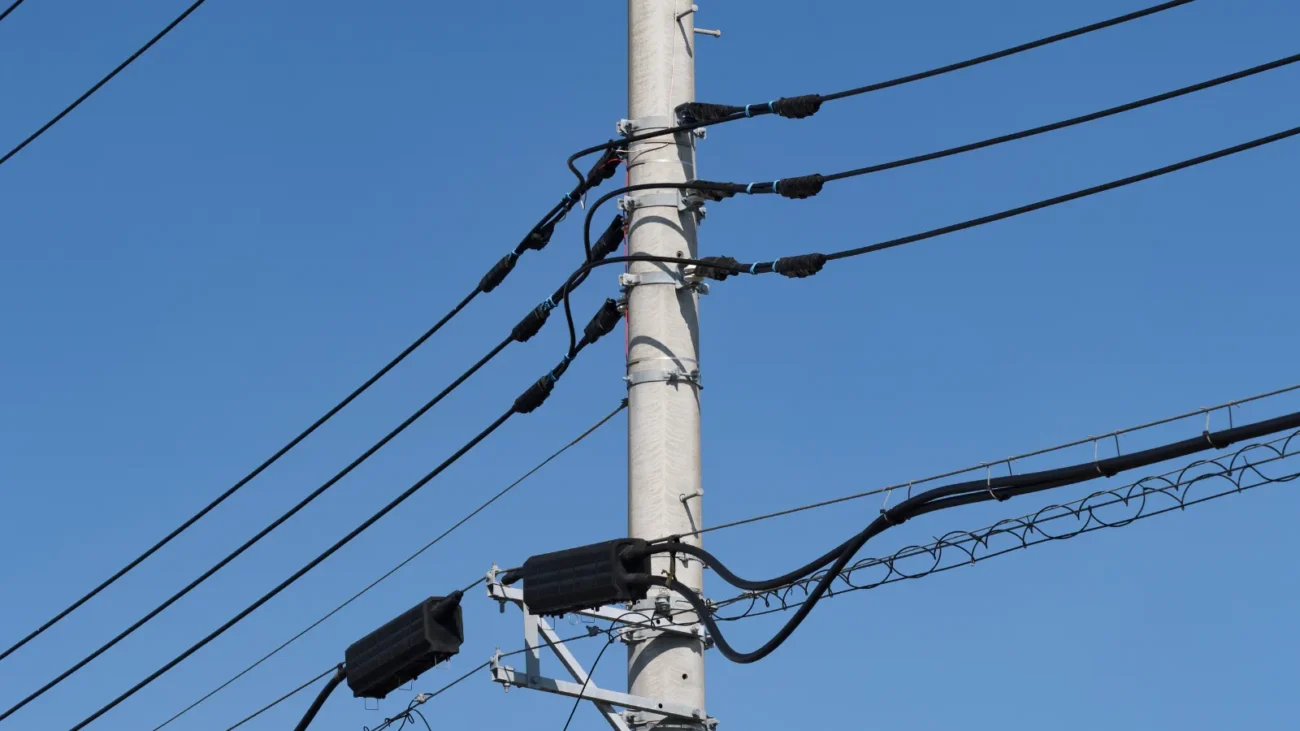
  • Medium- and low-voltage distribution (including Aerial Bundled Cables – ABC for improved safety and reliability)
  • Grid connections for solar, wind, and hybrid renewable projects
  • Utility upgrades and rural electrification programmes
  • Coastal, desert, and high-wind regions when properly specified and installed

They are less common in underground or building wiring where space constraints favour copper’s higher conductivity and smaller size, or where maximum flexibility is required.

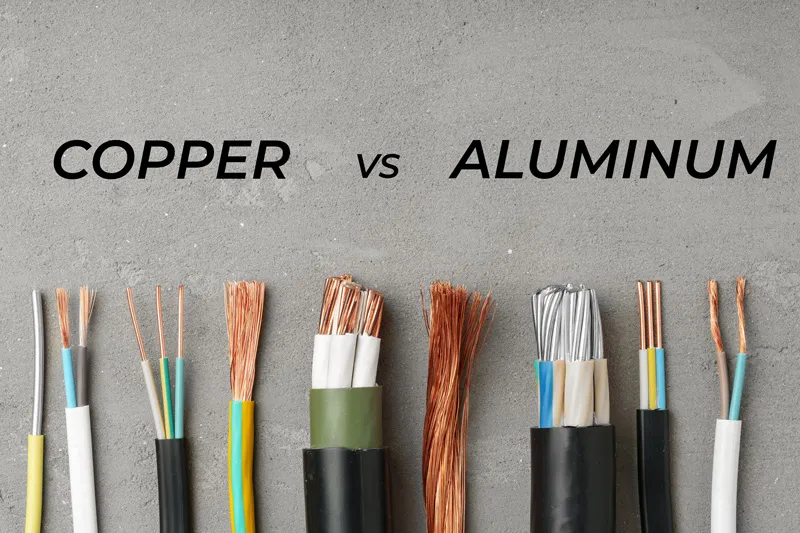
Aluminium vs Copper for Outdoor Cables – Quick Comparison

Aluminium

  • Weight: Significantly lighter (~50% savings)
  • Cost: Much lower material & infrastructure cost
  • Corrosion resistance: Excellent natural oxide protection
  • Best for: Long-span overhead, aerial distribution, cost-sensitive large projects
  • Conductivity: ~61% of copper (compensated by design)

Copper

  • Weight: Heavier
  • Cost: Higher
  • Corrosion resistance: Good but continues to oxidise
  • Best for: Short runs, underground, high-flexibility or space-constrained applications
  • Conductivity: Superior (~100% IACS reference)

Standards & Quality Assurance

Reputable aluminium outdoor cables and conductors comply with international standards including:

  • IEC 61089 — Round wire concentric lay overhead electrical stranded conductors
  • ASTM B231 / B232 — AAC and ACSR specifications
  • BS, DIN, and regional equivalents

Quality manufacturing, proper alloy selection, stranding, and optional protective coatings or greases ensure long service life. Always verify supplier certifications, traceability, and testing protocols (tensile, conductivity, corona, etc.).

Conclusion: A Proven, Practical Choice for Reliable Outdoor Power Infrastructure

Aluminium’s combination of light weight, cost efficiency, corrosion resistance, and engineered mechanical performance makes it the rational, technically sound choice for the majority of outdoor overhead and aerial cable applications. When designed and manufactured to recognised standards, it delivers decades of dependable service while optimising project economics and sustainability (highly recyclable).

For EPCs, utilities, and developers executing power, renewable, or infrastructure projects, specifying the right aluminium conductor solution—matched to your span, environment, and performance requirements—directly supports on-time, on-budget delivery with long-term reliability.

Inquiry Now to discuss your specific project requirements.

Our team provides technical consultation, custom specifications, and reliable supply of high-quality aluminium conductors and related cable solutions engineered for demanding outdoor conditions. We are committed to delivering reliable quality, customised technical solutions, and long-term partnership value.

Leave a Reply

Your email address will not be published. Required fields are marked *